You found a home you love in Prairie Village and you’re ready to write an offer. Now you’re hearing about appraisal contingencies, gap clauses, and tight timelines. It can feel like a lot. You want to stay competitive without taking on unnecessary risk. In this guide, you’ll learn how appraisal contingencies work in Prairie Village, what to expect by price point, and how to structure your offer so you’re protected and still strong in negotiations. Let’s dive in.
Appraisal contingency basics
An appraisal contingency gives you the right to rework the deal if the home’s appraised value is lower than your contract price. It exists to protect your financing and your earnest money. When the appraisal comes in below contract price, the contingency can allow you to renegotiate, cover part of the difference, or cancel within the deadline set in the contract.
The appraisal is ordered by your lender, and you typically pay the fee. The appraiser focuses on market value and, for certain loan types, basic safety or habitability items. An appraisal is not the same as a home inspection.
It helps to distinguish the appraisal contingency from the financing contingency. They are often connected, but they are not the same thing. You might keep financing protections even if you limit your appraisal protections, depending on your contract language.
How appraisals behave in Prairie Village
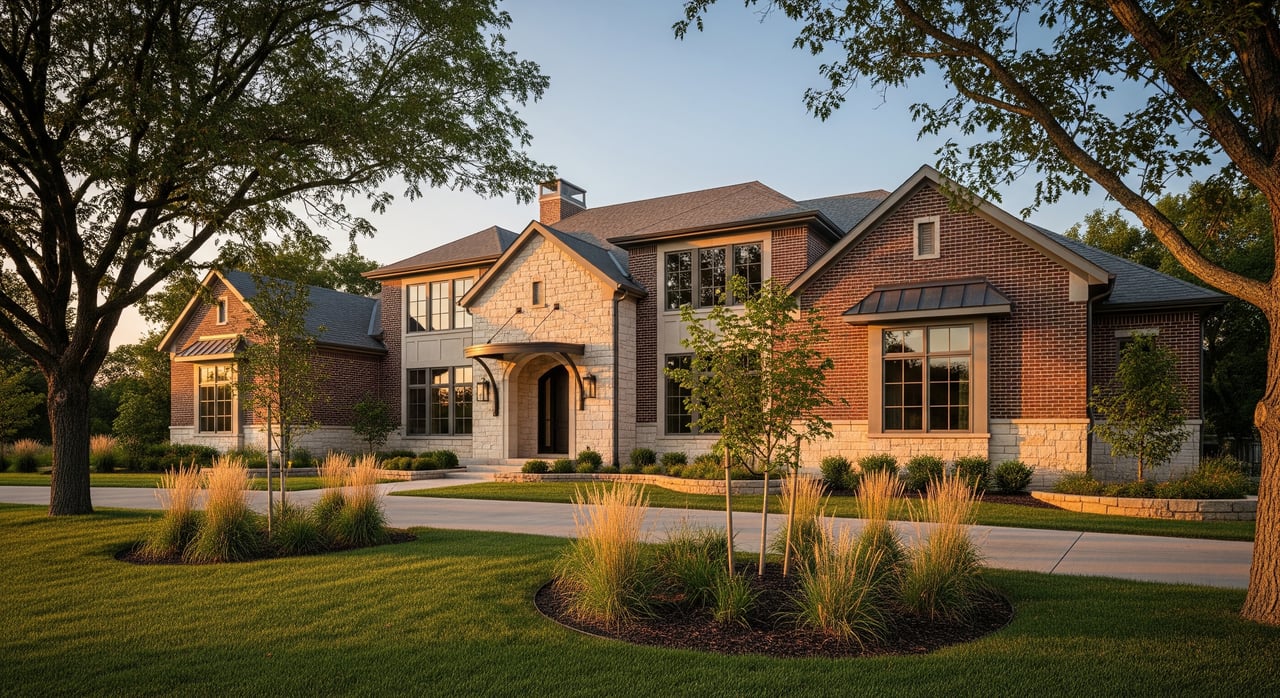
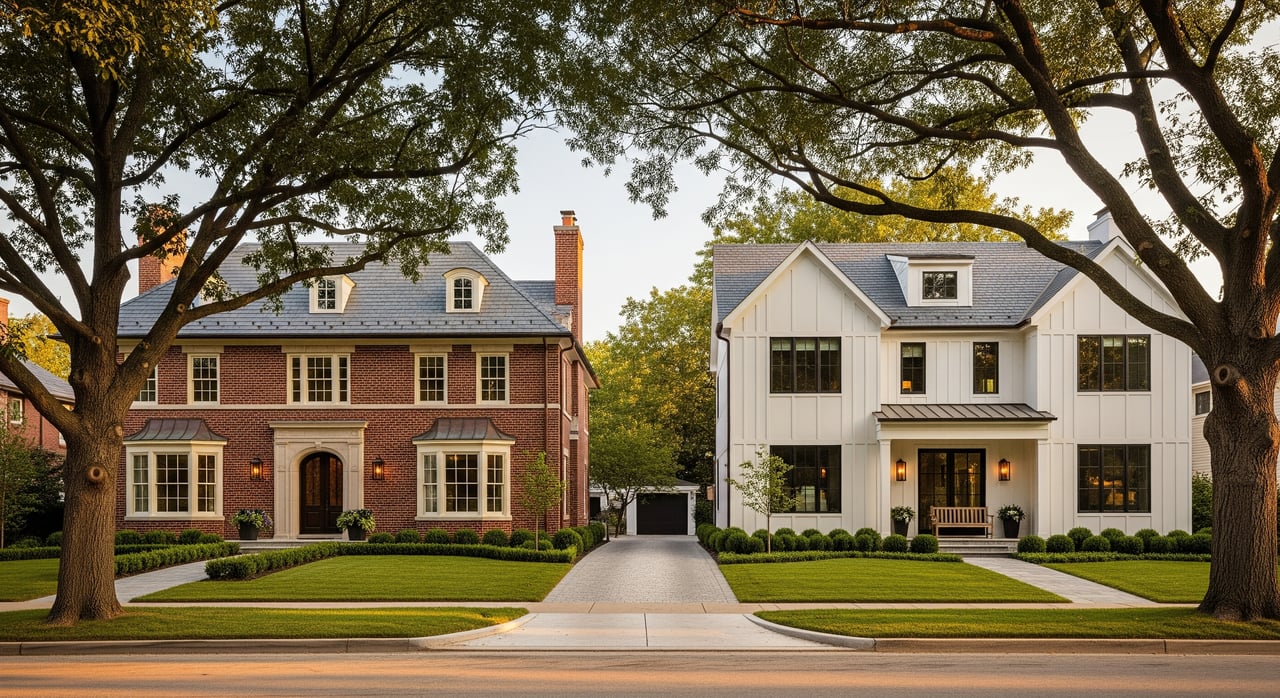
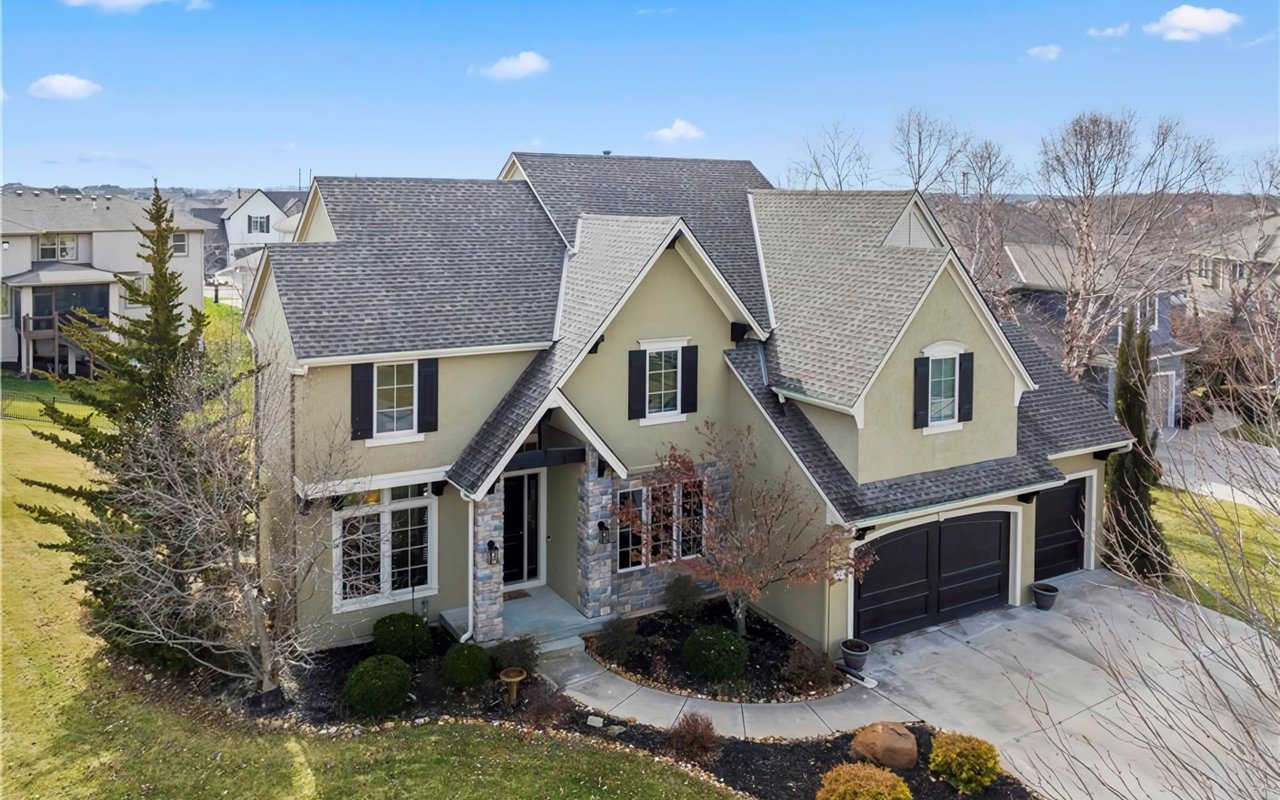
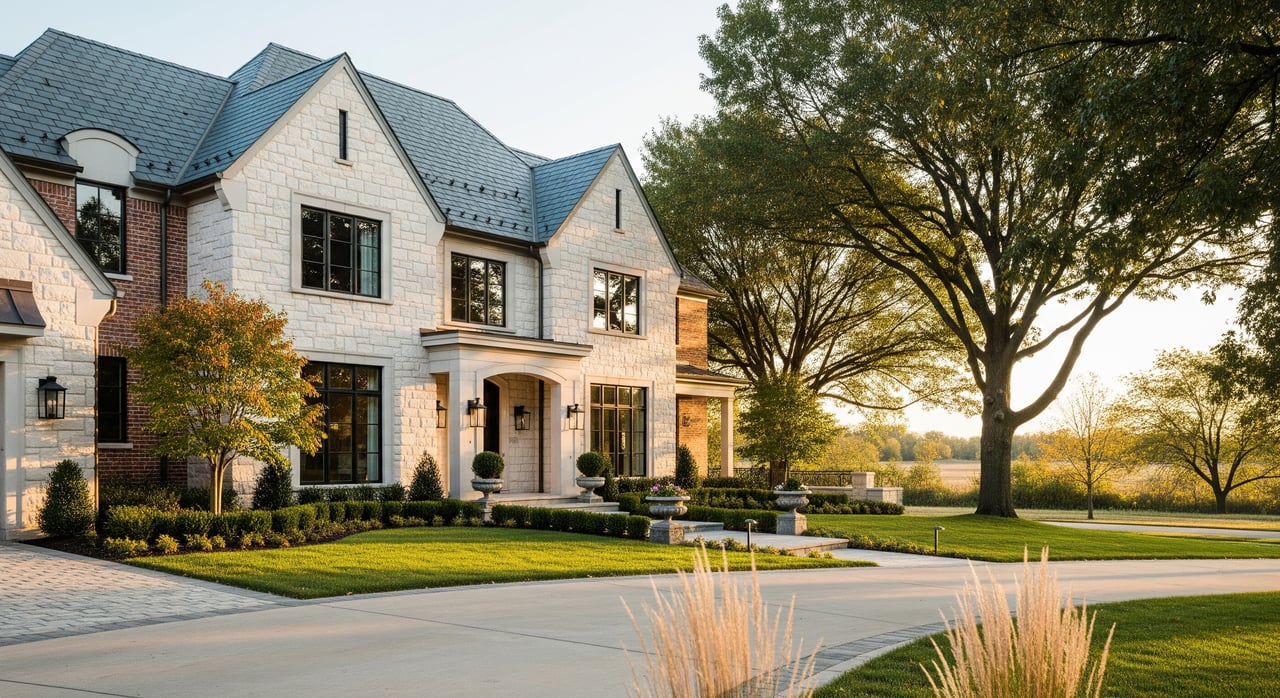
Prairie Village has a mix of mid-century homes, renovated properties, and unique higher-end builds or extensive remodels. That variety affects how easy it is for an appraiser to find comparable sales. Neighborhoods with many recent similar sales are easier to appraise. Unique or heavily upgraded homes can be harder, which can raise the chance of an appraisal gap.
Market cycles also matter. In periods with many multiple-offer situations, contract prices can run ahead of closed-sale data, which appraisers rely on. In steadier seasons, appraisals usually track contract prices more closely.
Entry-level and lower price band
- Pros: More comparable sales are usually available, so values are often predictable.
- Risks: Atypical upgrades or unpermitted improvements can be hard to quantify.
- Strategy: Keep timelines crisp. Rely on recent comparable sales and ask the listing agent for upgrade documentation.
Typical mid-market single-family homes
- Pros: Balanced comparable data is common in Prairie Village.
- Risks: Multiple-offer scenarios, especially with escalation clauses, can push prices beyond what appraisers can support.
- Strategy: Consider a limited appraisal gap approach to stay competitive while protecting yourself.
Upper-tier, unique, and extensively remodeled homes
- Pros: High-quality finishes and unique lots can command strong buyer interest.
- Risks: Fewer truly comparable sales may lead to appraisals that trail contract price.
- Strategy: If you want to preserve the price, consider a higher down payment, request a seller comp packet, or ask if a pre-listing appraisal exists.
Contract mechanics and timelines
Your contract spells out exactly how the appraisal contingency works. The wording matters, including your deadlines and whether a cure period exists for the seller to respond.
Key points to confirm before you sign:
- Exact contingency language and objection deadline.
- Whether appraisal protections are separate from financing protections.
- Who orders and pays for the appraisal. The lender orders it and you typically pay.
- Loan type requirements. FHA and VA appraisals may flag repairs that must be completed before closing. Conventional appraisals focus mainly on value.
- Appraisal waiver possibilities. Some lenders can waive a formal appraisal for highly qualified loans, which can strengthen your offer but removes appraisal-based protection.
Typical timing in Prairie Village
- Offer accepted, lender orders appraisal within a few days.
- Appraisal usually returns in 5 to 10 business days, though timing can vary with volume.
- Appraisal contingency deadlines often fall within 7 to 14 days. Coordinate with your lender so you receive the report with time to act.
A practical buyer checklist
Use this quick list to keep your offer tight and safe:
- Confirm the exact appraisal contingency wording and deadlines.
- Ask your lender when they will order the appraisal and typical turnaround time.
- Request recent comparable sales and any pre-listing appraisal or inspection from the seller’s side.
- If you plan to use a gap clause, confirm your lender’s maximum loan-to-value so your cash plan works.
- For FHA/VA buyers, discuss potential repair requirements up front and how they are handled.
If the appraisal comes in low
A low appraisal is common in fast-moving markets. Here’s what usually happens:
- Appraisal at or above price: You proceed with financing as planned.
- Appraisal slightly low: You and the seller negotiate. Options include the seller reducing price, you paying some cash to cover the shortfall, a split of the difference, or removing the contingency.
- Appraisal significantly low: You may cancel and recover earnest money if your contingency allows, unless the seller drastically reduces price or you bring substantial cash.
- Appraisal with required repairs for FHA/VA: The appraiser may require certain safety or condition items to be corrected. You and the seller decide how to handle repairs or credits to meet lender requirements.
Negotiation tools that preserve strength
- Appraisal gap clause: You agree to cover part of any shortfall in cash up to a fixed amount. If the gap is larger, you can cancel within the contingency timeline.
- Short appraisal objection deadline: A faster timeline keeps your offer competitive while preserving your right to respond if the appraisal is low.
- Defined cure period: Give the seller a few business days to respond to a low appraisal with a price reduction or credit.
- Escalation awareness: If you use an escalation clause, cap your top price at a level that matches the cash you can bring if the appraisal trails.
Challenging a low appraisal
You can request a reconsideration of value through your lender. Provide recent comparable sales, a list of upgrades with receipts or permits, and corrections to any property details that may be wrong in the report. A second appraisal is sometimes possible, but the lender must allow it and it may not always be practical.
How lenders treat appraisal gaps
If you pay cash to bridge an appraisal gap, your loan amount is still based on the appraised value. Your extra cash reduces the effective down payment percentage but does not change the lender’s valuation. Confirm you have enough funds to close when bridging a gap.
Smart clause structures for buyers
Here are common clause concepts buyers use to balance protection and competitiveness. These are non-legal examples. Work with your agent or attorney for precise contract language.
- Gap with cap: Buyer will pay up to $X of any appraisal shortfall in cash. If the shortfall exceeds $X, buyer may cancel and recover earnest money within the appraisal deadline.
- Short objection plus cure period: Buyer will notify seller of any value objection by Day Y. Seller has Z business days to respond with a price reduction or credit. If no agreement is reached, buyer may cancel within the contingency timeline.
- Reconsideration option: If the appraisal is below price, buyer may request a reconsideration of value and provide additional comps within a set timeframe before making a final decision.
- Financing coordination: Appraisal protections remain in place unless explicitly waived in writing.
Preemptive strategies that help in Prairie Village
You can reduce appraisal surprises before you write the offer:
- Ask the listing agent for a comparable sales packet and documentation for major improvements.
- If available, review a seller’s pre-listing appraisal or broker price opinion.
- Align with your lender early on timing, potential appraisal waivers, and maximum loan-to-value if you need to cover a small gap.
- If you are targeting a unique or extensively remodeled home, talk about a larger down payment or a capped gap clause to keep your offer strong.
Sample timeline you can adapt
- Day 0: Offer accepted and contract signed.
- Days 1 to 3: Lender orders the appraisal. You confirm access with the listing agent if needed.
- Days 5 to 12: Appraisal report typically returns. You review with your agent quickly.
- Days 7 to 14: Appraisal objection deadline. If value is low, you notify the seller within the timeframe.
- Next 3 to 7 business days: Seller response period if a cure period is included. You finalize agreement, repair credits if applicable, or cancel within your contingency rights.
Putting it all together
The right appraisal plan helps you win in Prairie Village without taking on undue risk. Keep your objection deadline tight yet realistic, collaborate with your lender from day one, and use capped gap language to stay competitive. If value comes in short, lean on documentation, reconsideration options, and straightforward negotiations.
If you want local guidance tailored to your price point and property type, let’s talk through your goals and build a plan before you write the offer. Connect with Bryan Huff to get started.
FAQs
What is an appraisal contingency in Prairie Village home purchases?
- It gives you the right to renegotiate or cancel if the home appraises below your contract price, within the deadlines set in your purchase agreement.
Who orders and pays for the appraisal in Johnson County?
- Your lender orders the appraisal for underwriting, and you typically pay the fee as part of loan costs.
How do appraisal gaps affect my Prairie Village offer?
- A gap occurs when the appraised value is below the price you offered; a capped gap clause can keep your offer strong while limiting how much extra cash you commit.
Can I challenge a low appraisal on a Kansas home?
- Yes, through your lender you can request a reconsideration of value by submitting better comparable sales, upgrade documentation, and corrections to any errors.
What if I’m using FHA or VA financing and the appraiser flags repairs?
- The lender may require certain safety or condition items to be corrected before closing; you and the seller can negotiate repairs or credits to meet those requirements.
Does an appraisal waiver make my offer stronger in Prairie Village?
- It can, since the lender may not require a formal appraisal for qualified loans, but you should understand you’re trading away appraisal-based protection when you rely on a waiver.