If you want true lake living close to Kansas City, Lake Tapawingo offers a rare mix of privacy, community, and year‑round fun. But buying or selling here is not like a typical suburban move. Dock rules, shoreline condition, and association policies can shift value by tens of thousands of dollars. In this guide, you’ll learn how the local market works, what drives pricing, and how to prepare for inspections and negotiations so you can move with confidence. Let’s dive in.
Lake Tapawingo at a glance
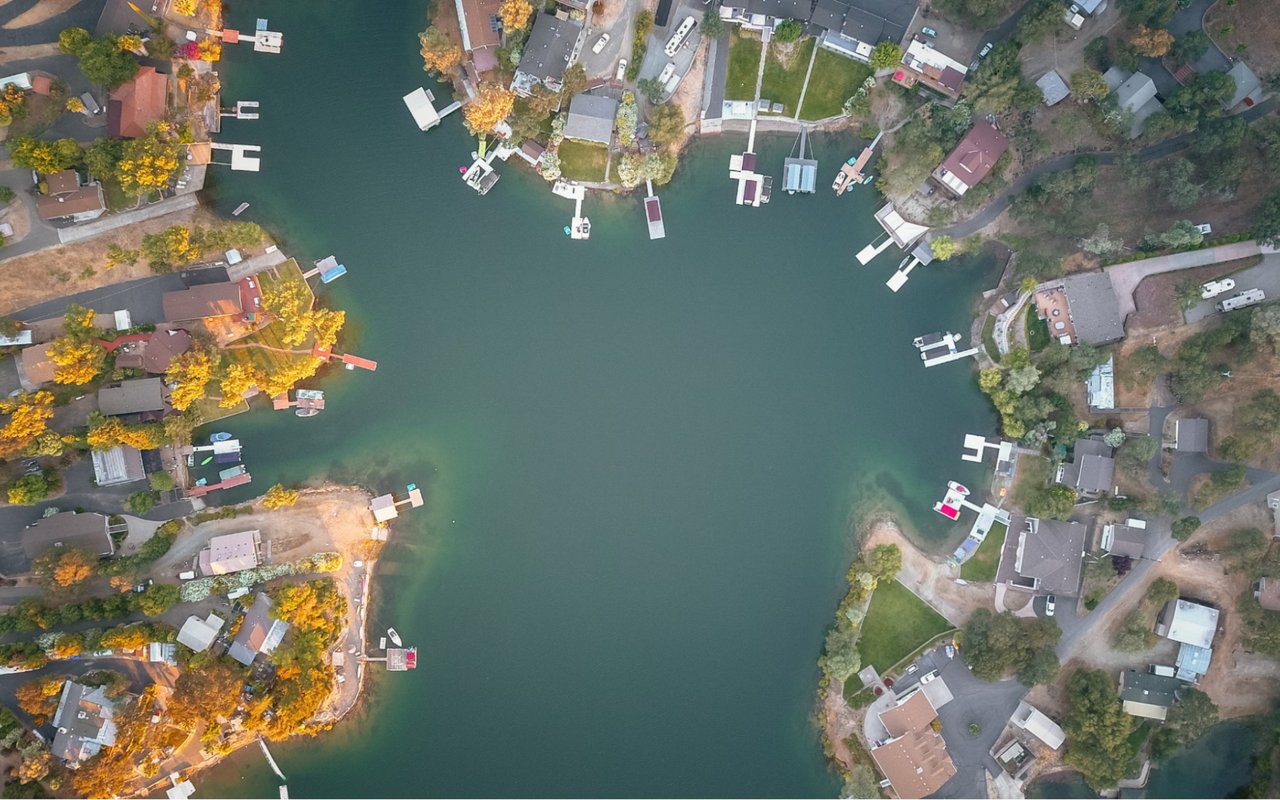
Lake Tapawingo is a small, incorporated city in Jackson County centered on an approximately 87‑acre private lake and a few hundred homes. It counted about 794 residents in the 2020 census. The private lake and amenities are managed by the City and the Lake Tapawingo Country Club/association. You can read more about the city’s background on Lake Tapawingo’s Wikipedia entry.
The lake is residents‑only. There are no public boat ramps, and the association controls launch and dock privileges. If you are considering a move, expect any shoreline use to be governed by Country Club/association rules. Learn more about the private‑access nature of the lake from this overview of Lake Tapawingo’s residents‑only lake status.
Many listings report an annual association fee commonly around $1,500. Always confirm the exact fee, coverage, and the association’s current name with the listing agent and the Country Club office before you set expectations.
What drives value on the lake
Waterfront vs near‑water vs inland
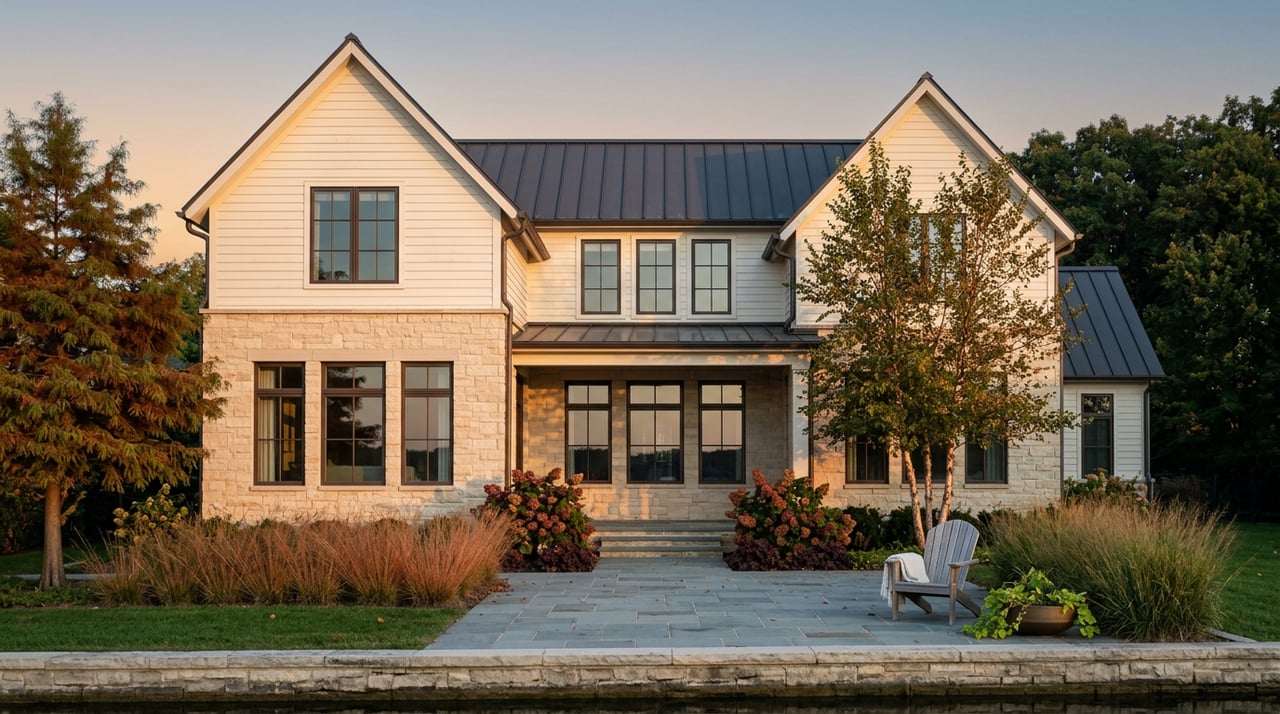
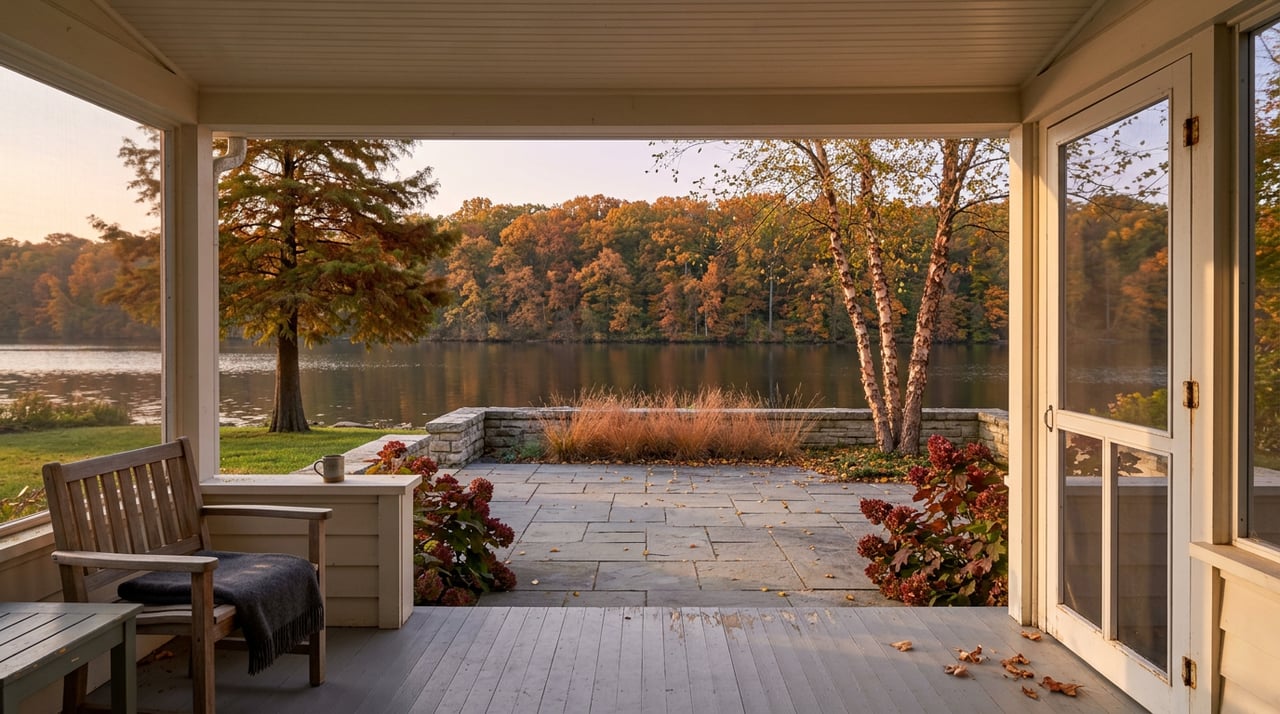
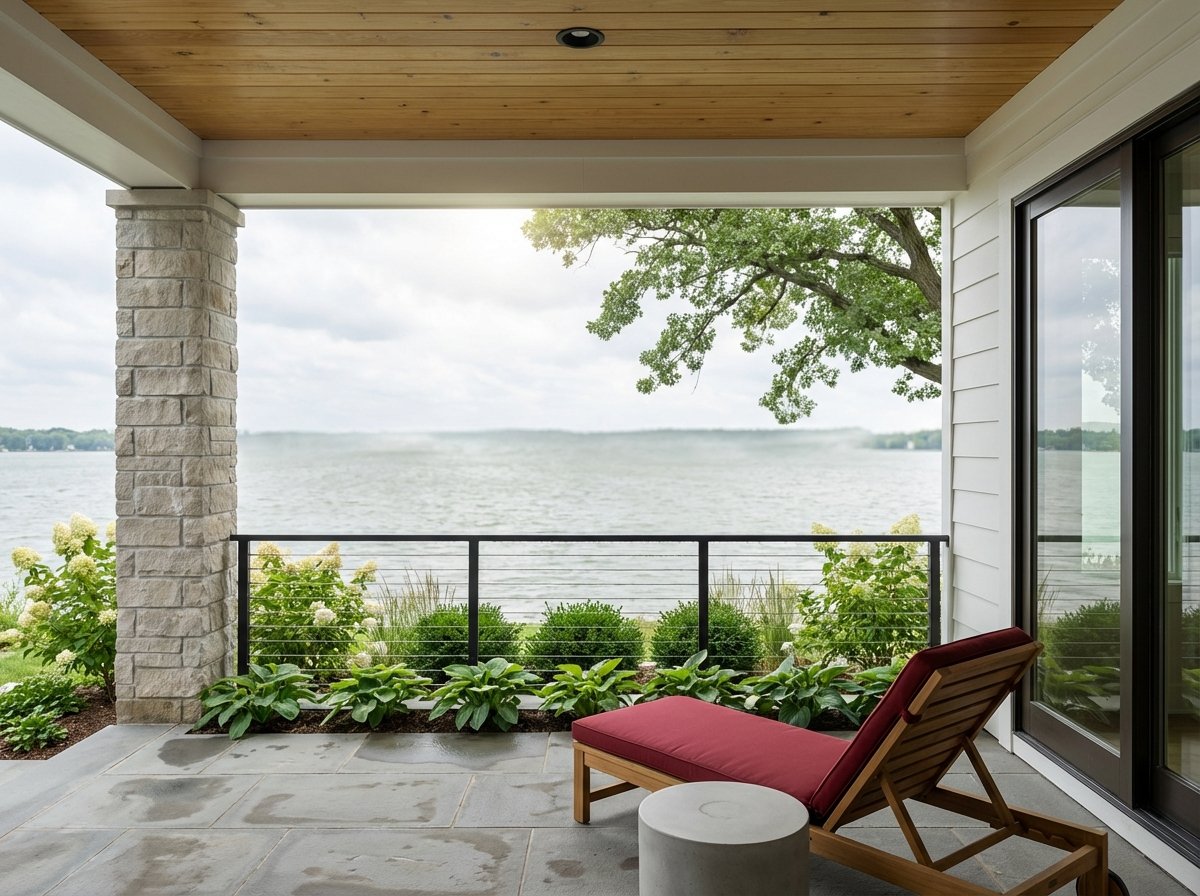
Waterfront homes command a clear premium because true shoreline is scarce and access is private. For Tapawingo, a dockable, direct‑access lot is usually the top tier. National analyses support that water views and proximity increase value, though you should size the premium with local comps. For background on how water views affect value, see this explainer on how lake views can increase home value.
Frontage, orientation, and view corridors
Feet of shoreline, sightlines, and orientation play a big role. Wider frontage with an open view often prices higher than a similar home with a narrow, shallow shoreline. West‑facing lots with sunset exposure can also be more desirable. When you compare sales, isolate comps that only differ by frontage or view to make clean adjustments.
Water depth and usable access
Usable depth matters if you plan to moor or launch a specific boat type. Shallow nearshore water can limit boat options, while deeper water at the dock end supports larger boats and can boost value. Small private lakes may not have official depth charts, so buyers and sellers often rely on disclosures, local knowledge, or a marine professional. A dock and shoreline specialist can help you assess conditions and costs; here’s a practical guide to dock components and related costs.
Docks, lifts, and condition
Dock type (fixed vs floating), lift capacity, cover type, and overall condition are material to value and to inspections. A permitted, well‑maintained dock with a reliable lift is a selling point. An aging or unsafe dock becomes a negotiation item. If you are buying, plan on a dedicated dock and lift evaluation. If you are selling, consider a pre‑listing marine inspection to remove uncertainty.
Shoreline protection and erosion
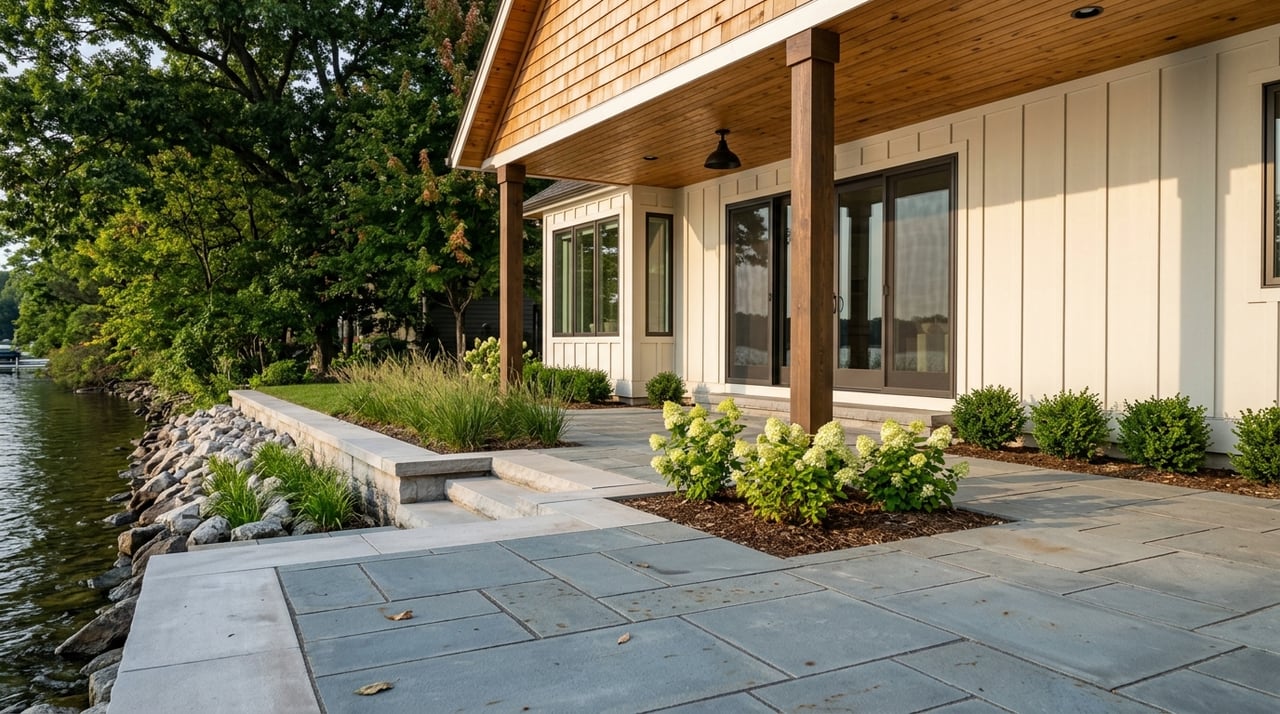
A stable shoreline protects your yard and your dock. Seawalls or riprap in good condition can support value, while erosion issues are expensive to address and can complicate insurance and closing. Sellers should disclose shoreline work and permits. For context on shoreline and dock repair considerations, review this guide to dock construction and related concerns.
Community amenities and governance
The Lake Tapawingo Country Club, clubhouse, and private lake patrols contribute to the lifestyle. Some lake communities limit dock construction, issue stickers or permits, and manage boat launch procedures. Confirm what the association controls early in your process. The Country Club’s site is a good starting point to contact the office and review association materials.
Pricing and inventory reality
Lake Tapawingo is a small market with limited annual sales, which means headline stats from national portals can swing widely quarter to quarter. Use them as context, then lean on a tight set of recent, local comps.
What you can generally expect by price band:
- Entry level or lots and very small cabins often land under 200,000 dollars.
- Mid range homes, including many year‑round properties and strong near‑water locations, often run 200,000 to 450,000 dollars.
- Most standard waterfront homes typically fall in the 400,000 to 750,000 dollar range, depending on frontage, view, and dock.
- Premium or larger, heavily upgraded lakefronts can exceed 750,000 dollars. Because these are rare, price them by recent comparable waterfront sales rather than broad averages.
Waterfront inventory is thin, and many owners hold long term. A well‑presented lakefront listing can draw strong interest quickly, while other homes may take longer due to the unique features buyers compare at the lake.
Timing your move
Lake buyers tend to shop when the water is active and easy to evaluate. Around Lake Tapawingo, more showings often line up in late spring and early summer when docks are in and shoreline landscaping shows well. If you can, plan your photography and listing debut for a window when the lake is presentable and the property’s outdoor spaces shine.
Buyer due diligence checklist
Use this list to write a strong offer and reduce surprises:
- Verify association rules and boat policies. Contact the Country Club to confirm dock approvals, sticker programs, and launch procedures. Start with the Lake Tapawingo Country Club site.
- Order a dedicated dock, lift, and shoreline inspection. Ask for lift service records and confirm winterization status. This practical primer covers dock components and repair cost factors.
- Confirm flood exposure early. Order a flood‑zone determination and review local floodplain rules so you understand permit needs if work is required. The city’s code library provides floodplain regulation context.
- Get a title survey for shoreline encroachments and to confirm riparian rights. Ask your agent to request the full HOA packet and check for any first‑right‑of‑refusal language.
- Verify utilities. If the property is not on municipal sewer or water, arrange for septic and well inspections.
- Obtain insurance quotes before finalizing your offer. Waterfront homes may carry higher premiums, and standard policies may limit coverage for docks and lifts. This overview explains how insurance costs can shift for properties near water.
Seller pre‑listing checklist
Reduce friction and protect your price by preparing these items before you hit the market:
- Assemble an HOA packet. Include rules, recent minutes, assessments, and boat or dock policies so buyers can review them early. Start with the Country Club’s contact page.
- Pre‑inspect your dock and shoreline. Take care of minor safety items, get repair quotes for bigger issues, and consider a marine inspection report to build buyer confidence. This dock guide outlines common issues and cost drivers.
- Document winterization and service. Provide invoices and notes for lifts, dock power, and exterior plumbing. For a quick refresher, review these Lake Tapawingo winterization tips for homes, docks, and lifts.
- Prepare a comp set that isolates waterfront vs non‑waterfront. Highlight frontage, view corridors, dock condition, shoreline improvements, and recent permits.
Common inspection and permitting pitfalls
Expect buyers and inspectors to focus on these items:
- Structural dock issues. Rotted framing, loose pilings, or corroded fasteners typically require a marine contractor and can alter negotiations. Use a specialist to document condition and costs. See this primer on dock construction and repairs.
- Electrical safety at the dock. Faulty or missing GFCI protection and improper wiring are serious safety issues that often must be corrected by a licensed electrician.
- Lift mechanics. Winches, motors, and controls that were not winterized can fail and become a credit request. Keep service logs handy.
- Shoreline erosion and flood exposure. Failing seawalls or riprap are expensive to fix and can affect insurance and lender requirements. Review the city’s floodplain regulations early so you understand potential permits.
- Permits and title items. Confirm dock permits, shoreline work approvals, easements, and any recorded association restrictions. Some HOA documents may include a first‑right‑of‑refusal clause, so request the full packet up front.
Insurance and lending basics
Waterfront properties can face higher homeowners and flood insurance premiums, and standard policies may exclude or cap coverage for docks and lifts. Lenders will require flood insurance if the property is in a designated FEMA flood zone. Get quotes early so you understand how coverage affects affordability and negotiating power. For context, review this overview of insurance considerations for homes near water.
Work with a lake‑savvy local team
On a small, private lake, details drive outcomes. Your pricing hinges on comp selection and unique features like frontage and water depth. Your negotiations swing on dock inspections, shoreline condition, and insurance requirements. And your timing should align with when the property looks its best.
You do not have to navigate all of that alone. Our team pairs premium marketing with systems‑driven communication, so you get clear strategy and smooth execution from list to close. If you are weighing a move in Lake Tapawingo, let’s talk through your goals, timeline, and the best path to market.
Ready to get started? Connect with Bryan Huff for a local game plan tailored to your property.
FAQs
What is Lake Tapawingo and how is it governed?
- Lake Tapawingo is an incorporated city in Jackson County, Missouri, built around an approximately 87‑acre private lake. The City and the Lake Tapawingo Country Club/association manage amenities and lake use. Learn more on Wikipedia’s Lake Tapawingo page.
Is there public access to Lake Tapawingo for boating or fishing?
- No. Lake Tapawingo is a private, residents‑only lake with association‑controlled boat launch and dock privileges and no public ramps. See the residents‑only lake overview.
How are docks and lifts regulated in Lake Tapawingo?
- The association controls dock permissions and lake use rules. Before you buy or sell, confirm dock approvals, sticker programs, and launch procedures with the Country Club office. Start at the Lake Tapawingo Country Club site.
What inspections should I order for a lakefront home at Lake Tapawingo?
- In addition to a standard home inspection, arrange a dedicated dock, lift, and shoreline inspection, including electrical safety checks and lift operation. This dock guide explains common issues and repair cost factors.
Will I need flood insurance for a Lake Tapawingo property?
- It depends on the property’s FEMA flood zone. Order a flood‑zone determination early and review the city’s floodplain regulations. Get insurance quotes in advance, as premiums can be higher for waterfront homes and some policies limit coverage for docks and lifts. See this overview of insurance considerations near water.