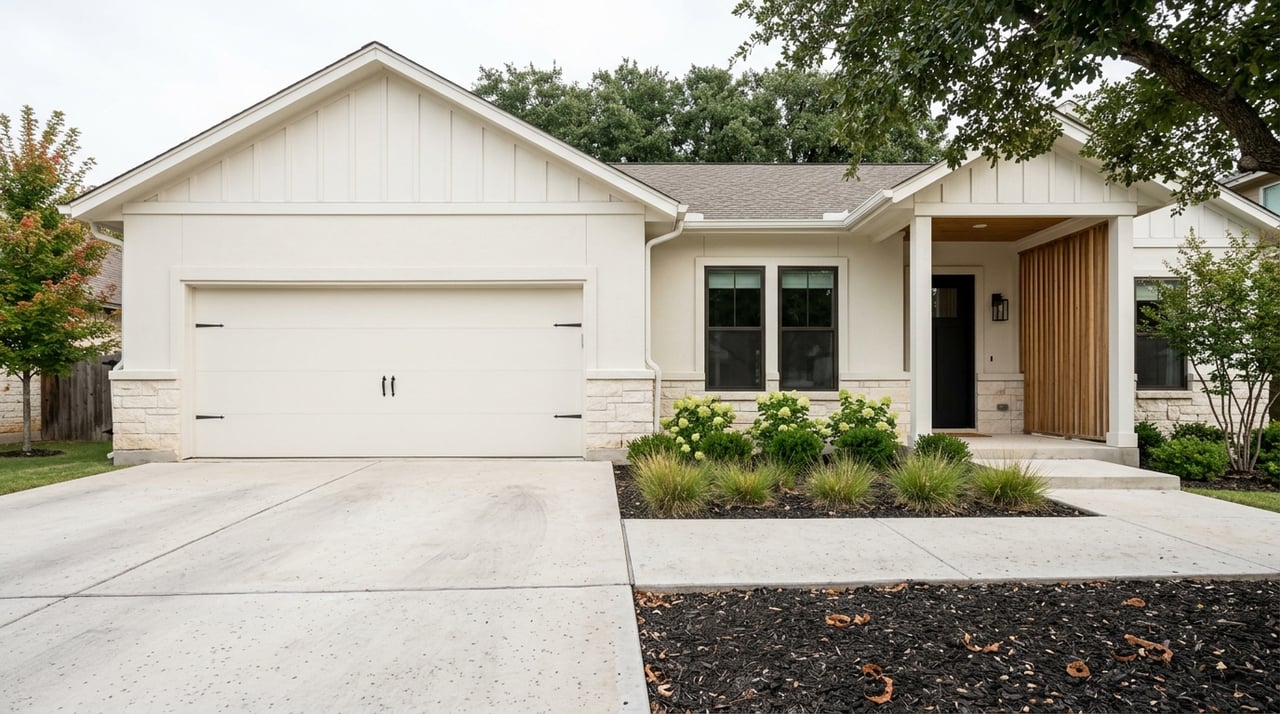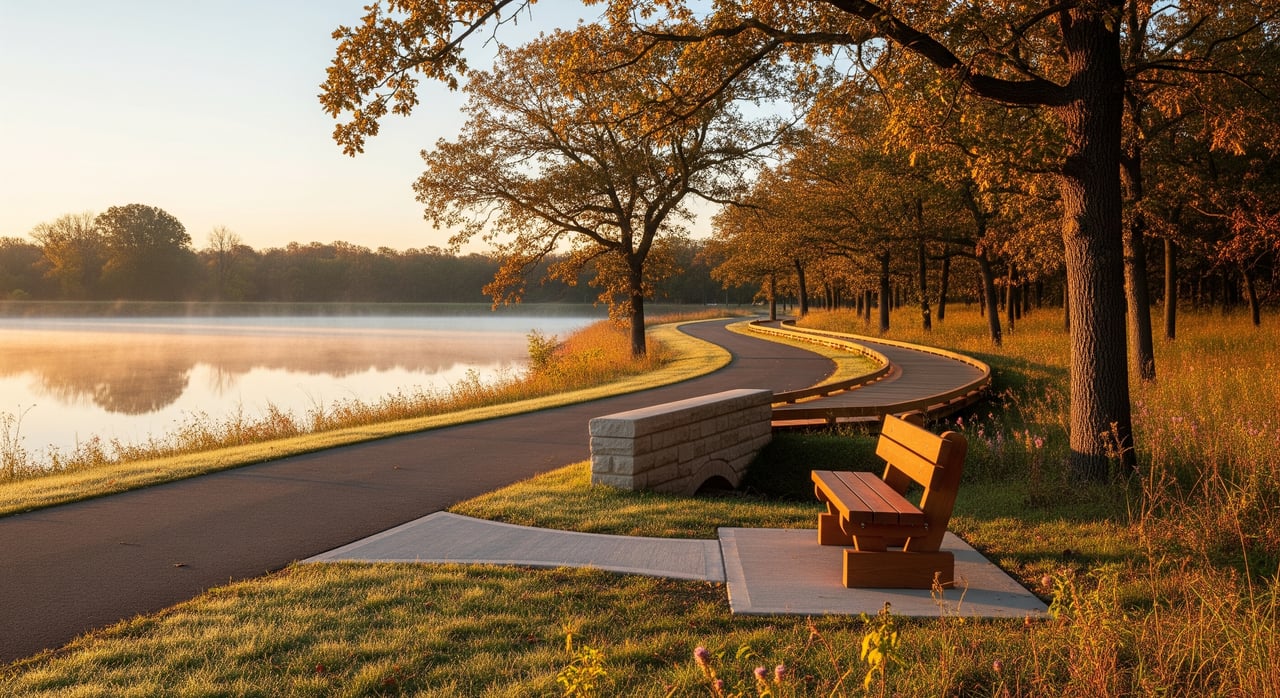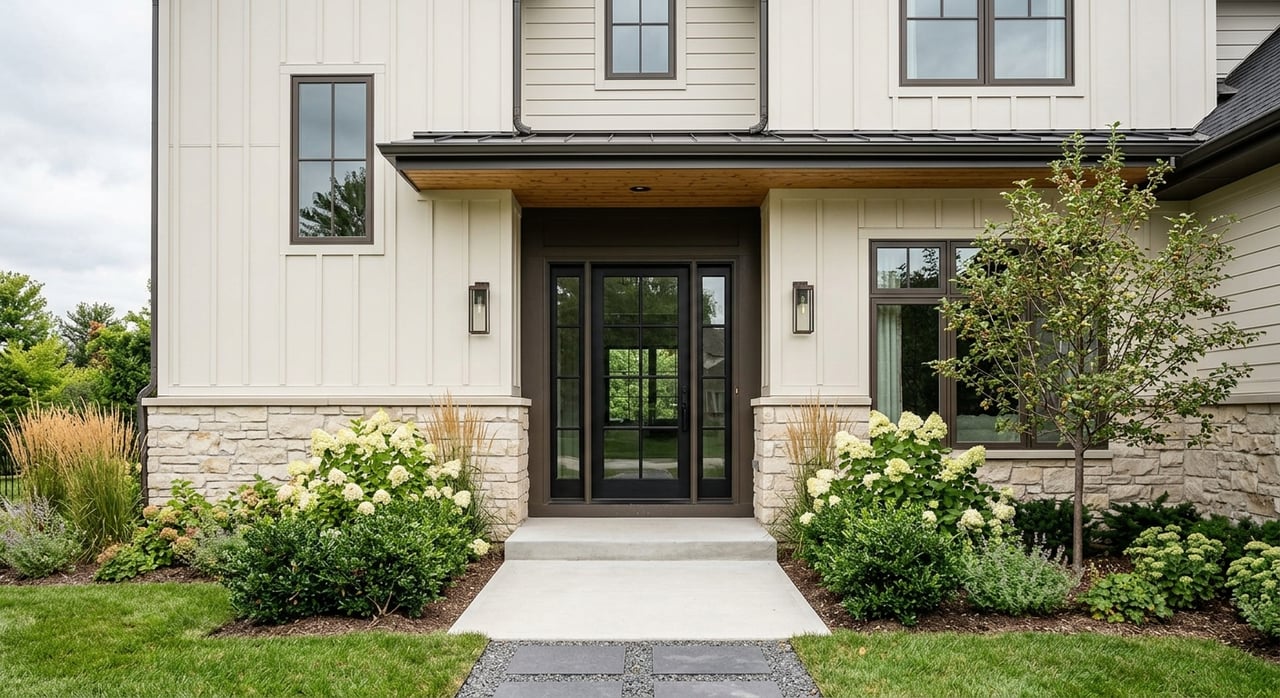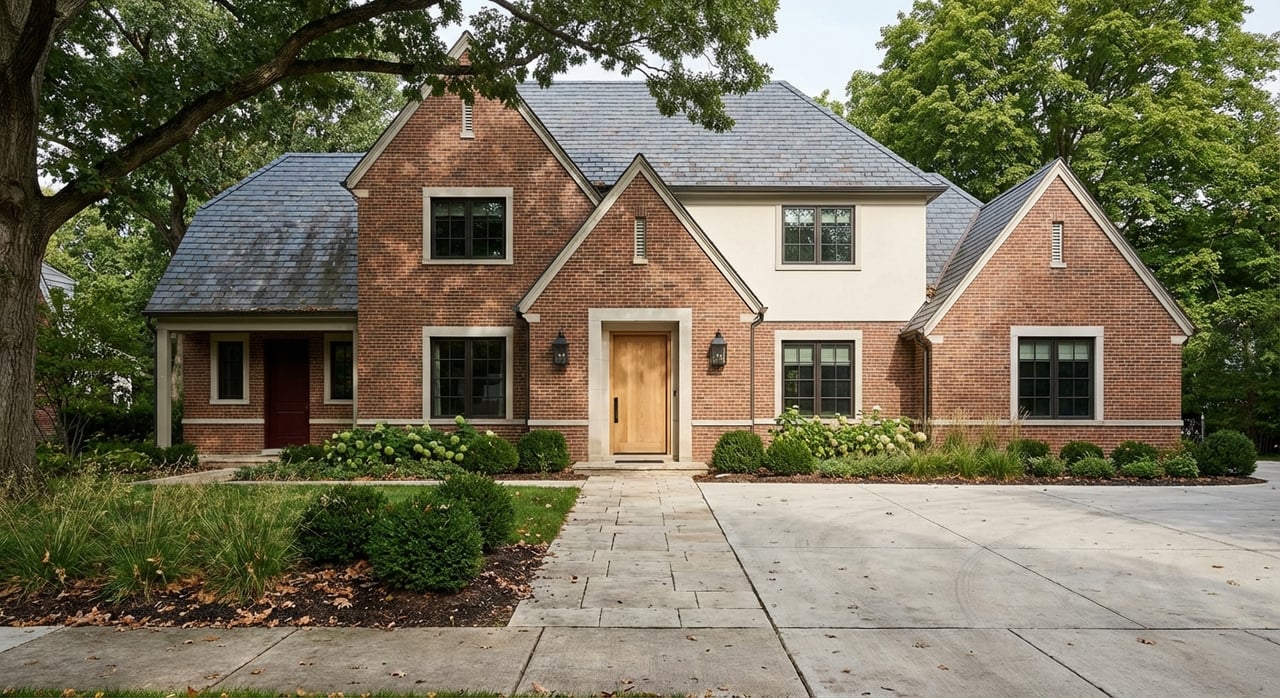
If you picture a neighborhood of winding streets, sculpted landscaping, and stately homes near the heart of Kansas City, Mission Hills likely comes to mind. You want a place with timeless curb appeal, strong stewardship, and quick access to both cultural spots and Johnson County job centers. In this guide, you’ll get a clear look at Mission Hills’ history, home styles, lifestyle, market signals, and practical tips to help you buy or sell with confidence. Let’s dive in.
Mission Hills at a glance
Mission Hills is a small city in northeast Johnson County with deep roots in Kansas City’s planning history. The city describes itself as a planned “garden community,” and that identity still shapes daily life and the built environment today. You’ll find curated streetscapes, classic public features, and a focus on long-term preservation of character. The city’s overview and its planning documents reflect these priorities.
Mission Hills incorporated in 1949 and had a population of about 3,594 in the 2020 Census. Public profiles place the current population in the mid-3,500s. Income measures are very high compared with county and state averages, with some variance due to small sample sizes. For context, see the Wikipedia overview and the Census Reporter profile.
How planning shaped the place
Mission Hills grew from J.C. Nichols’ Country Club District vision in the 1910s and 1920s. Drawing on Garden City and City Beautiful concepts, Nichols used curving roads, setbacks, fountains, and strict siting to create a refined suburb. Those choices were not just aesthetic. They built a lasting framework for privacy, green space, and property value stability.
Today, the city continues to use design guidelines, setback controls, and lot-coverage formulas to protect scale, tree canopy, and streetscape quality. If you plan to renovate or build, expect a clear design-review path. For a deeper look at these origins and policies, explore the city’s comprehensive plan draft and design guidance in the Mission Hills Comprehensive Plan.
Neighborhood layout and lots
Mission Hills has informal sub-areas that reflect its development timeline:
- North of roughly 63rd Street, often called “old Mission Hills,” you’ll see many early estate homes on larger lots, including parcels over one acre.
- South in areas like Belinder Hills, Indian Hills, and Sagamore Hills, postwar subdivisions introduced more mid-century homes on smaller, but still generous, lots.
The city carefully manages redevelopment and lot mergers because out-of-scale changes can alter neighborhood character. If you are considering a major addition or a teardown, factor in design guidelines and zoning early in your planning. The lot-size patterns and policy context are mapped and explained in the comprehensive plan.
Architectural styles you’ll notice
Mission Hills reads like an architecture tour. You’ll encounter:
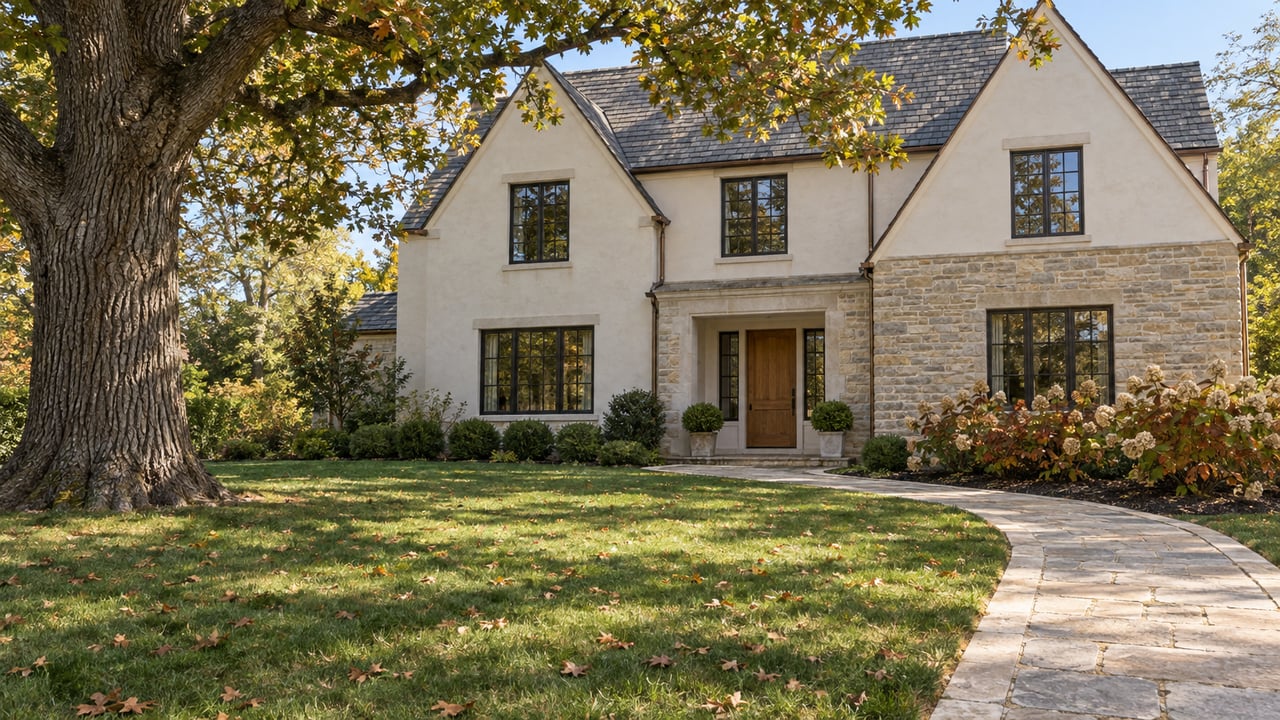
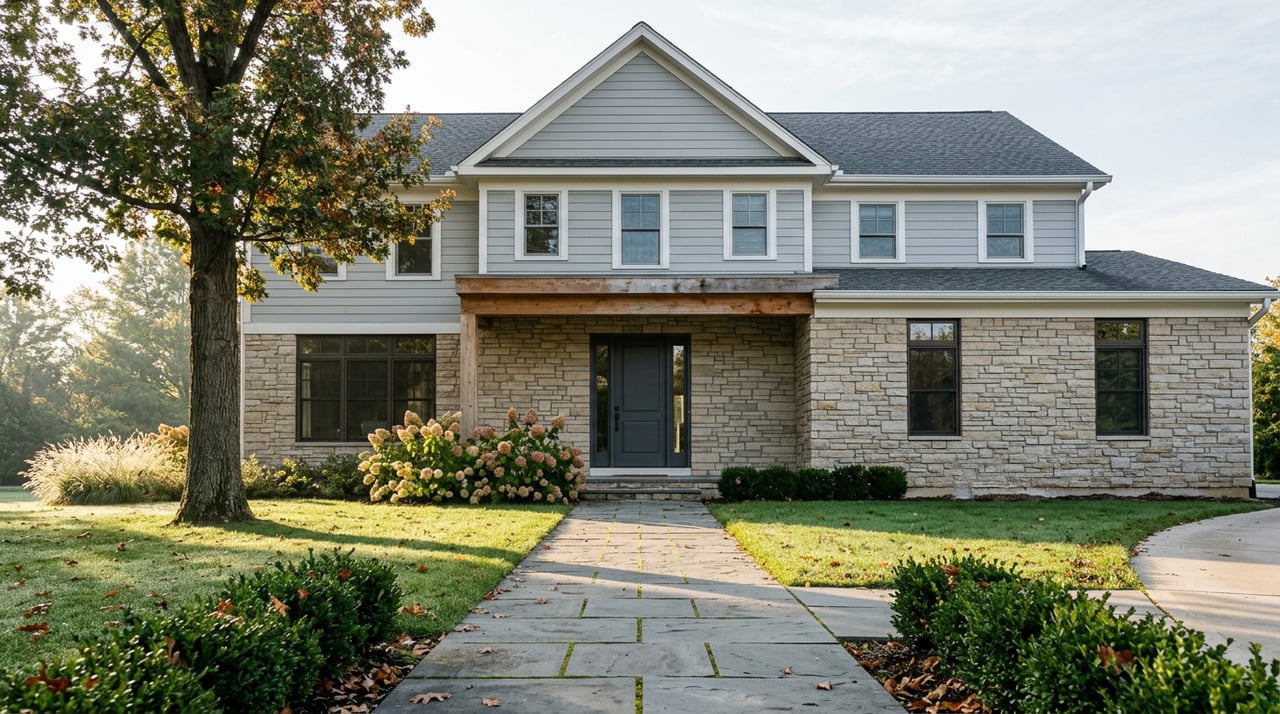
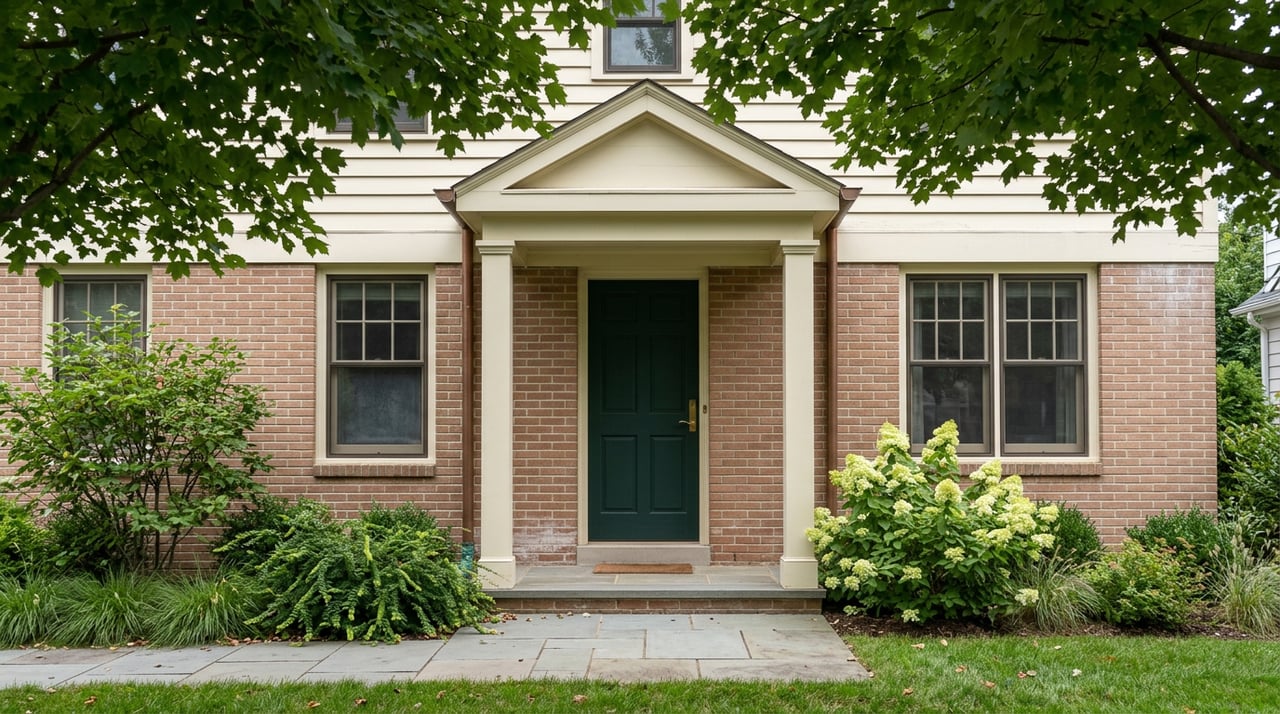
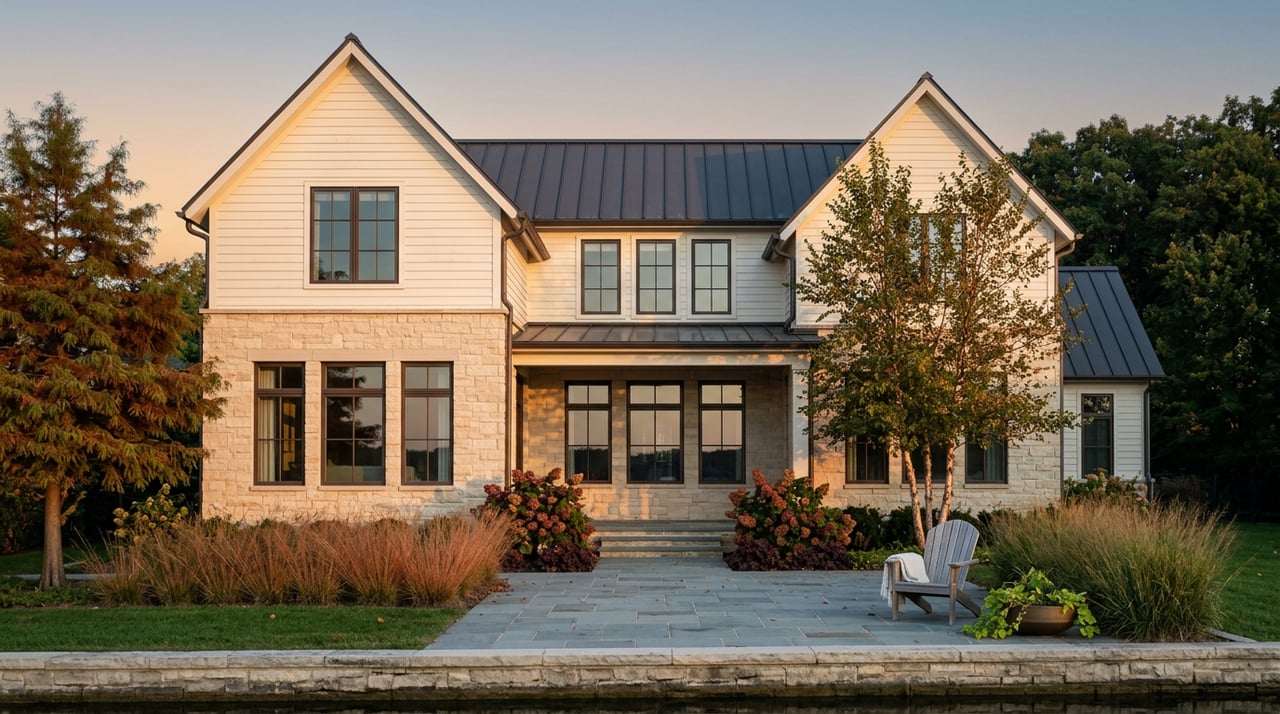
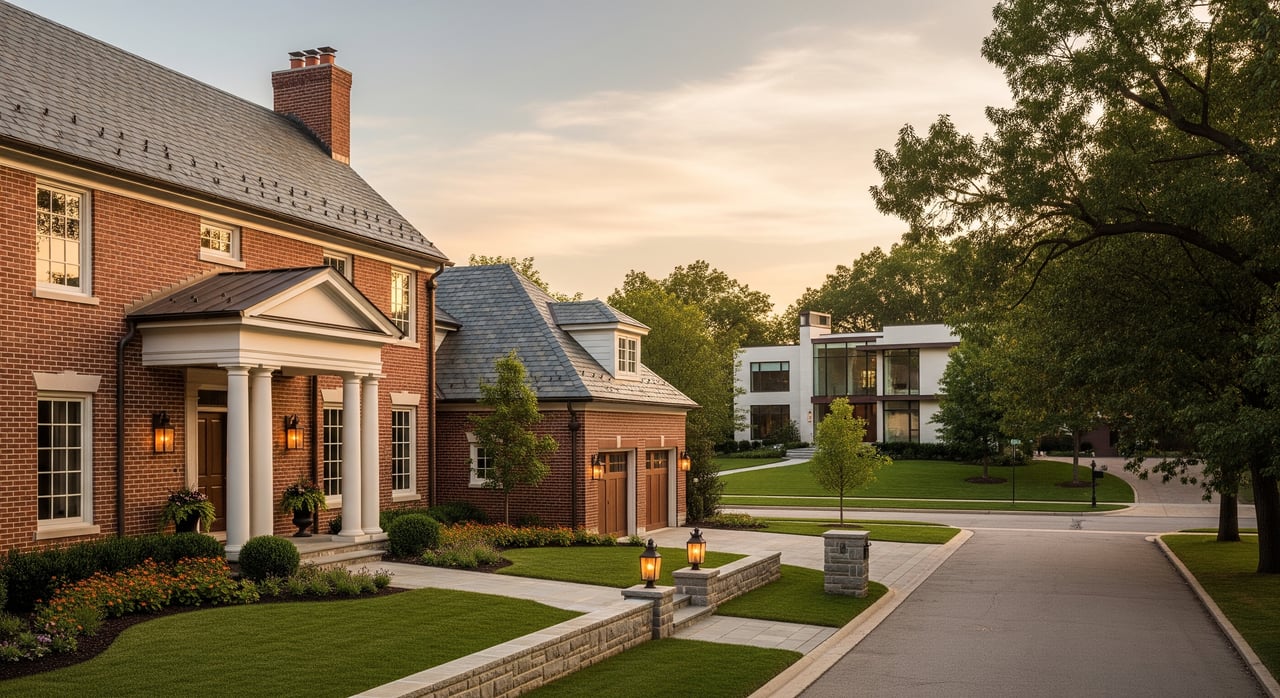
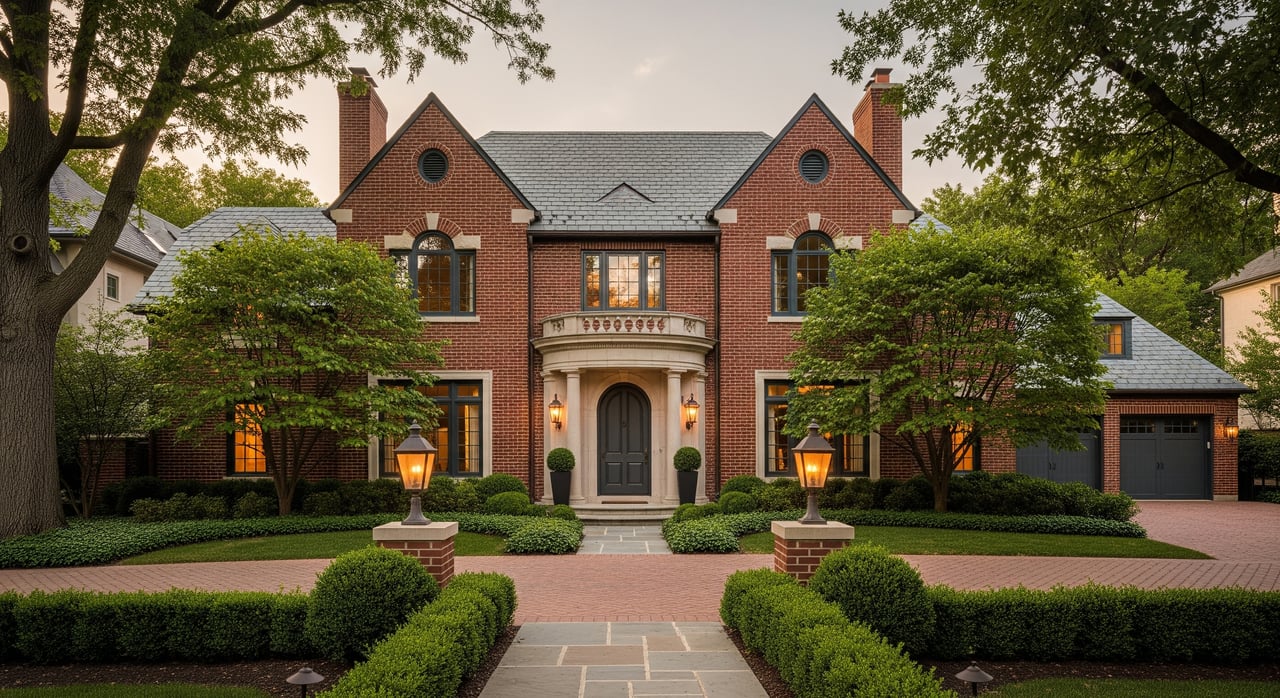
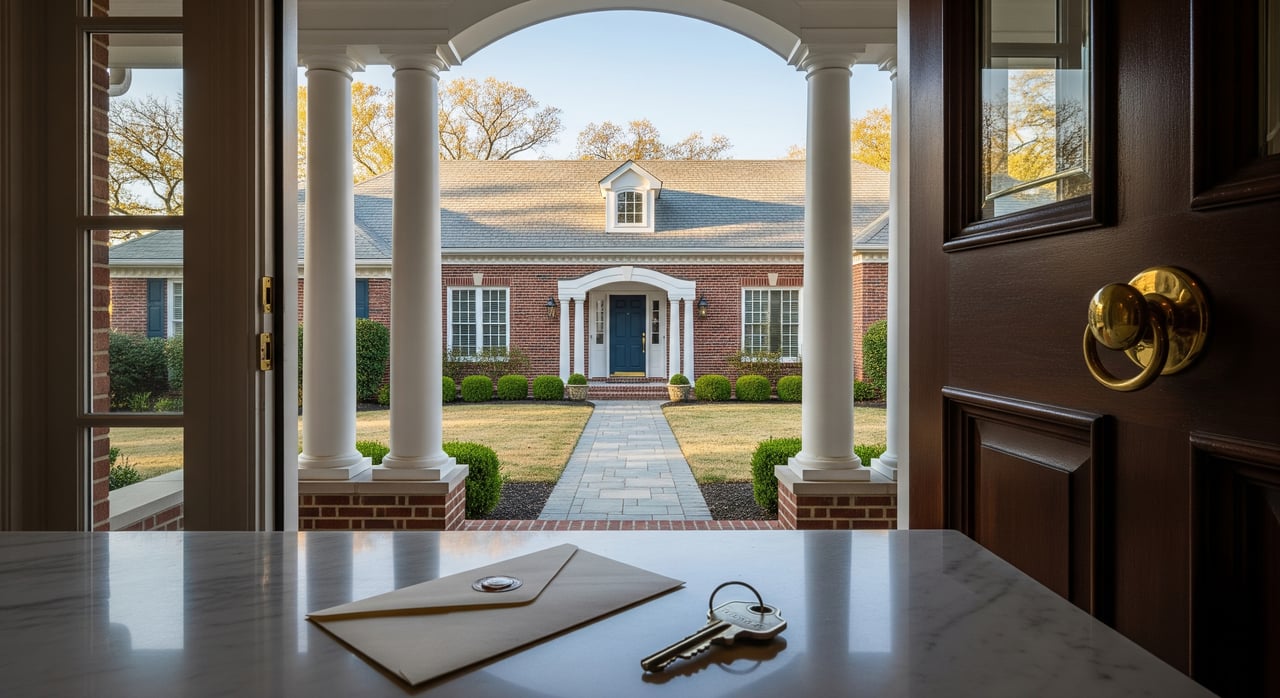
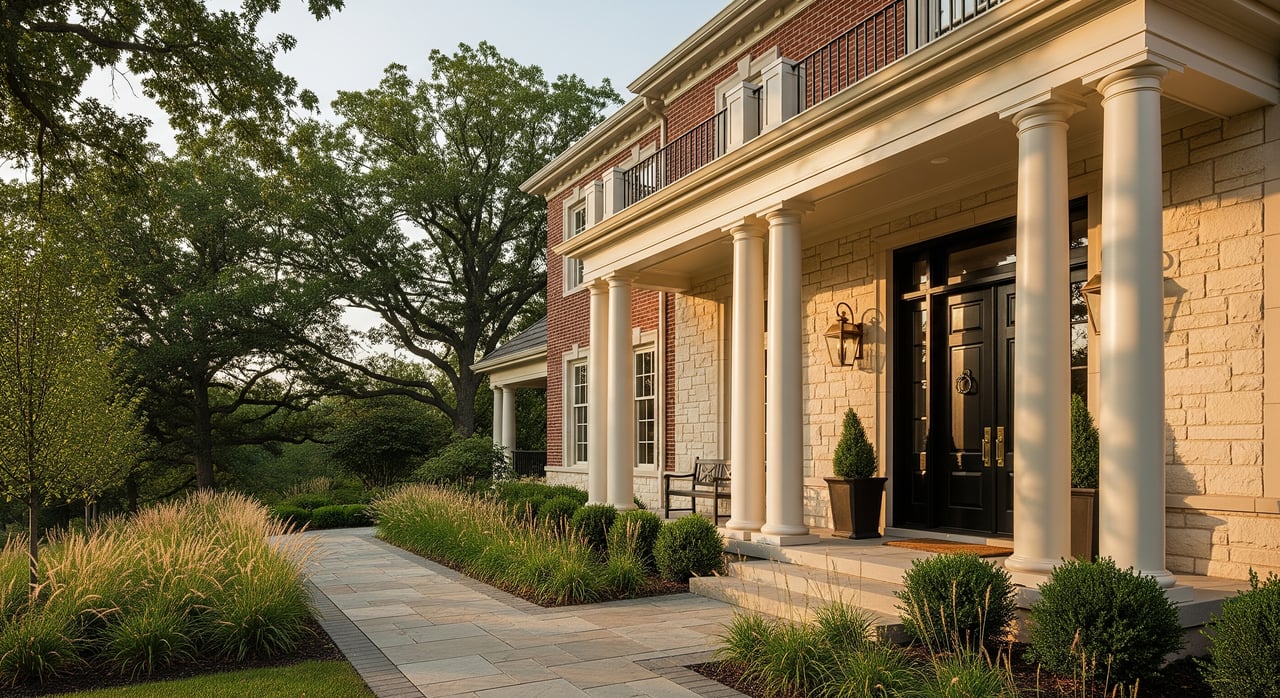
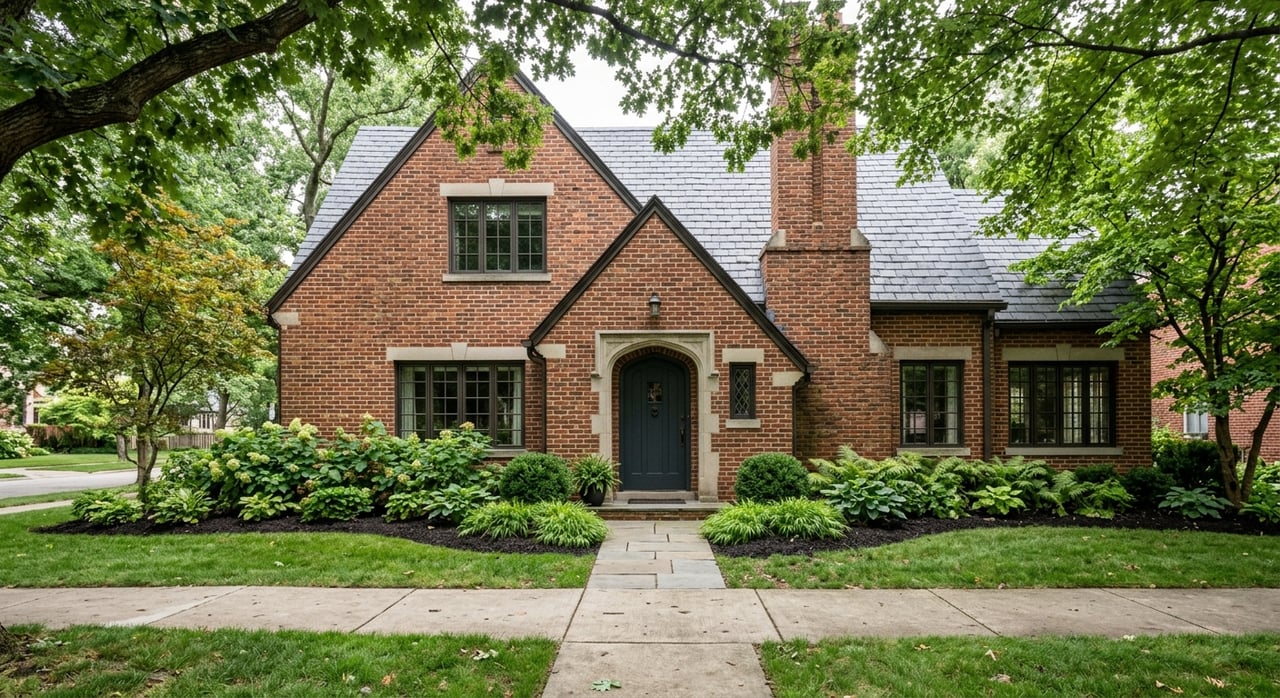
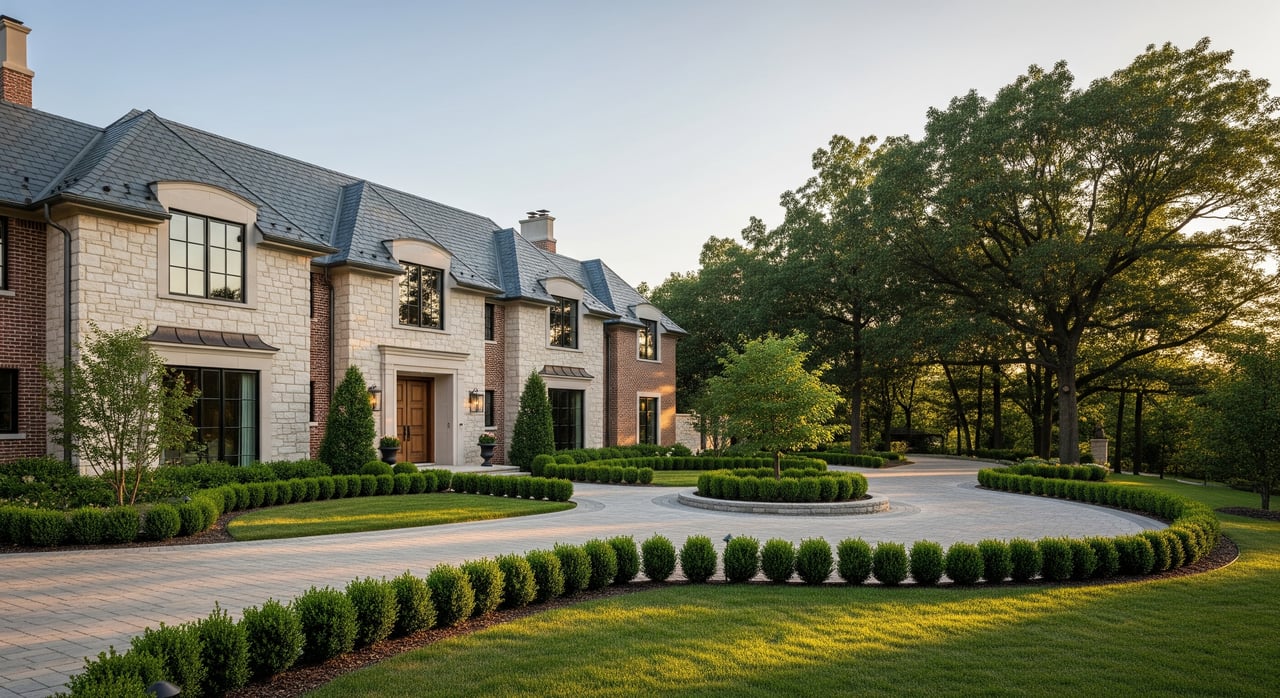
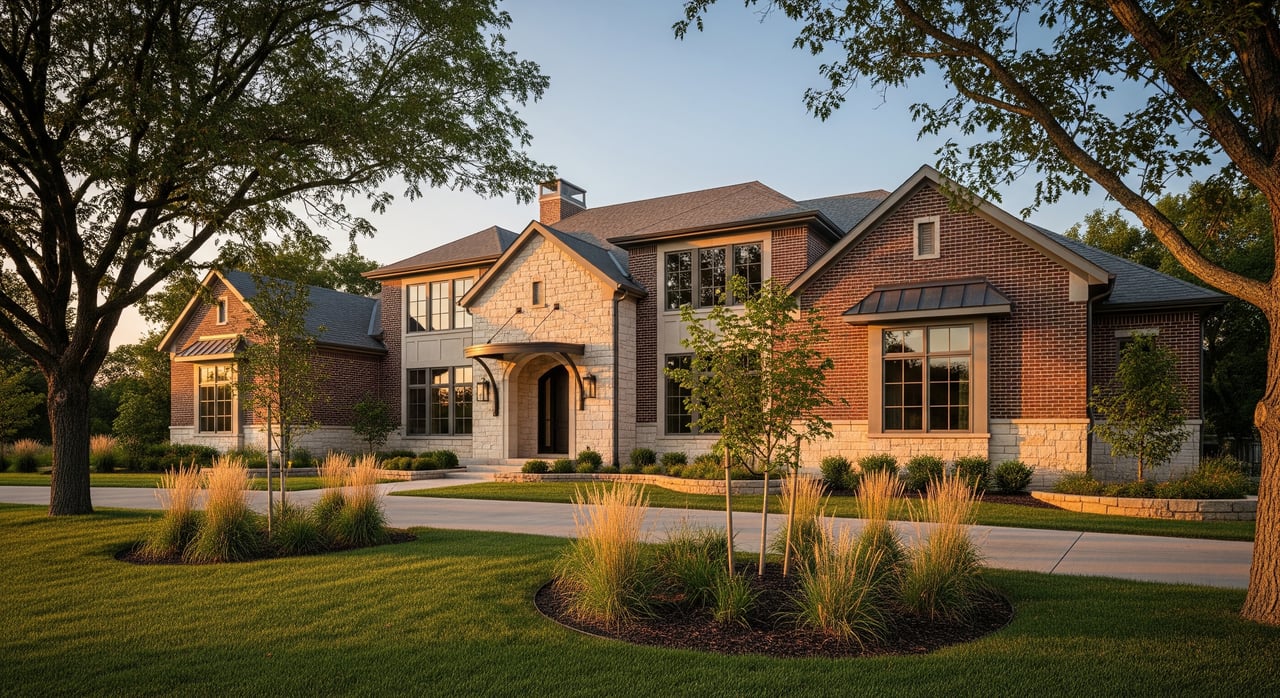
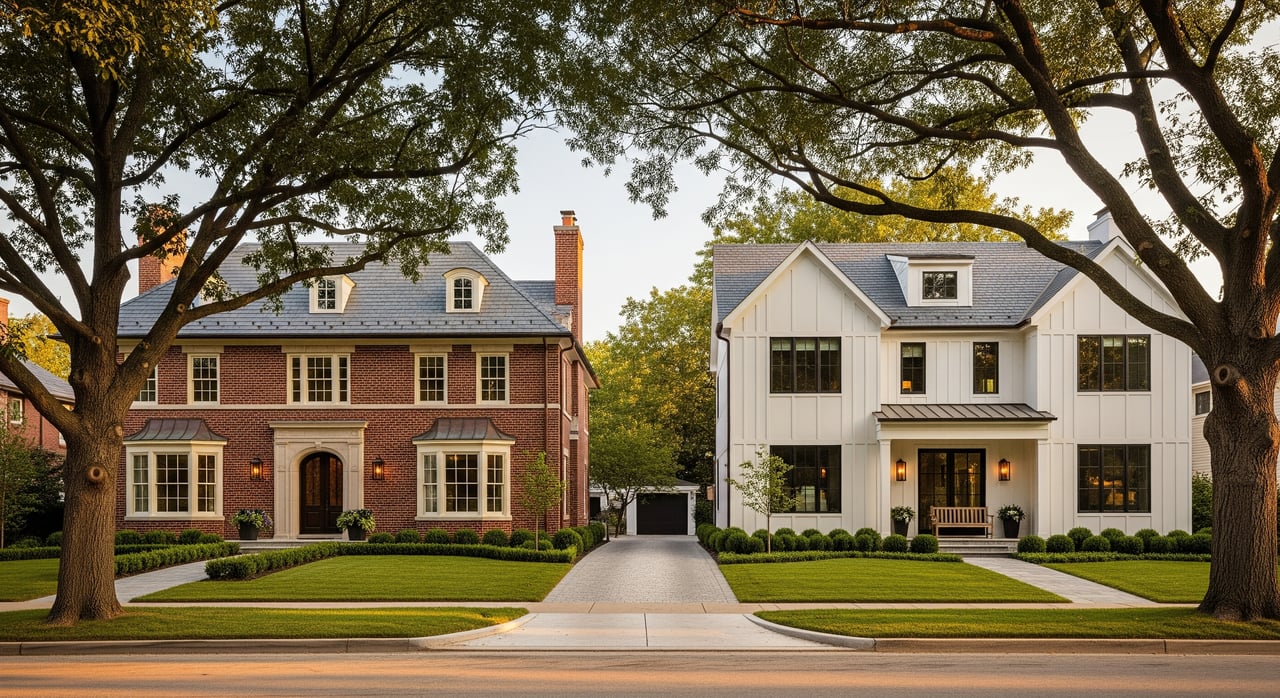
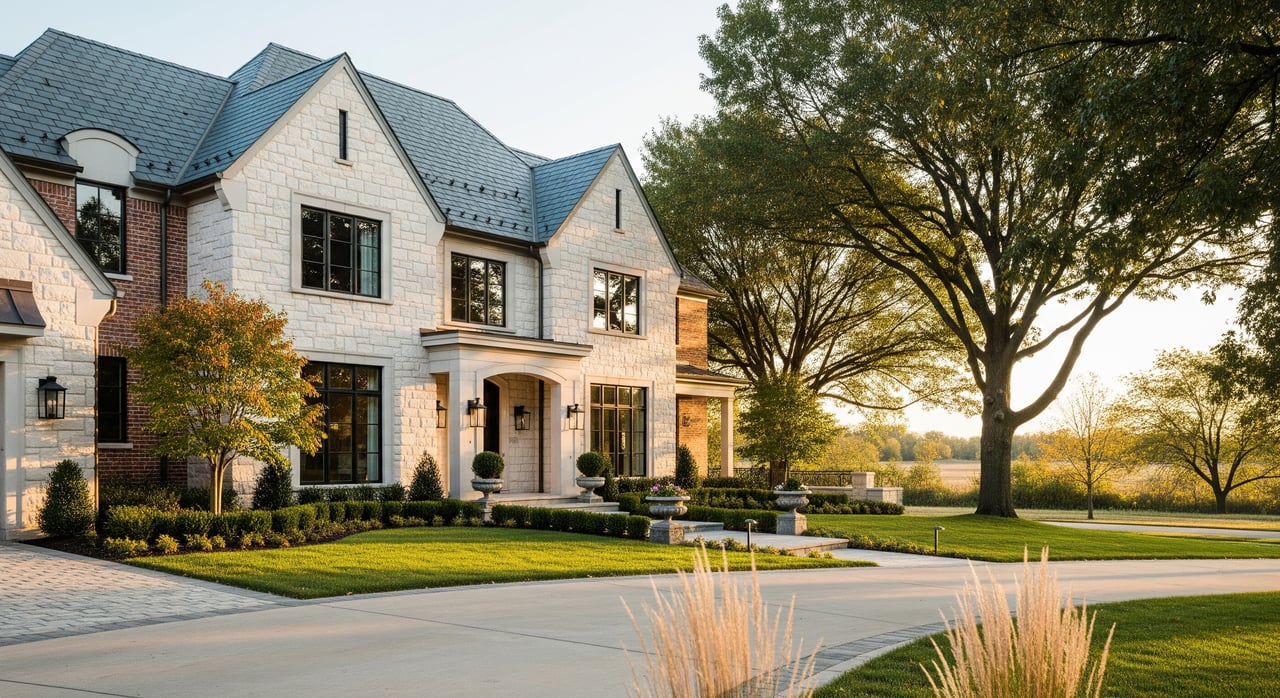
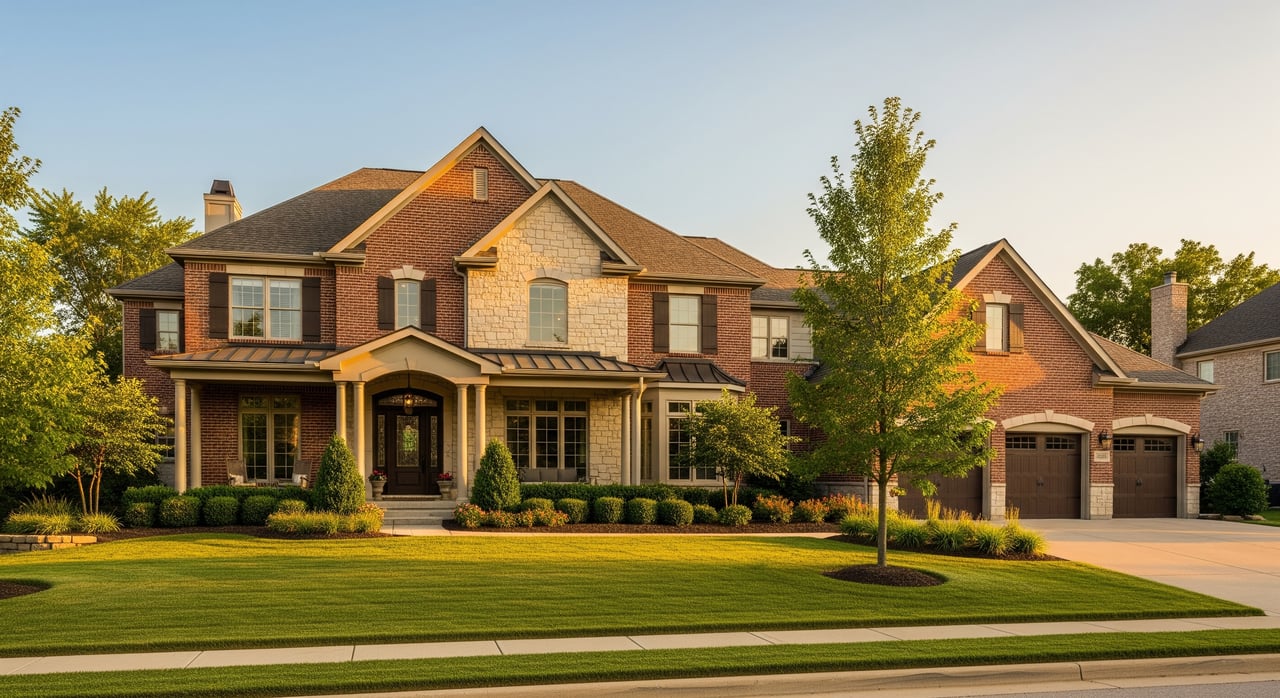
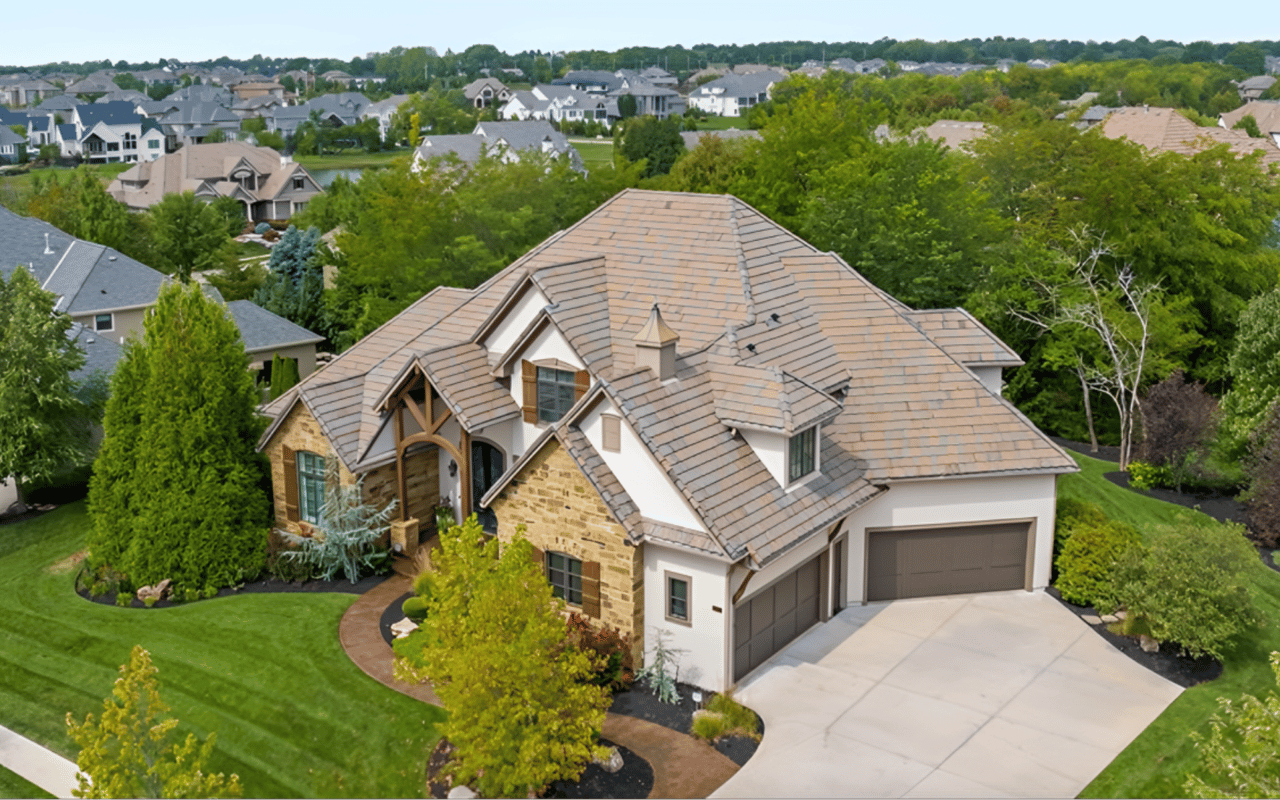
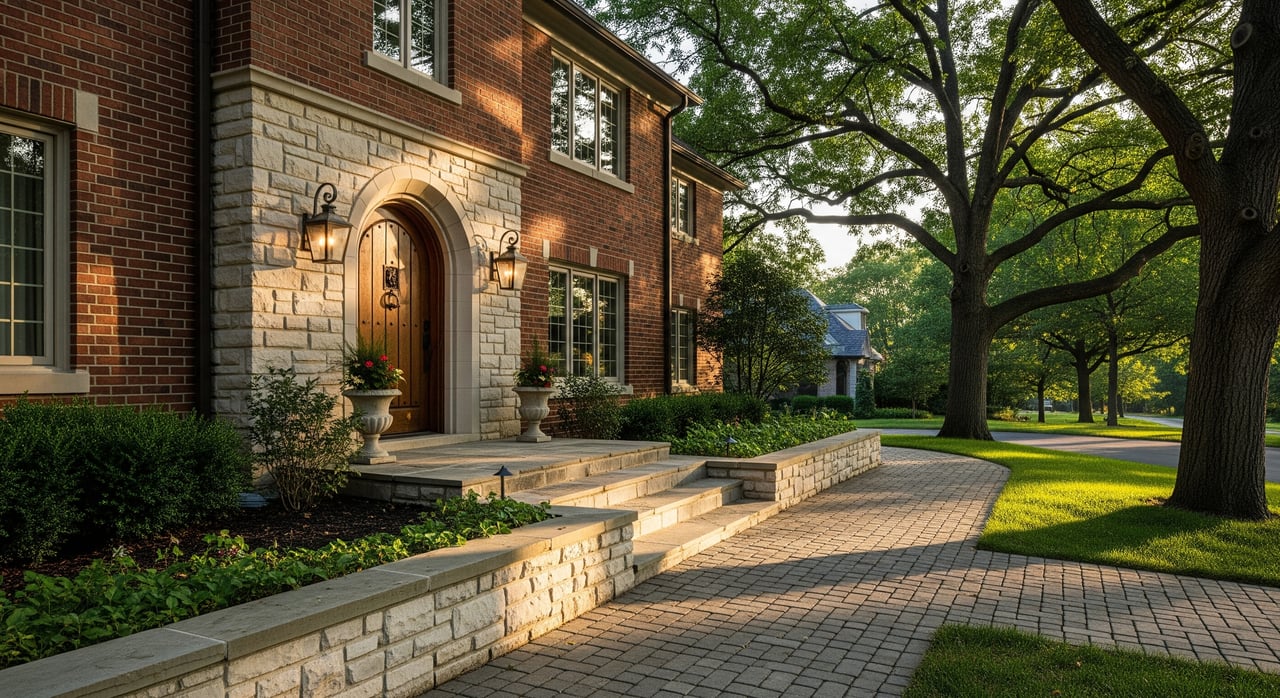
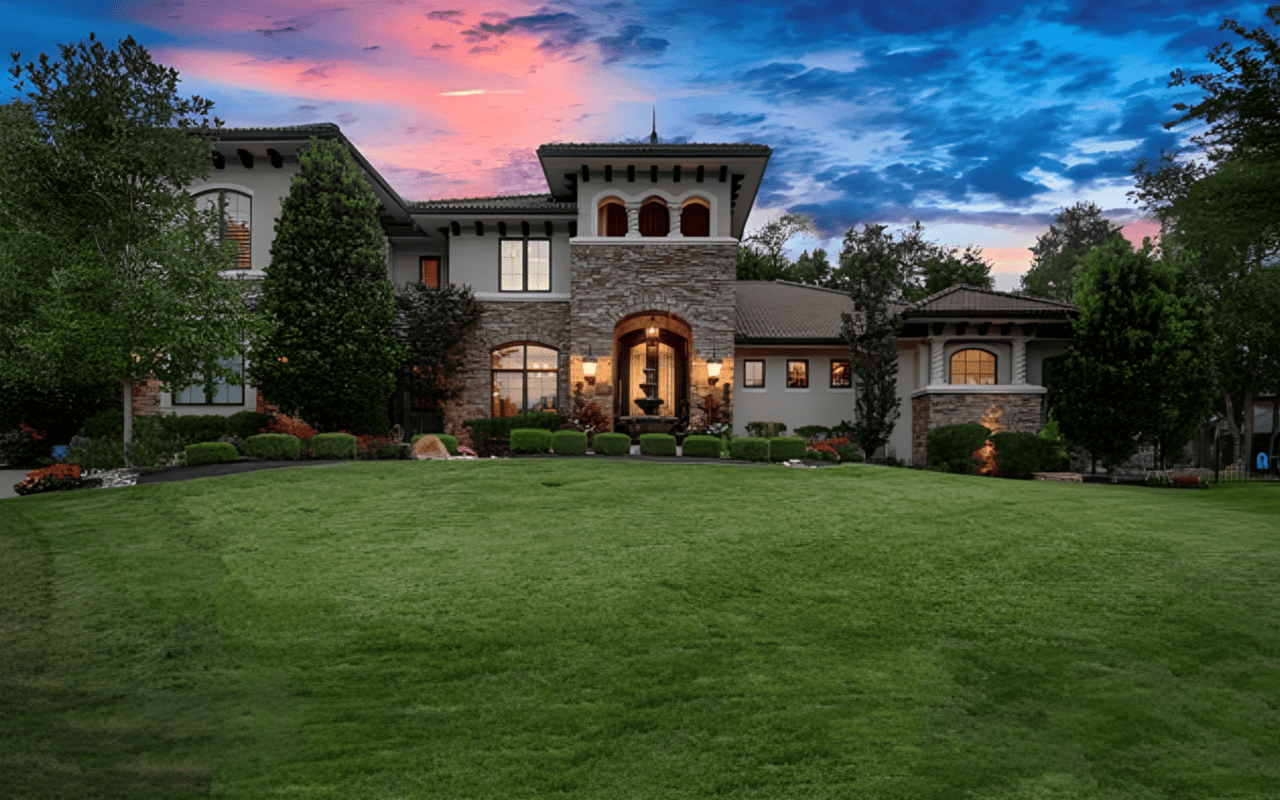
- Historic-era homes from the 1910s to 1930s, including Italian villas, English manors, and French-inspired estates. Expect stone or brick façades, formal proportions, and gardens designed to pair with the home’s massing.
- Mid-century homes from the 1940s through the 1970s in later subdivisions, often with modern conveniences highlighted in original marketing.
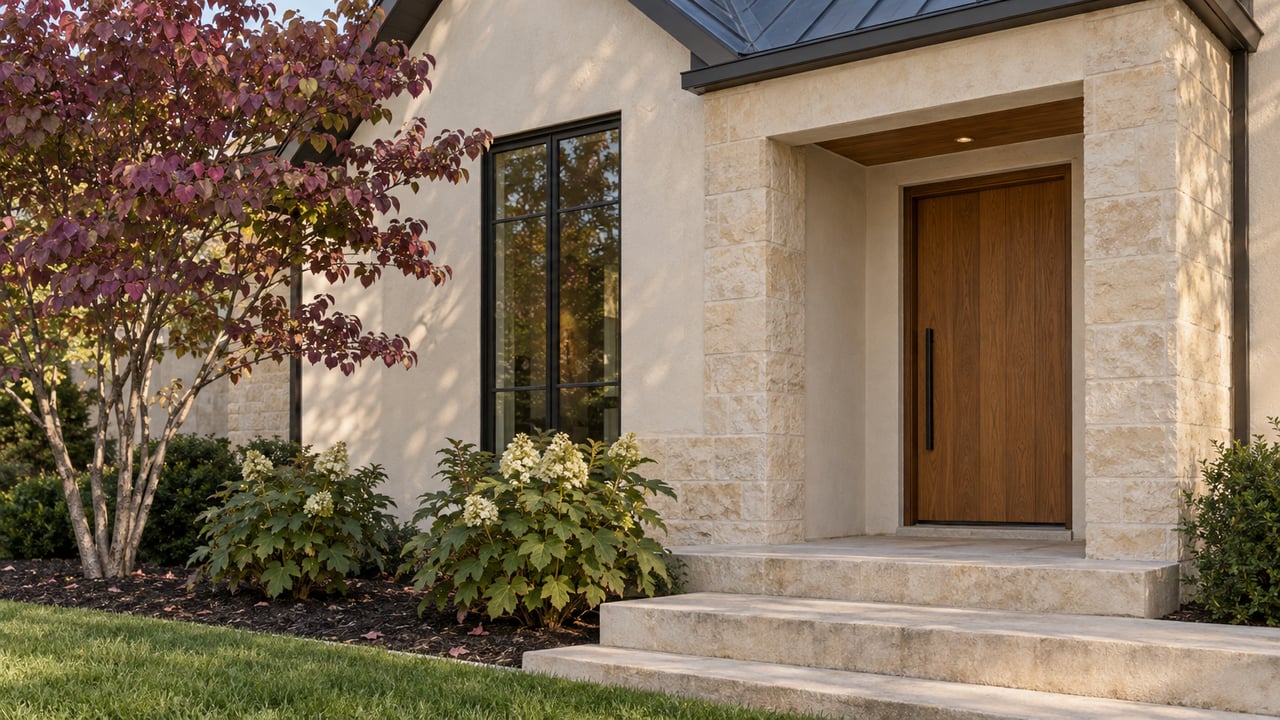
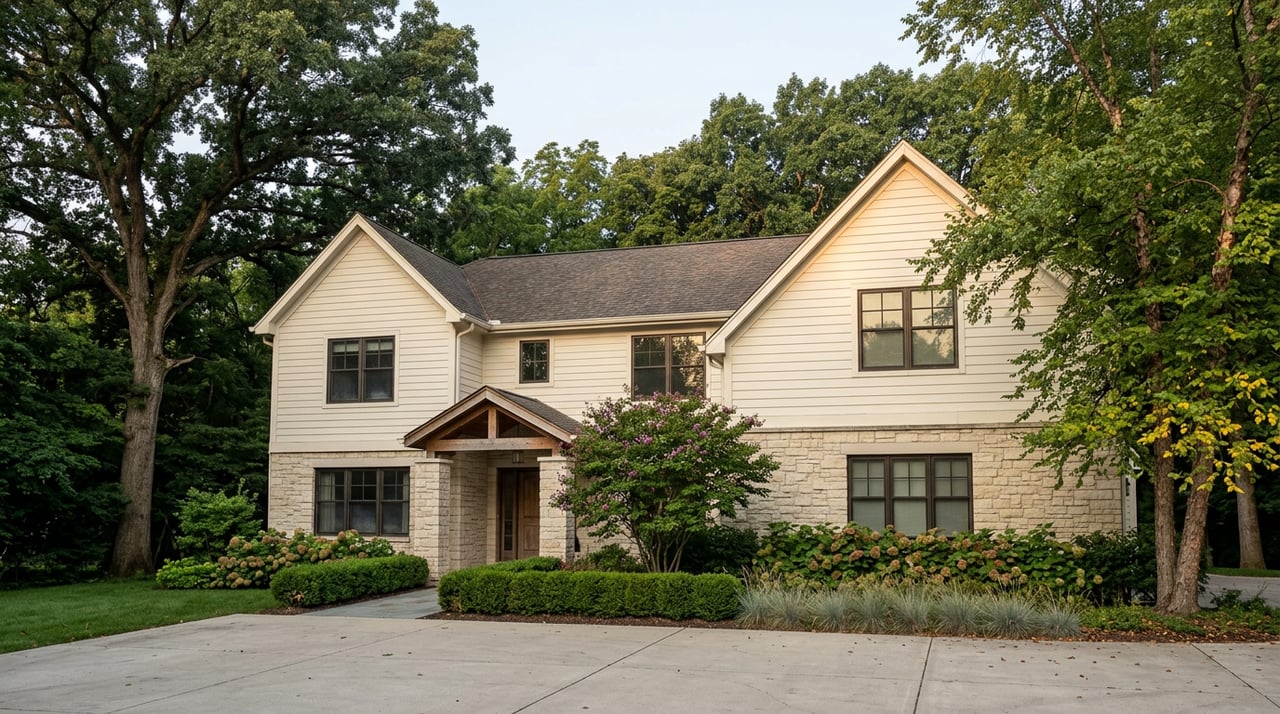
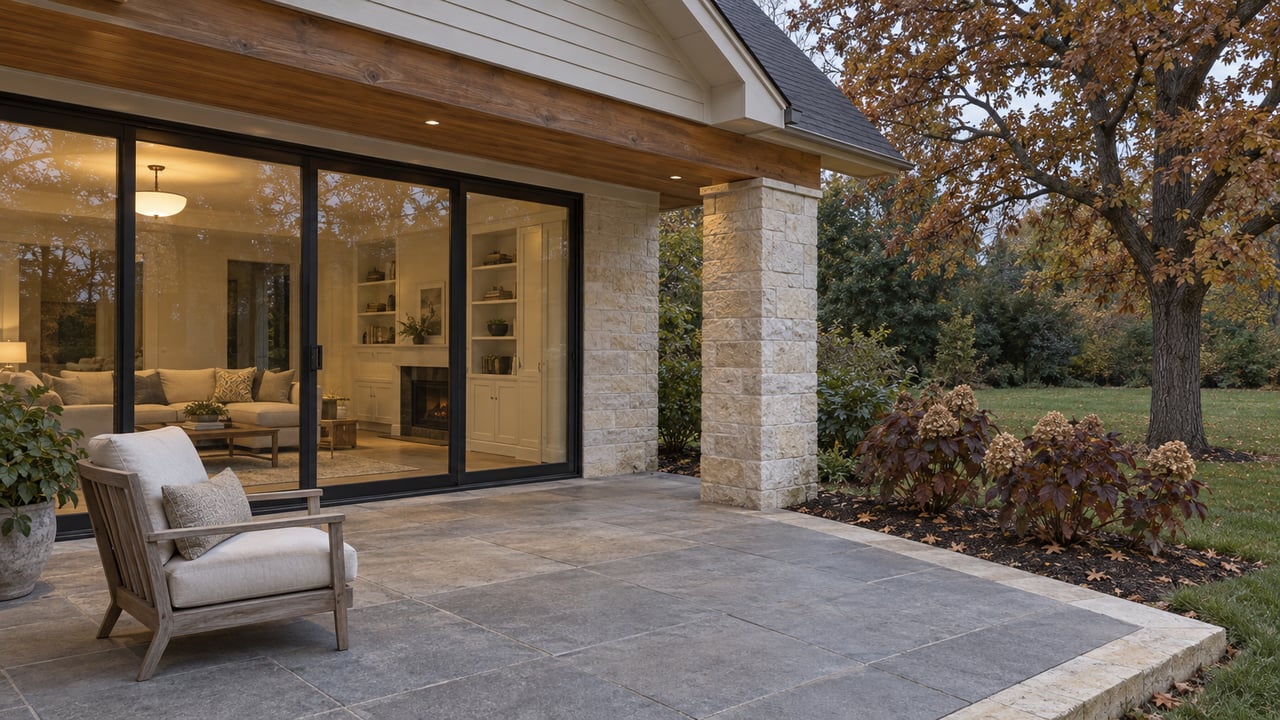
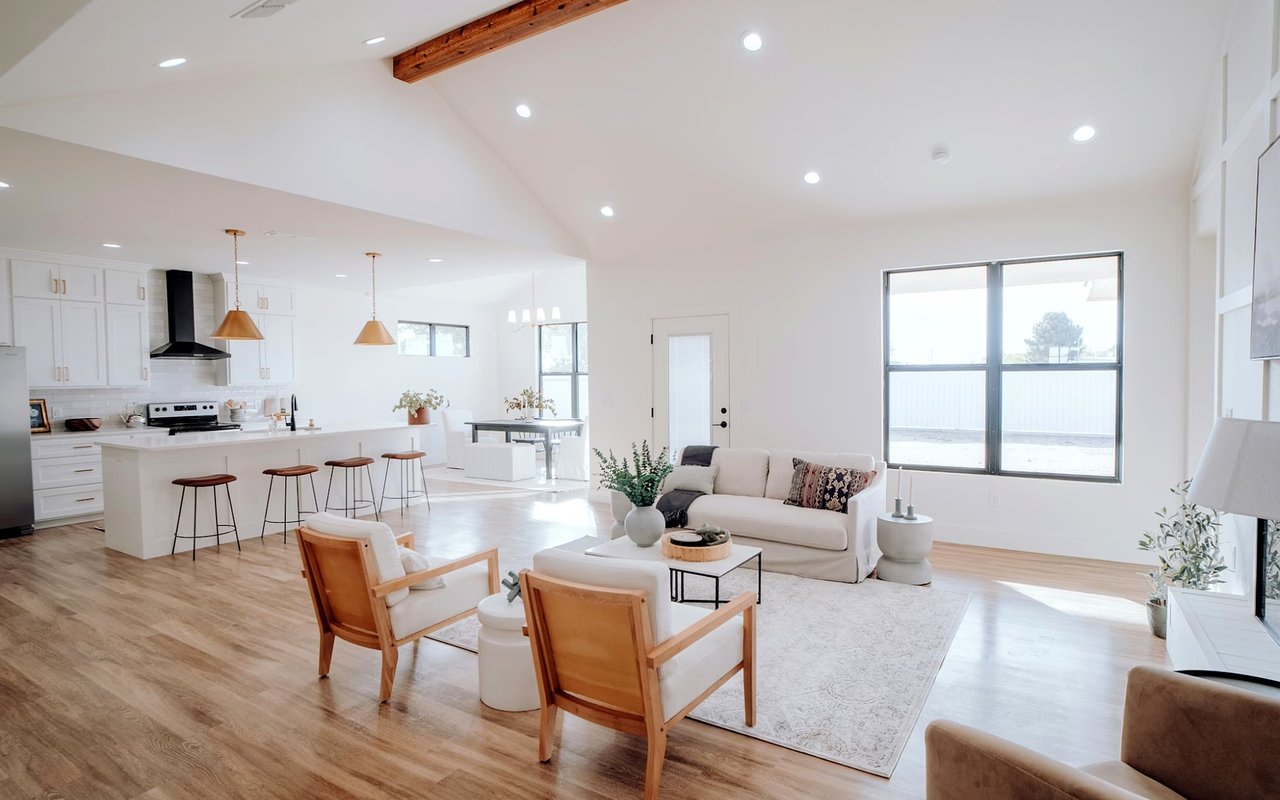
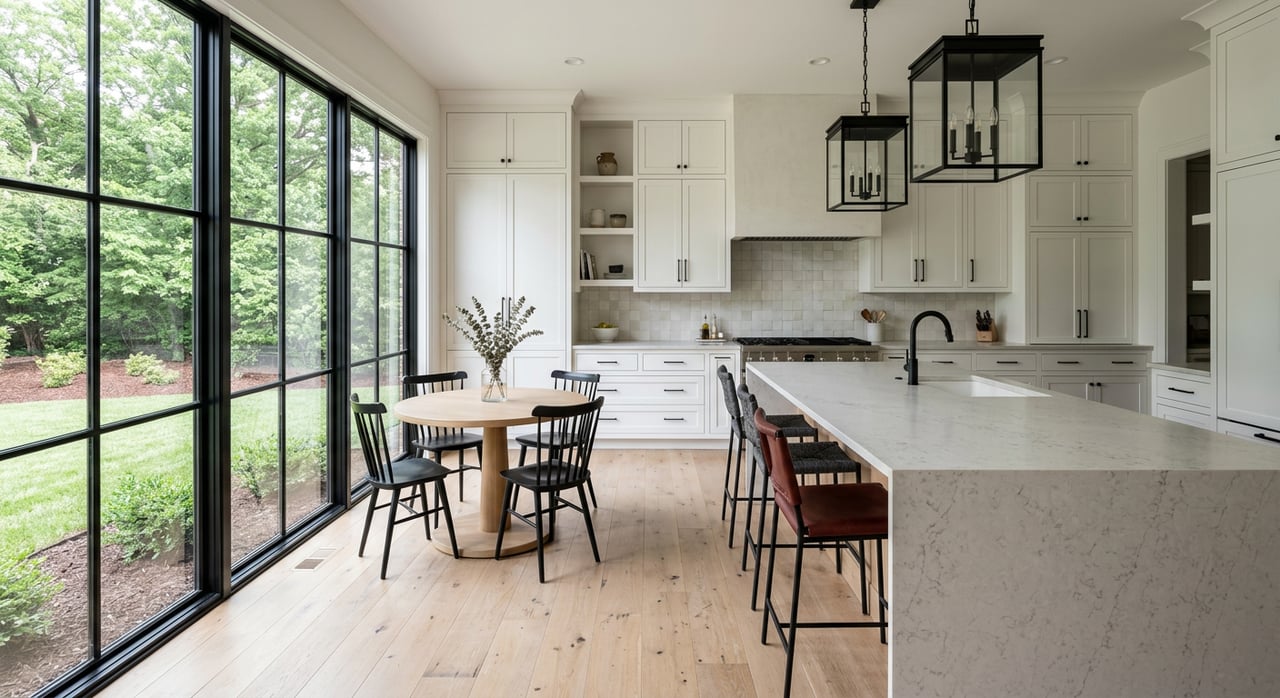
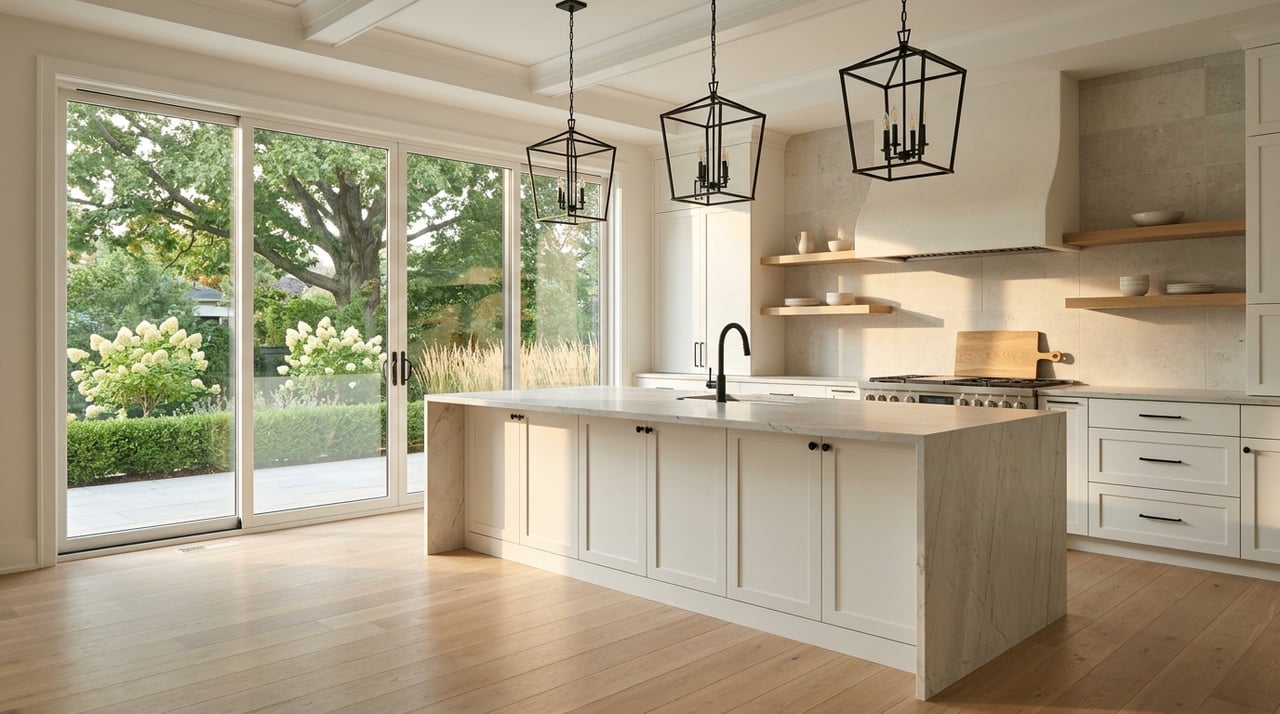
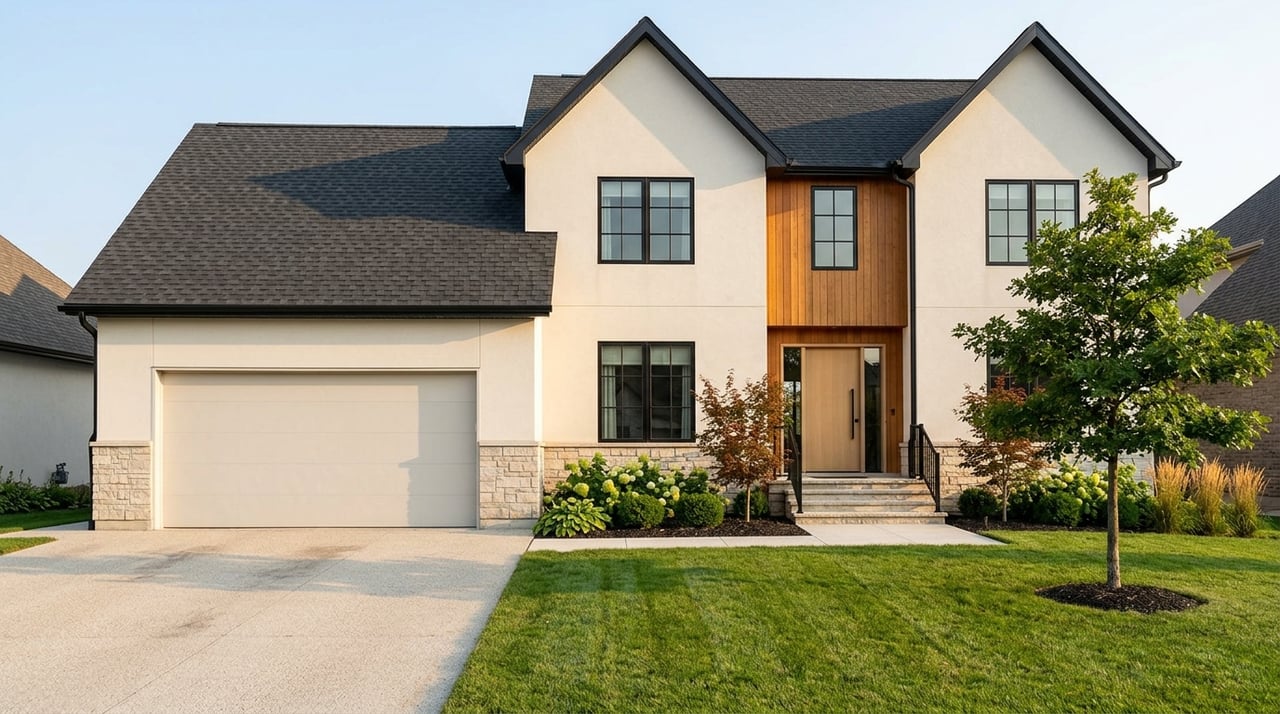
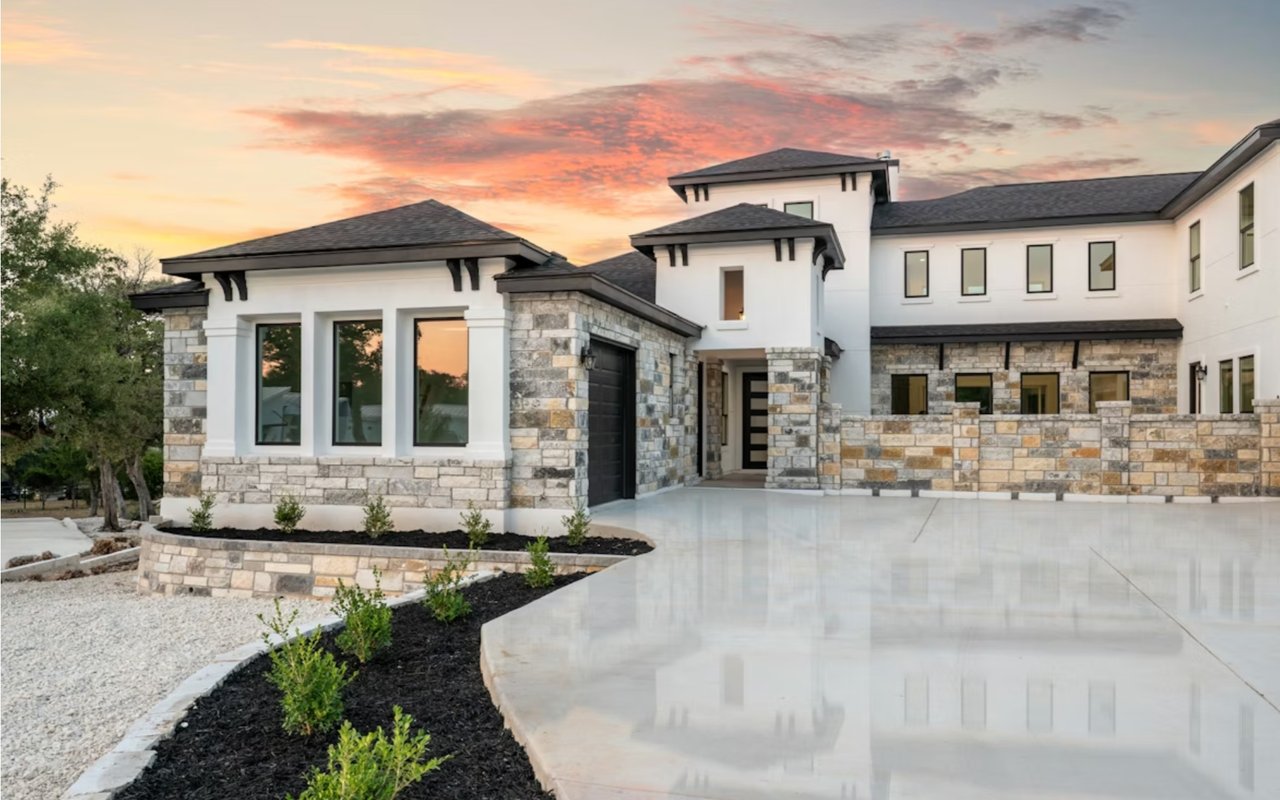
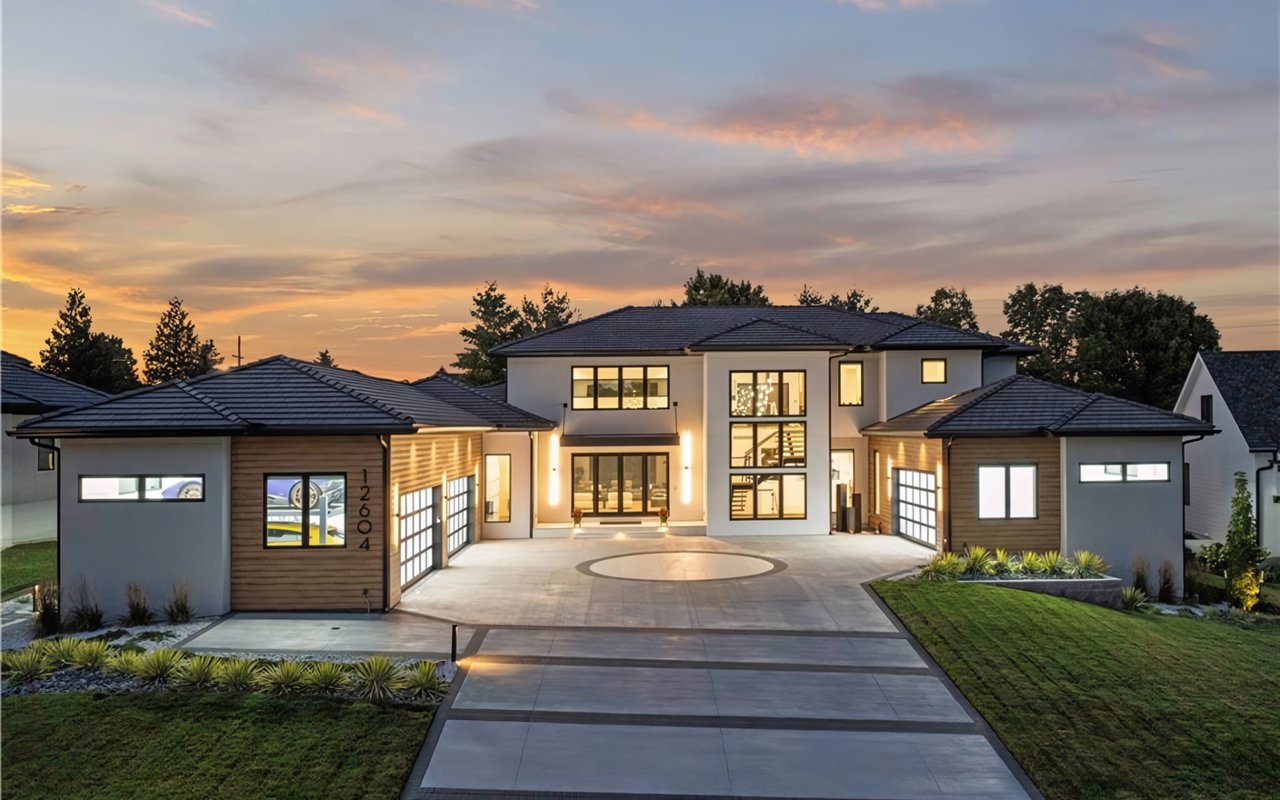
- Recent renovations and infill that preserve historic massing while upgrading systems and interiors for contemporary living.
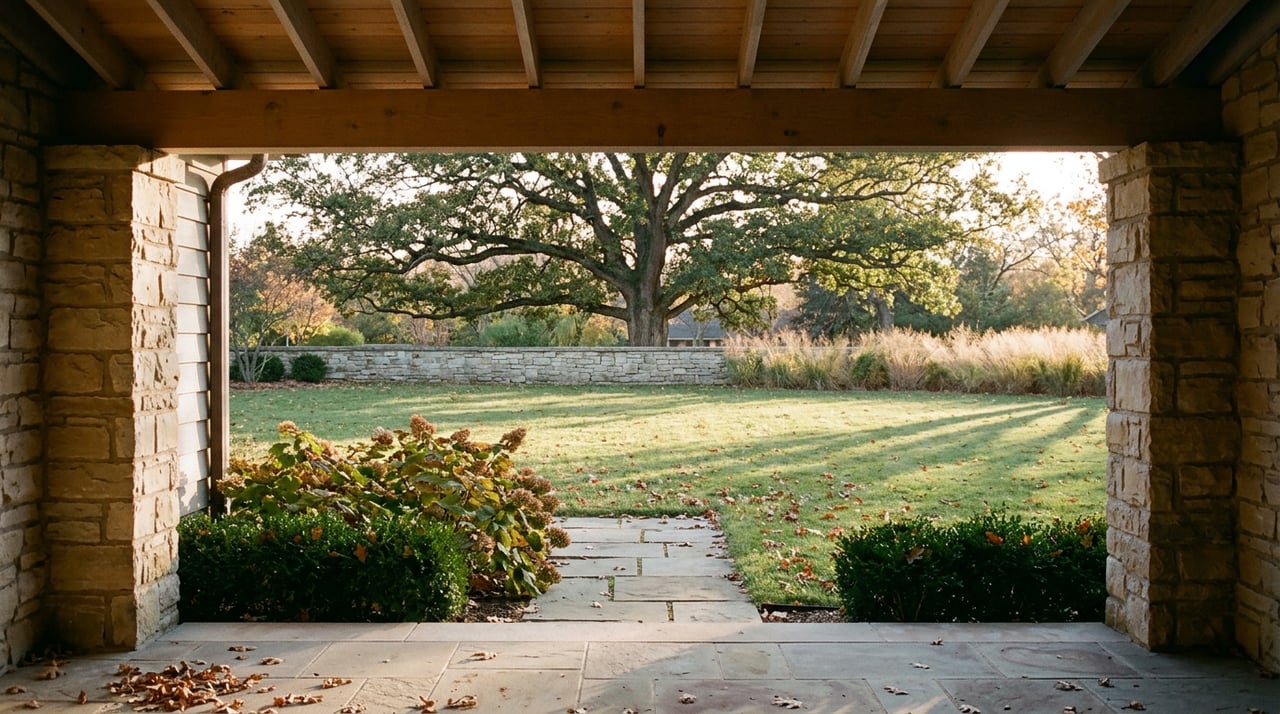
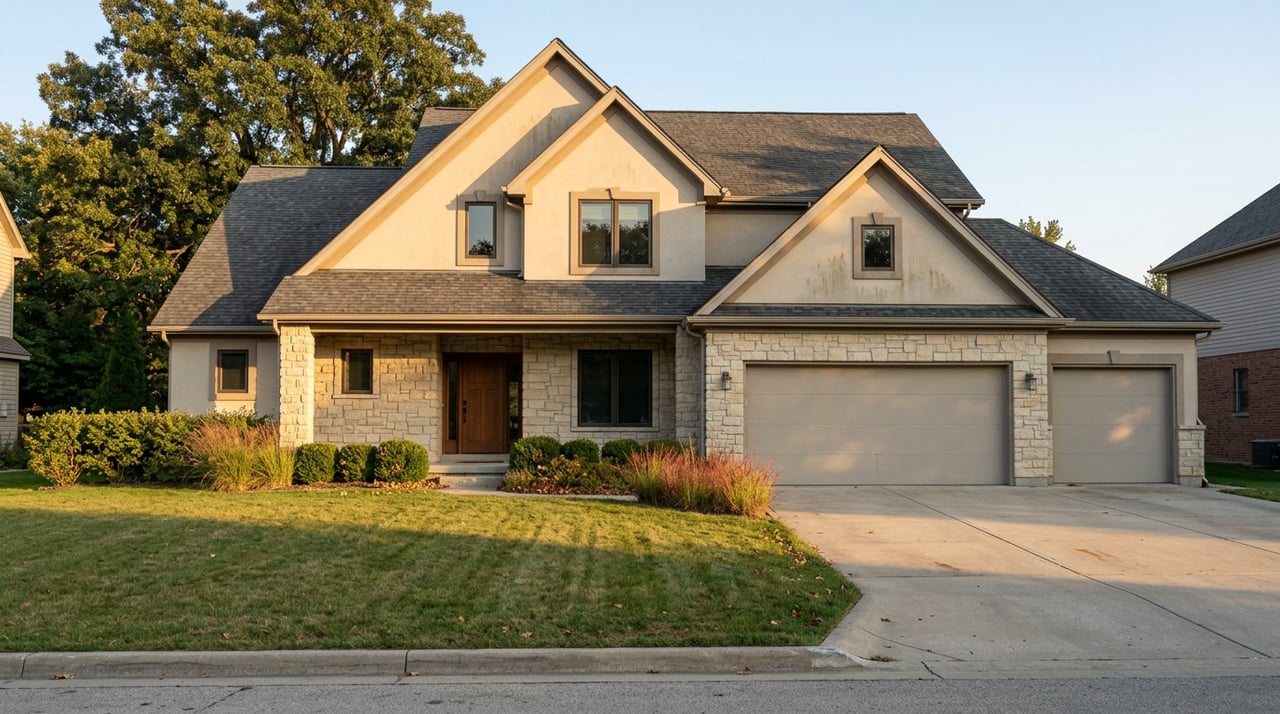
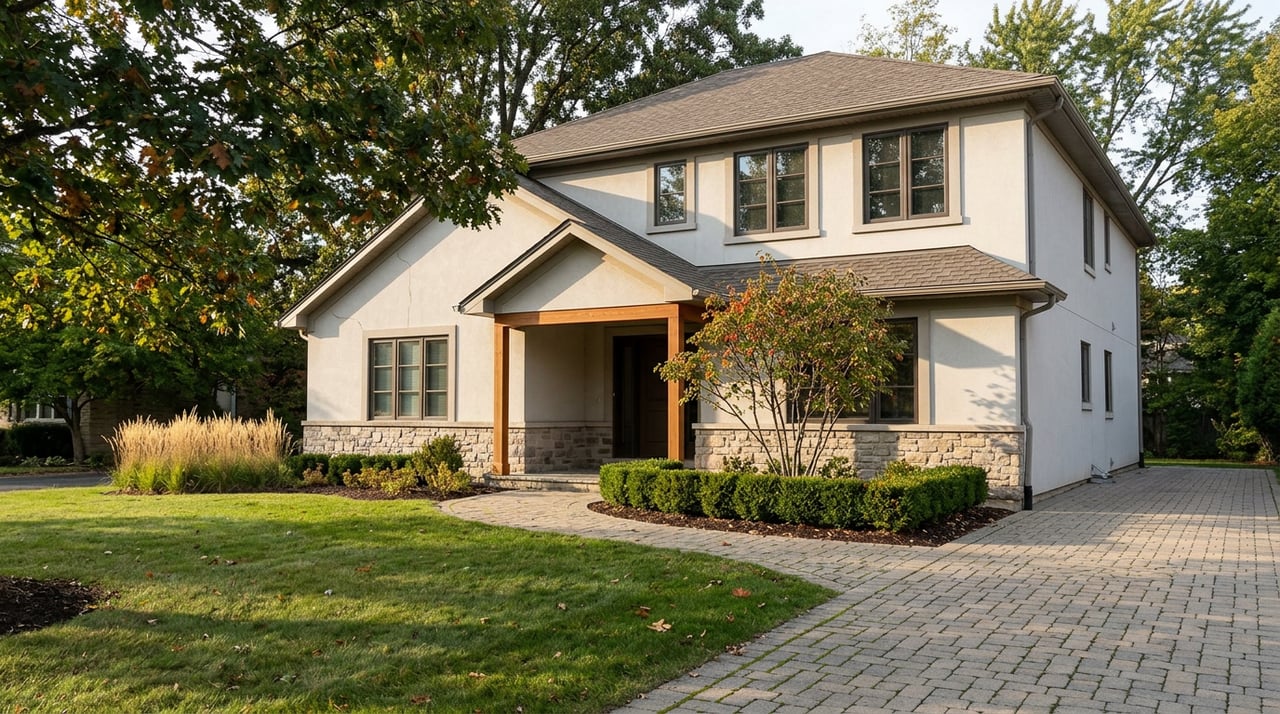
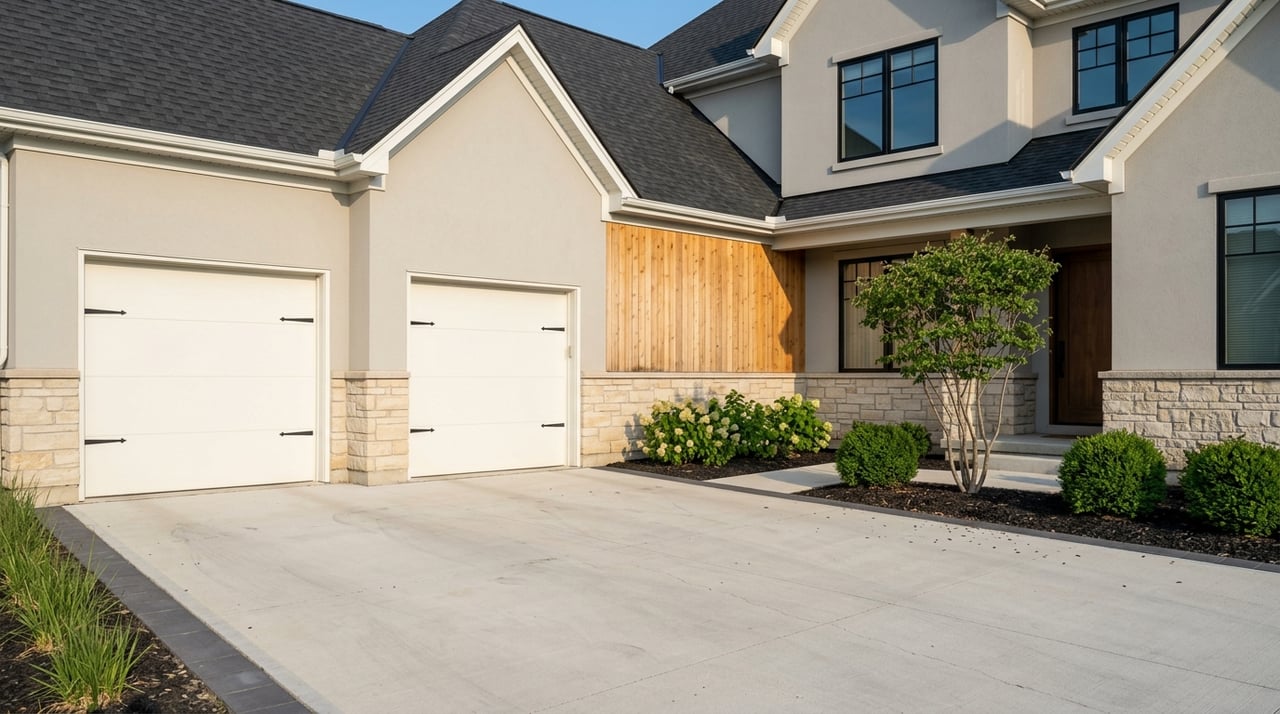
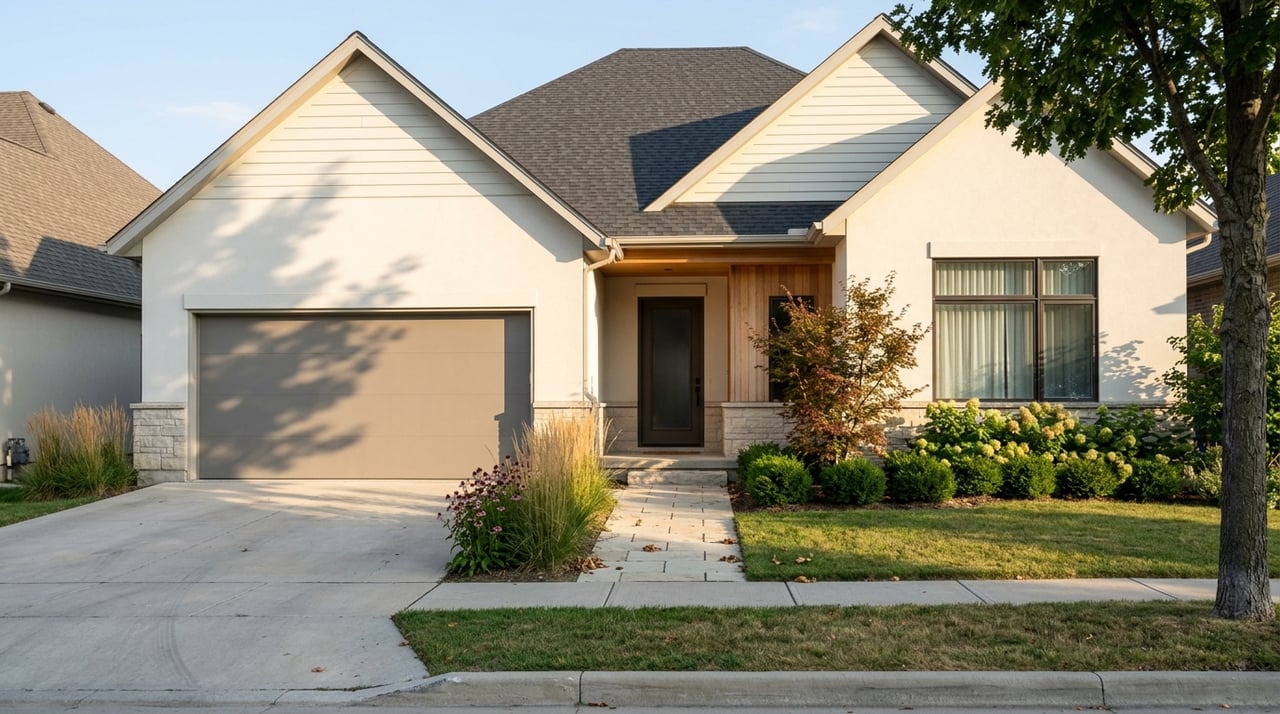
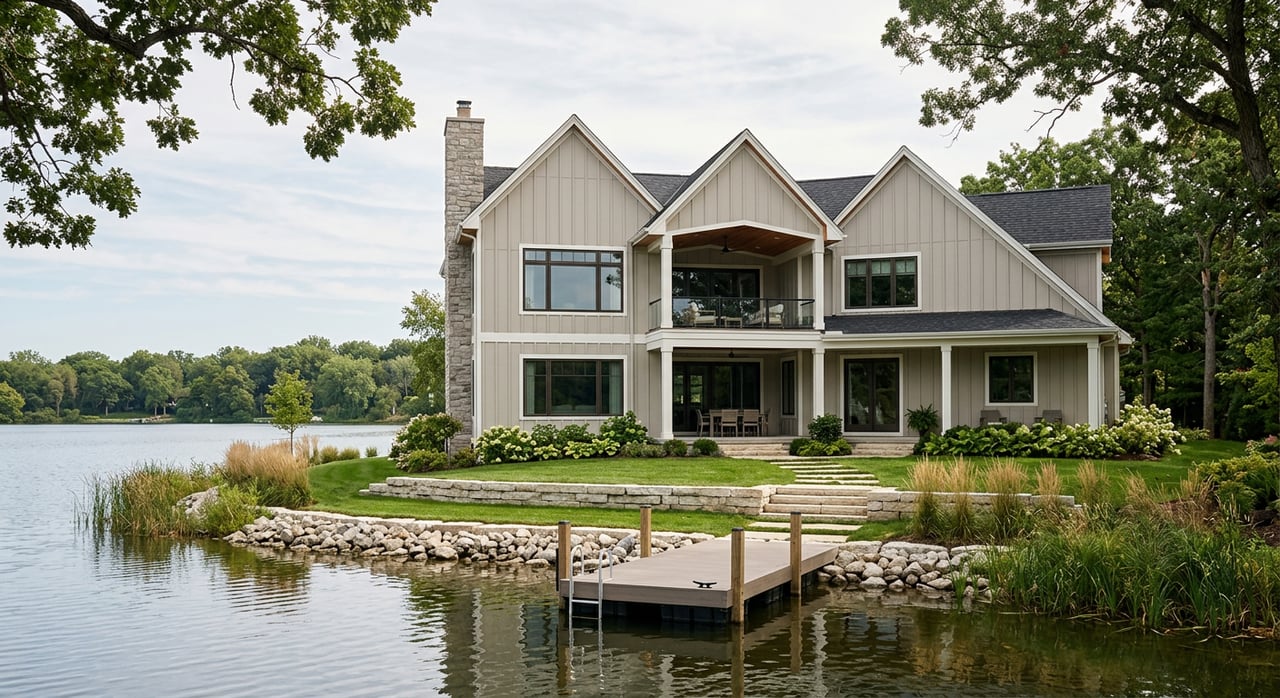
Streetscapes include long driveways, mature canopies, entrance monuments, fountains, and carefully sited garages that respect the front elevation. These details are part of the city’s living “garden community” identity, reflected in municipal materials and in the plan’s design language.
Lifestyle: clubs, green space, and local icons
Private country clubs form a prominent greenbelt through Mission Hills and anchor much of its social and recreational life. Membership is private and typically sponsor-based. Notable clubs include:
- Mission Hills Country Club, with a classic course and clubhouse setting along Mission Drive.
- Indian Hills Country Club, featuring an A.W. Tillinghast–designed course and an active competitive tradition.
- Kansas City Country Club, a historic club in the District recognized for its course pedigree and legacy; see its course profile in Golf Digest.
Beyond the clublands, you’ll notice public landscaping, statuary, and pocket green spaces. The Verona Columns and reflecting pool are beloved landmarks that showcase the area’s garden artistry. You can learn more about their history in the Smithsonian’s Garden Club of America archives for the Verona Columns Park.
Schools and education options
Mission Hills falls within the Shawnee Mission public school district area. Many families also consider nearby private schools in the metro, such as Pembroke Hill, Barstow, Bishop Miege, and Rockhurst. Assignment can vary by address, so always verify school boundaries before you buy. For a general overview of the city context, see the Wikipedia entry.
Location and access
Mission Hills sits along the Kansas–Missouri state line, which gives you convenient access to both the Country Club Plaza and Johnson County employment centers. That central placement is part of its premium appeal and is documented in the city’s planning materials. If a short commute to cultural districts or suburban office hubs matters to you, Mission Hills checks that box.
Market snapshot and how to read it
Mission Hills is a small, luxury market with very low turnover. Because only a handful of homes sell in many months, single-month medians can swing. You should always note the date and the metric when reviewing data.
- Recent sales median: As of January 2026, Redfin’s city page showed a median sale price around 1.06 million dollars and described the market as very competitive, while also showing very small sales counts. In small-sample windows, a single high or low closing can move the median.
- Typical home value index: Zillow’s ZHVI for Mission Hills was roughly 1.54 million dollars as of January 31, 2026. ZHVI is a modeled “typical value,” which differs from a monthly sold median.
In practice, most active attention sits at 1 million dollars and above, with special estates trading well beyond that. Regionally, tight supply has supported prices across the Kansas City area in recent periods. For broader metro context, see this Axios Kansas City piece on price trends.
Buyer tips for Mission Hills
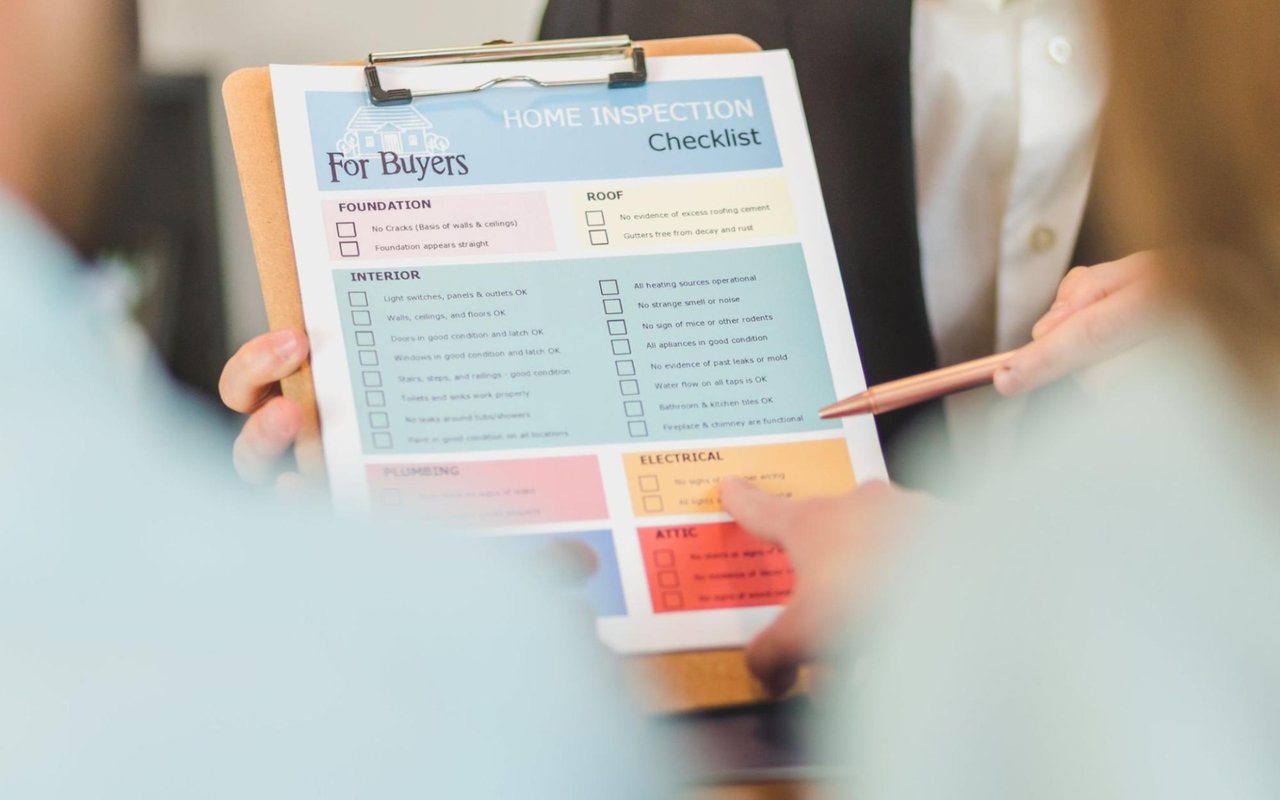
Use this quick checklist to move with confidence:
- Clarify design review. Before you bid, ask for the property’s design-review history and confirm what future changes are likely to be approved under city guidelines.
- Budget for stewardship. Historic masonry, slate roofs, and landscaped grounds can require specialized maintenance. Plan for long-term care.
- Prepare for appraisal. In low-turnover luxury areas, appraisers may need a wider set of comparables. Work with your agent and lender on a clear valuation narrative.
- Verify schools. Confirm current district boundaries and explore private-school admissions timelines if relevant to you.
- Understand club membership. If a club lifestyle matters, consult membership offices early. Each club sets its own process and timing.
- Expect limited inventory. Be patient and decisive. The best homes can draw multiple offers.
Seller tips for Mission Hills
Stand out by leaning into what buyers value here:
- Lead with presentation. Professional staging, top-tier photography, and thoughtfully written copy highlight architecture, grounds, and updates.
- Document improvements. Provide records for roof, mechanicals, landscaping plans, and any city approvals. This builds trust.
- Price with context. Pair recent sales with ZHVI-style benchmarks and on-market competition. A data-backed strategy helps buyers and appraisers align.
- Time the market. Given low turnover, consider seasonal patterns and coordinate pre-market prep so you launch with maximum impact.
What 1 million to 2 million dollars plus buys
Budgets in the 1 million to 1.5 million dollar range often reach updated mid-century homes or smaller historic-era properties with tasteful renovations. As you move toward and beyond 2 million dollars, you’re more likely to find larger lots, architectural pedigree, and estate-scale grounds. Specific features and finishes vary by street and sub-area, and standout properties can command prices well above neighborhood medians.
Why Mission Hills keeps its appeal
It comes down to intentional planning, ongoing stewardship, and location. Curved streets, tree canopy, and public art create an everyday sense of calm. Private clubs and garden features add recreation and beauty. Proximity to the Plaza and Johnson County centers keeps life convenient. If you value classic architecture and a consistent streetscape, Mission Hills delivers.
Ready to explore homes or plan a sale with a team that knows the nuance of this market? Reach out to Bryan Huff for a conversation about your next steps.
FAQs
What is Mission Hills known for if I’m new to KC?
- Mission Hills is a planned “garden community” recognized for curving streets, fountains and statuary, and a greenbelt formed by private country clubs, as described by the city and planning documents.
How expensive are homes in Mission Hills today?
- As of January 2026, Redfin’s city page showed a median sale price near 1.06 million dollars, and Zillow’s ZHVI was about 1.54 million dollars as of January 31, 2026; small monthly samples can make medians swing.
Are there design restrictions for remodels or new builds?
- Yes; the city uses design guidelines and zoning to manage setbacks, lot coverage, and scale, documented in the Mission Hills Comprehensive Plan.
Which country clubs serve the Mission Hills area?
- Mission Hills Country Club, Indian Hills Country Club, and Kansas City Country Club are the primary clubs; membership is private and policies vary, so check Mission Hills CC, Indian Hills CC, and Kansas City CC’s course profile.
What public and private school options are nearby Mission Hills?
- Mission Hills is in the Shawnee Mission public school district area, and families often consider private options such as Pembroke Hill, Barstow, Bishop Miege, and Rockhurst; always verify assignment by address.
How is the commute and daily access from Mission Hills?
- The city sits along the Kansas–Missouri state line with quick connections to the Country Club Plaza and Johnson County employment centers, which is part of its premium appeal.
Is inventory typically tight in Mission Hills?
- Yes; it is a low-turnover luxury market, so listings are limited, comparable sales can be sparse, and the best homes may draw multiple offers.