Designing a library in your Overland Park home offers you a chance to create a sanctuary that reflects both your personality and your passions. It’s more than simply finding a place for your books; it’s about crafting an environment that inspires quiet reflection, creativity, and comfort. Whether you dream of a grand space lined with shelves or a small reading nook tucked into a corner, the key lies in balancing coziness with functionality.
A well-designed library doesn’t just serve as a storage solution; it becomes a cherished retreat. The way your shelves are arranged, the lighting you choose, and the seating you select all play vital roles in how the space feels and functions. Every element contributes to a setting that encourages you to slow down, disconnect from daily distractions, and immerse yourself in stories or studies that fuel your imagination.
In this guide, you’ll discover how to design a cozy and functional home library. From choosing the ideal location to creating smart shelving layouts, each step will help you shape a space that feels as timeless as the stories on your shelves.
Creating the Perfect Location for Your Home Library
The right location is one that feels naturally peaceful and away from heavy foot traffic. Many homeowners find that a spare bedroom, a loft, or a quiet corner of the living area can serve as an ideal foundation for a reading retreat.
Consider the flow of natural light throughout the day; soft, filtered sunlight can enhance the atmosphere while protecting your books from direct UV exposure. If you have large windows, use sheer curtains or adjustable shades to strike the right balance between illumination and protection.
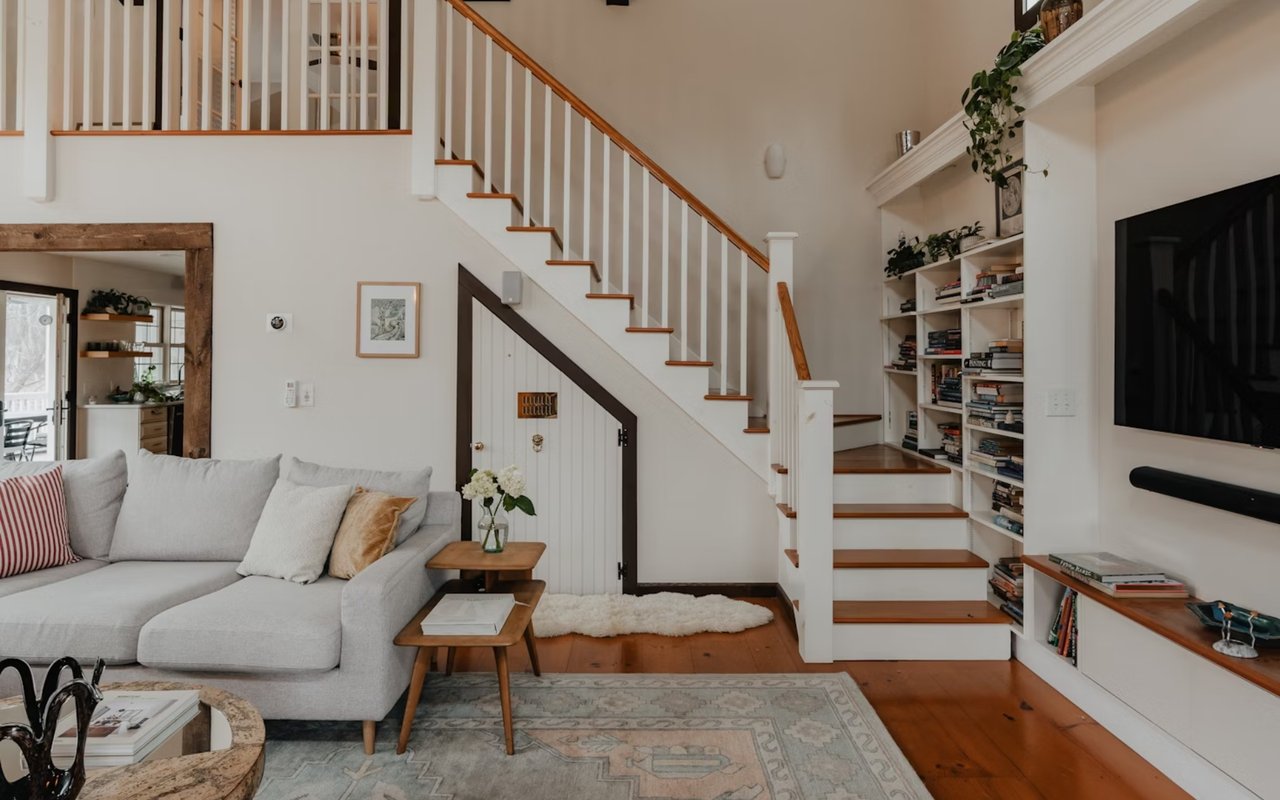
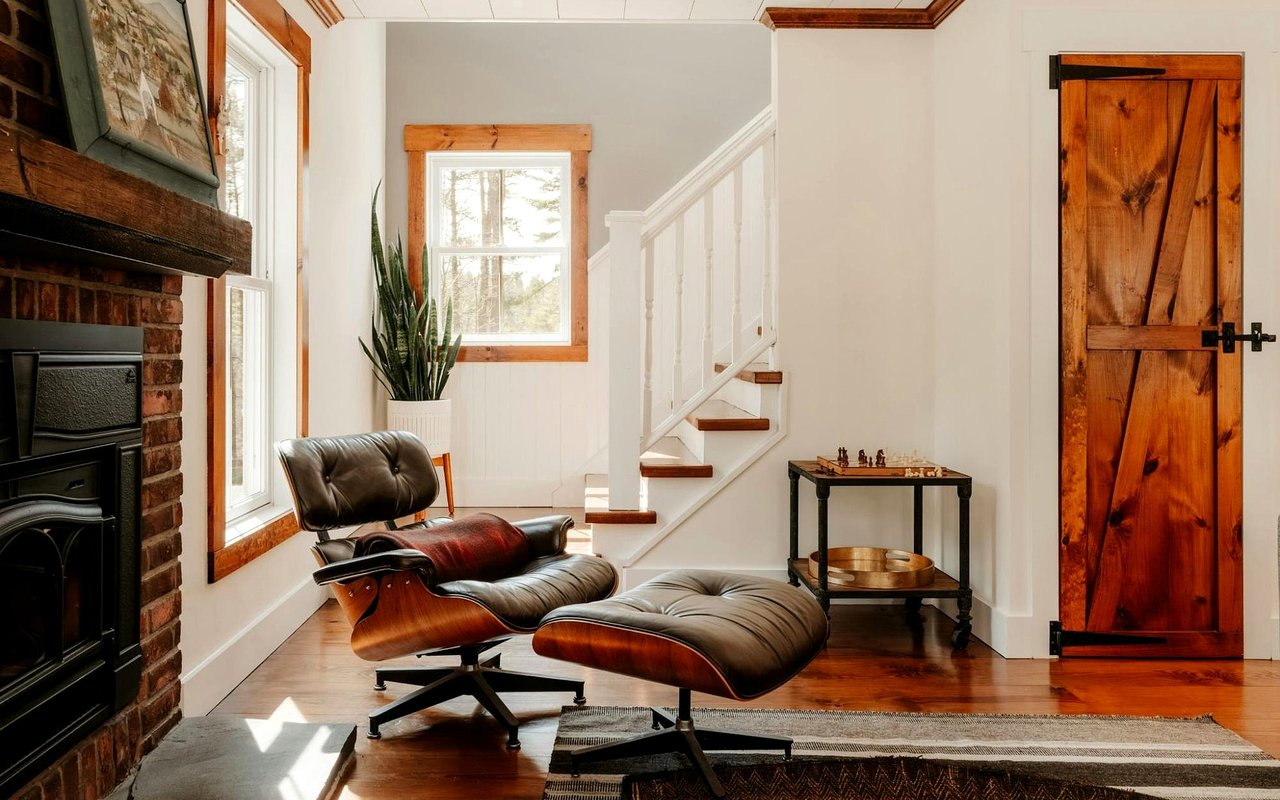
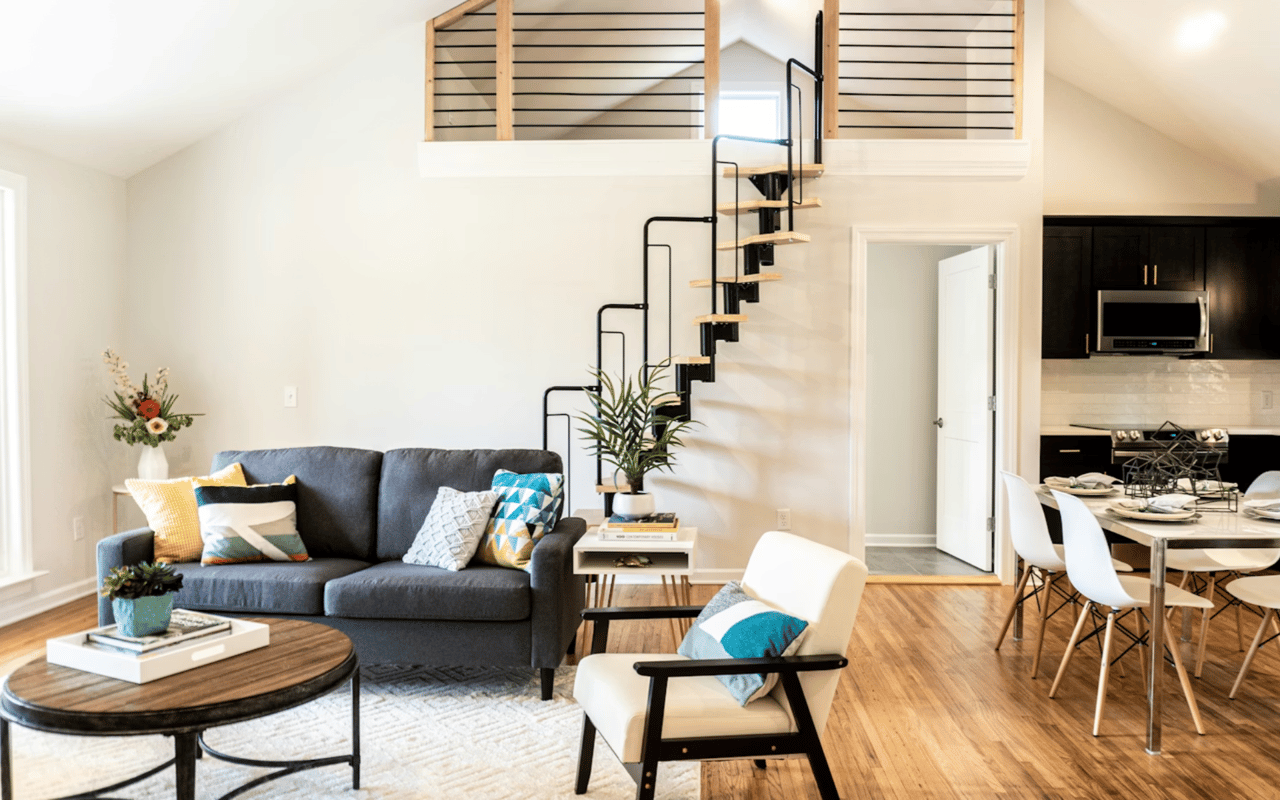
If you’re working with limited space, don’t worry — small nooks can transform beautifully into intimate reading alcoves. Built-in shelving along a hallway or under a staircase can turn overlooked areas into a cozy sanctuary. What matters most is creating a zone where you can relax and escape into a story, no matter the size or layout of your home.
Consider the flow of natural light throughout the day; soft, filtered sunlight can enhance the atmosphere while protecting your books from direct UV exposure. If you have large windows, use sheer curtains or adjustable shades to strike the right balance between illumination and protection.
If you’re working with limited space, don’t worry — small nooks can transform beautifully into intimate reading alcoves. Built-in shelving along a hallway or under a staircase can turn overlooked areas into a cozy sanctuary. What matters most is creating a zone where you can relax and escape into a story, no matter the size or layout of your home.
Designing Shelving That Marries Style and Function
Shelving is the foundation of your library’s design. Custom-built shelves allow you to tailor the space to your exact needs, whether that’s a floor-to-ceiling display in a living room or floating shelves that frame a window seat. If you’re going for a timeless look, rich wood tones, such as walnut or cherry, create a sense of warmth and permanence. Alternatively, sleek white or matte black shelving offers a more modern, gallery-style approach that pairs beautifully with minimalist décor.
When planning your shelving, think beyond simple book storage. Incorporate open sections for artwork, small plants, or sculptural pieces that express your personality. Adjustable shelving can adapt as your collection grows, giving your library room to evolve with your interests. You might even add concealed cabinets at the base for storing stationery, games, or other items that don’t need to be on display. A thoughtful mix of function and beauty will make your home library feel both practical and inspiring.
When planning your shelving, think beyond simple book storage. Incorporate open sections for artwork, small plants, or sculptural pieces that express your personality. Adjustable shelving can adapt as your collection grows, giving your library room to evolve with your interests. You might even add concealed cabinets at the base for storing stationery, games, or other items that don’t need to be on display. A thoughtful mix of function and beauty will make your home library feel both practical and inspiring.
Choosing Comfortable and Inviting Seating
Seating plays an essential role in creating a cozy, welcoming atmosphere. The best home libraries often feature plush armchairs, window benches, or small sofas layered with soft throws and cushions. If you love extended reading sessions, look for an ergonomic chair that supports your posture while still feeling luxurious. Pair it with an ottoman or a small side table for your tea, reading glasses, or a stack of your favorite novels.
If you’re designing a shared space, include multiple seating zones. A pair of armchairs facing each other invites conversation, while a daybed tucked beneath a window creates a quiet retreat for solo reading. Layer textures, such as velvet, wool, and linen, to add depth and comfort. Your seating arrangement should feel effortless and personal, reflecting the way you like to unwind with a good book after a busy day in Overland Park.
If you’re designing a shared space, include multiple seating zones. A pair of armchairs facing each other invites conversation, while a daybed tucked beneath a window creates a quiet retreat for solo reading. Layer textures, such as velvet, wool, and linen, to add depth and comfort. Your seating arrangement should feel effortless and personal, reflecting the way you like to unwind with a good book after a busy day in Overland Park.
Perfecting the Lighting
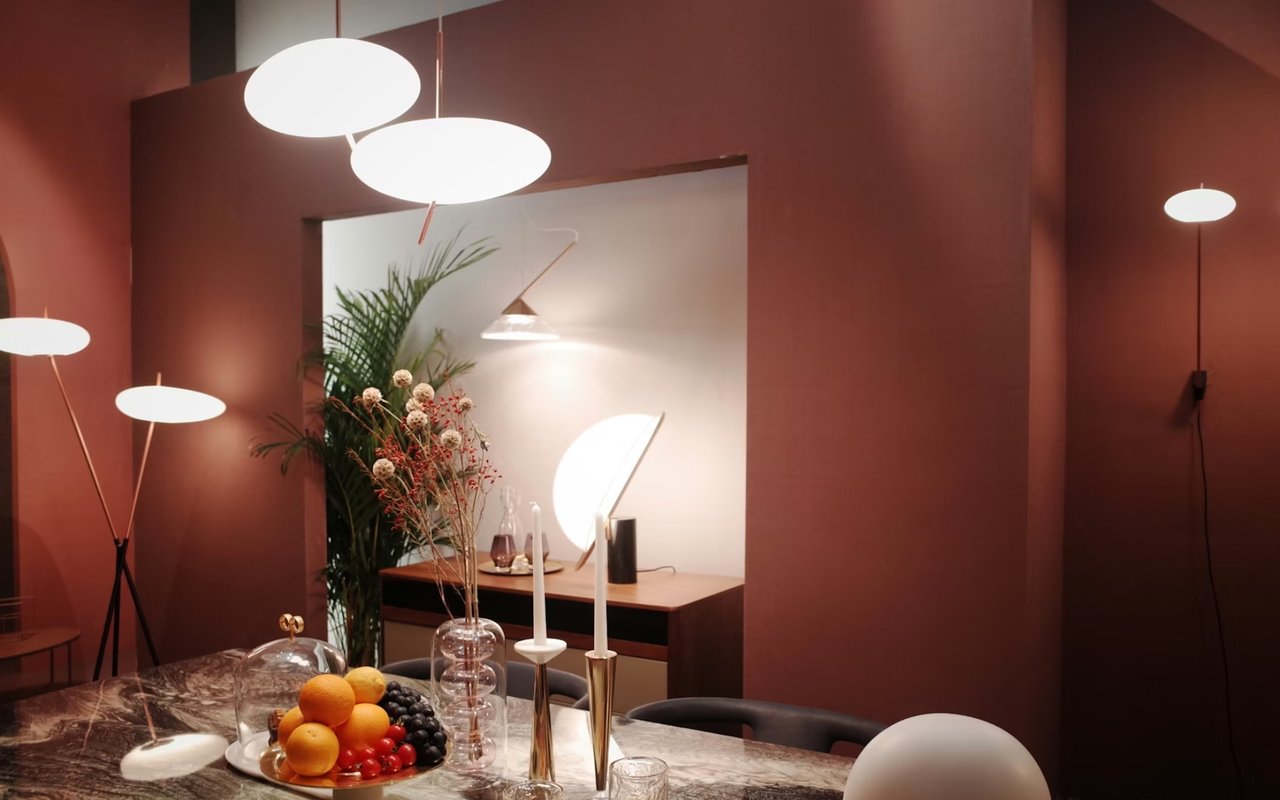
Lighting can completely transform the ambiance of your library. A combination of ambient, task, and accent lighting will help you create the right atmosphere for every moment. Start with a soft overhead fixture — perhaps a statement chandelier or a flush-mount light with a dimmer — to set the tone. Then, add focused lighting near your reading spots. Adjustable floor lamps or wall-mounted sconces are perfect for providing direct illumination without harsh glare.
For a more dramatic touch, consider integrated LED lighting within your shelving. It highlights the texture of your books and adds a luxurious glow after sunset. Candles or small table lamps can contribute to a soothing ambiance when you want a calm, meditative setting.
Remember to pay attention to bulb color temperature as well; warm white light (around 2700K) creates a cozier, more inviting environment compared to cooler tones. With the right lighting strategy, your library can shift seamlessly from a bright workspace during the day to a tranquil retreat at night.
For a more dramatic touch, consider integrated LED lighting within your shelving. It highlights the texture of your books and adds a luxurious glow after sunset. Candles or small table lamps can contribute to a soothing ambiance when you want a calm, meditative setting.
Remember to pay attention to bulb color temperature as well; warm white light (around 2700K) creates a cozier, more inviting environment compared to cooler tones. With the right lighting strategy, your library can shift seamlessly from a bright workspace during the day to a tranquil retreat at night.
Incorporating Texture, Color, and Personality
The design of your home library should reflect your personality and taste. The color palette sets the emotional tone of the space — deep jewel tones like emerald green, navy blue, or burgundy lend a sophisticated feel, while lighter hues, such as cream, sage, or dove gray, create an airy calmness. If your Overland Park home features an open floor plan, coordinate your library’s palette with the surrounding rooms to maintain harmony.
Texture plays an equally important role. Add layered textiles through rugs, drapes, and upholstery to soften hard surfaces. A vintage rug can bring history and pattern, while a thick wool throw or velvet cushion adds tactile comfort. Personal touches, such as framed artwork, antique maps, or mementos from your travels, can make the space truly your own. The goal is to create a setting that feels curated yet lived-in — a reflection of who you are as a reader and homeowner.
Texture plays an equally important role. Add layered textiles through rugs, drapes, and upholstery to soften hard surfaces. A vintage rug can bring history and pattern, while a thick wool throw or velvet cushion adds tactile comfort. Personal touches, such as framed artwork, antique maps, or mementos from your travels, can make the space truly your own. The goal is to create a setting that feels curated yet lived-in — a reflection of who you are as a reader and homeowner.
Adding Technology Thoughtfully
While your home library should be a place of relaxation, integrating technology can make it even more functional. Consider discreet solutions that blend seamlessly with your aesthetic. Built-in charging stations hidden within drawers, wireless speakers for soft background music, or a tablet stand for e-books can add convenience without disrupting the serene atmosphere.
If you frequently use digital reading devices, position outlets strategically near seating areas to keep cords tidy. Concealed wiring within shelving or under rugs helps maintain a clean look.
For those who enjoy researching or writing, a small desk with a concealed power strip can double as a workspace. Thoughtful integration of modern conveniences ensures your library feels timeless yet fully equipped for the way you live today.
If you frequently use digital reading devices, position outlets strategically near seating areas to keep cords tidy. Concealed wiring within shelving or under rugs helps maintain a clean look.
For those who enjoy researching or writing, a small desk with a concealed power strip can double as a workspace. Thoughtful integration of modern conveniences ensures your library feels timeless yet fully equipped for the way you live today.
Balancing Comfort with Organization
An organized home library enhances both function and aesthetic appeal. Arrange your collection in a way that makes sense to you — alphabetically, by genre, by author, or even by color for a striking visual effect. Decorative baskets or woven bins can store loose magazines, while labeled boxes keep small accessories tidy. Adjustable shelving ensures you can easily rearrange as your interests evolve.
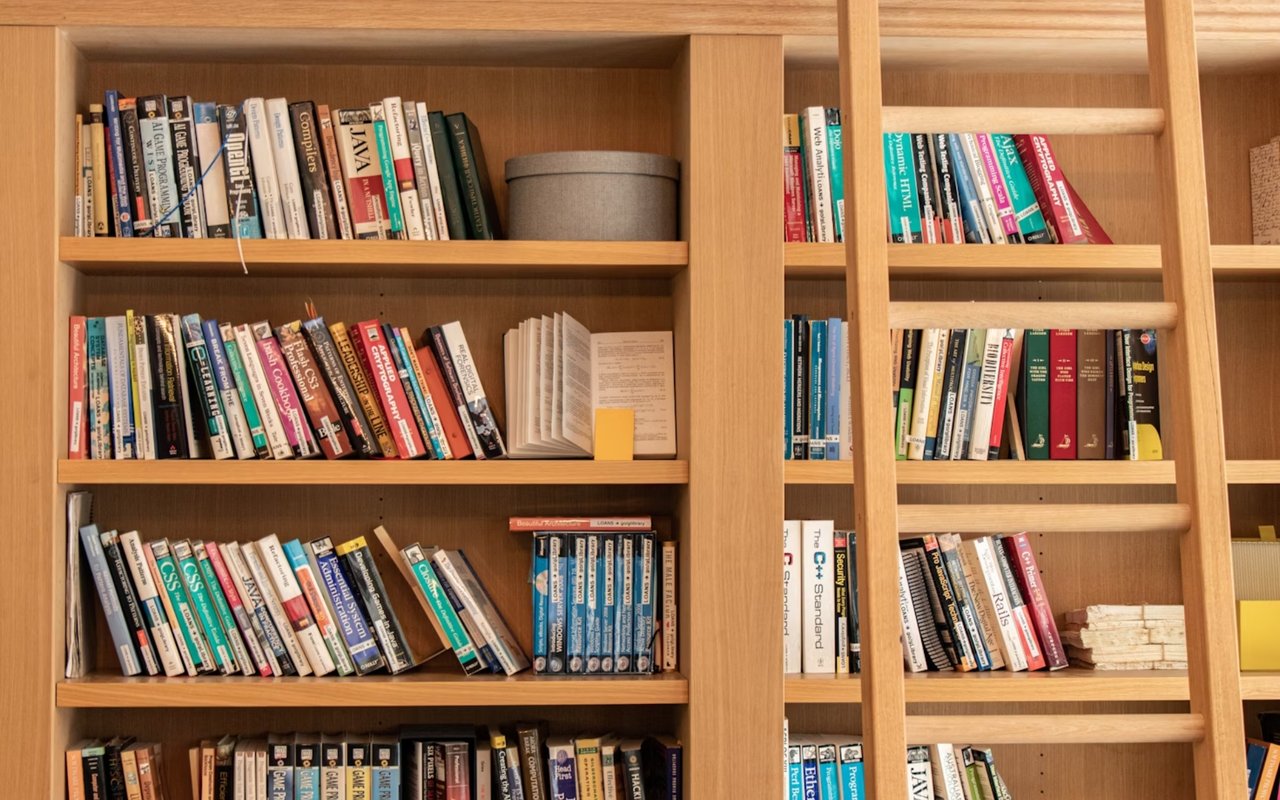
Incorporate a few display areas to break up long stretches of books. A small sculpture, framed photo, or plant adds rhythm and variation to your shelves. Consider a rolling ladder for higher shelving; not only is it practical, but it also adds charm and character to the space. The key is maintaining balance. Your library should feel curated, not cluttered, allowing your books and décor to breathe together in harmony.
Incorporate a few display areas to break up long stretches of books. A small sculpture, framed photo, or plant adds rhythm and variation to your shelves. Consider a rolling ladder for higher shelving; not only is it practical, but it also adds charm and character to the space. The key is maintaining balance. Your library should feel curated, not cluttered, allowing your books and décor to breathe together in harmony.
Bringing It All Together
Every element — from shelving and seating to lighting and layout — works together to create a space that inspires relaxation and intellectual curiosity. Whether your library occupies an entire room with towering shelves or a quiet corner filled with charm, the key lies in thoughtful design choices that reflect your lifestyle.
If you’re ready to find a wonderful home in Overland Park with the library space of your dreams, reach out to The Huff Group for trusted insight into the real estate market.
If you’re ready to find a wonderful home in Overland Park with the library space of your dreams, reach out to The Huff Group for trusted insight into the real estate market.