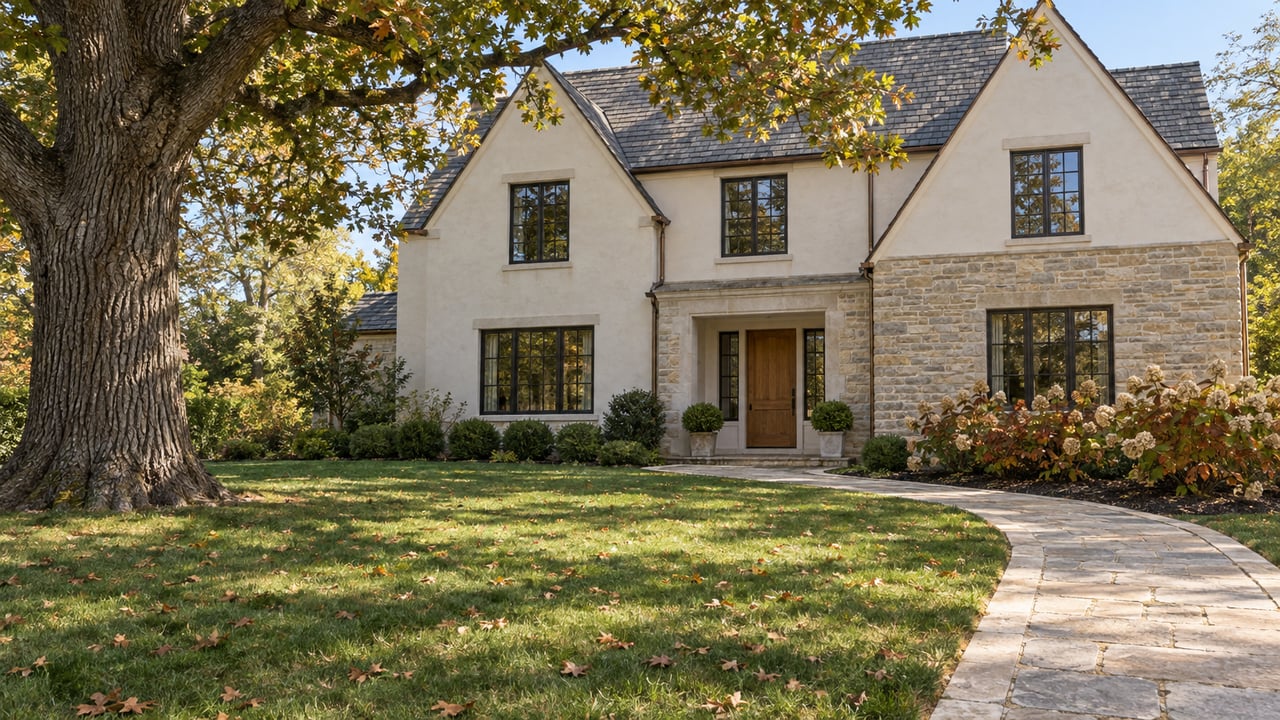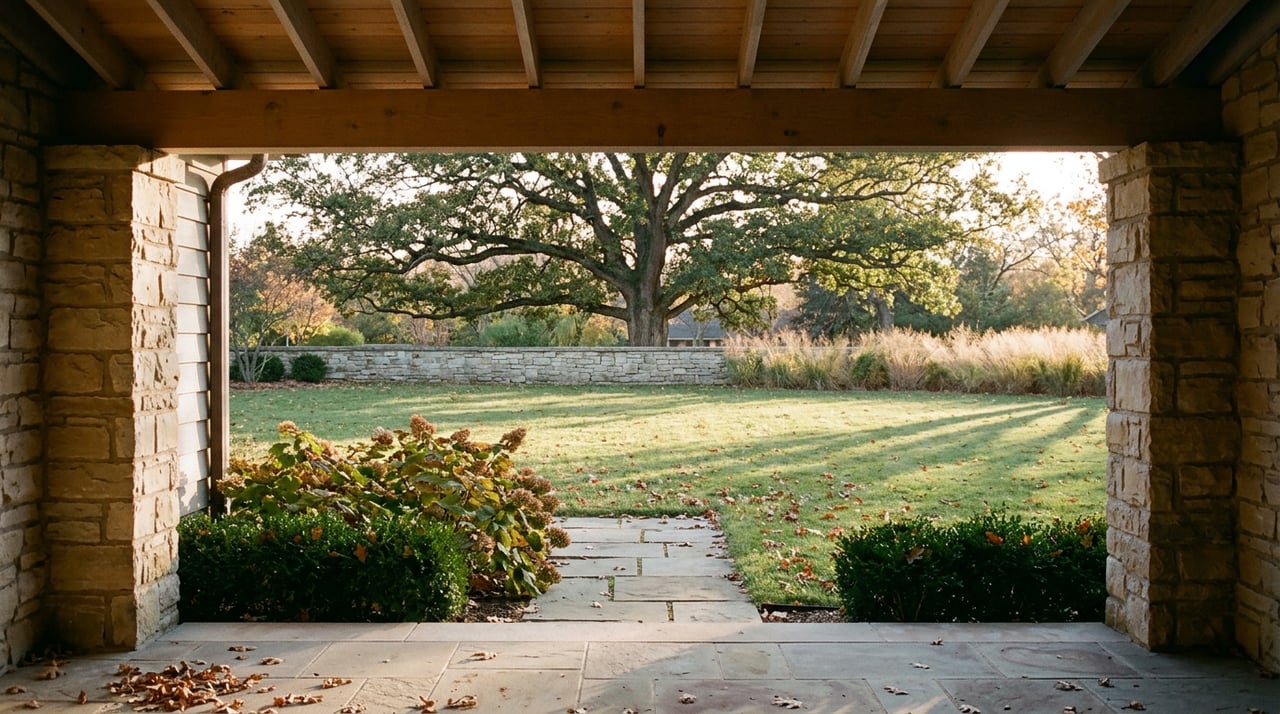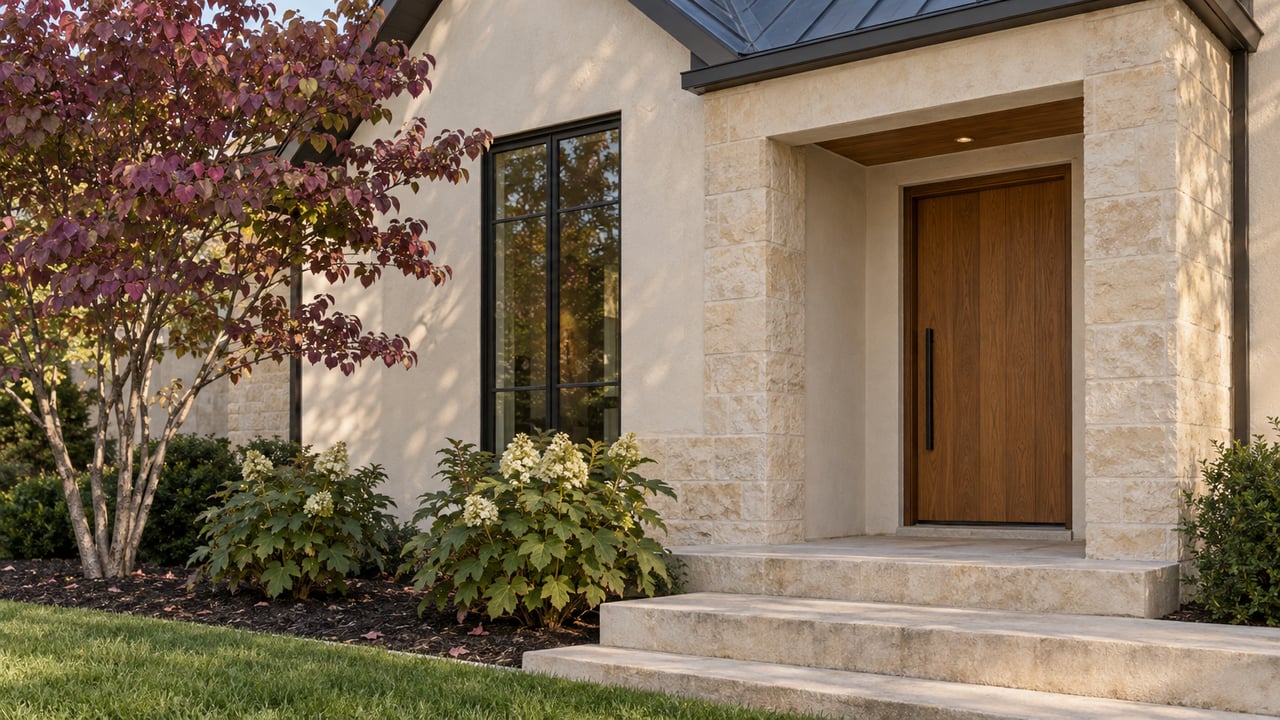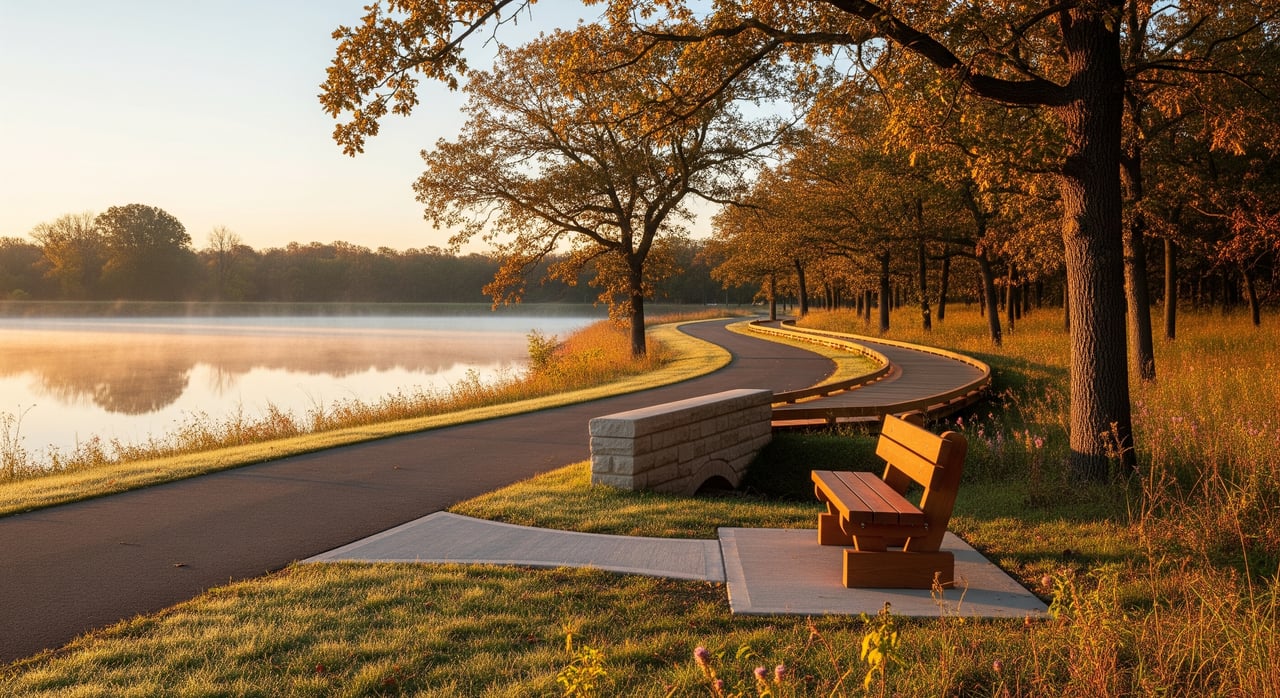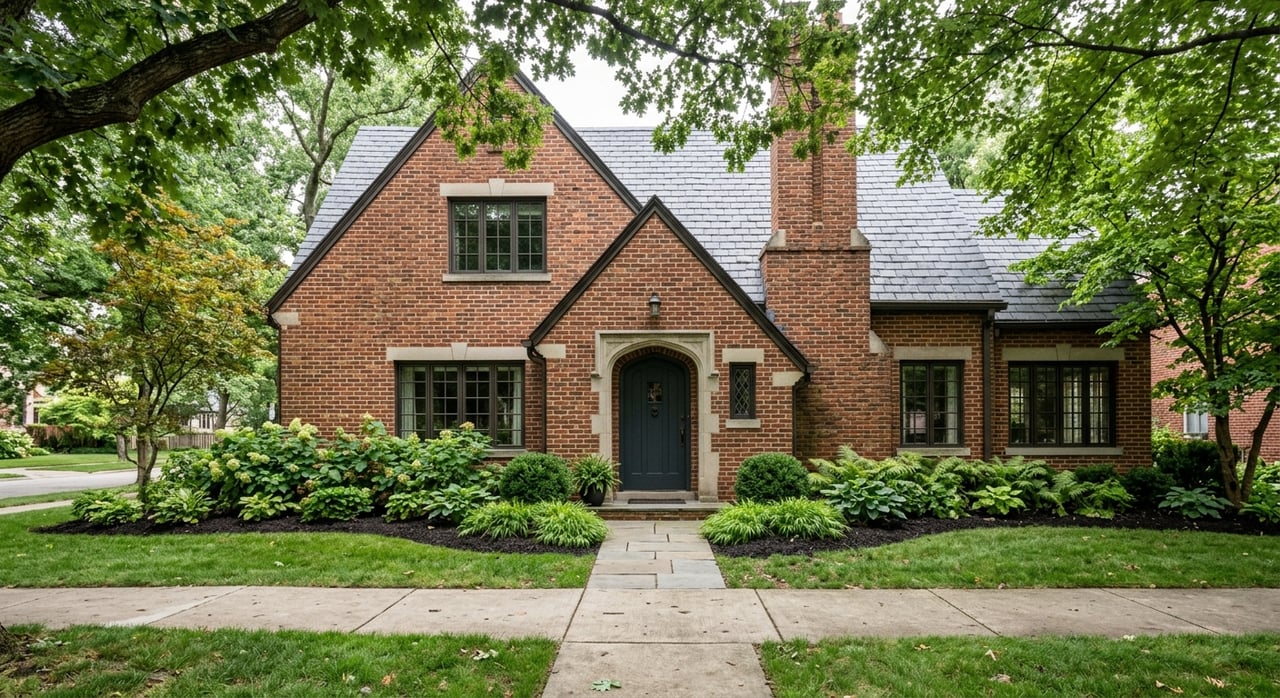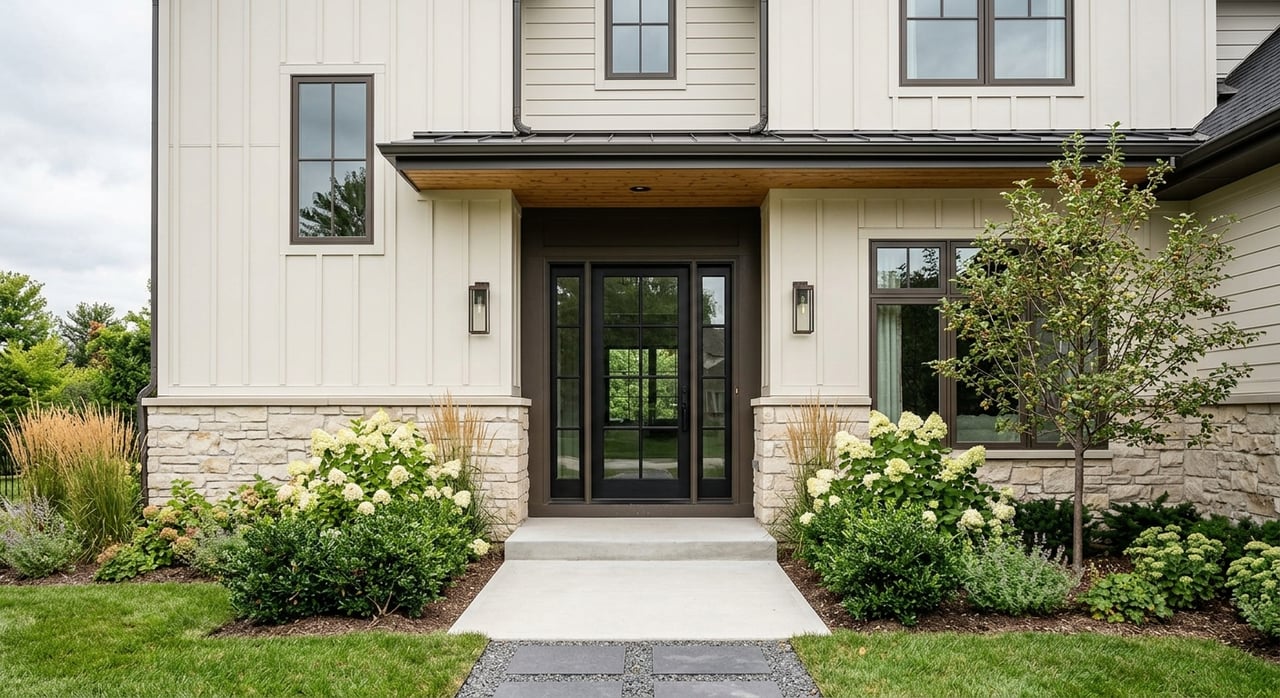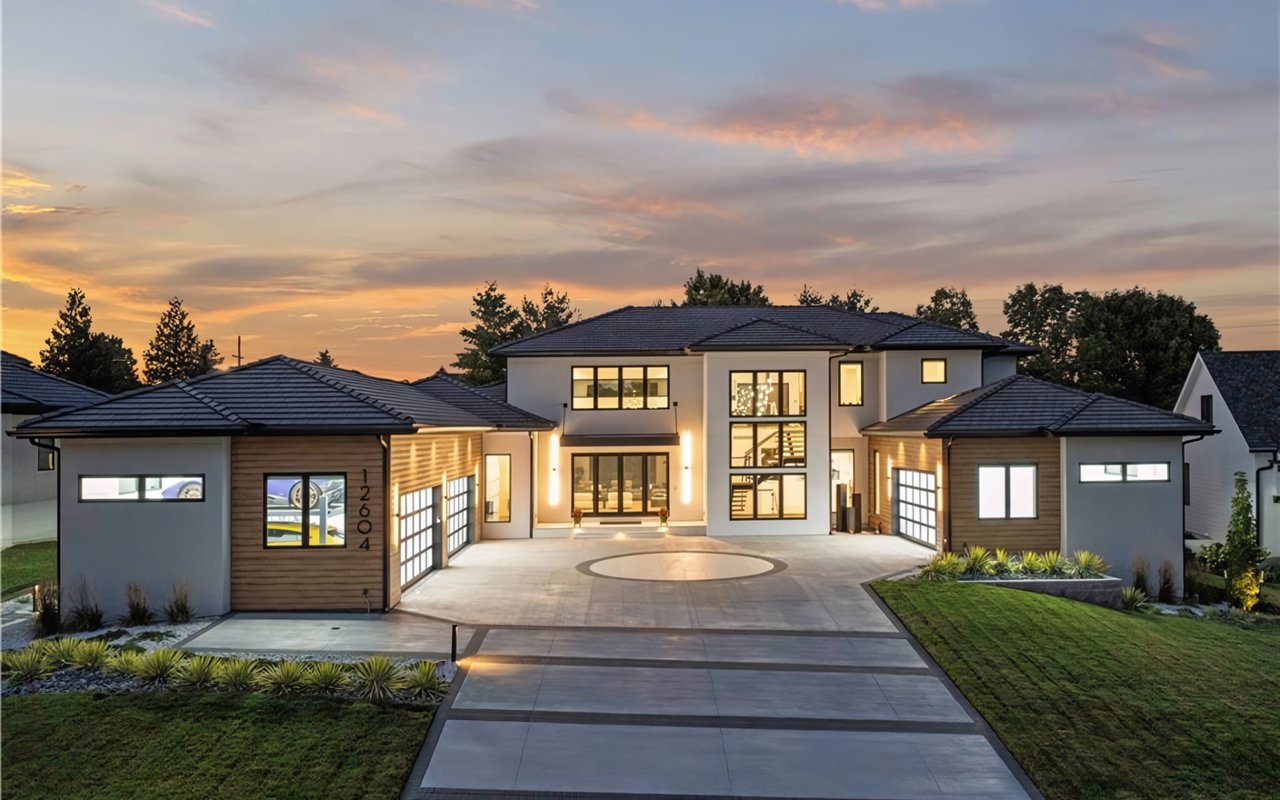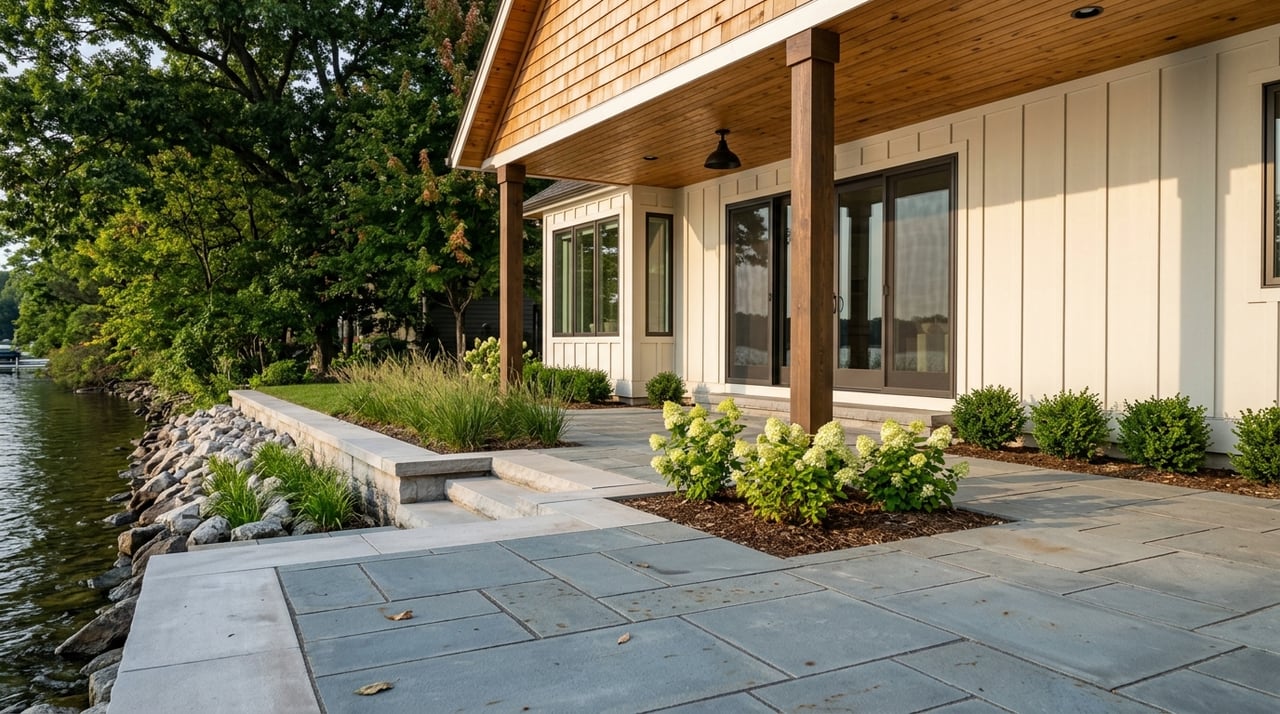
If you want lake life without giving up access to the Kansas City metro, Lake Lotawana stands out fast. You get the appeal of shoreline views, boating culture, and a close-knit waterfront setting, but you also need to understand the rules that shape daily life here. For many buyers, that balance is exactly the point. Let’s take a closer look at what living on the water in Lake Lotawana really means.
Why Lake Lotawana Draws Buyers
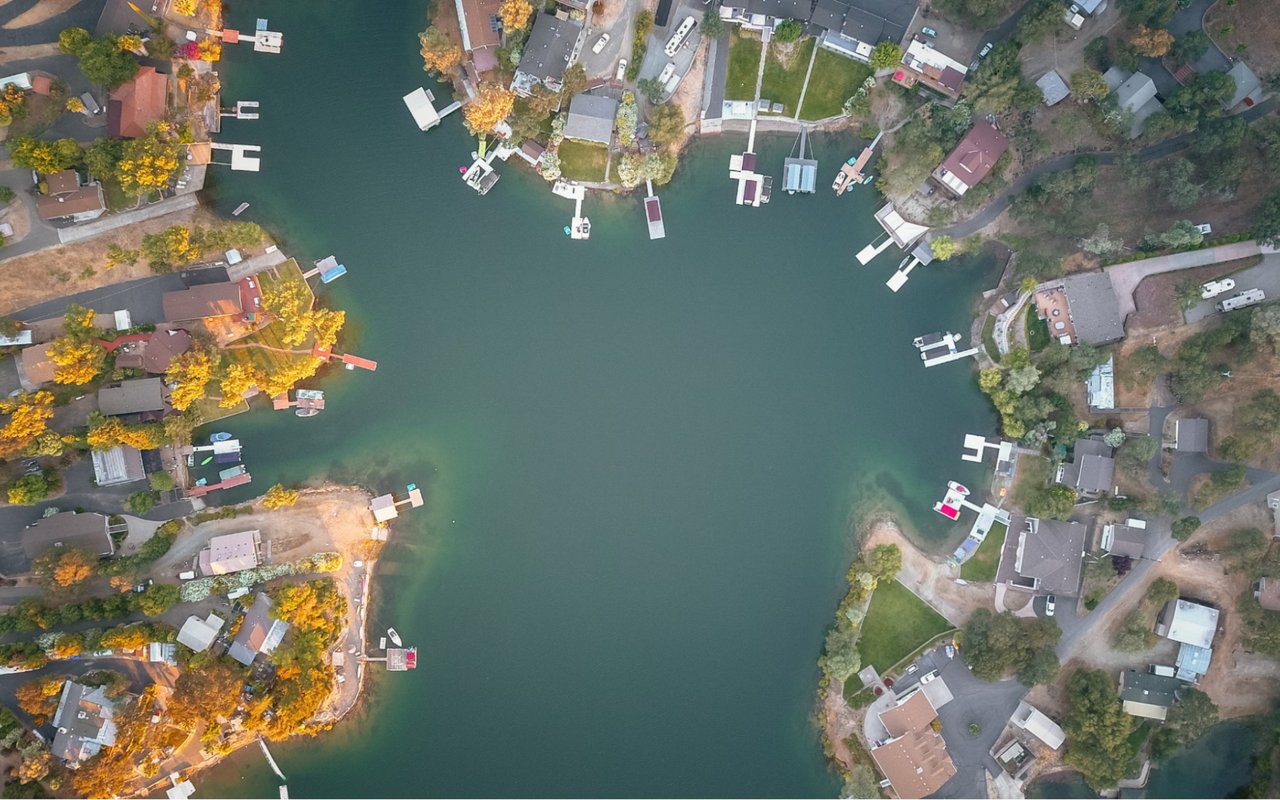
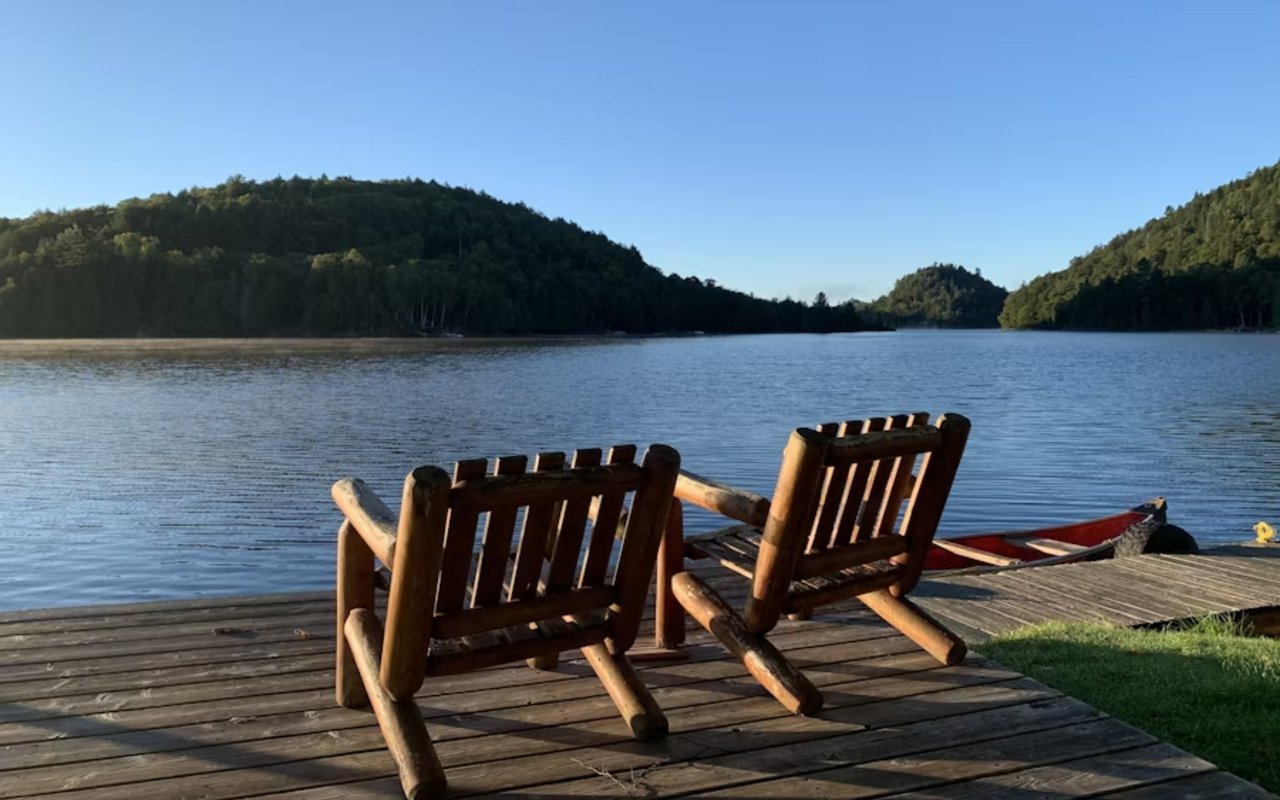
Lake Lotawana is a private lake community in Jackson County, southeast of the Kansas City metro. According to the City of Lake Lotawana, it is the largest private lake in the Kansas City area, with 480 acres of surface water and 27 miles of shoreline. It is also a short drive to Lee’s Summit, Blue Springs, Kansas City, and Independence.
That combination gives you a different kind of lifestyle than a typical suburban neighborhood. You are not just buying a house near water. You are buying into a lake-centered community where recreation, shoreline access, and association oversight all play a bigger role in ownership.
What Daily Life Feels Like
Living on the water here tends to feel more structured than many first-time lake buyers expect. The city explains that roads around the physical lake are overseen by the Lake Association, while the city handles sewer service, police, municipal court, and zoning. That shared setup helps create consistency, but it also means ownership comes with more coordination.
In practice, that structure supports the community’s waterfront identity. Instead of a loose, anything-goes lake environment, Lake Lotawana operates with clear expectations around shoreline use, boating, and property improvements. If you value order and long-term stewardship, that may feel like a benefit.
Lake Recreation Shapes the Lifestyle
Water activity is at the center of life in Lake Lotawana. The city highlights a wide range of recreation, including sailing regattas, speed boating, pontoon boating, kayaking, canoeing, water skiing, tubing, swimming, fishing, and even ice boating. That gives the lake a broad appeal for buyers who want active weekends close to home.
The Missouri Yacht Club adds another layer to that culture. Founded in 1933 to encourage boating, sailing, and seamanship, the club continues to promote both competitive and pleasure sailing. Its calendar includes races, dinners, ski events, and seasonal gatherings, which shows how much of the lake’s social life centers on the water.
The Social Side of the Lake
The social scene here is more lake-oriented than commercial. You will not find a large entertainment district or a long row of waterfront bars and restaurants. Instead, the setting is shaped by a mix of public and club-style gathering places.
Marina 27 says it is the only restaurant open to the public on Lake Lotawana. The research also notes café and club dining options in the area, including Bean & Vine Café and Canoe Club, with seasonal hours, patio seating, specials, and event space. For many buyers, that means the lifestyle is more about recurring local gathering spots than nonstop nightlife.
Seasons Matter More Than You Think
Warm weather is the main season for activity on the lake. Based on National Weather Service climate normals for the Kansas City area, summer highs typically reach the upper 80s in July and August, which helps explain why boating and outdoor events peak then. That is when the shoreline tends to feel most active.
Winter brings a different pace. Highs in December and January are generally around the low 40s, so the community naturally slows down. Still, because the city specifically mentions ice boating as part of the lake’s recreation mix, winter is not simply off-season. It is just a quieter version of lake life.
Waterfront Homes Can Fit Different Goals
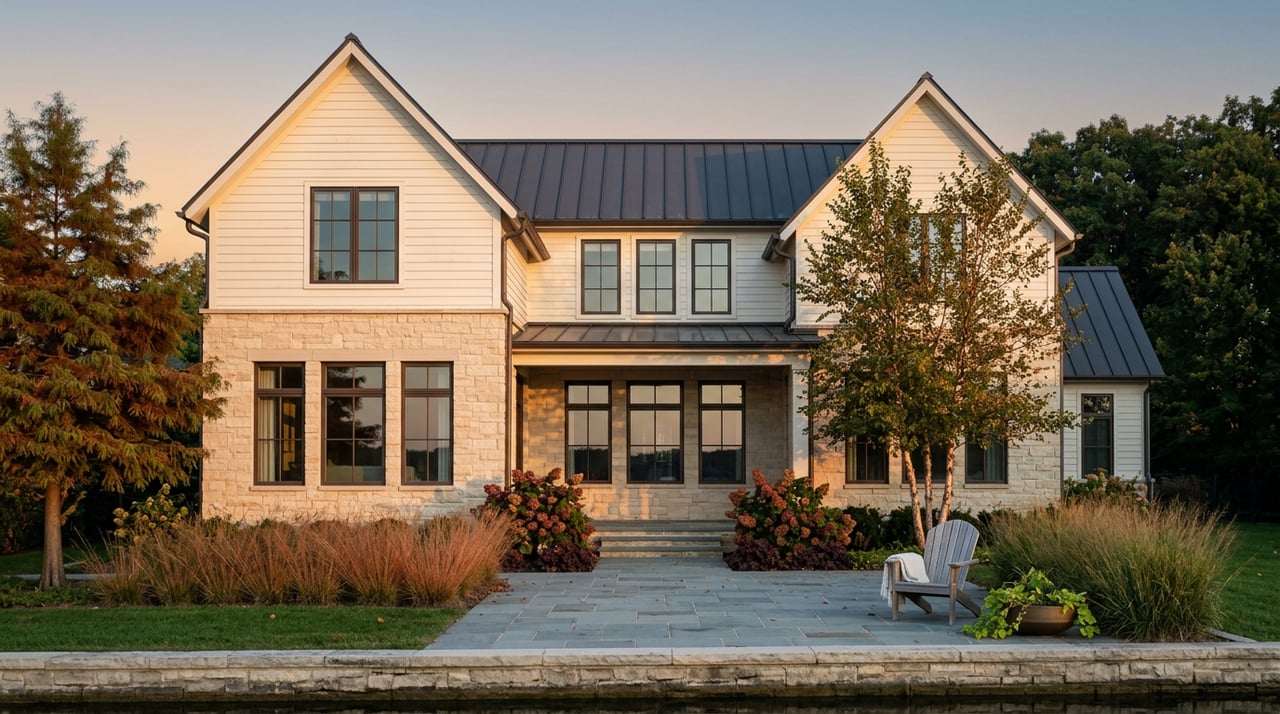
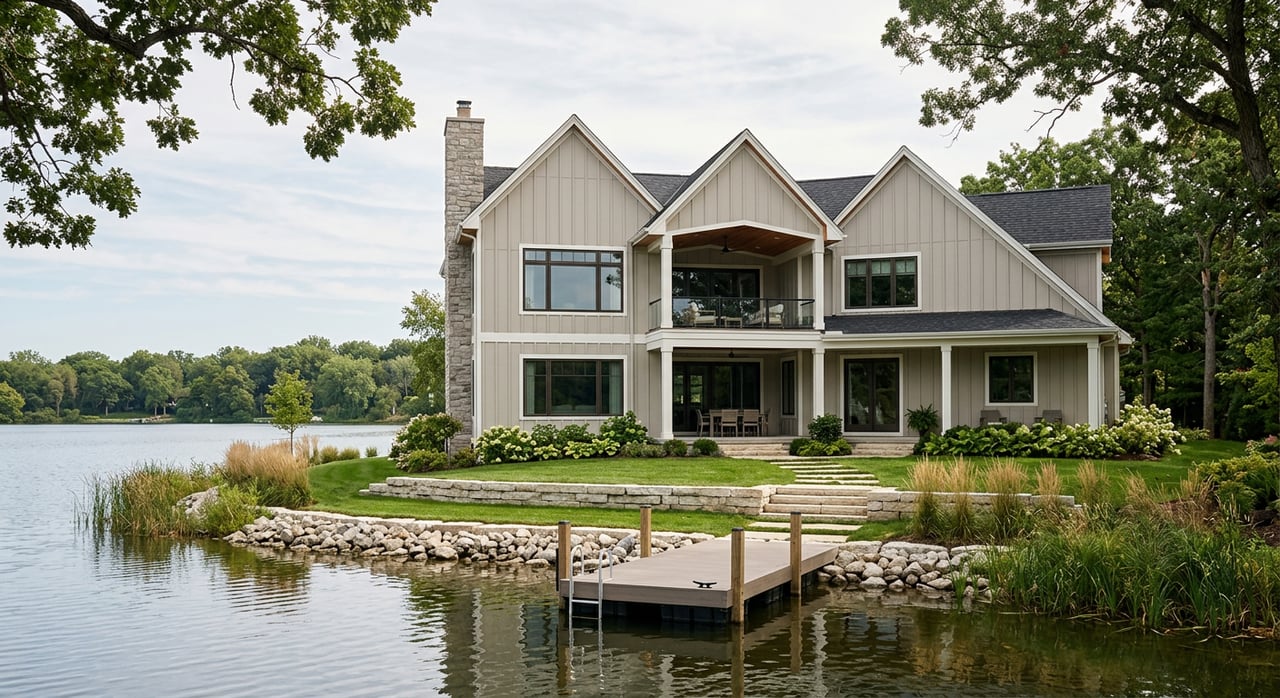
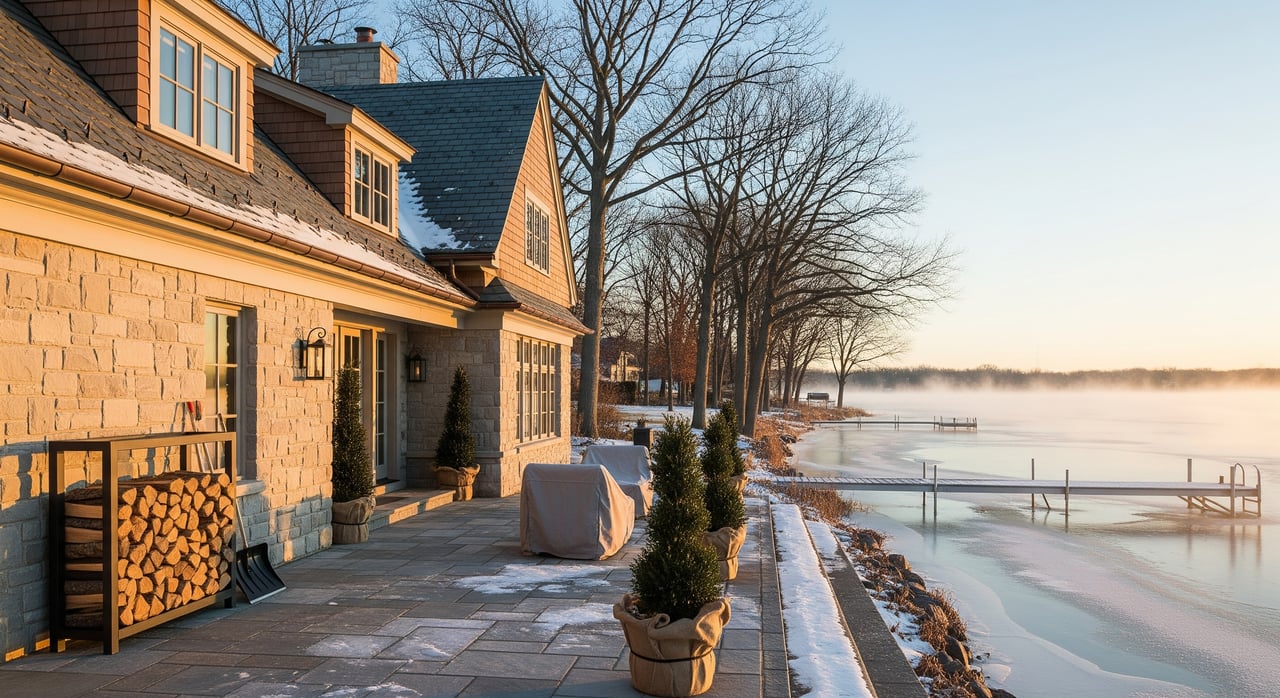
One of the most useful things to understand about Lake Lotawana is that buyers do not all use these homes the same way. Some properties work well as weekend retreats, while others make sense as full-time residences. That flexibility can appeal to buyers who are still deciding what kind of lake lifestyle they want.
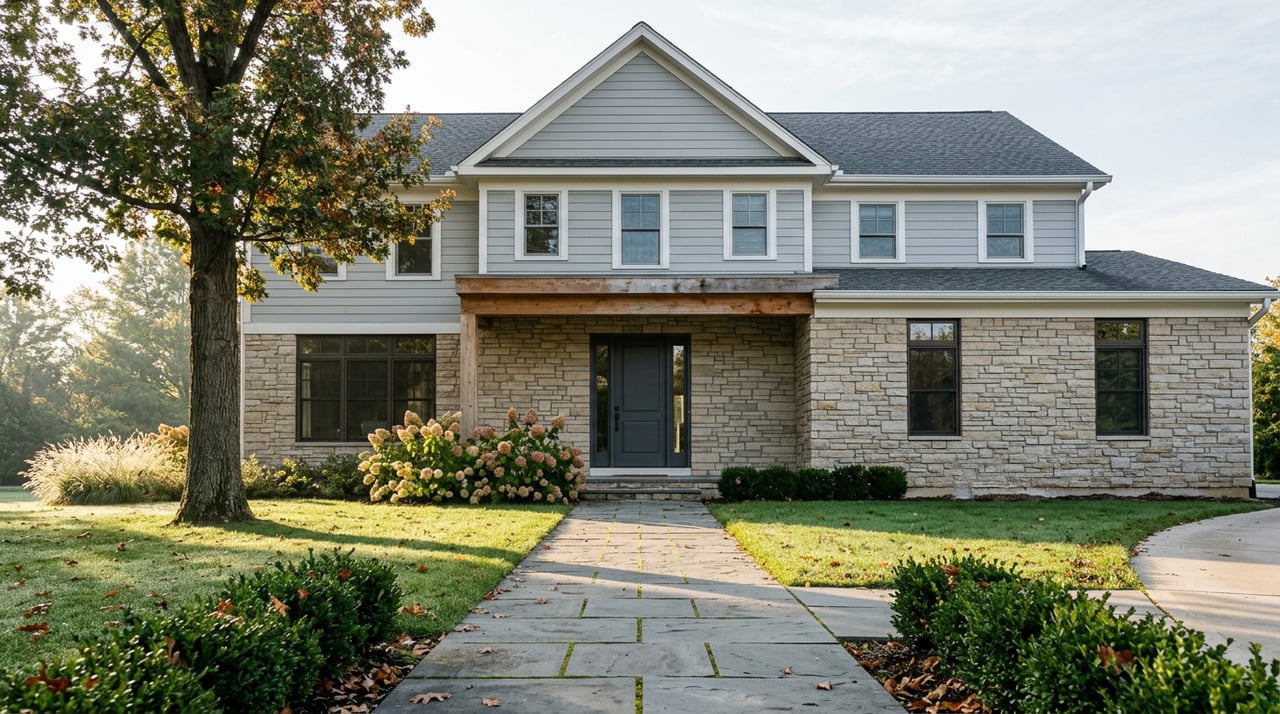
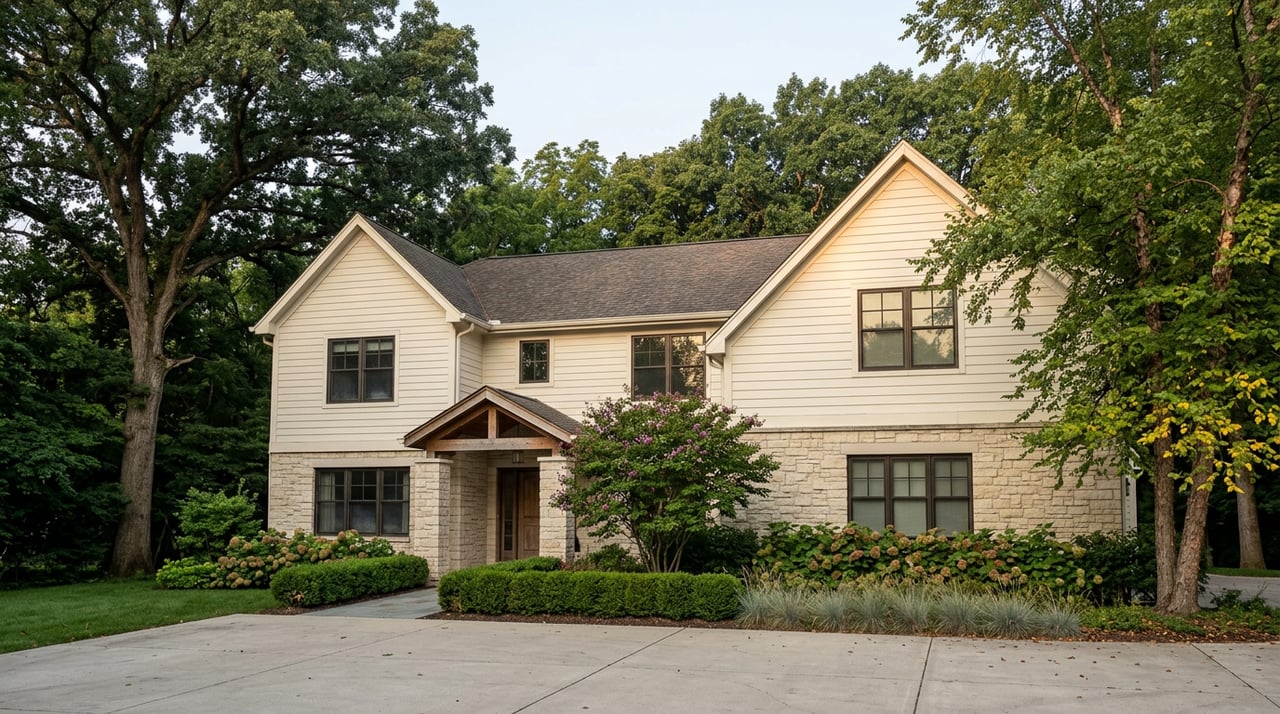
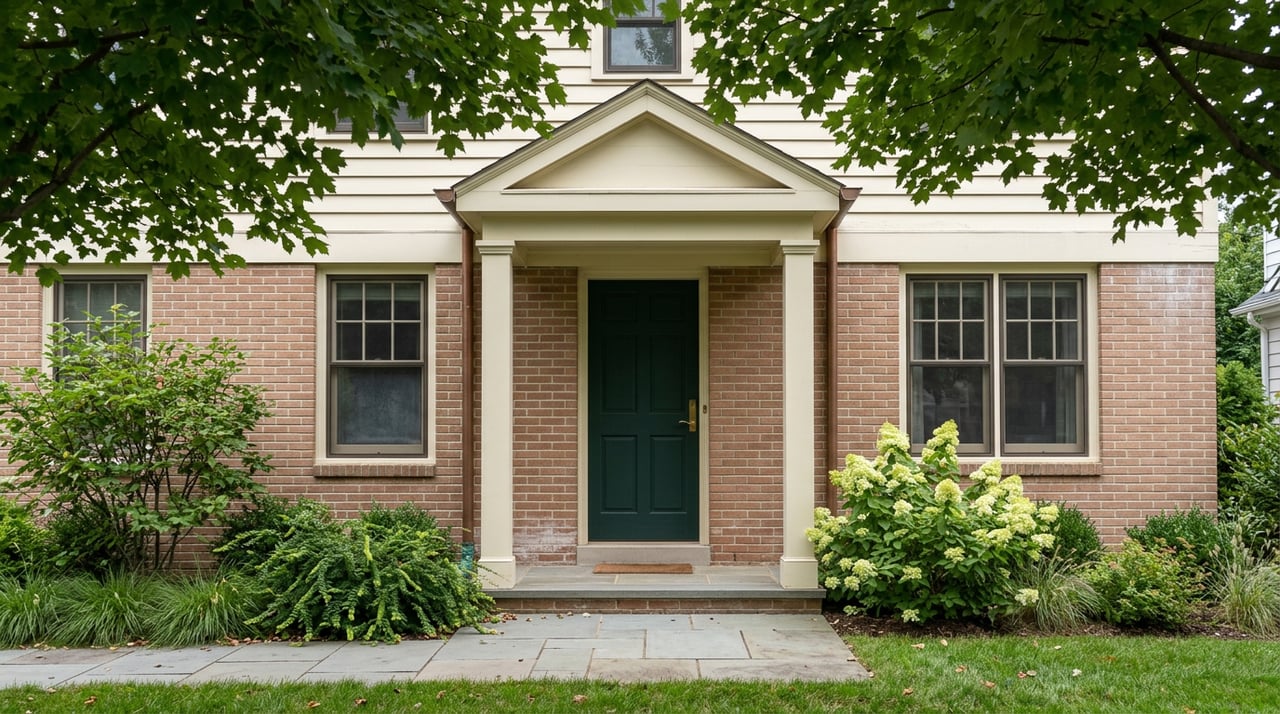
Architectural examples from NSPJ Architects show both a lakeside cabin and a lake-view home that was originally planned as a vacation property before becoming a primary residence. That is a helpful real-world example for buyers in the early stages. A home here can support either goal, depending on the property and your plans.
What Buyers Often Want in a Lake Home
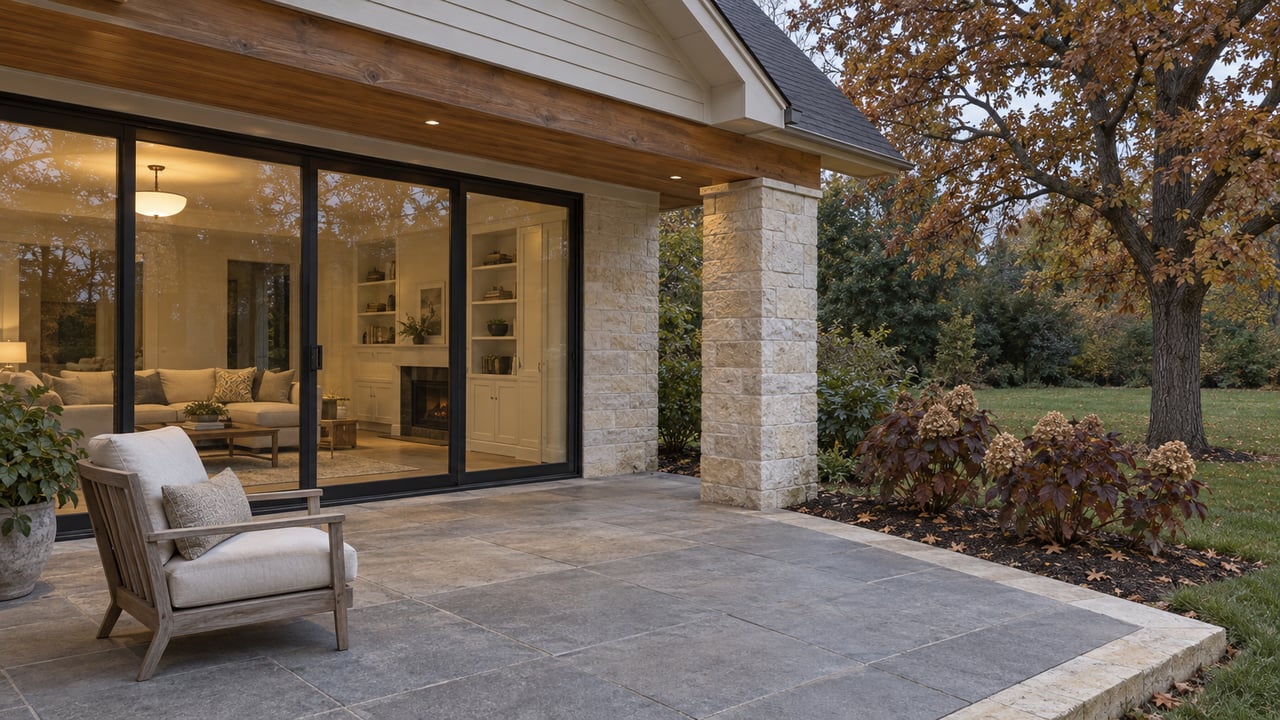
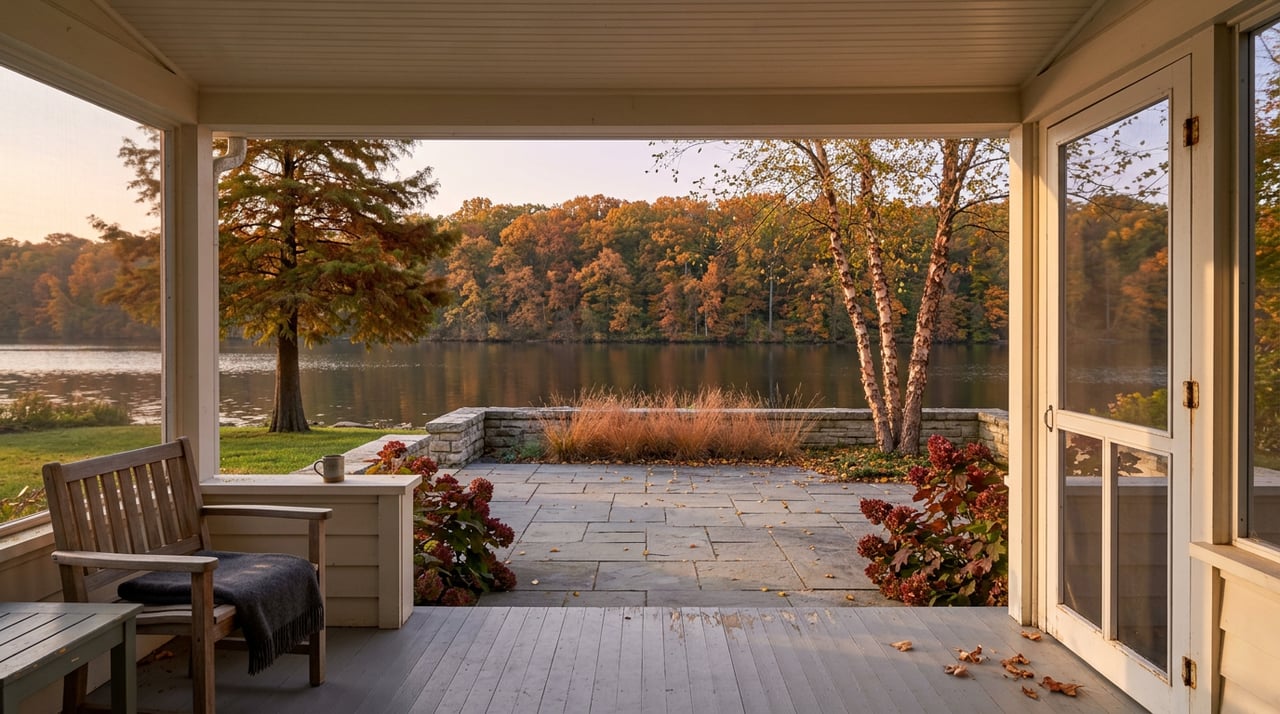
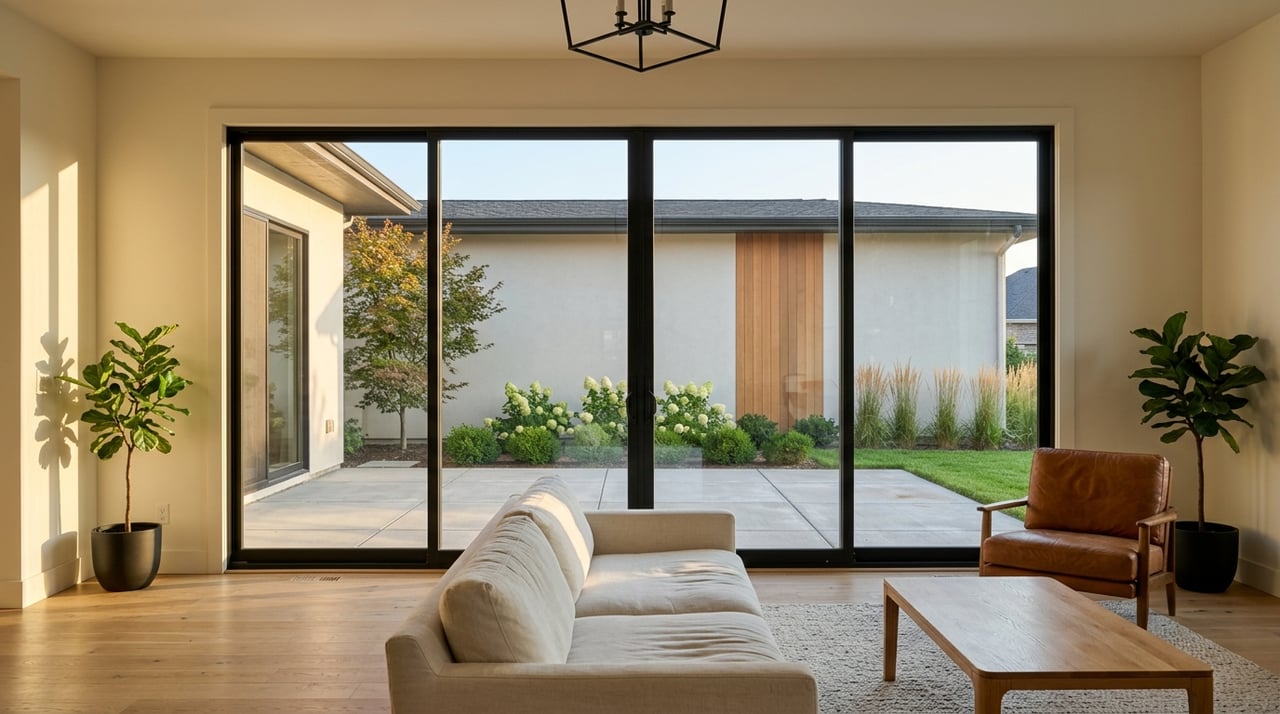
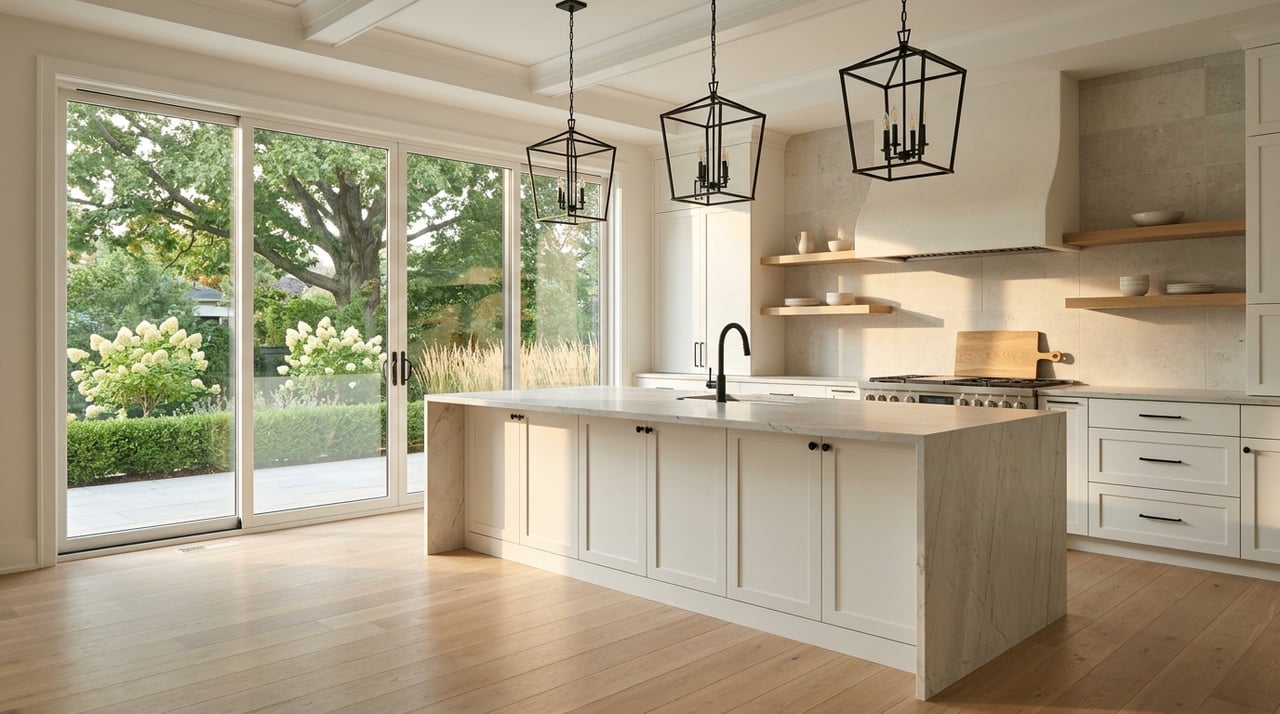
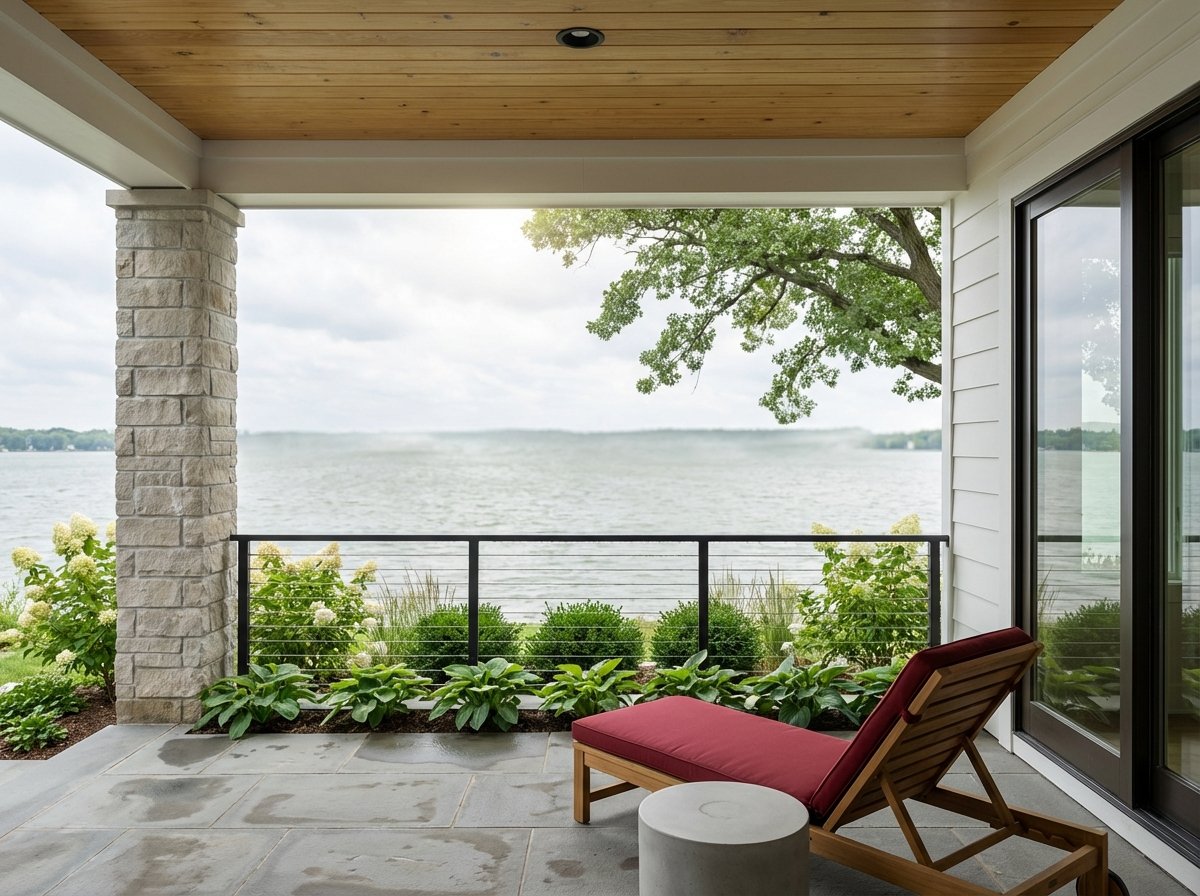
Many lake buyers are looking for more than direct water access. They also want a home designed to make the setting part of everyday living. Features like large windows, patios, and outdoor gathering areas often matter because they connect the interior of the home to the shoreline.
That same NSPJ Architects lake-view project highlights how much design matters in waterfront living. The appeal is not just the lot itself. It is how the property frames the view and supports outdoor use.
Understand Lake Access Rules Early
This is one of the biggest points to understand before you buy. Lake Lotawana is not a public-lake model where access feels automatic and open-ended. The deed restrictions state that owners, their families, and bona fide guests may use the lake for activities such as boating, bathing, fishing, ice skating, ice boating, anchoring boats, and shoreline parkway use for swimming and fishing, but that use is tied to compliance with assessments and association rules.
You can review that framework in the Lake Lotawana deed restrictions. For you as a buyer, the main takeaway is simple: access is tied to ownership and rule compliance. That is a very different setup from a public recreational lake.
Dock Rights Are Not Automatic
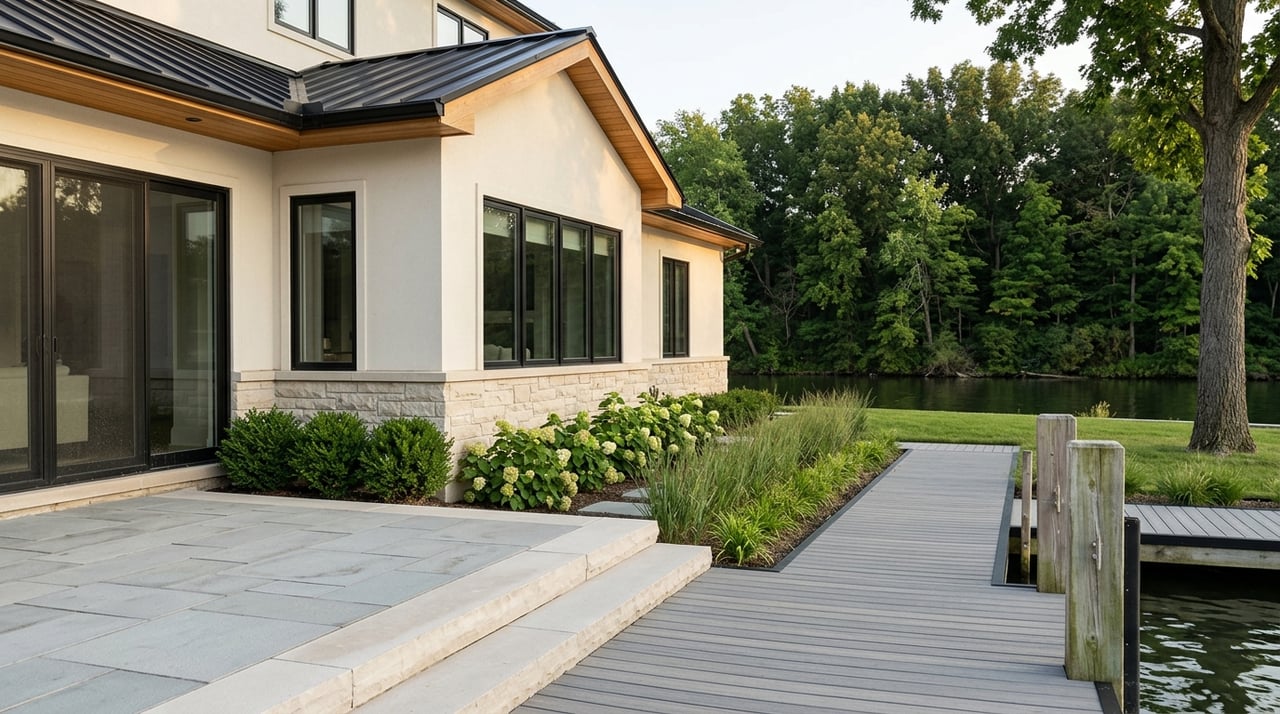
Many buyers assume a dock transfers with a lake property in a straightforward way. At Lake Lotawana, the process is more specific. The association’s dock registration form says dock placement is a revocable license, the permit is personal, and it does not transfer with the sale of the lot.
That same form says a new owner must apply for a new permit, annual registration must be in place by May 1, and no permit will be issued until dues and fees are current. If a dock is important to your plans, this should be part of your due diligence from day one.
Renovations Require Planning
If you are thinking about improving a waterfront home, expect more process than you might in a standard neighborhood. The association’s construction permit materials explain that dues must be current before a permit is processed, and some applications go before the Lake Improvement Board. Site drawings also need to show existing and proposed work.
Dock-related projects can require even more detail, including an aerial photo, site plan, photos, elevations, and the location of all docks within 50 feet of the proposed work. The association also states that enclosed boathouses are not permitted for new construction. On top of that, the city’s permitting process tells applicants in the Lakeside Residential zoning district to check with the association about its separate requirements.
Budget for More Than the Purchase Price
Lake living often comes with extra costs, and Lake Lotawana is no exception. The association’s fee schedule includes charges for construction permits, road-impact fees, and dock-impact fees for projects such as docks, decks, roofs, seawalls, and new houses. Those costs matter if you are buying a property with plans to update it.
This does not make ownership less appealing, but it does make planning more important. A home that seems like a strong fit on the surface may look different once you factor in improvement costs, approvals, and timelines.
Safety Rules Are Part of Ownership
Waterfront ownership also means paying attention to dock safety requirements. The association’s dock electrical safety rules require shore-based GFCI disconnects, prohibit exposed wiring, and do not allow overhead lines feeding a dock. The association also notes that unsafe docks can be shut down and that violations may lead to enforcement.
For buyers, that is another sign that the community takes a managed approach to shoreline safety. If you are evaluating an existing dock or planning updates, these rules should be part of the conversation early.
Boat Rules Can Affect Fit
Not every boating style works here. The association states that no boat will be registered or allowed on the lake if it uses a wake-enhancing device. It also says boats with built-in ballast systems or similar wake features must have those systems disabled or removed.
You can see that policy in the association’s wake-enhancement rule. If your ideal lake life centers on sailing, cruising, family boating, or traditional tow sports, Lake Lotawana may feel like a strong fit. If your top priority is wake-focused boating, this is a key limitation to understand before you buy.
Is Lake Lotawana the Right Fit?
For the right buyer, Lake Lotawana offers something hard to find: a real waterfront lifestyle close to the Kansas City metro. You get shoreline living, strong boating culture, and a setting that feels distinct from a typical suburban neighborhood. You also get a more regulated ownership experience, with dock rules, permitting layers, and specific boating limitations.
That is why preparation matters so much here. When you understand the rules, costs, and rhythms of the community upfront, you can buy with more confidence. If you are considering a lakefront or lake-view home in this area, working with a local team that understands both the lifestyle and the process can help you make a smarter move. When you are ready to talk through your options, connect with Bryan Huff.
FAQs
What is it like to live on the water in Lake Lotawana?
- Living on the water in Lake Lotawana means being part of a private lake community with boating, seasonal events, and a more regulated ownership experience than a typical suburban neighborhood.
Do Lake Lotawana homes come with automatic dock rights?
- No. Dock placement is governed by association approval, annual registration, and compliance with dues and fees, and dock permits do not automatically transfer to a new owner.
Can you use wake boats on Lake Lotawana?
- Lake Lotawana does not allow boats that use wake-enhancing devices, and boats with built-in ballast or similar wake features must have those systems disabled or removed.
Are waterfront renovations in Lake Lotawana easy to do?
- Renovations usually require planning, current dues, permit applications, and supporting documents, and some projects may need additional review through the association.
Is Lake Lotawana good for full-time living or just weekend homes?
- The lake can support both, since examples in the market show properties used as vacation homes as well as primary residences.