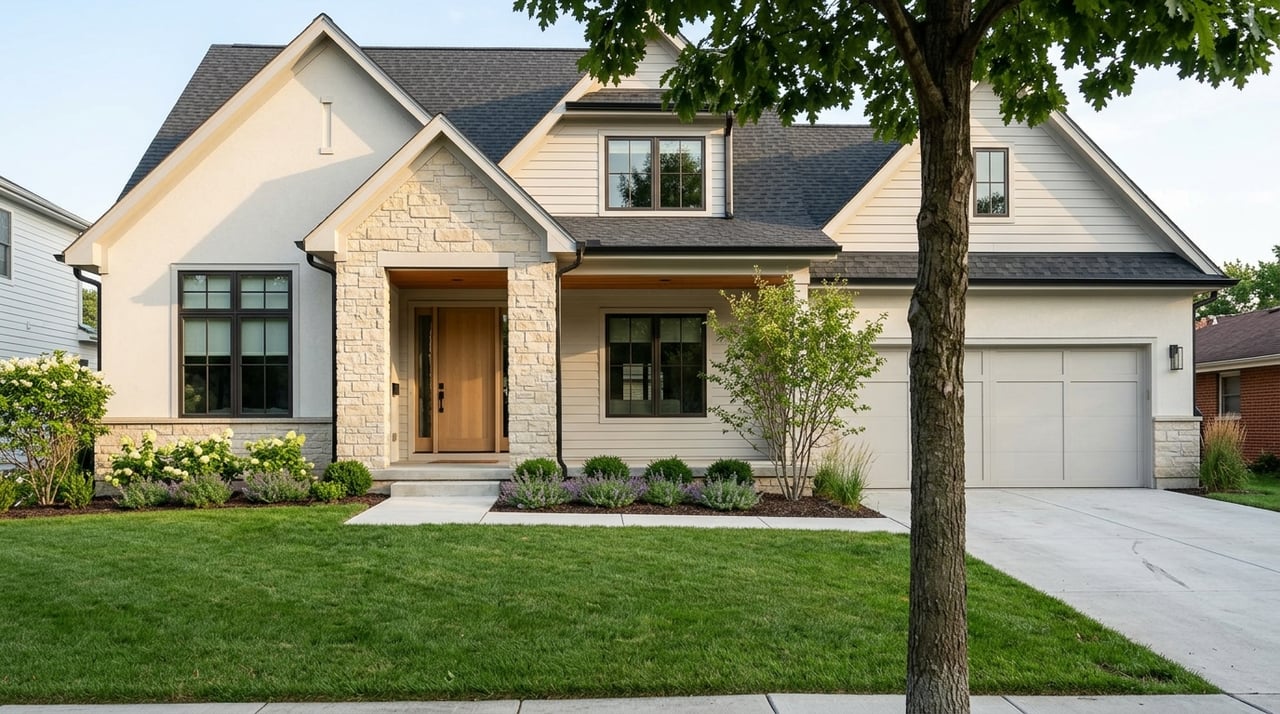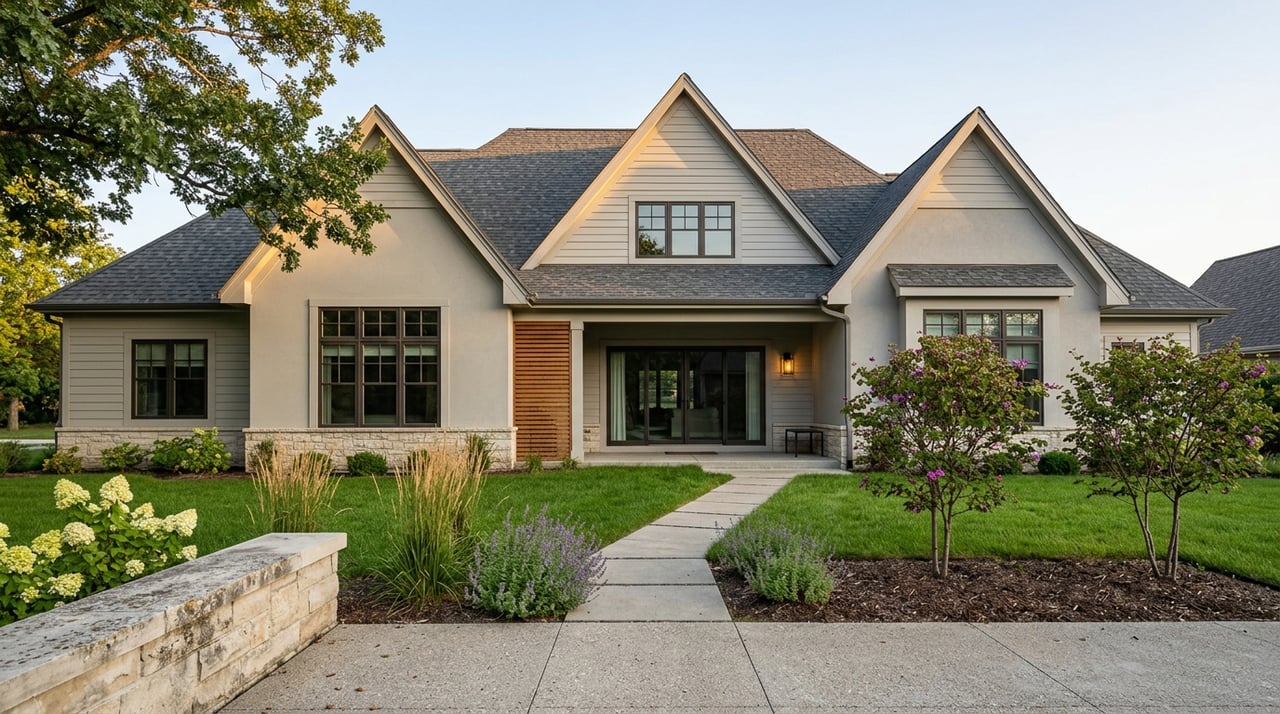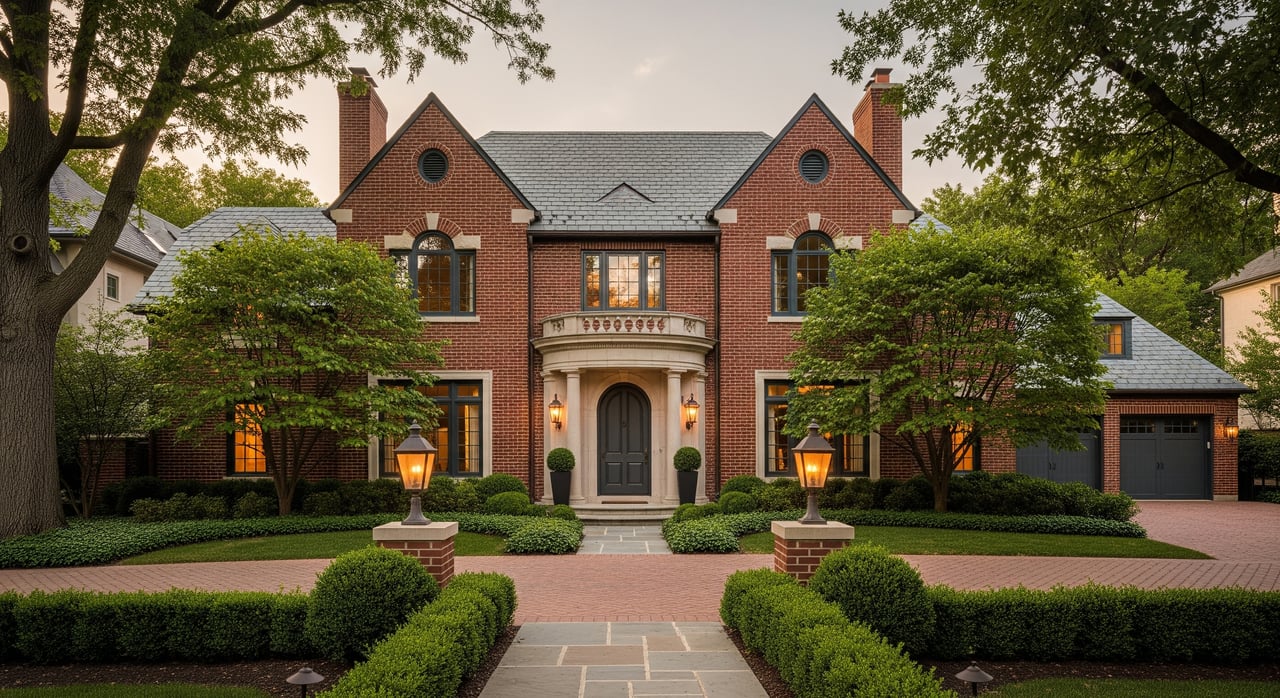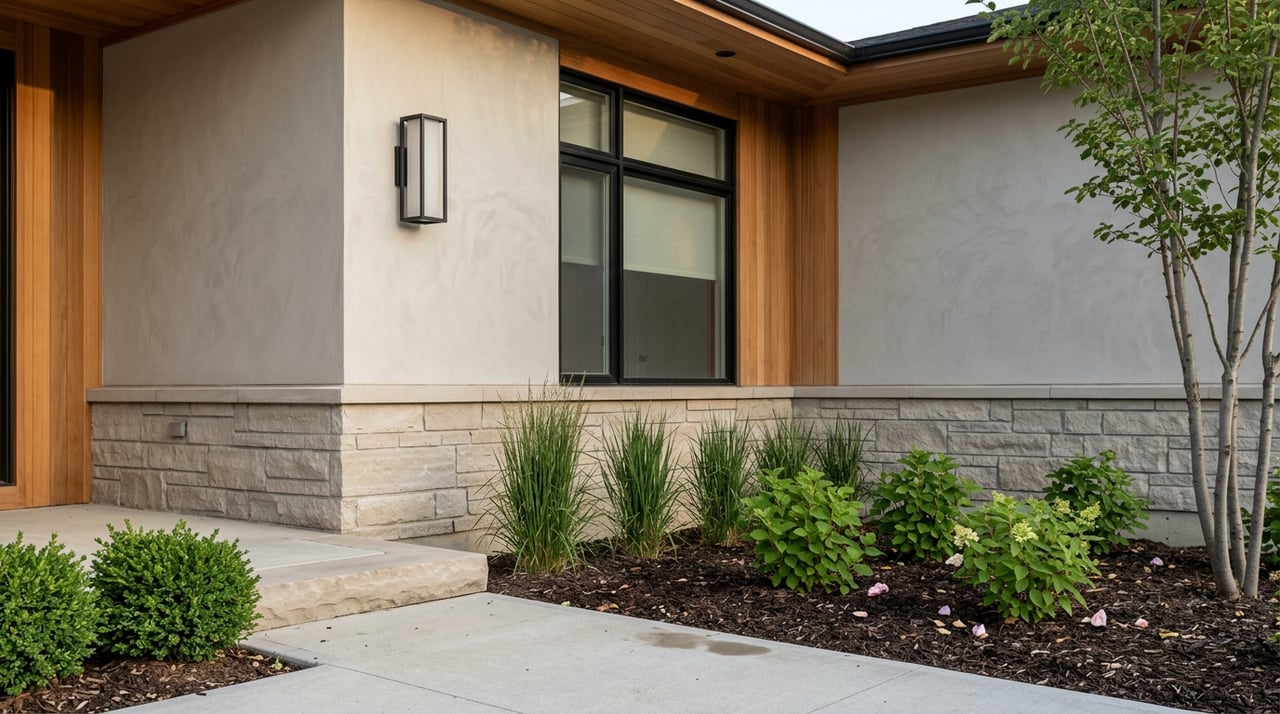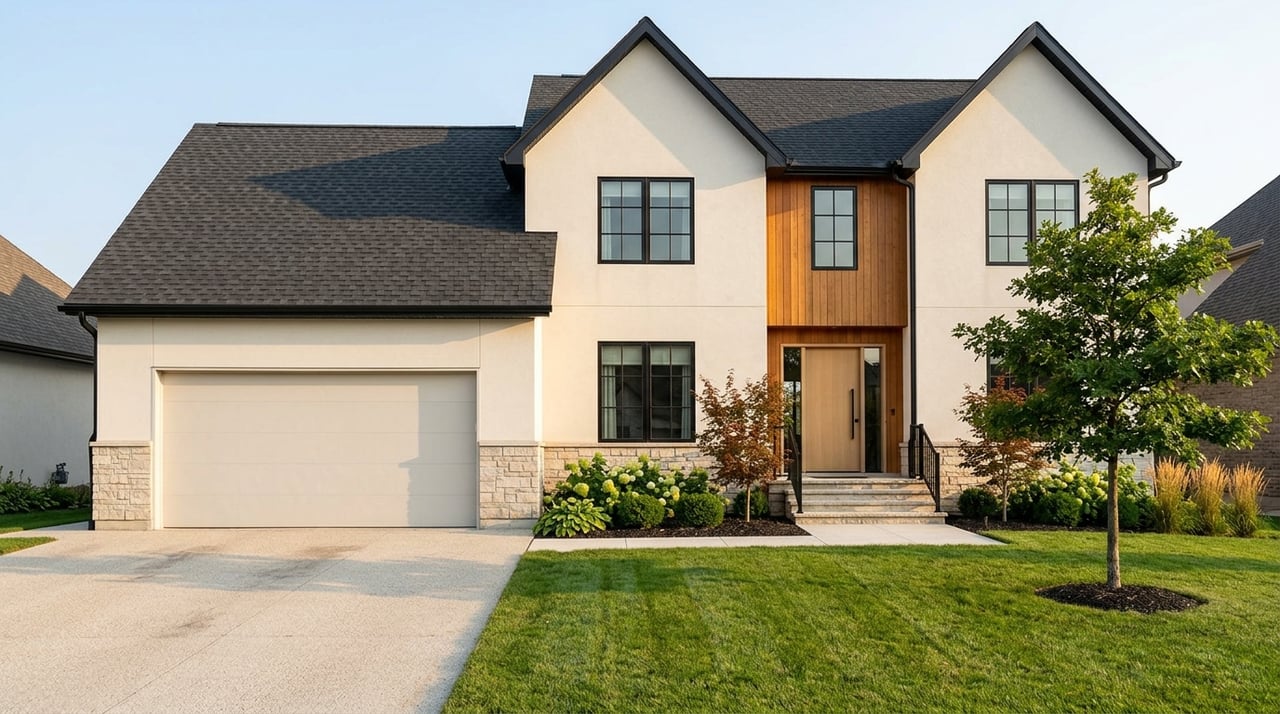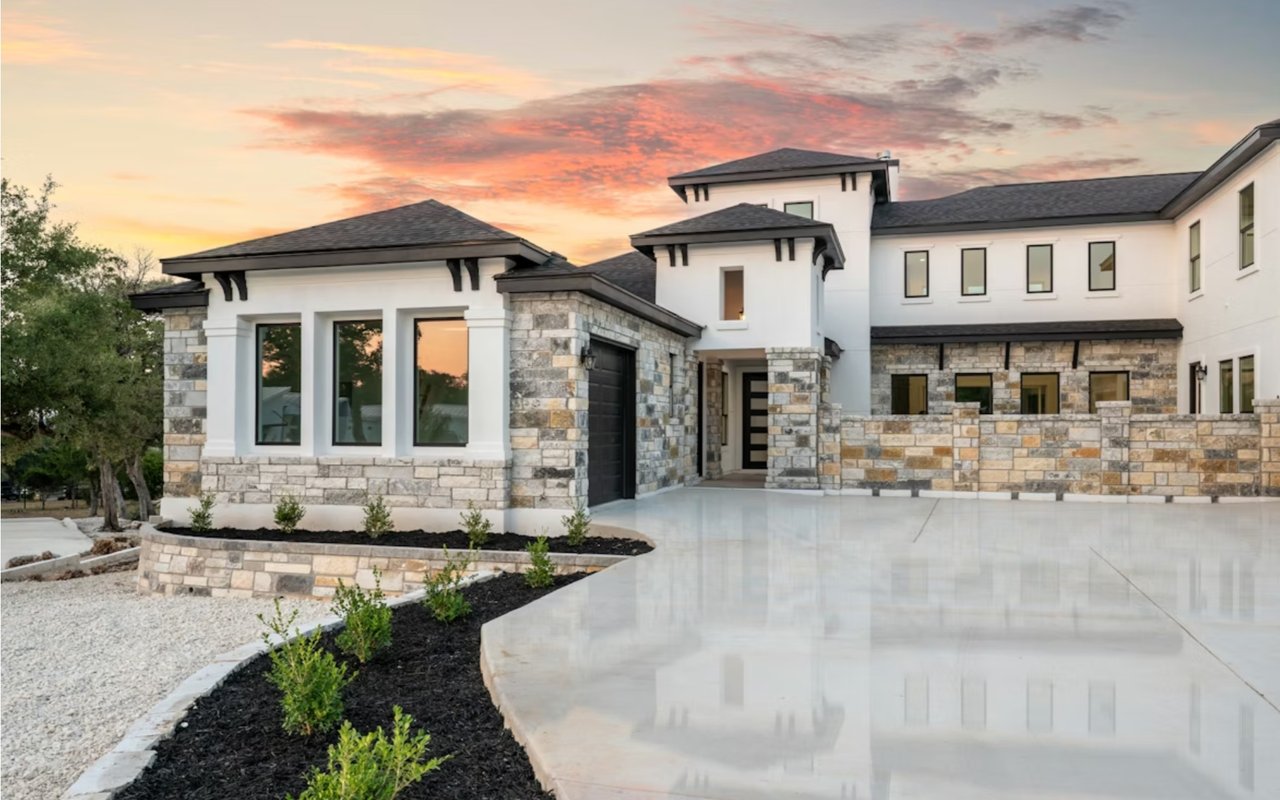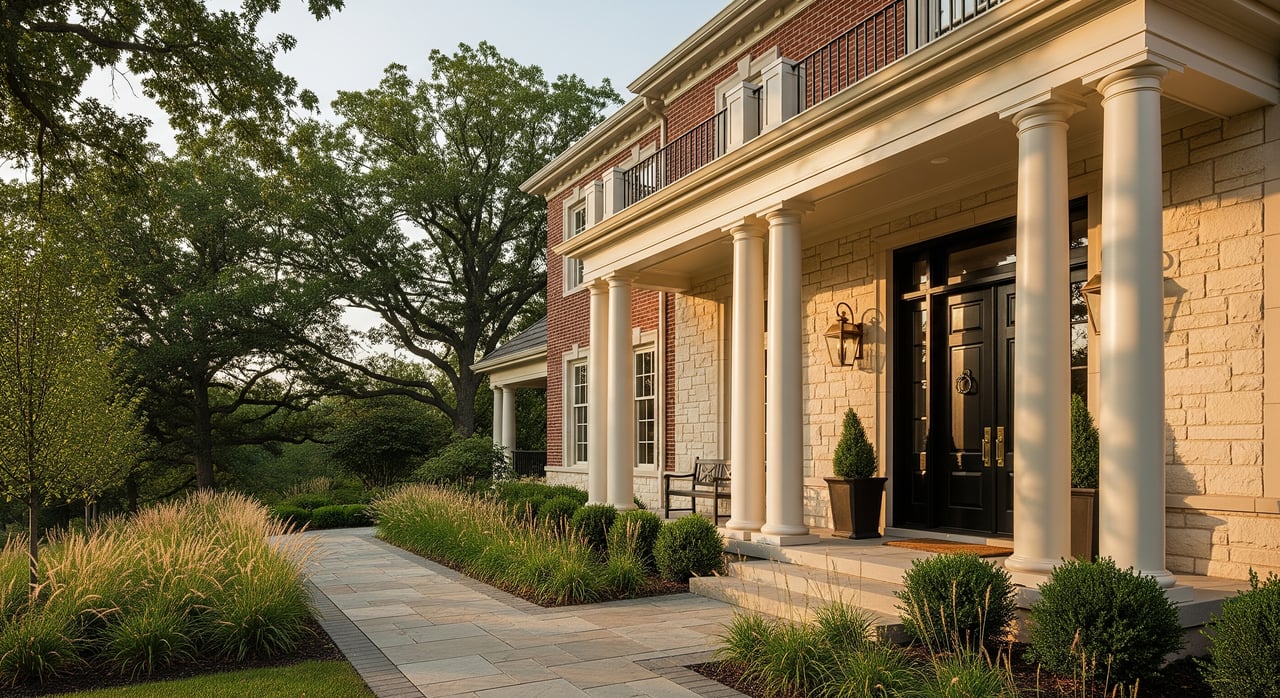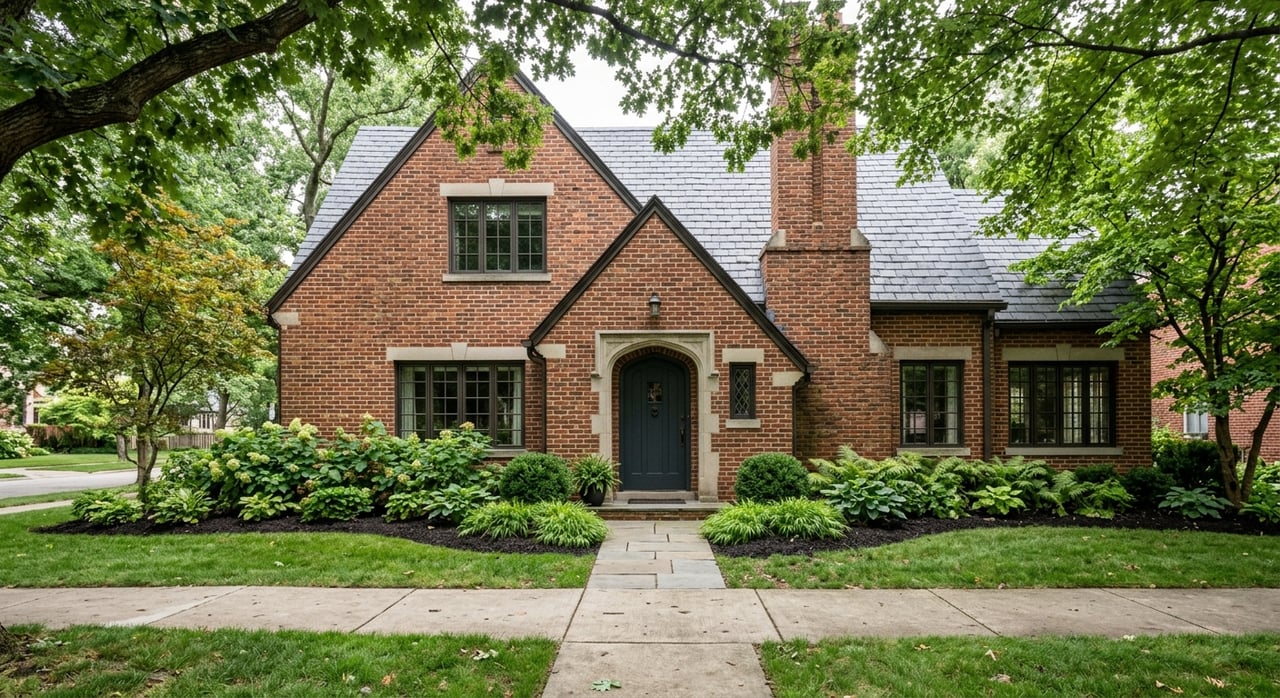
Trying to choose between Prairie Village and Overland Park? At first glance, they can seem similar since both are popular Johnson County options with strong buyer demand. But once you look closer, the differences in housing stock, price points, school-district setup, and day-to-day feel can shape your search in very different ways. If you want to narrow your options with more confidence, this guide will help you compare what matters most. Let’s dive in.
Prairie Village vs. Overland Park at a glance
Prairie Village and Overland Park are close in distance, but they function as different home search markets. Based on the available local and public data, Prairie Village is smaller, more owner-occupied, and more consistent in housing character, while Overland Park offers a wider mix of neighborhood types, price points, and housing options.
For many buyers, the simplest way to think about it is this: Prairie Village often fits a search focused on established homes and renovation potential, while Overland Park often fits a search focused on variety and flexibility. That distinction can save you time as you decide where to concentrate your home search.
Schools and address research
Prairie Village school assignments
Prairie Village is entirely within Shawnee Mission USD 512. The city states that residents are served by nine district schools, including Shawnee Mission East High School and Indian Hills Middle School. At a citywide level, that makes Prairie Village easier to describe when you are comparing locations.
Even so, school assignment should always be verified for a specific address. If school boundaries matter in your search, Prairie Village usually offers a more straightforward starting point because the entire city is within one district.
Overland Park school assignments
Overland Park is served by four public school districts: Blue Valley, Olathe, Shawnee Mission, and Spring Hill. That means the city name alone does not tell you which district serves a property.
If you are considering Overland Park, it is important to evaluate each home by address, not just by neighborhood or ZIP code. This wider district mix can be a benefit if you want more options, but it also adds another layer to your search.
Housing styles and home character
Prairie Village homes
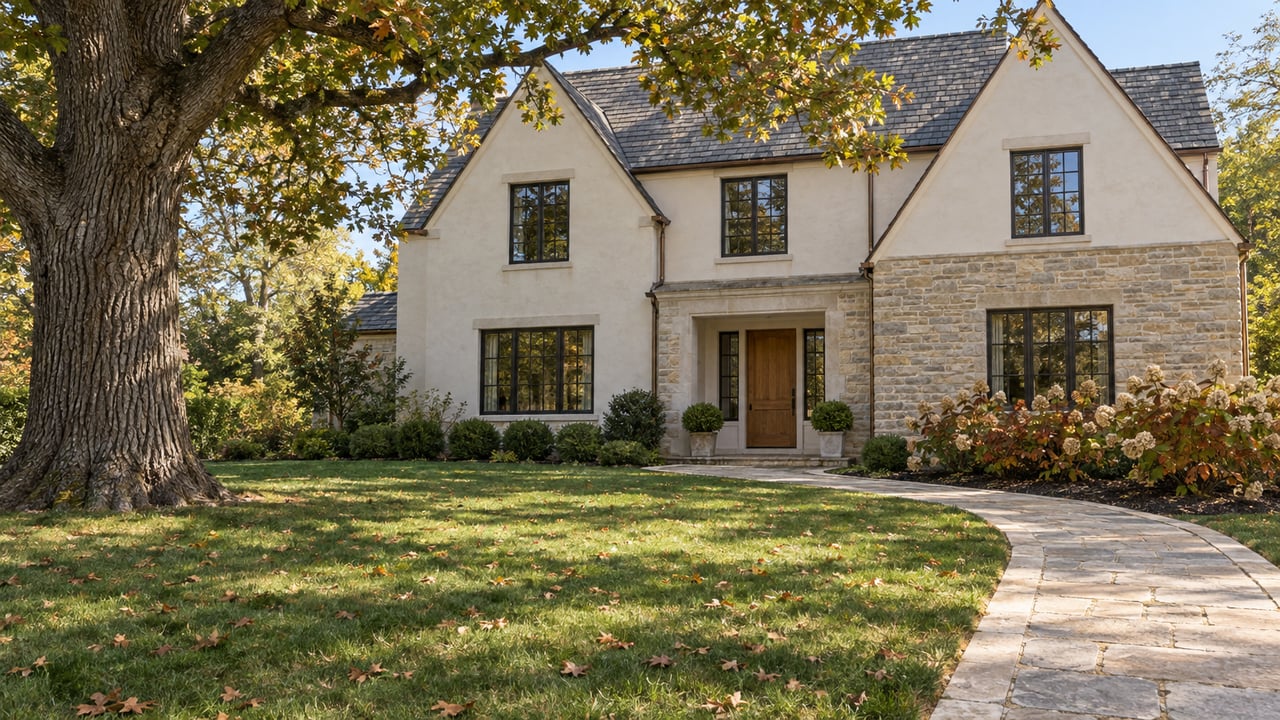
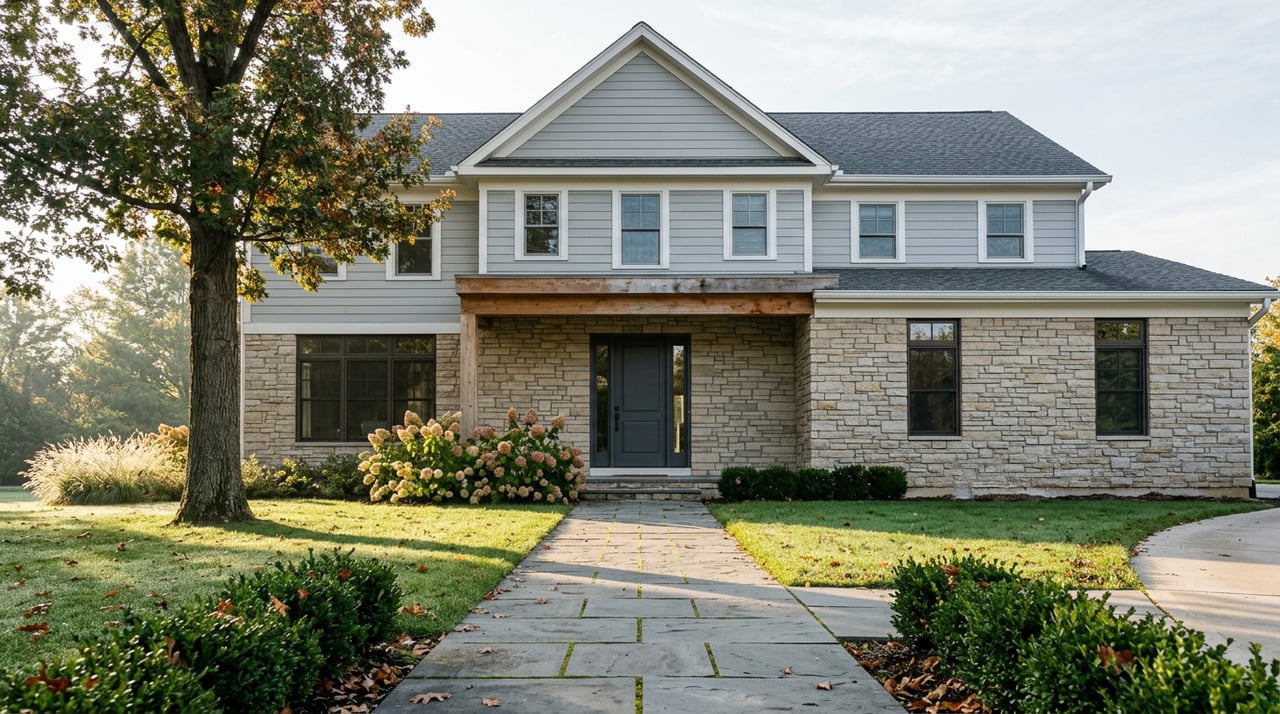
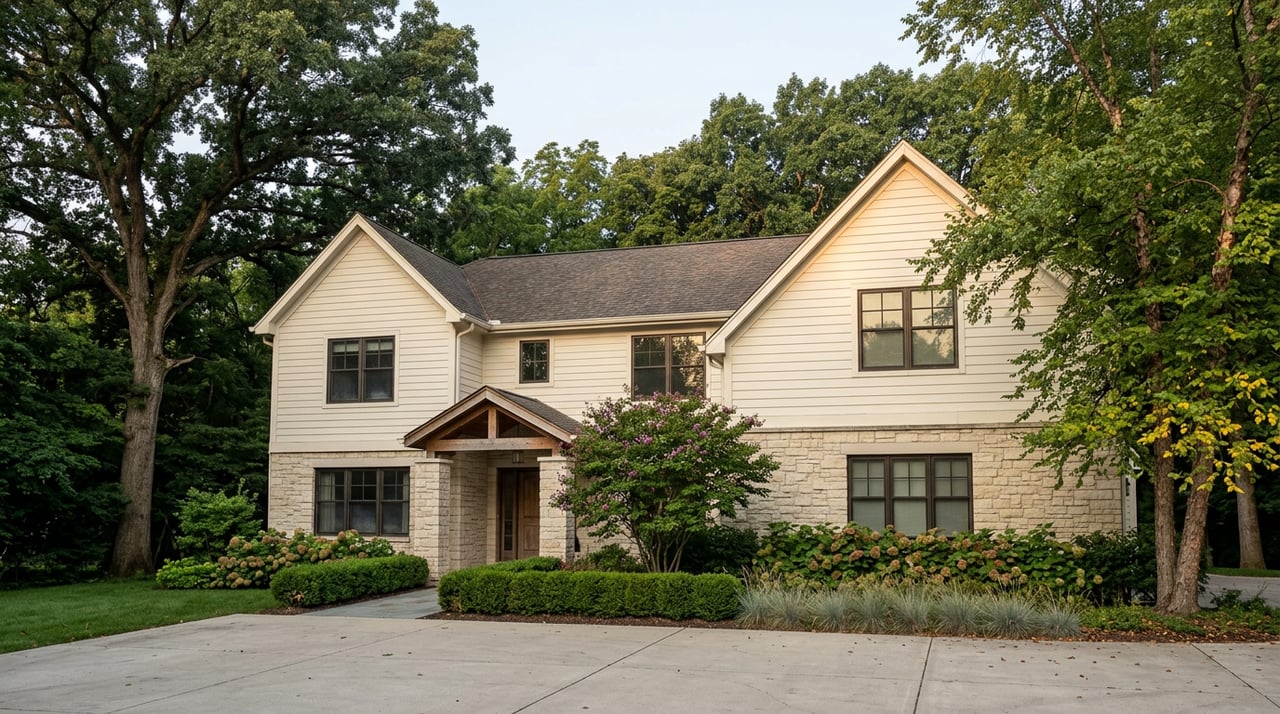
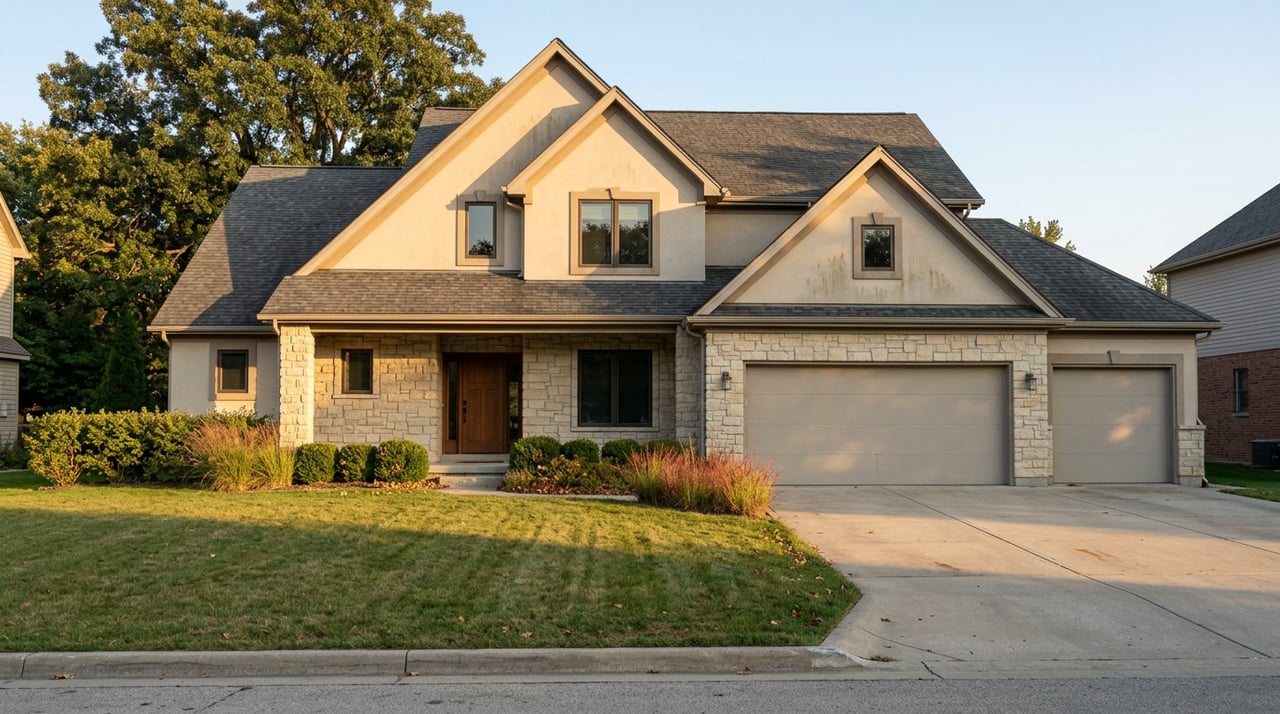
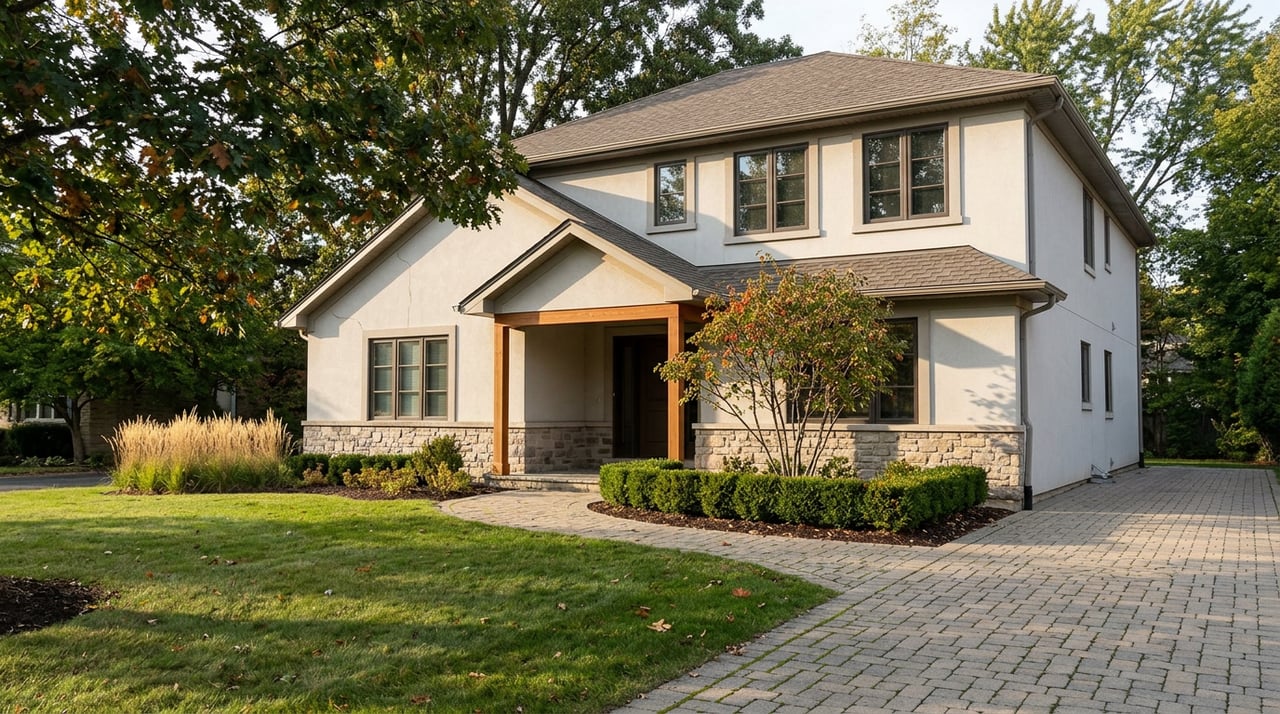
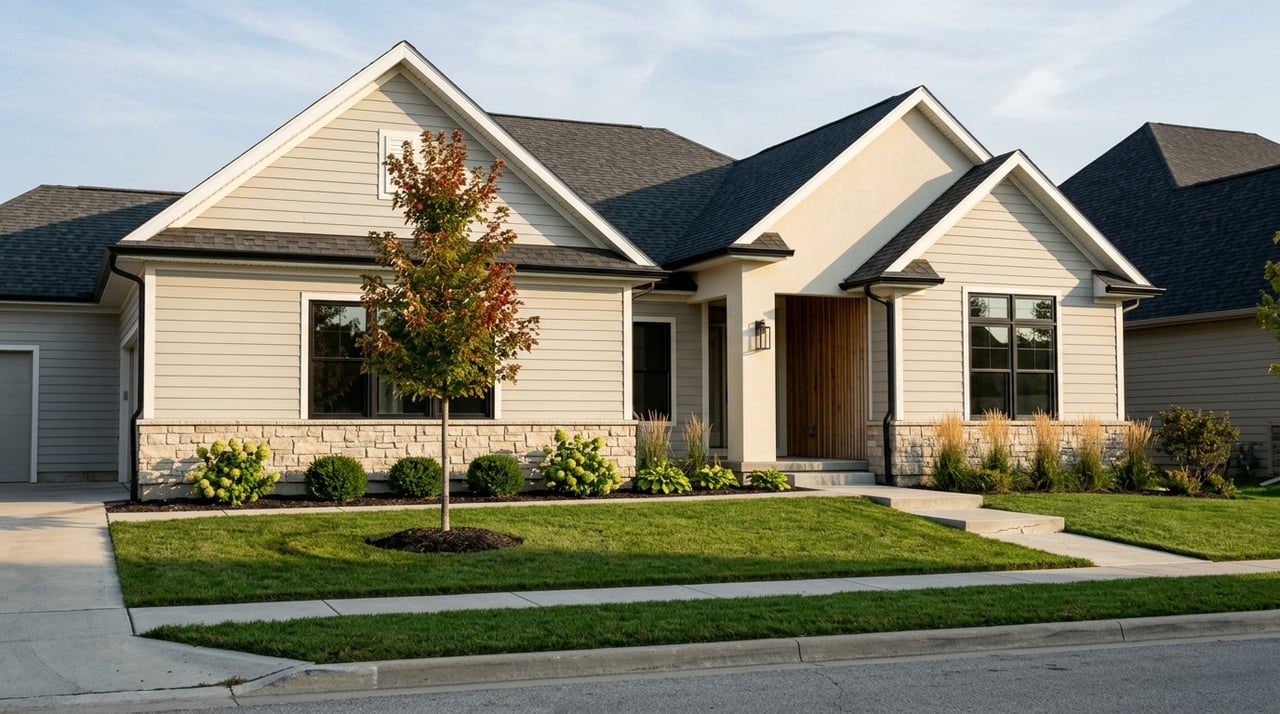
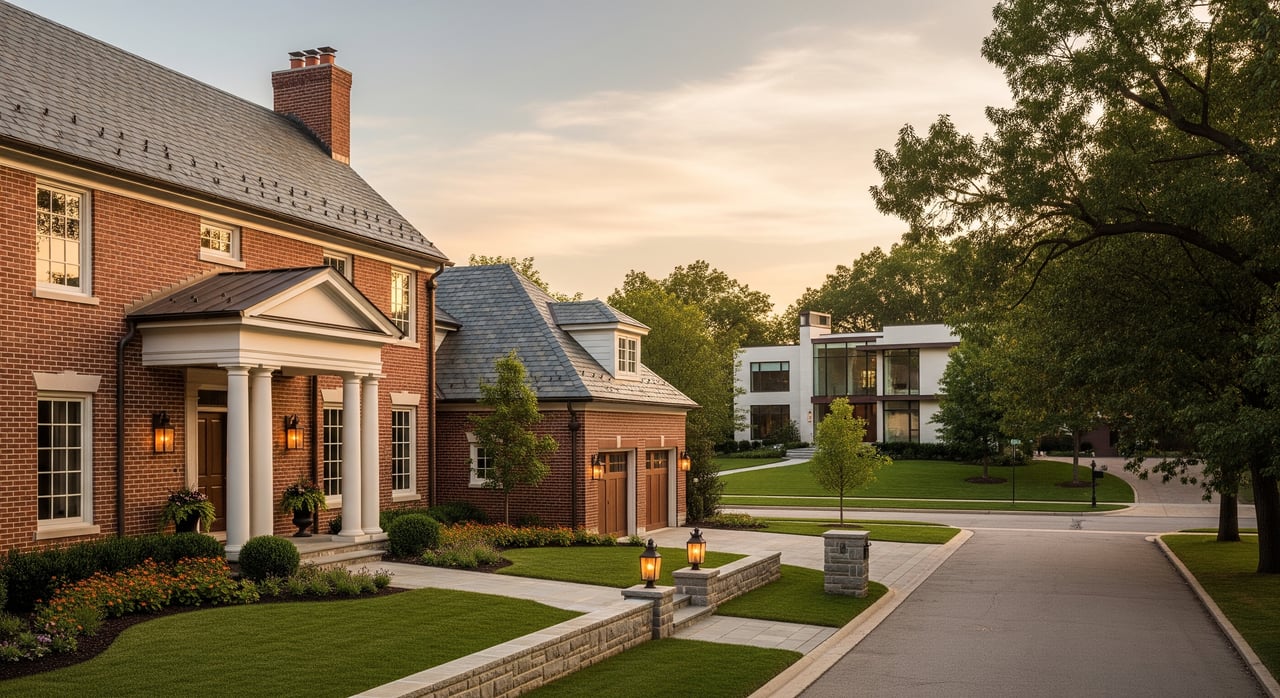
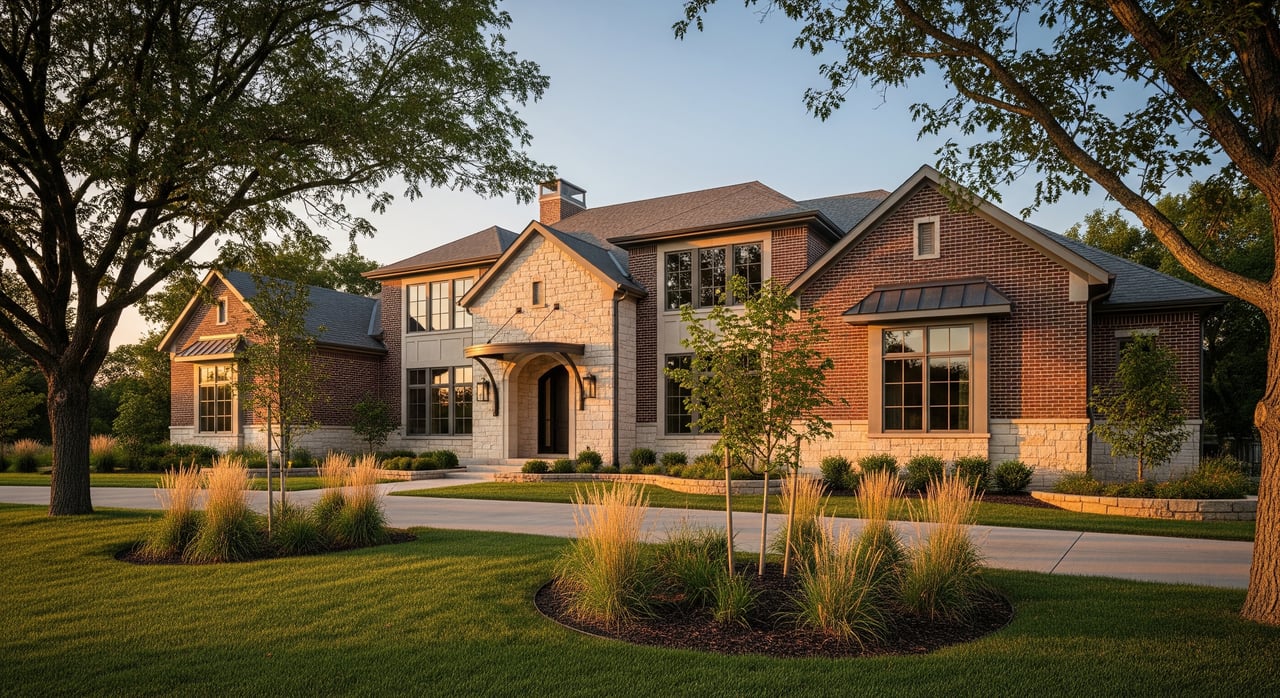
Prairie Village is known as a classic first-suburb market. According to the city’s housing and planning materials, most of its housing stock was built between 1950 and 1959, and much of the city is primarily single-family in character. The same city documents note that neighborhoods south of 83rd Street are primarily large-lot single-family areas, while neighborhoods north of 83rd Street are primarily narrow-lot single-family areas.
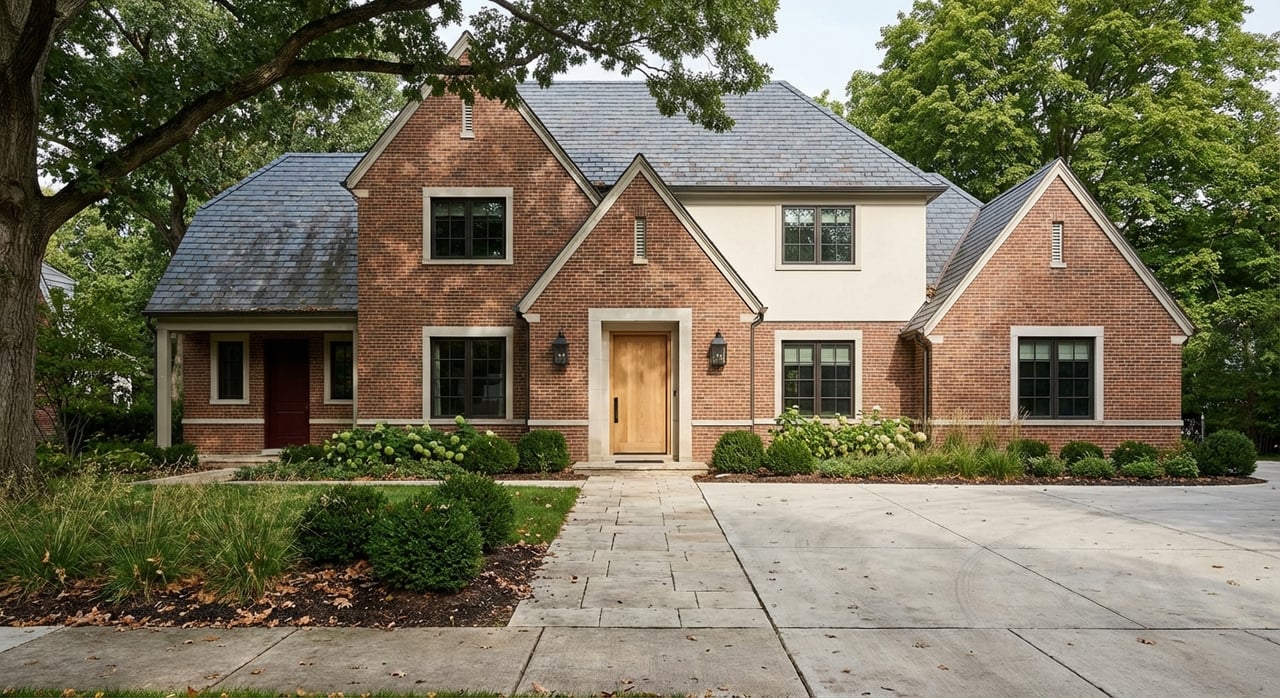
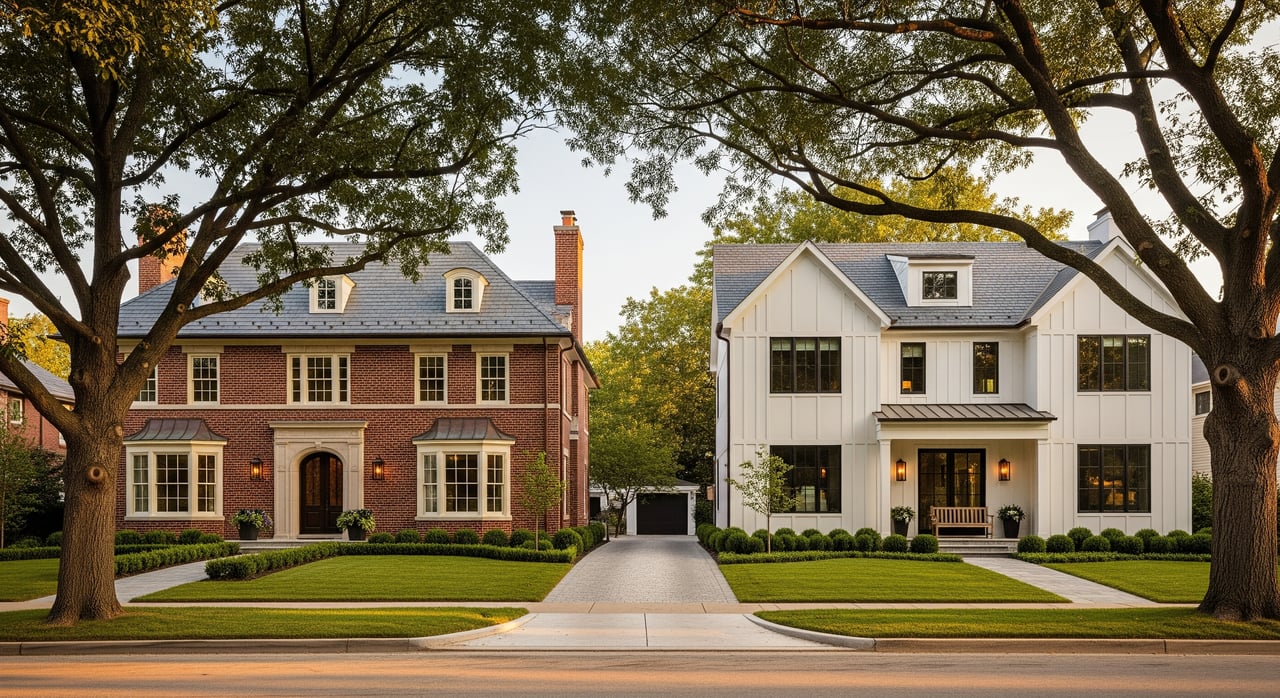
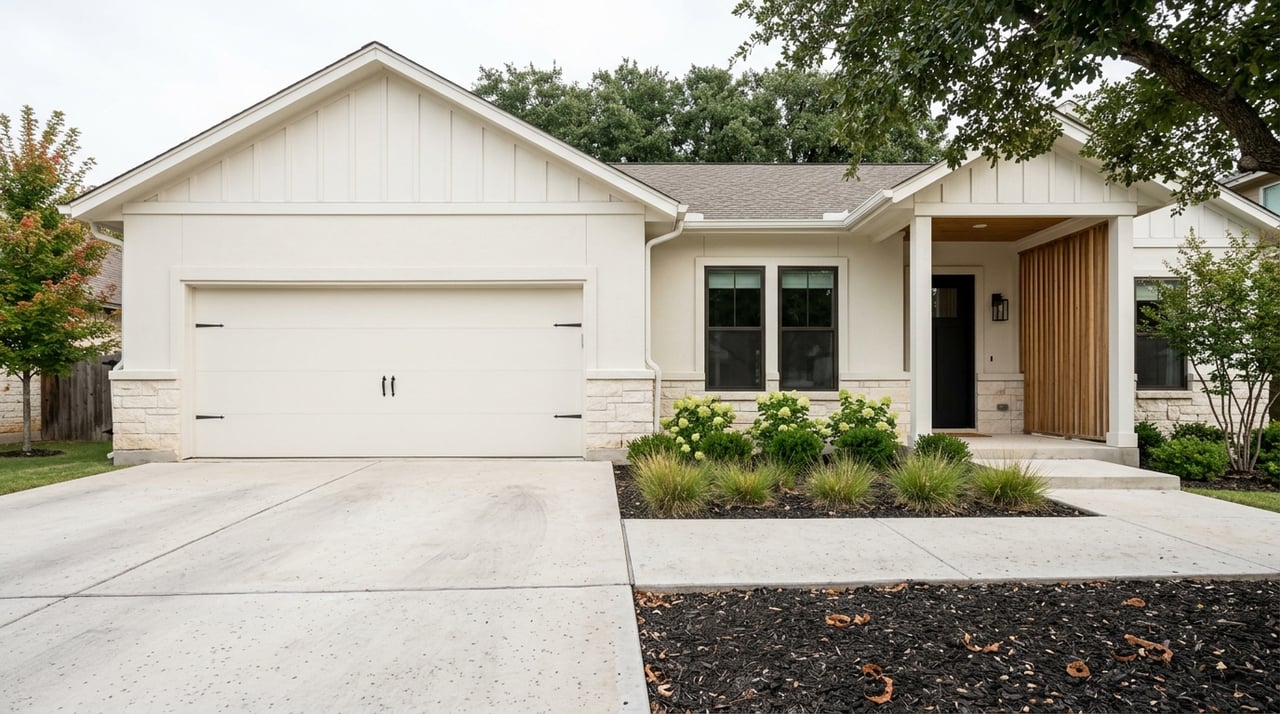
The city also notes minimum lot sizes in key zoning categories, with R-1A lots at 10,000 square feet and R-1B lots at 6,000 square feet, and the majority of Prairie Village zoned R-1. In practical terms, Prairie Village often appeals to buyers who want classic ranches, split levels, Cape Cods, and two-story homes in established settings.
Overland Park homes
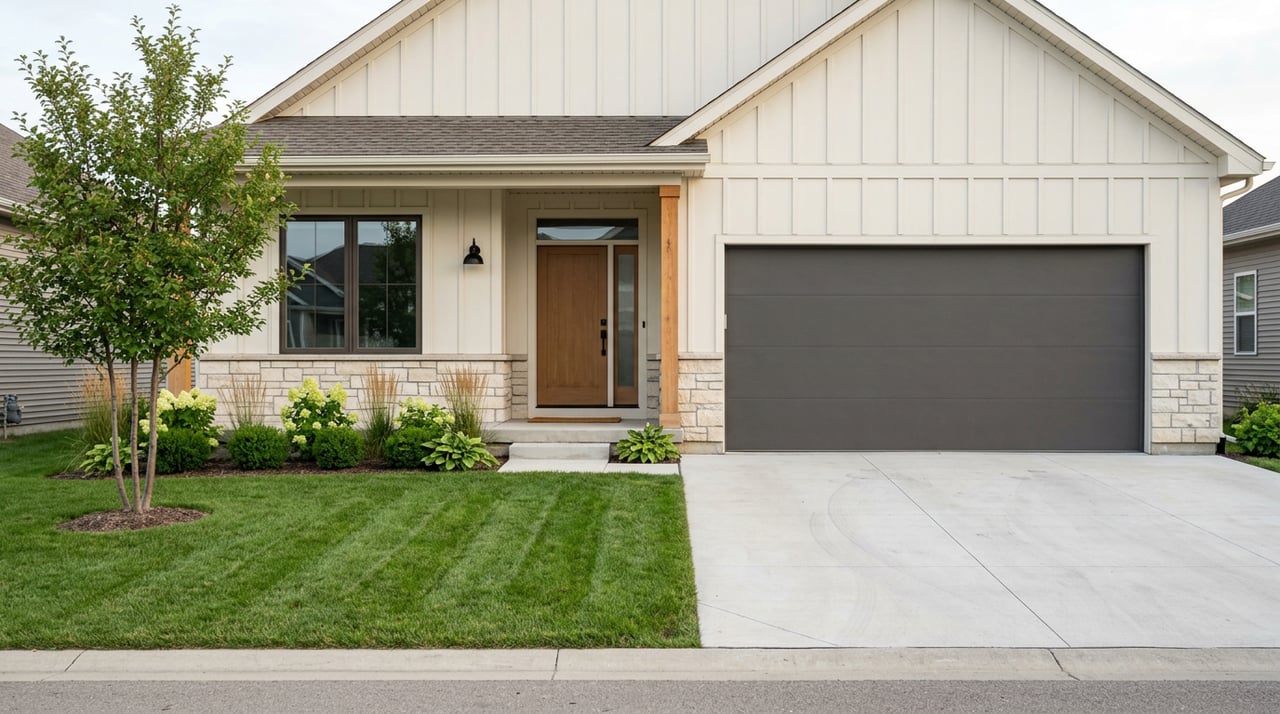
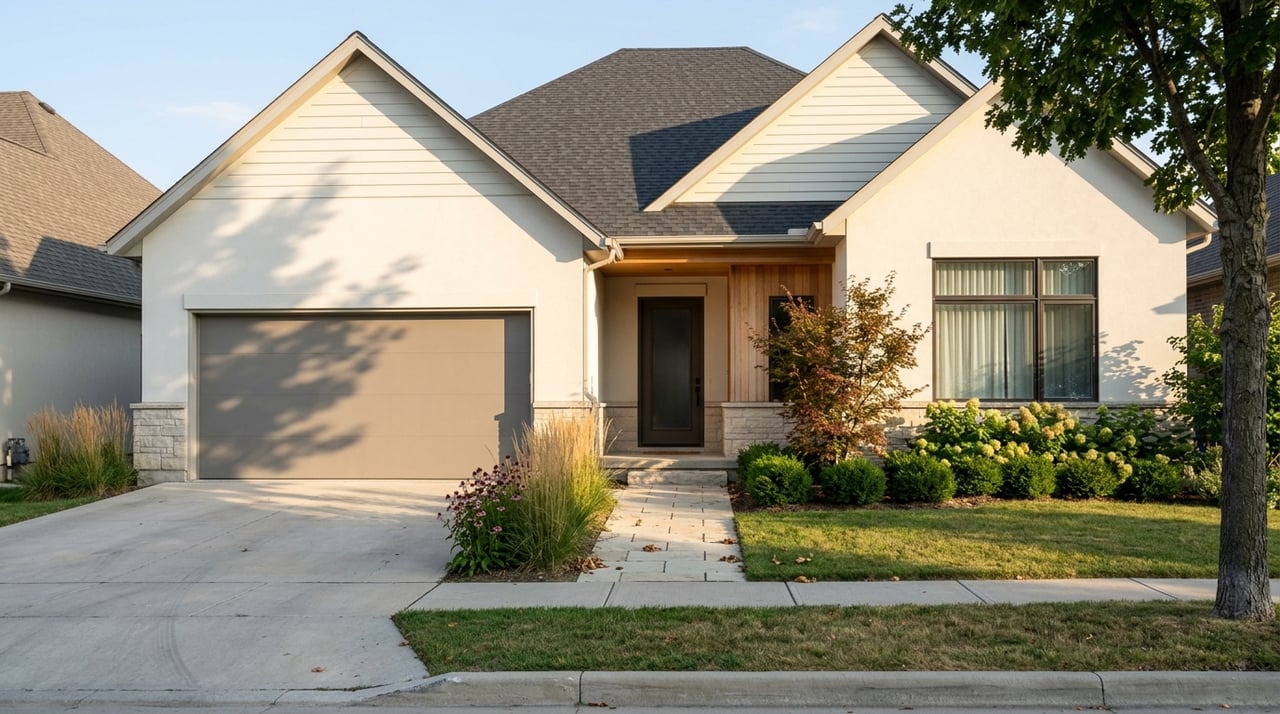
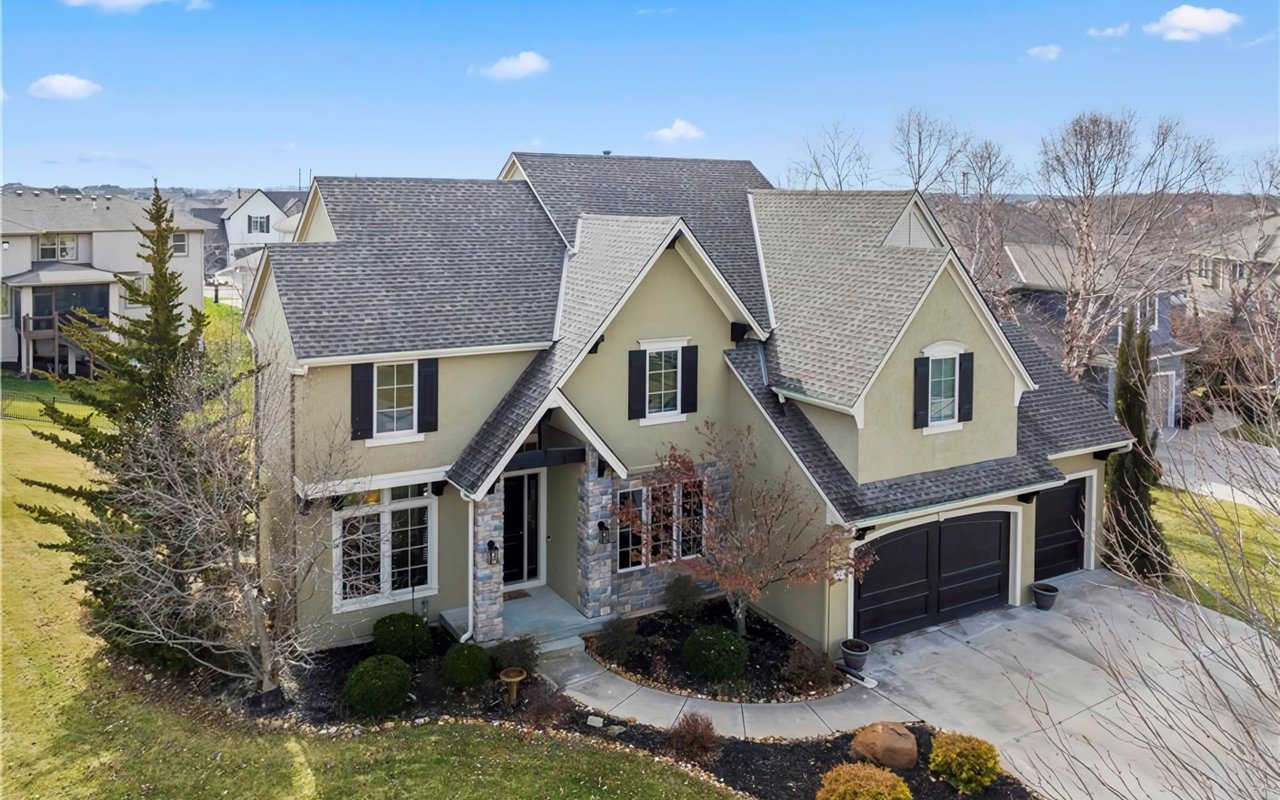
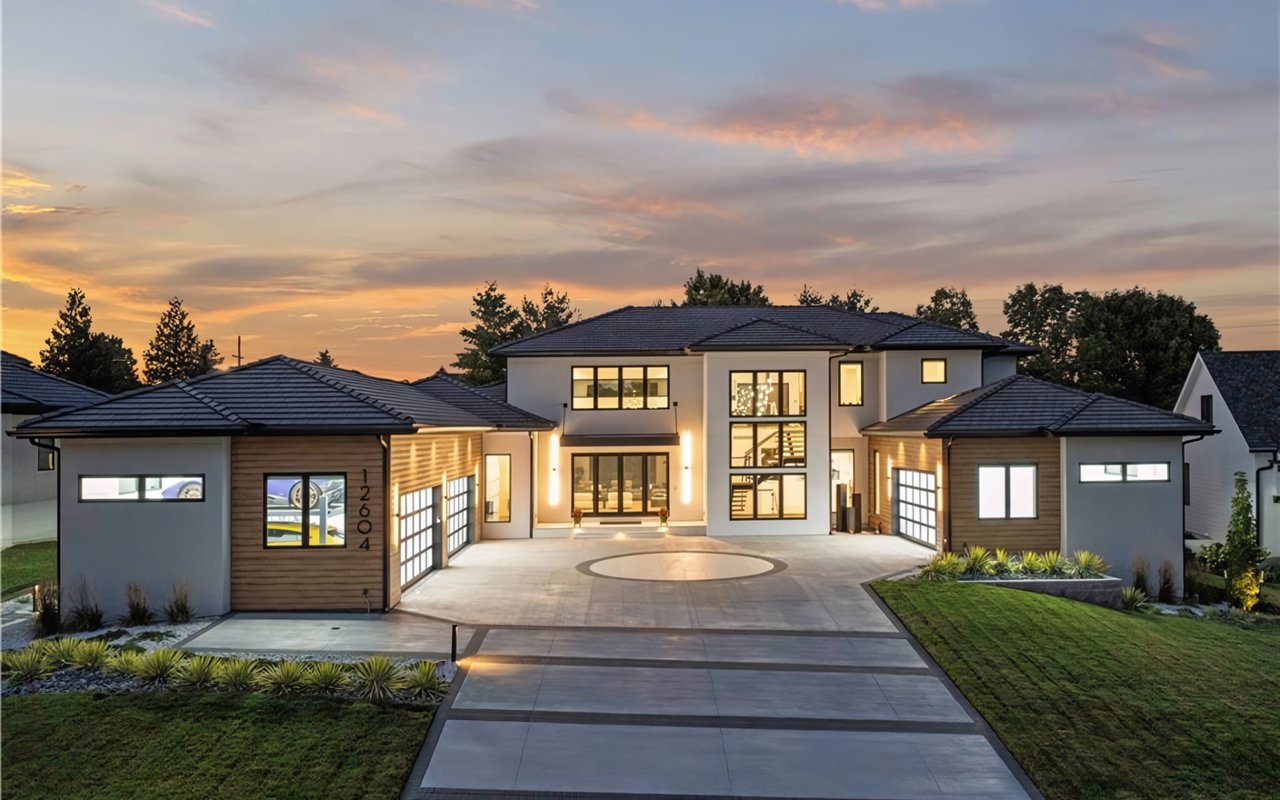
Overland Park is a broader housing market with more variation from one area to the next. The city’s comprehensive plan identifies multiple character types, including Suburban Neighborhood, Traditional Neighborhoods, Compact Neighborhood, Downtown District, and Rural Transition Zone.
That variety means your experience in Overland Park can change quite a bit depending on where you search. If you want a larger menu of home styles, lot patterns, and community layouts, Overland Park typically gives you more to compare.
Renovation potential and long-term upside
Why Prairie Village stands out
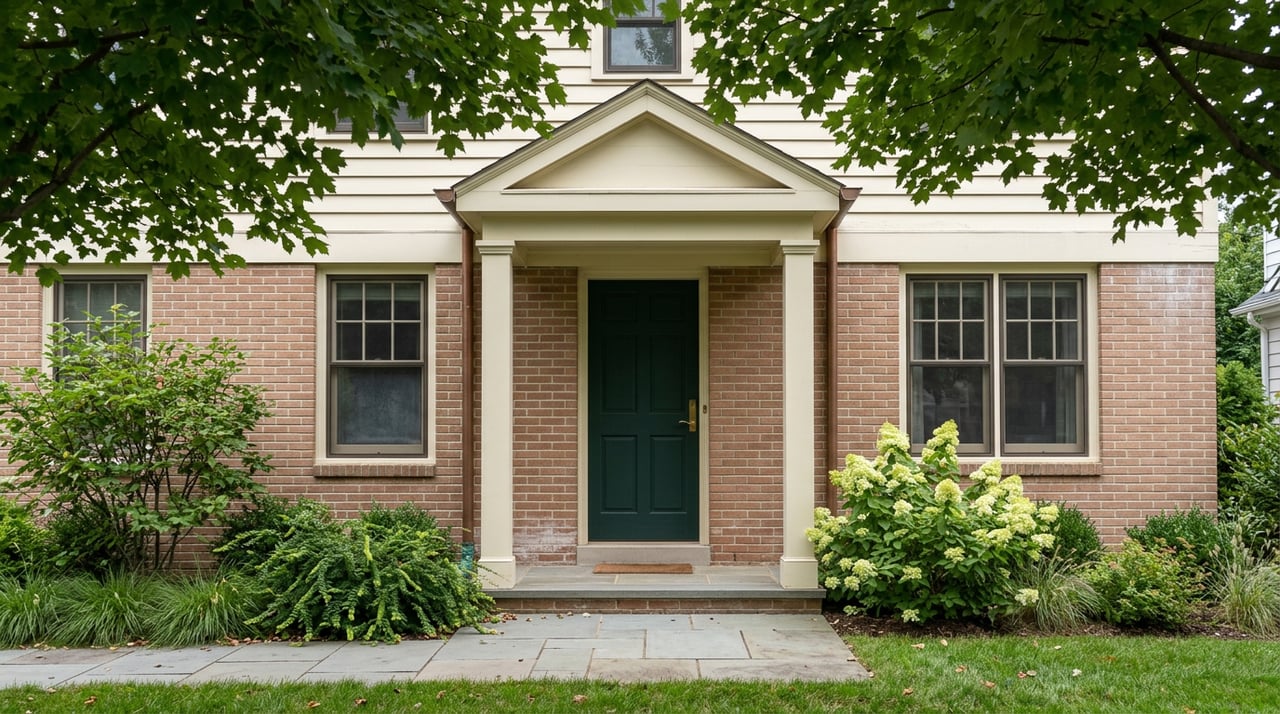
Prairie Village is especially relevant if you like the idea of buying an existing home and making updates over time. The city highlights a First Suburbs Coalition Idea Book for common local home types, and it also offers a Residential Exterior Grant that matches 25% of eligible exterior improvement costs for owner-occupied one- and two-family homes.
That does not mean every home is a project, but it does show that renovation is part of the local housing conversation. If you enjoy the idea of improving a classic postwar home rather than buying something newer, Prairie Village may deserve a closer look.
Why Overland Park offers flexibility
Overland Park may be a better fit if you want to compare more housing forms in one citywide search. City planning materials note a broader mix of housing types and a long-running conversation around options beyond large single-family homes and large apartment complexes.
For buyers, that can translate into more flexibility across product type and price. Instead of searching one dominant style, you can compare multiple neighborhood formats and decide which one best fits your budget and goals.
Prices and market competition
On U.S. Census QuickFacts, the median value of owner-occupied housing units is listed at $435,700 in Prairie Village and $413,600 in Overland Park. Those long-run values are fairly close, but current sale trends show a wider difference.
According to Redfin’s February 2026 housing market data for Prairie Village, the median sale price was $600,000, compared with $436,375 in Overland Park. Redfin also reported average days on market of 25 in Prairie Village and 22 in Overland Park, while labeling both markets very competitive.
For you as a buyer, this suggests two things. First, Prairie Village is currently the higher-priced market based on reported sale prices. Second, Overland Park generally provides more lower-entry options and a wider spread of price points.
Walkability and daily lifestyle
Neither city is highly walkable by national standards, but Prairie Village has a slight edge in the available data. Walk Score gives Prairie Village an average score of 42 and Overland Park a score of 35.
The Trust for Public Land also estimates that 70% of Prairie Village residents live within a 10-minute walk of a park. That helps explain why some buyers experience Prairie Village as a bit more neighborhood-oriented, even though both communities are suburban in overall feel.
Which type of buyer fits each market?
Prairie Village may fit you if
Prairie Village tends to appeal to buyers who want:
- Established neighborhoods close in to the urban core
- Older homes with renovation or personalization potential
- A more uniform housing character across the city
- A heavily owner-occupied community
- A simpler citywide school-district framework
Its Census profile shows a 77.0% owner-occupied rate, which supports its reputation as a stable, owner-focused market. If you are drawn to classic postwar homes and want to invest in updates over time, Prairie Village may line up well with your goals.
Overland Park may fit you if
Overland Park tends to appeal to buyers who want:
- More neighborhood and housing variety
- More school-district options across one city
- A broader price range
- More flexibility in lot patterns and community character
- A wider search area with multiple housing formats
If you want more choices before narrowing your decision, Overland Park often makes that easier. It can be a strong option when your priorities include range, flexibility, and the ability to compare very different property types in one market.
How to decide between Prairie Village and Overland Park
If you are still weighing both cities, start by ranking your top three priorities. For most buyers, those come down to budget, housing style, and location preferences. Once those are clear, the decision often becomes easier.
Here is a simple way to think through it:
- Choose Prairie Village if you want an established neighborhood feel, classic older homes, and strong renovation potential.
- Choose Overland Park if you want more options across school districts, home styles, and price points.
- Compare both if you are still balancing character versus flexibility.
A focused search strategy matters in competitive markets. When you know what tradeoffs you are willing to make, you can move faster and with more confidence when the right home appears.
If you are deciding between Prairie Village and Overland Park, the best next step is to compare specific homes, blocks, and price ranges side by side. That kind of local, address-level guidance can help you avoid a search that feels too broad or too vague. If you want expert help narrowing your options in Johnson County, connect with Bryan Huff to book an appointment.
FAQs
What is the main difference between Prairie Village and Overland Park for homebuyers?
- Prairie Village is generally a smaller, more established market with older homes and renovation appeal, while Overland Park is a larger market with more housing variety, school-district options, and price flexibility.
Are Prairie Village homes more expensive than Overland Park homes?
- Based on Redfin’s February 2026 data in the research provided, Prairie Village had a higher median sale price at $600,000 compared with $436,375 in Overland Park.
Is Prairie Village or Overland Park simpler for school research?
- Prairie Village is usually simpler at the city level because it is entirely within Shawnee Mission USD 512, while Overland Park spans four public school districts and requires more address-specific research.
Is Prairie Village better for renovation opportunities than Overland Park?
- Prairie Village stands out for buyers interested in updating older homes, supported by its postwar housing stock and city resources such as the First Suburbs Coalition Idea Book and Residential Exterior Grant.
Is Overland Park better if you want more housing choices?
- Yes. Based on the city planning information in the research, Overland Park offers a broader mix of neighborhood character types and housing forms, which gives buyers more options across a wider search area.