If you are thinking about relocating to Westwood, KS, the biggest question is usually not just can you find a home there, but whether the neighborhood fits the way you actually live. In a small city with a close-in location, older housing stock, and limited inventory, that answer depends on what matters most to you day to day. This guide will help you understand what Westwood feels like, what housing options you can expect, and who this area tends to suit best. Let’s dive in.
Why Westwood stands out
Westwood is a first-tier suburb in northeast Johnson County with roughly 1,700 residents in just under one-half square mile. That small footprint is a big part of its appeal if you want a neighborhood that feels established and easy to navigate.
The city highlights quick access to the Country Club Plaza, downtown Kansas City, and KU Medical Center. It is also home to several University of Kansas Health System facilities, including the Richard and Annette Bloch Cancer Care Pavilion, which adds to its practical appeal for people who want to live close to major medical and employment centers.
What the neighborhood feels like
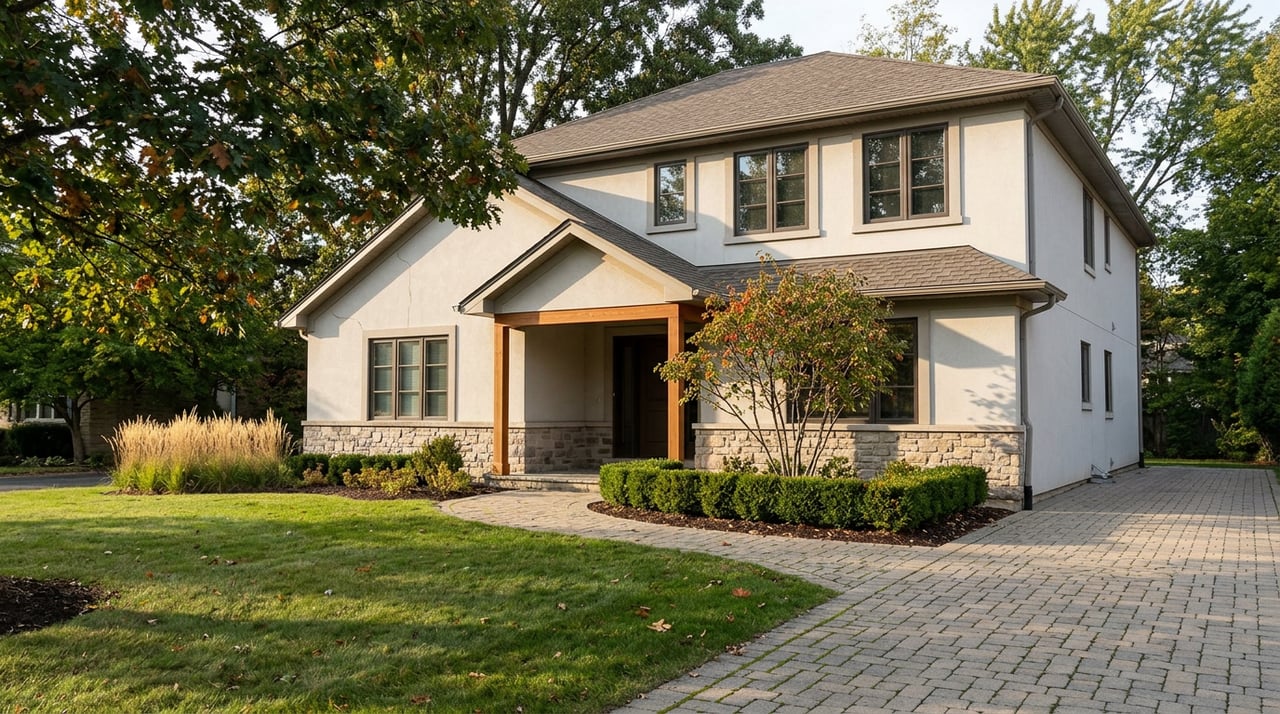
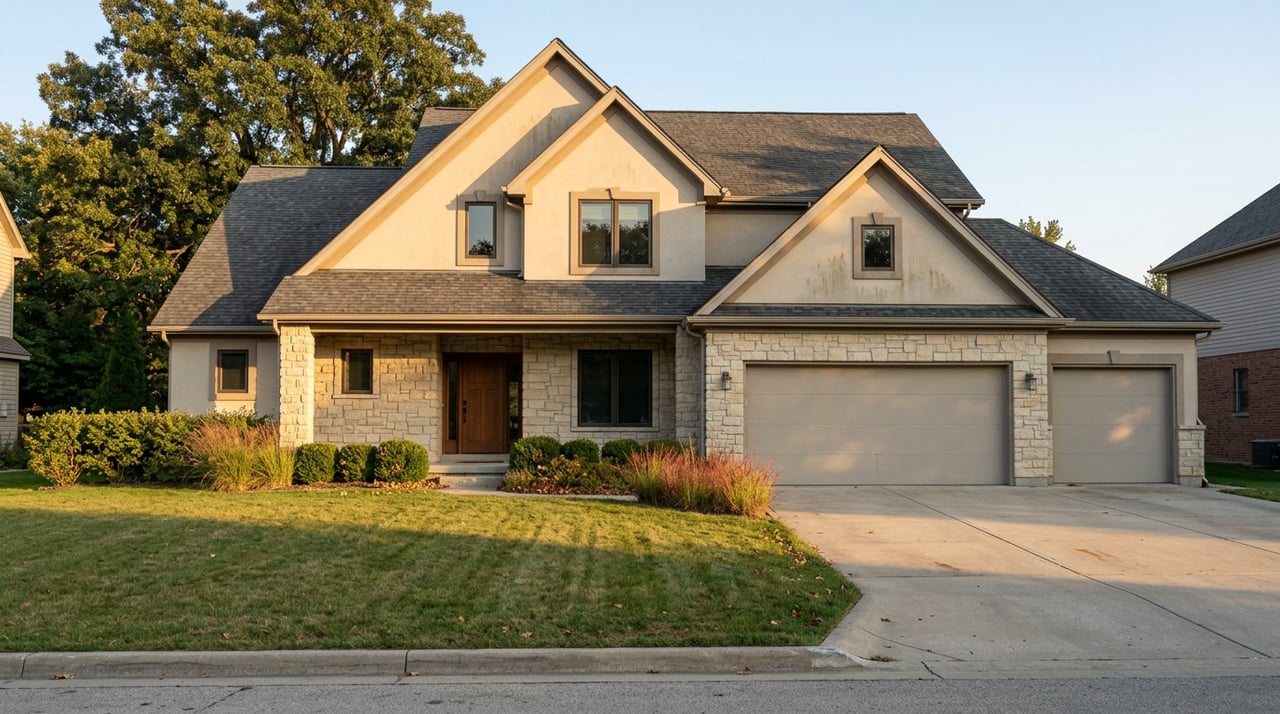
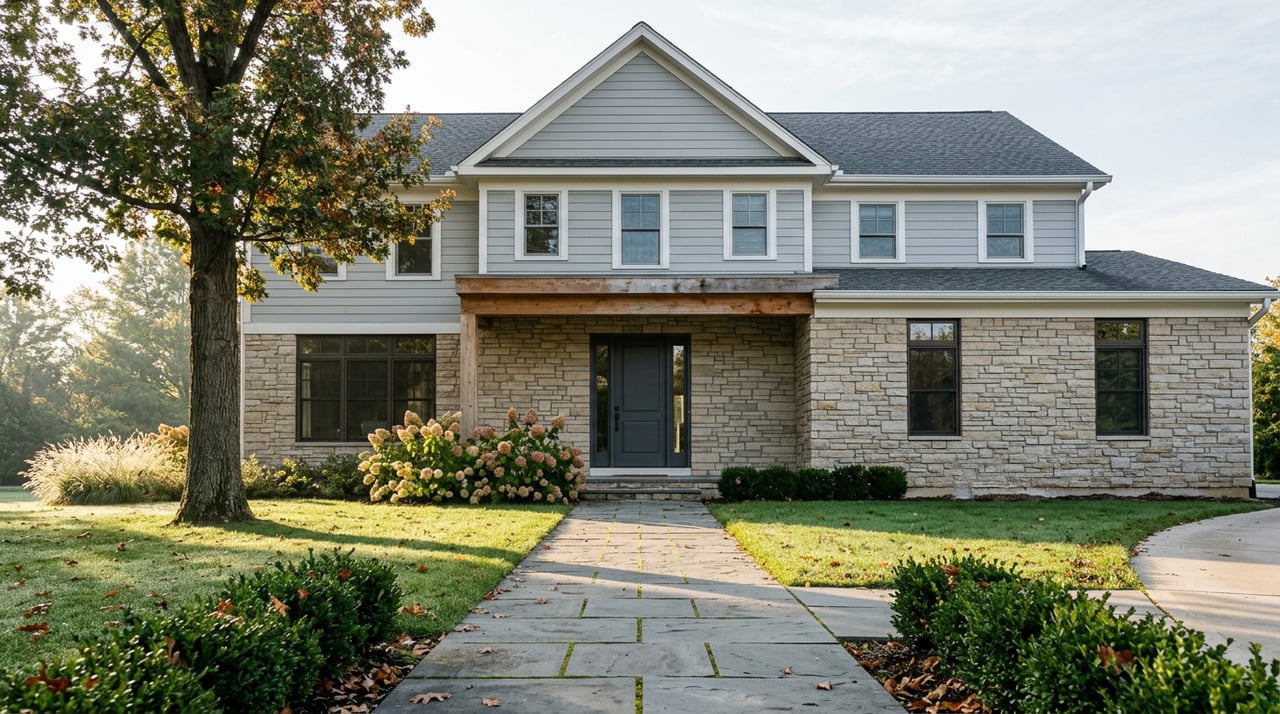
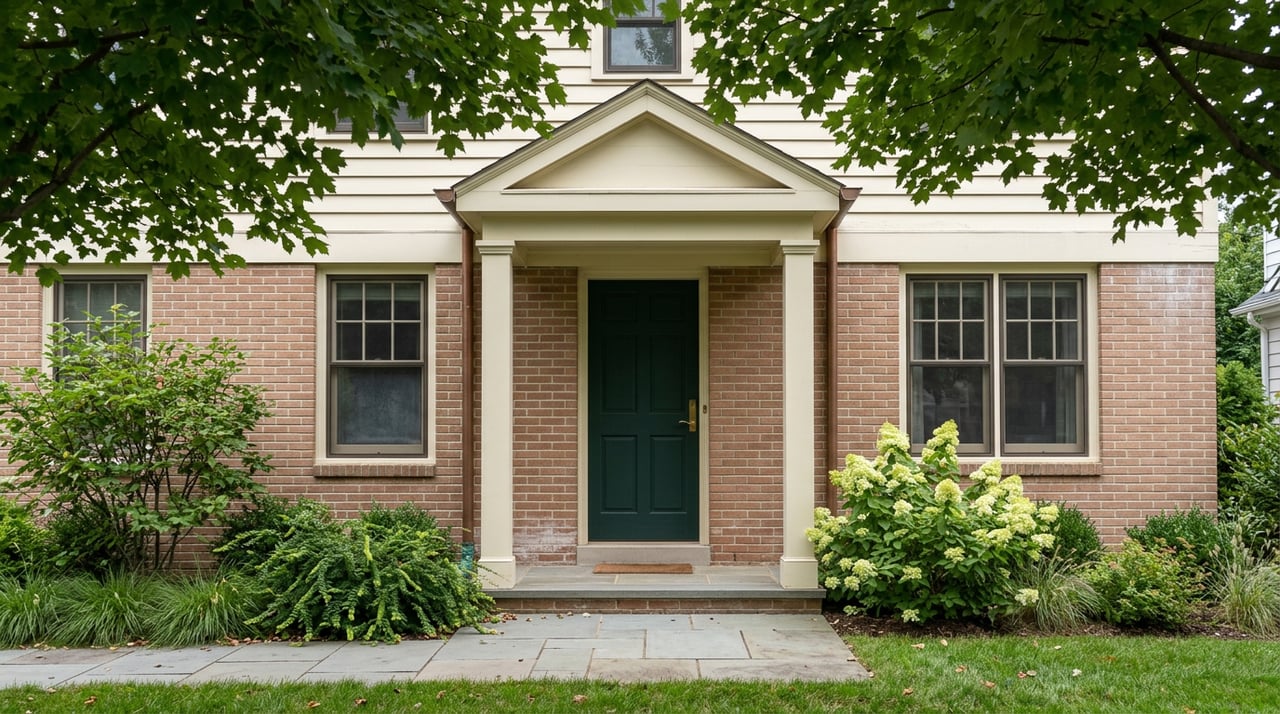
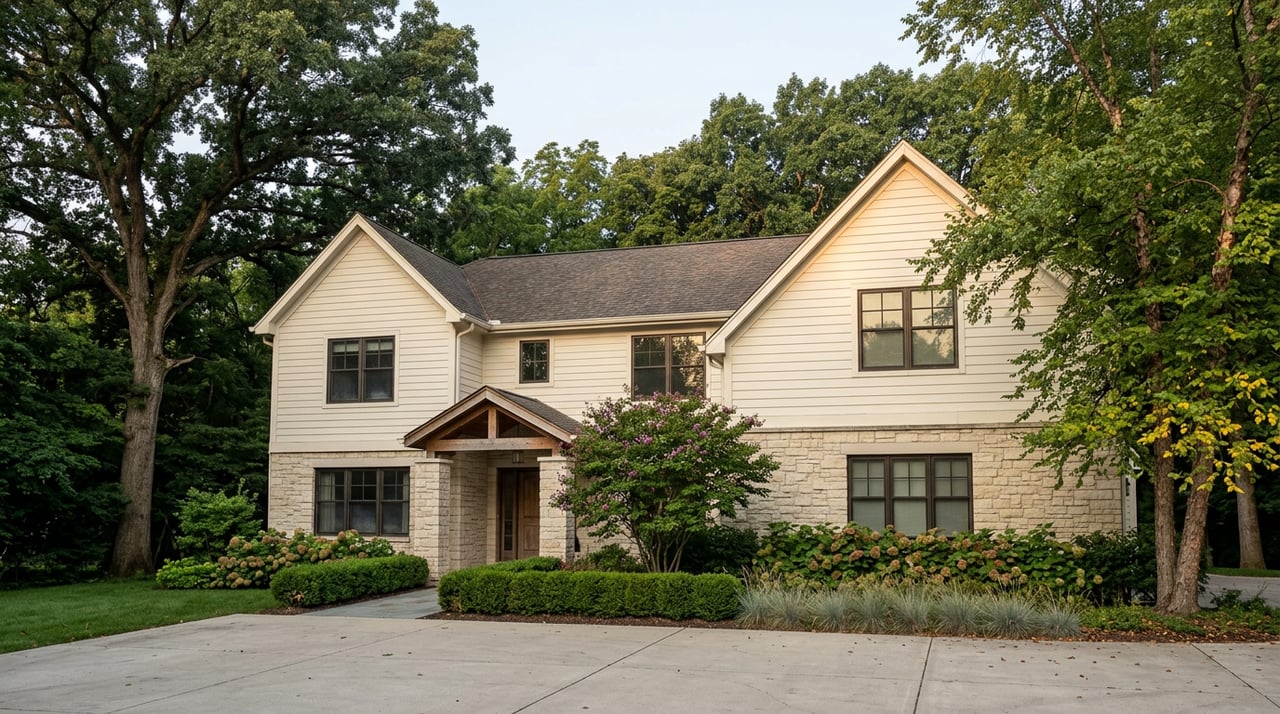
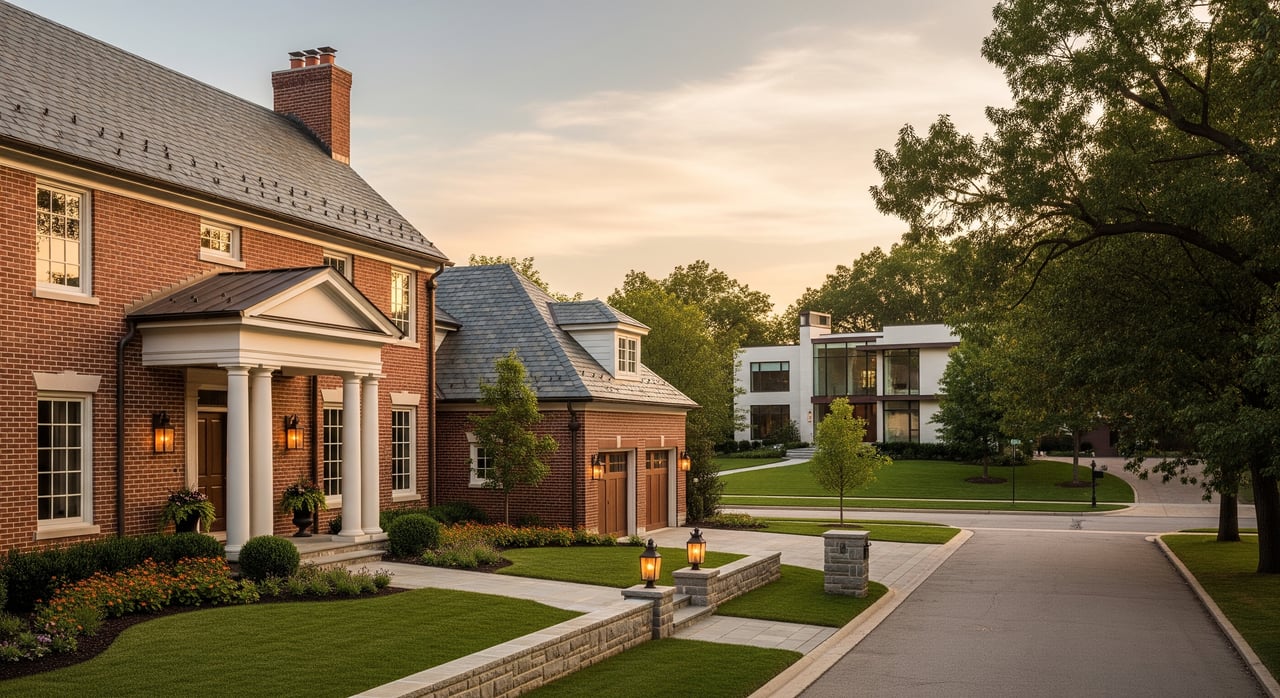
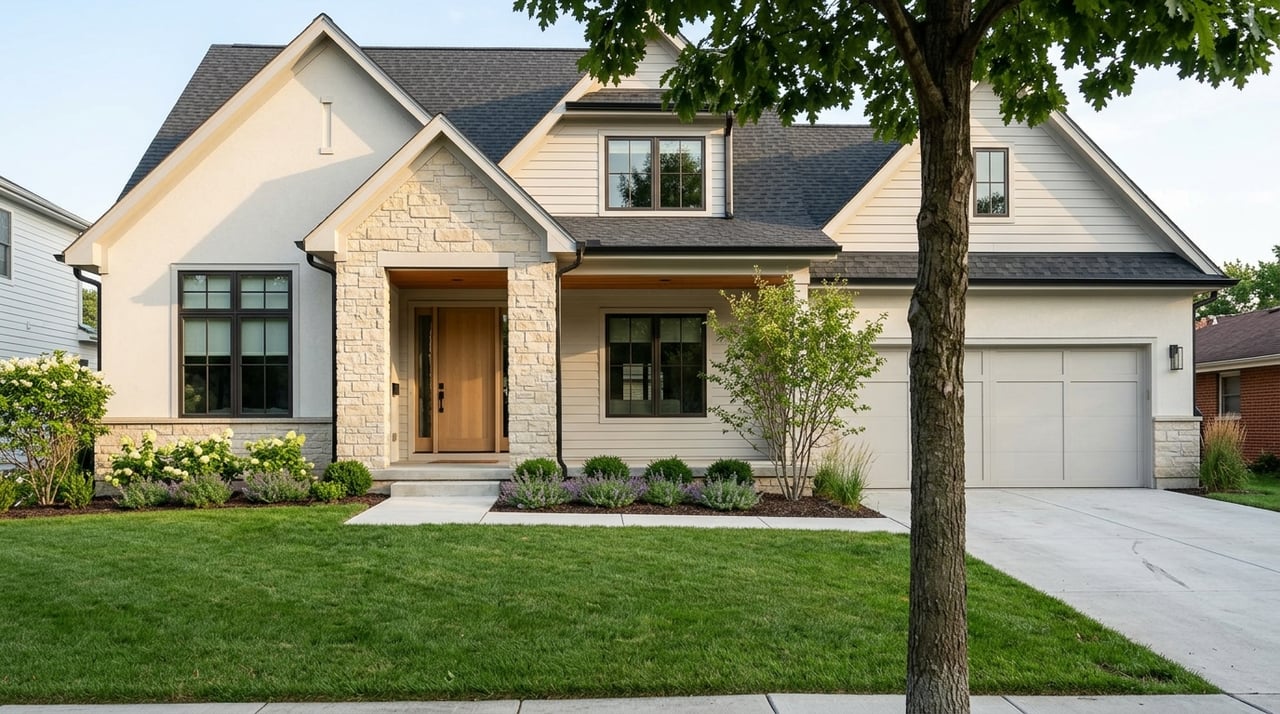
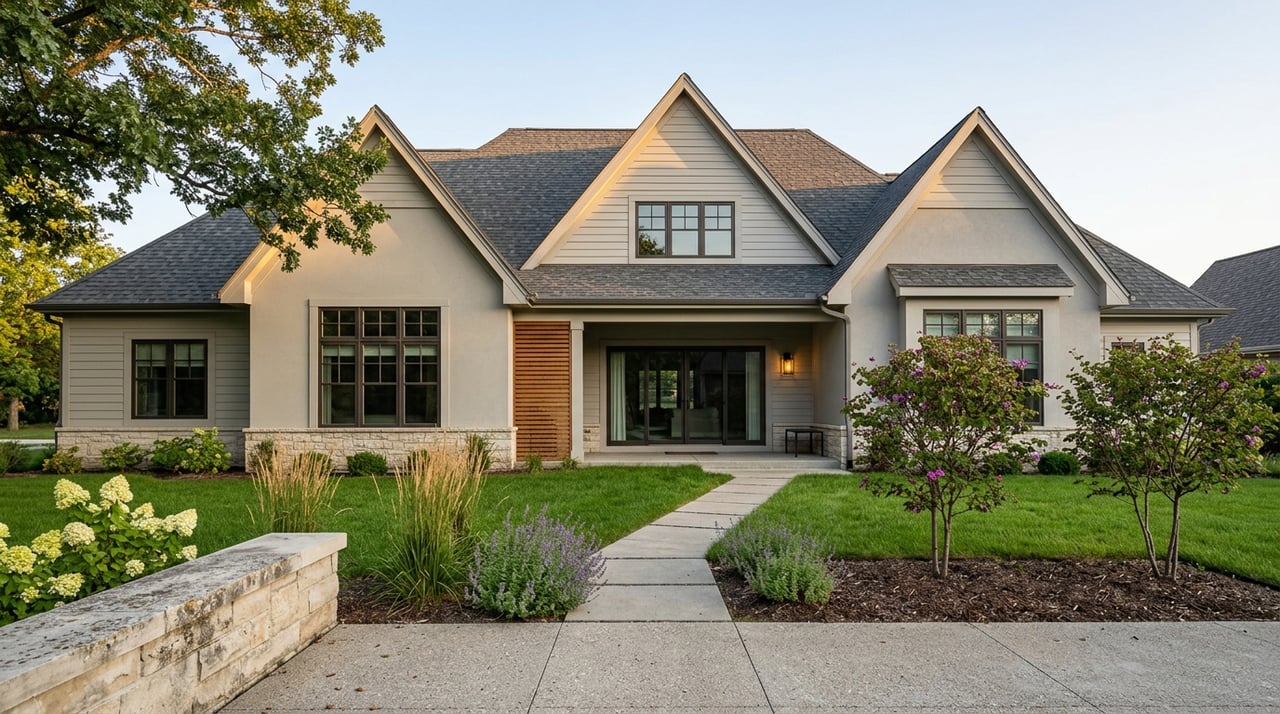
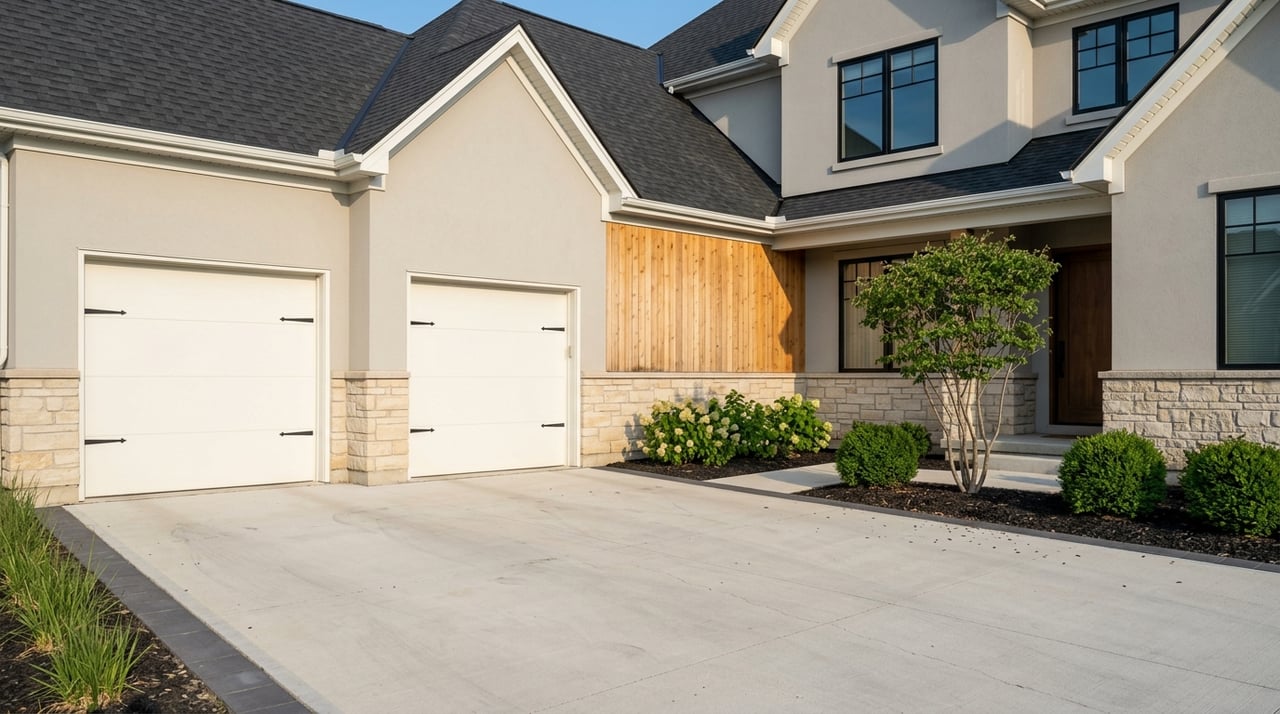
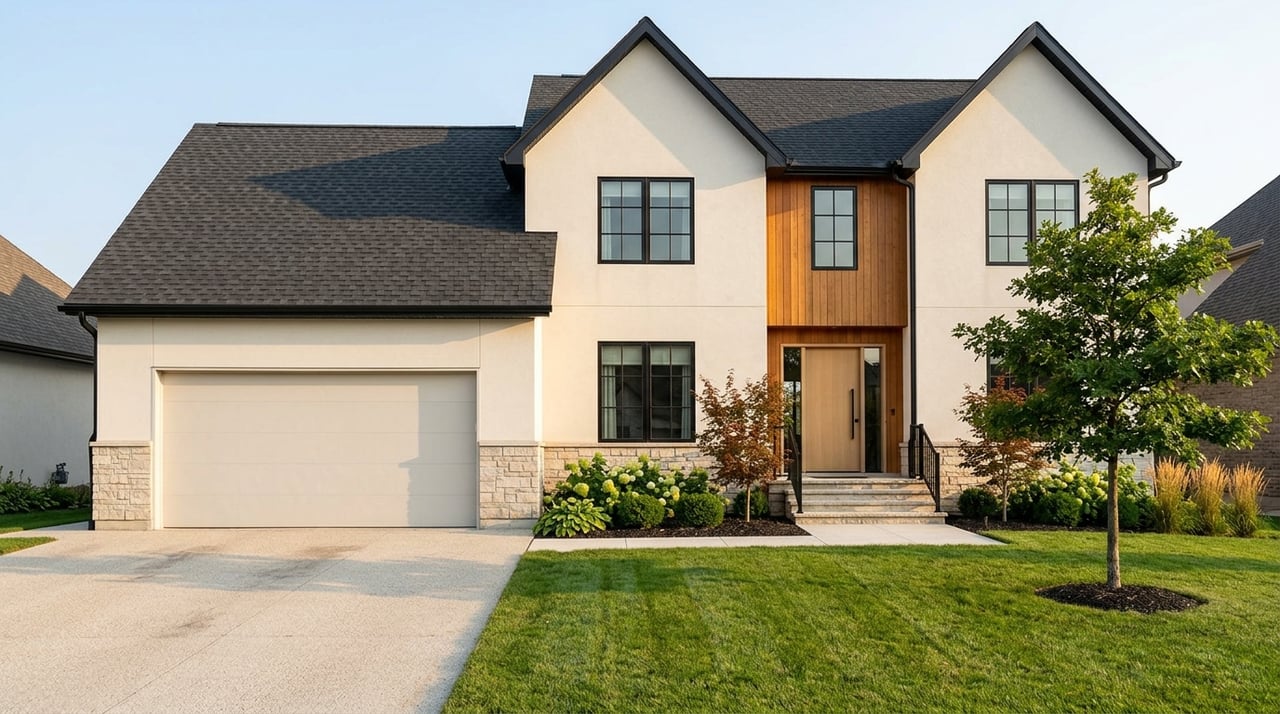
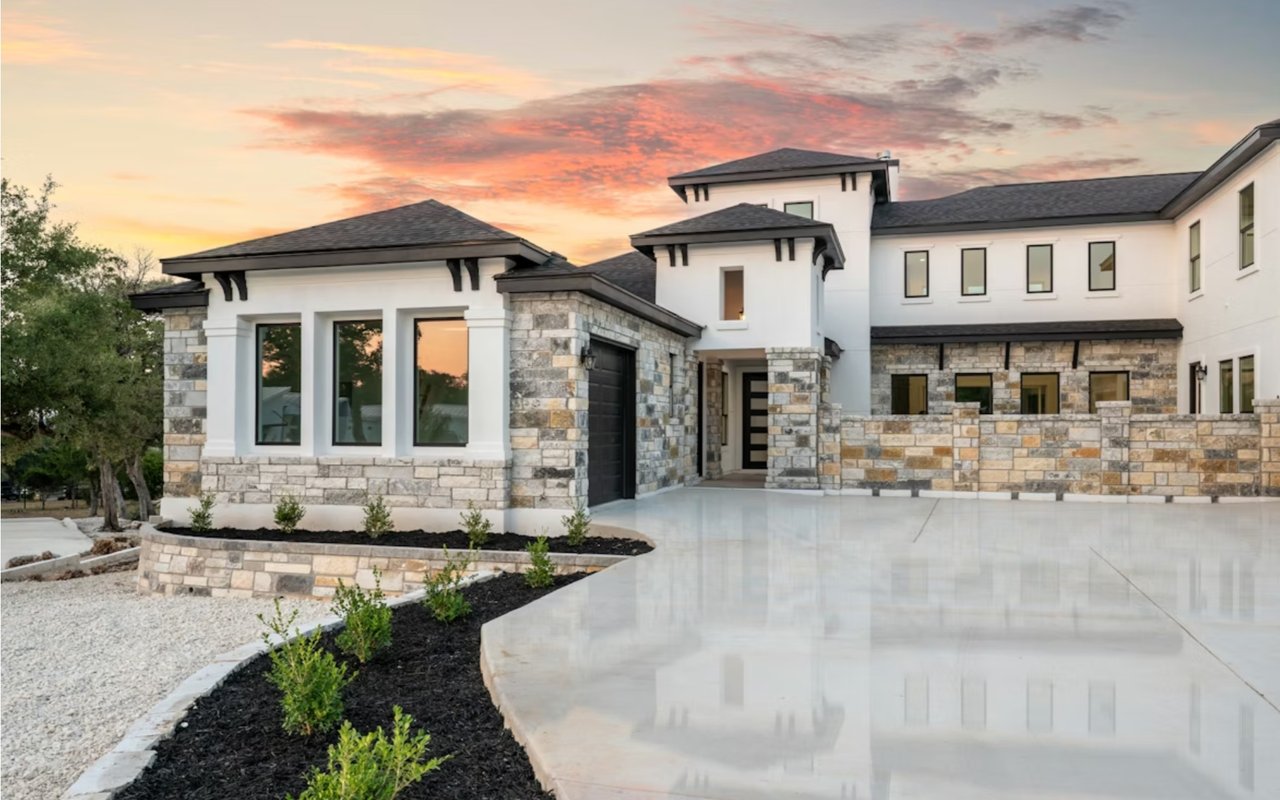
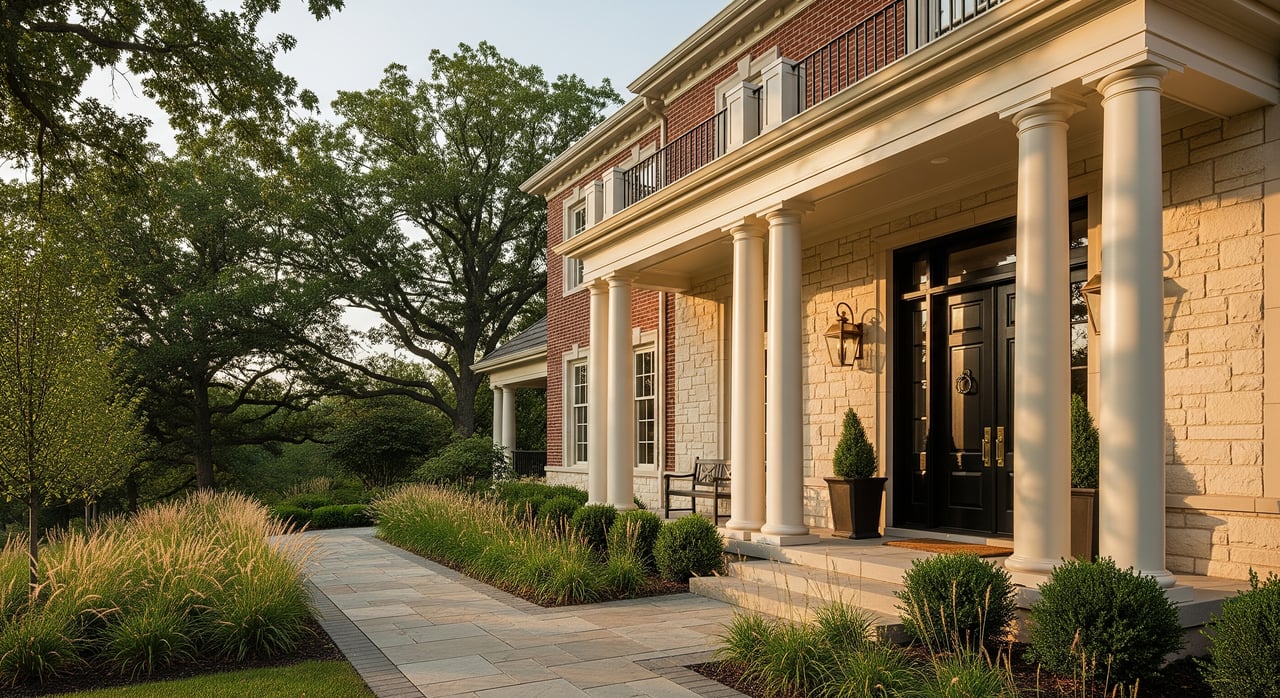
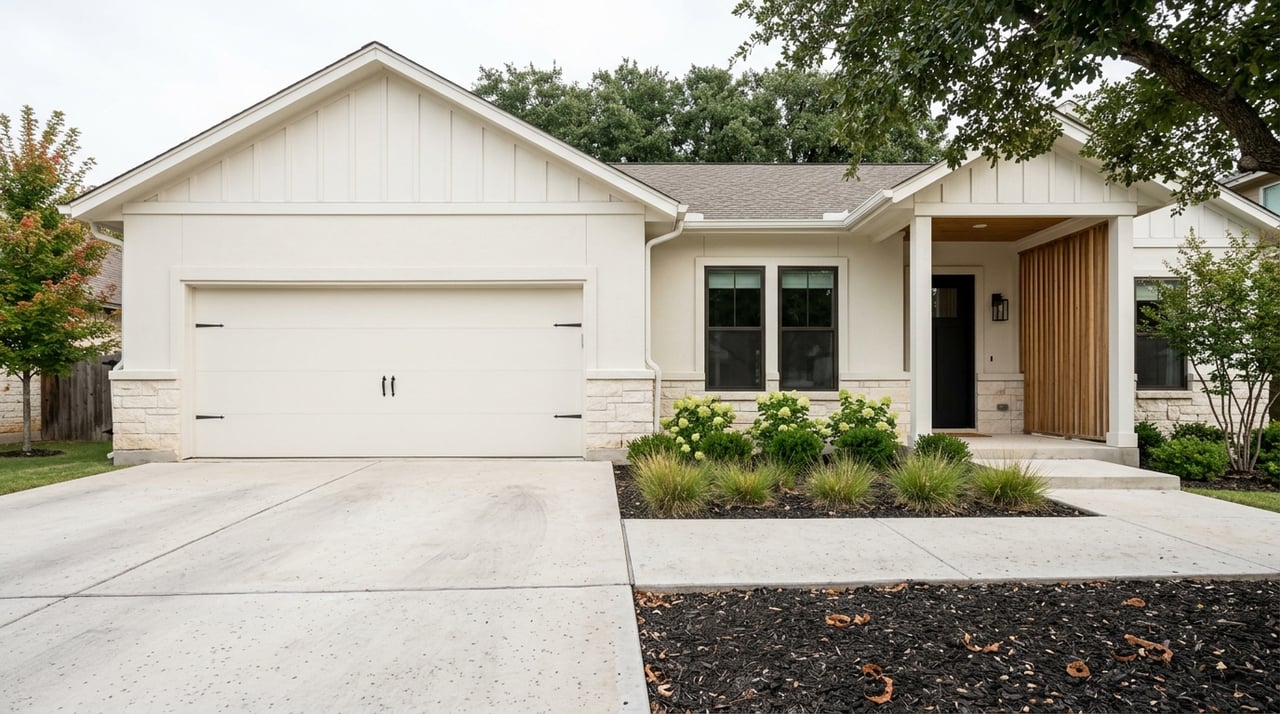
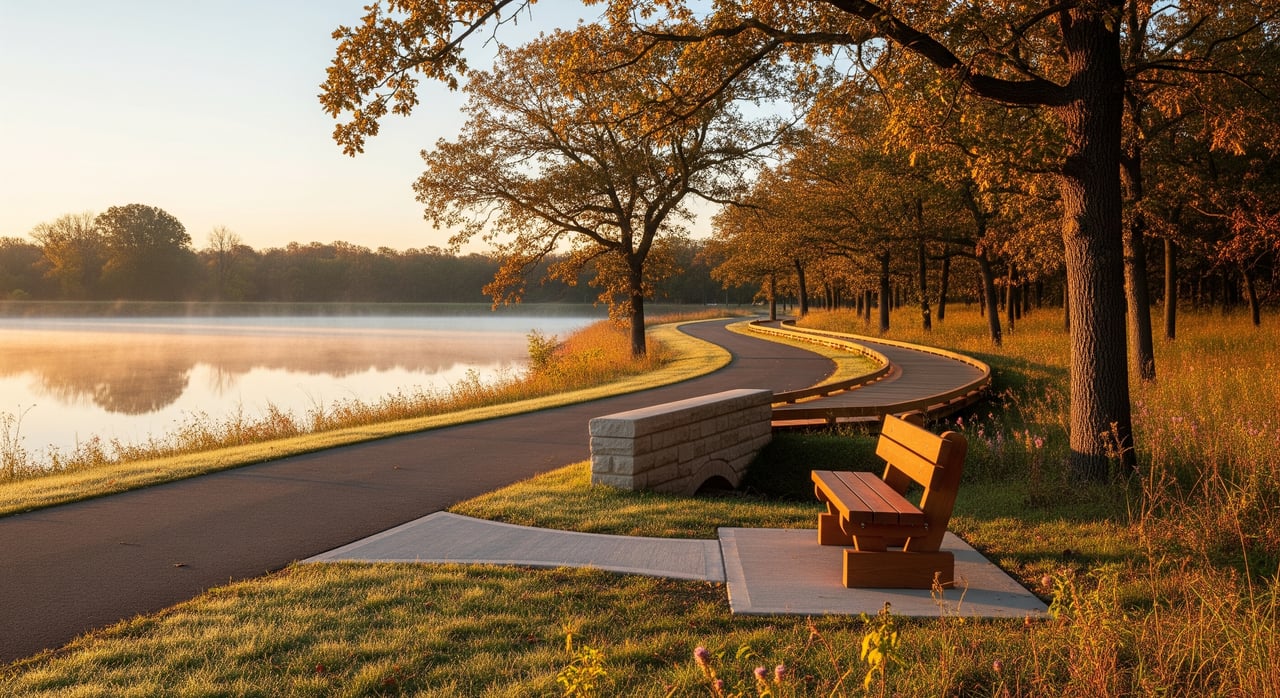
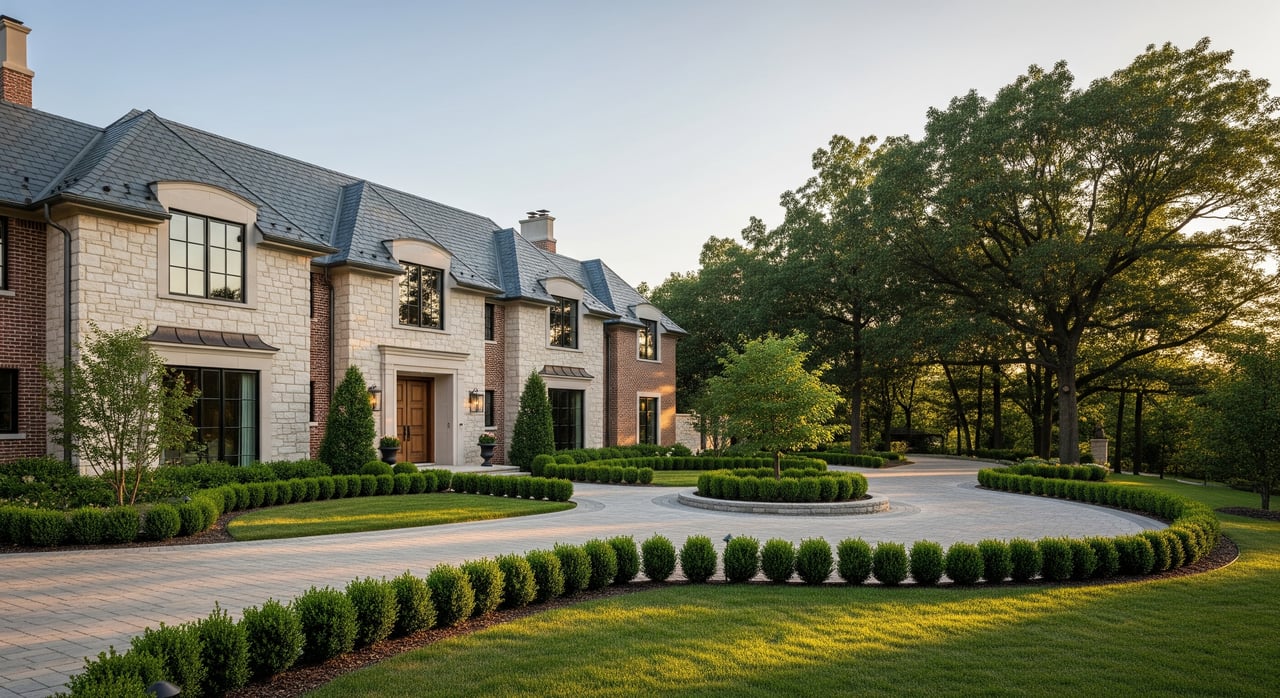
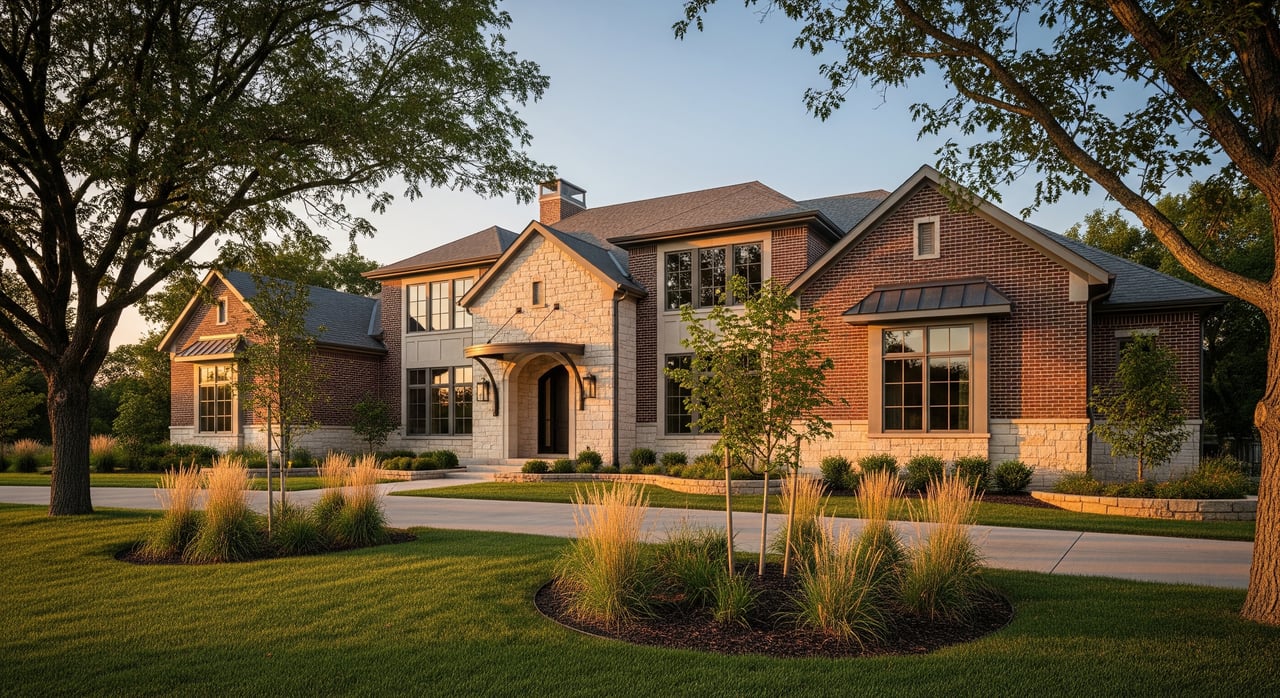
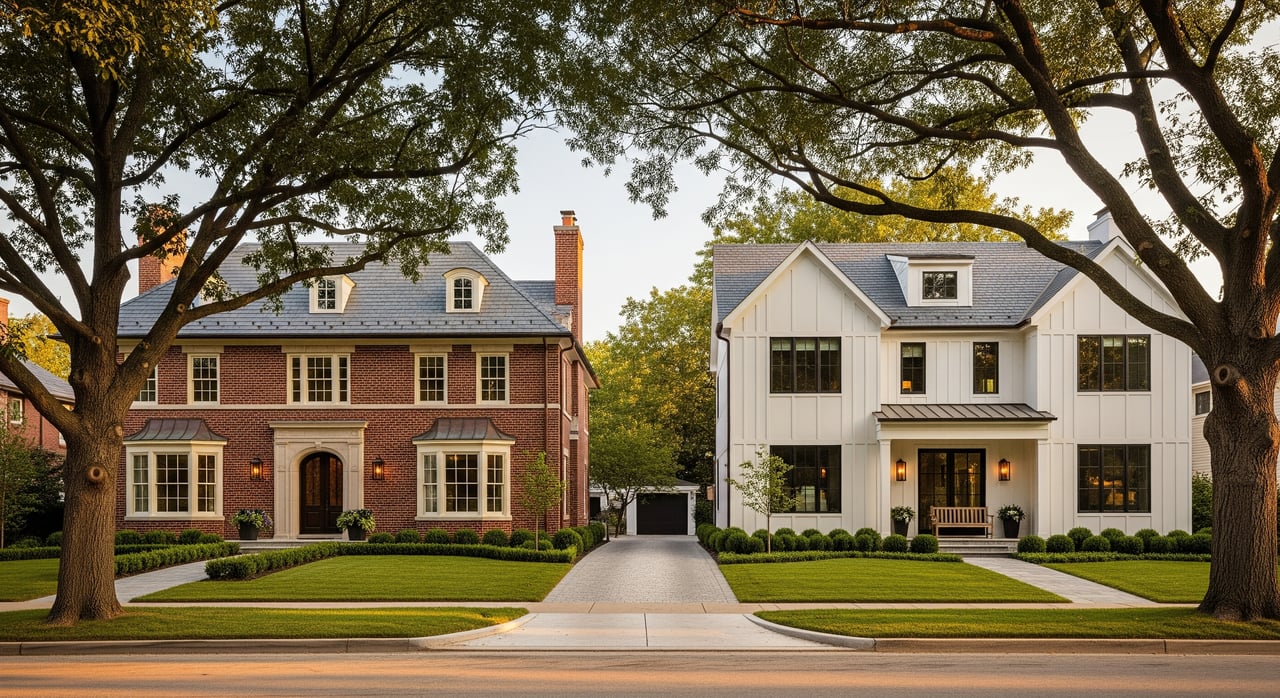
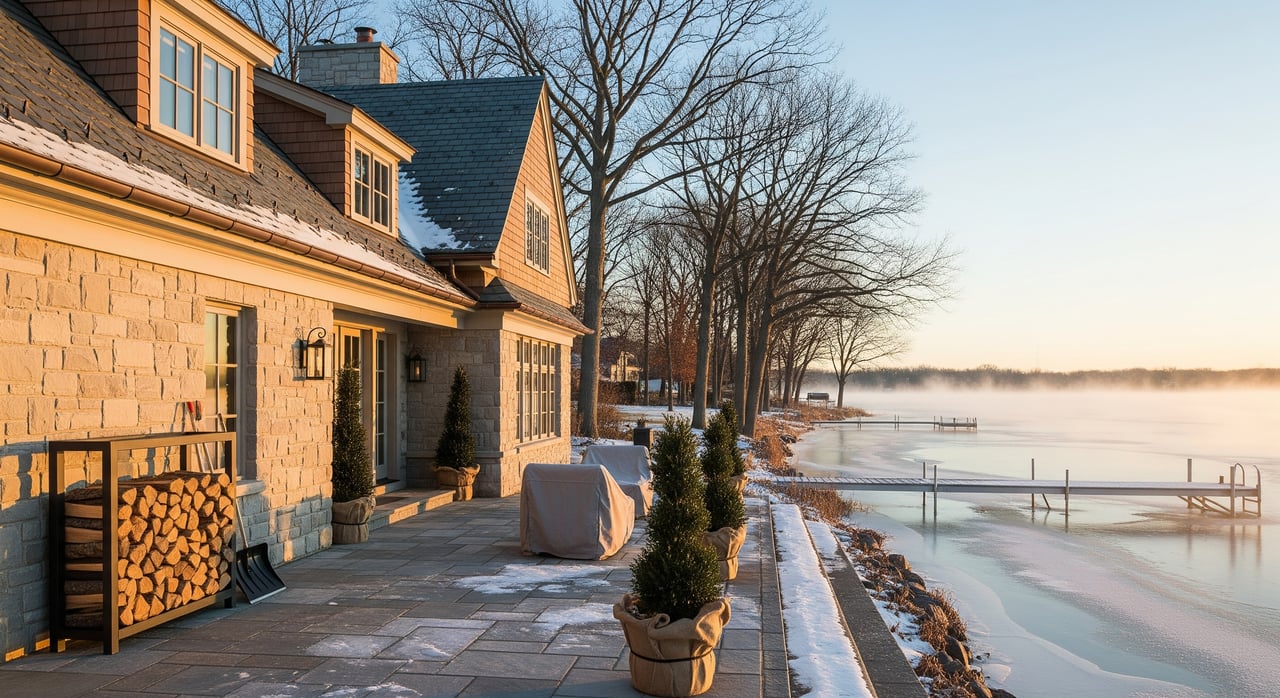
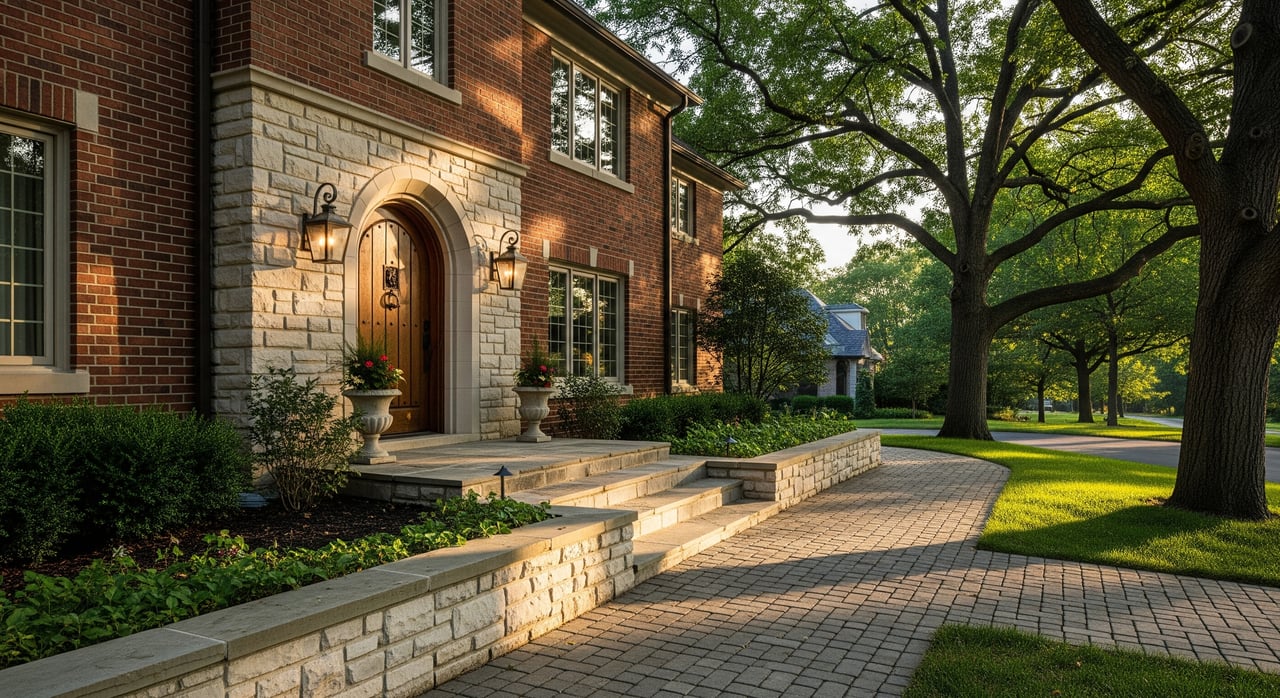
Westwood’s comprehensive plan points to detached single-family homes, mature trees, and pedestrian-friendly street design as central parts of the city’s character. If you are looking for a newer subdivision with a more uniform layout, Westwood will likely feel different from that.
Instead, the neighborhood leans toward an established, close-in residential setting. The housing pattern and streetscape create a more rooted feel, which is often what draws buyers who want charm, convenience, and a location near the urban core without living in the middle of it.
Housing in Westwood
Expect older single-family homes
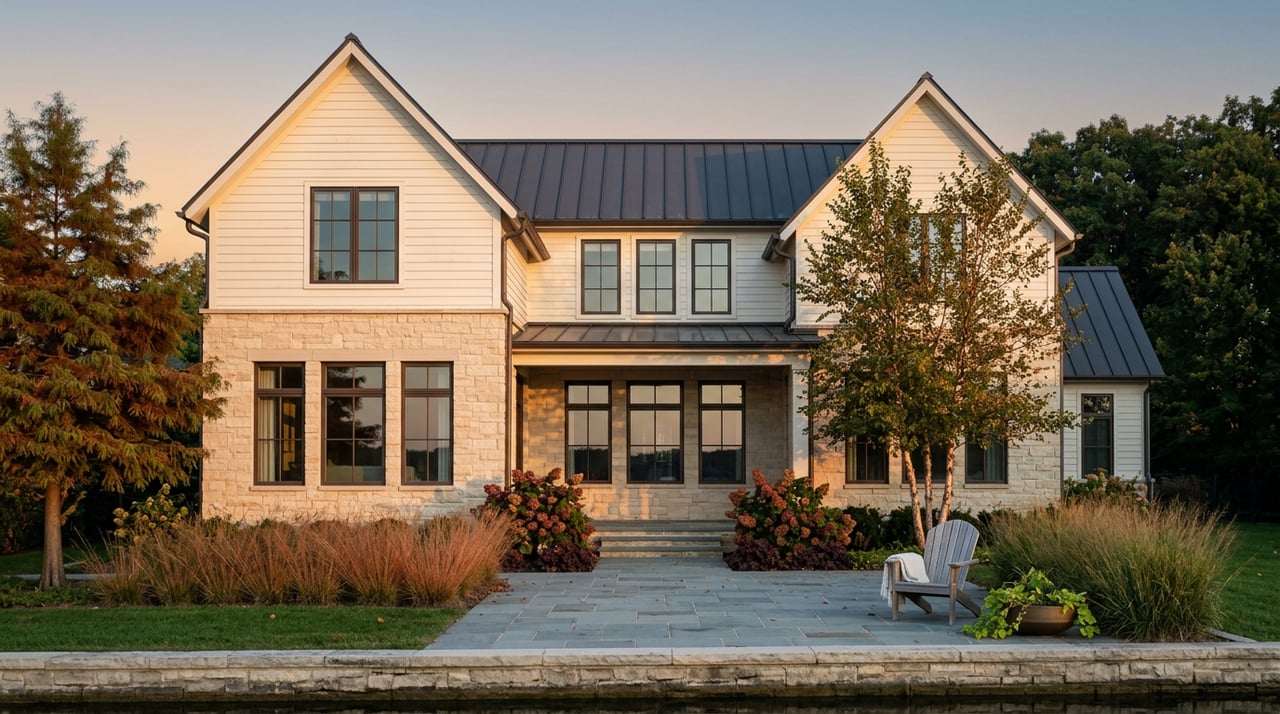
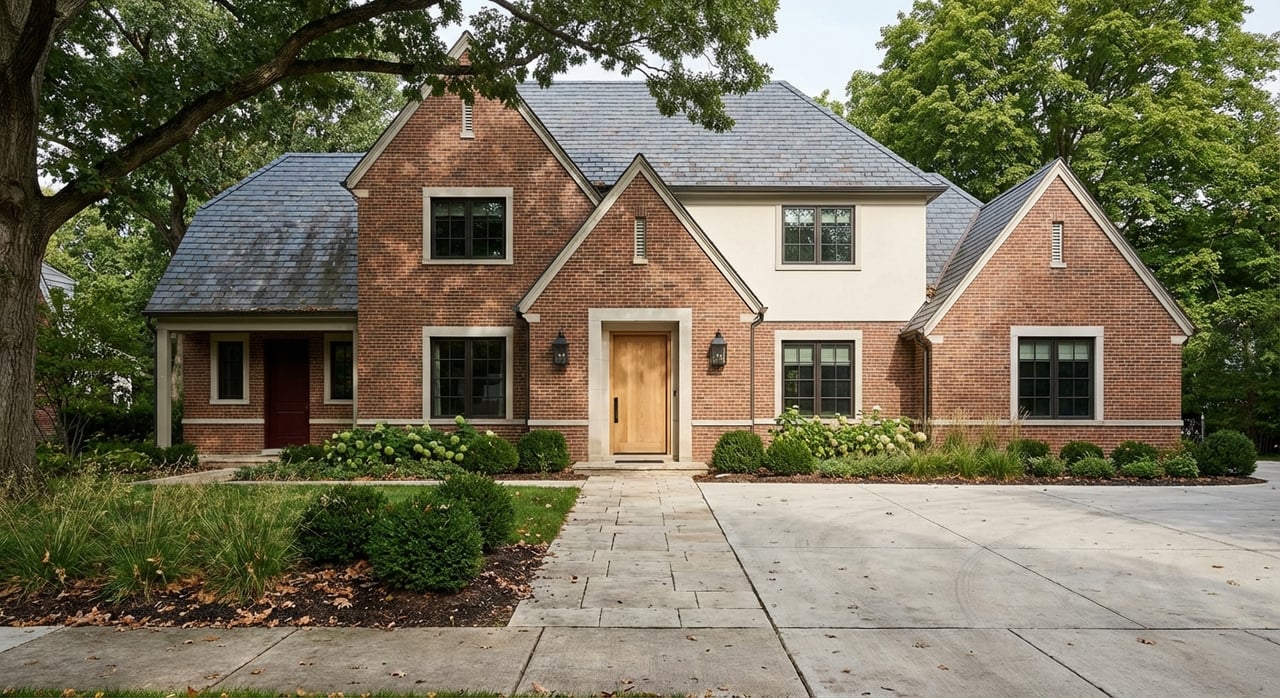
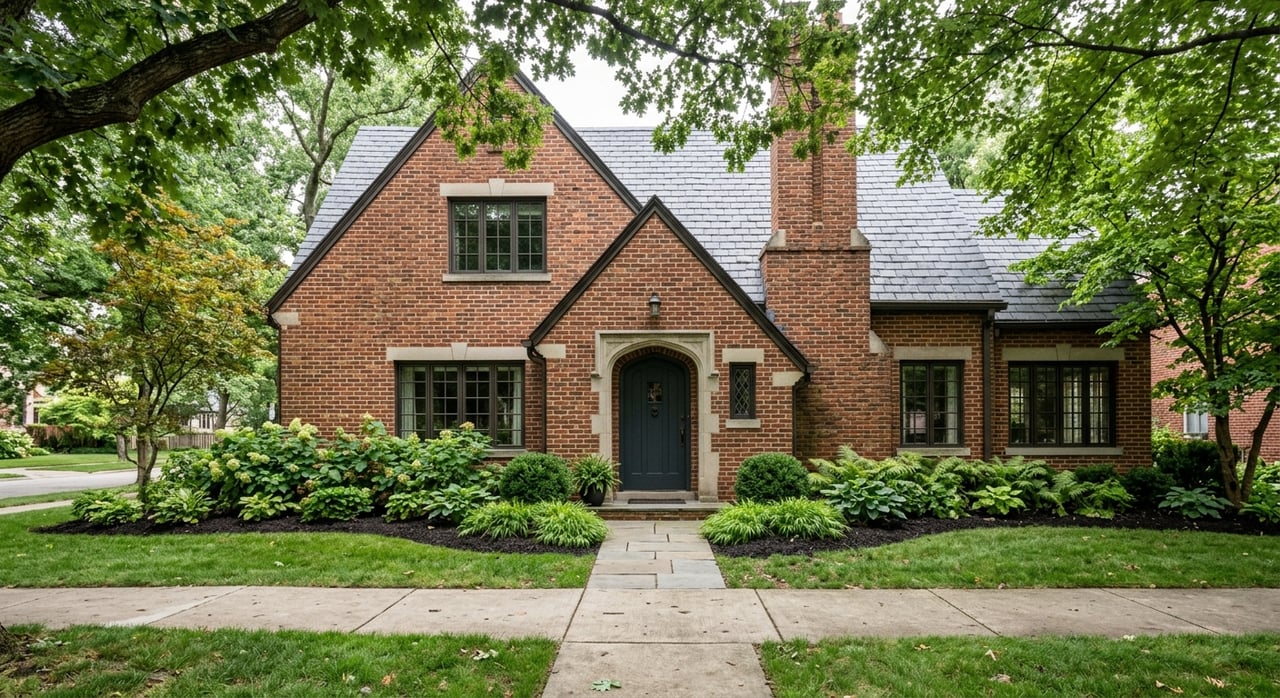
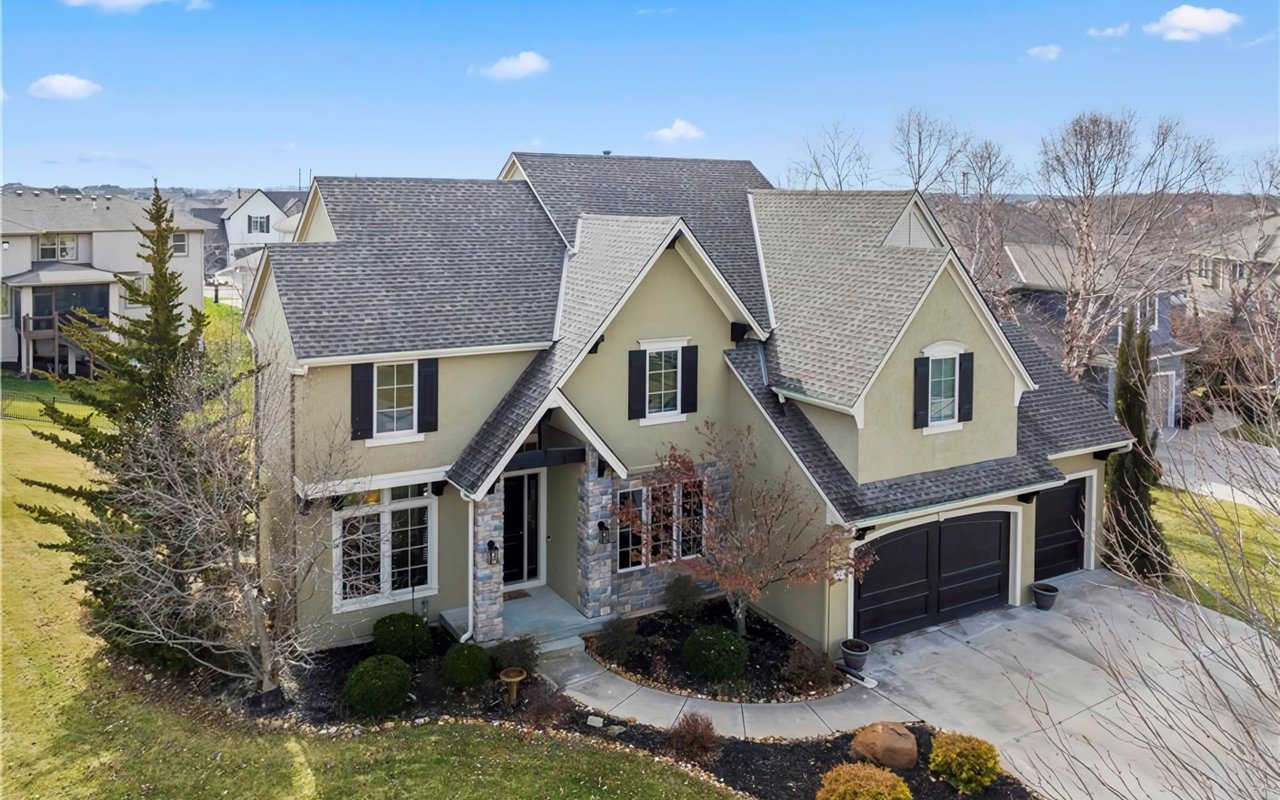
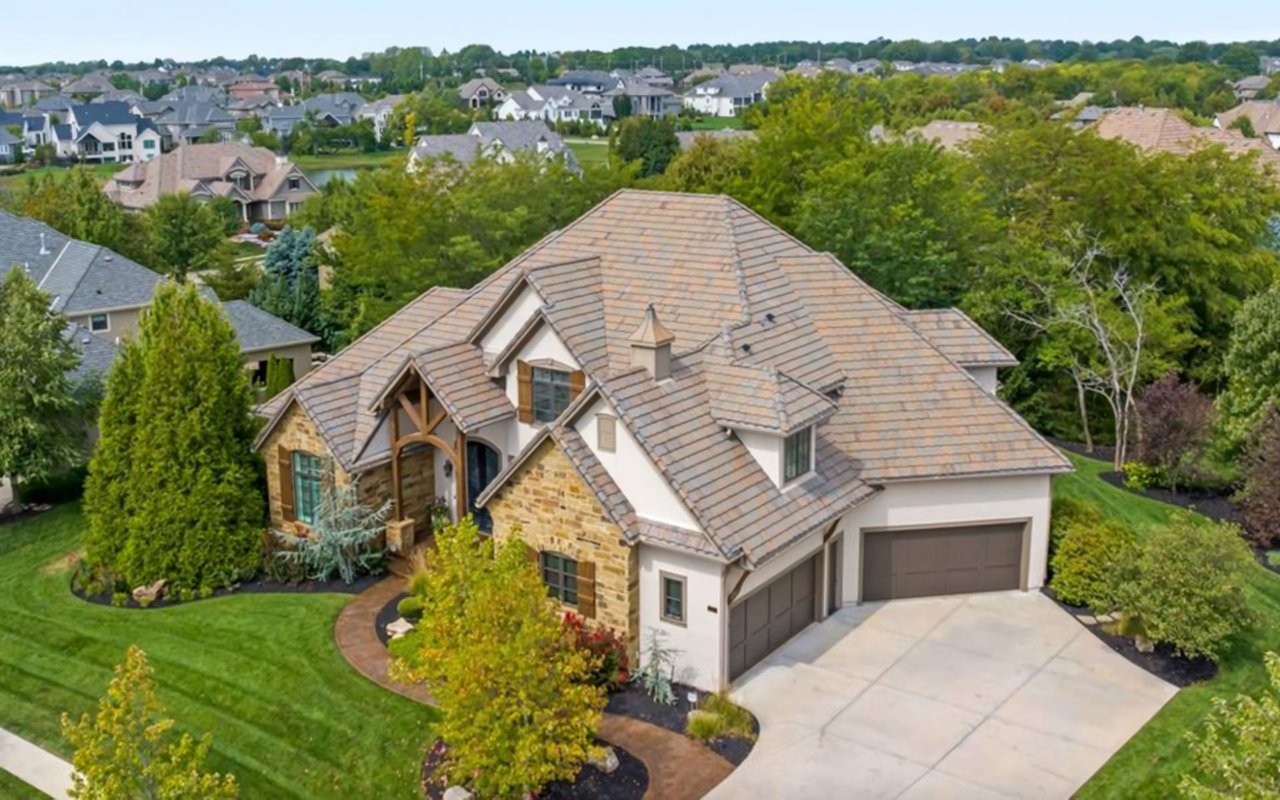
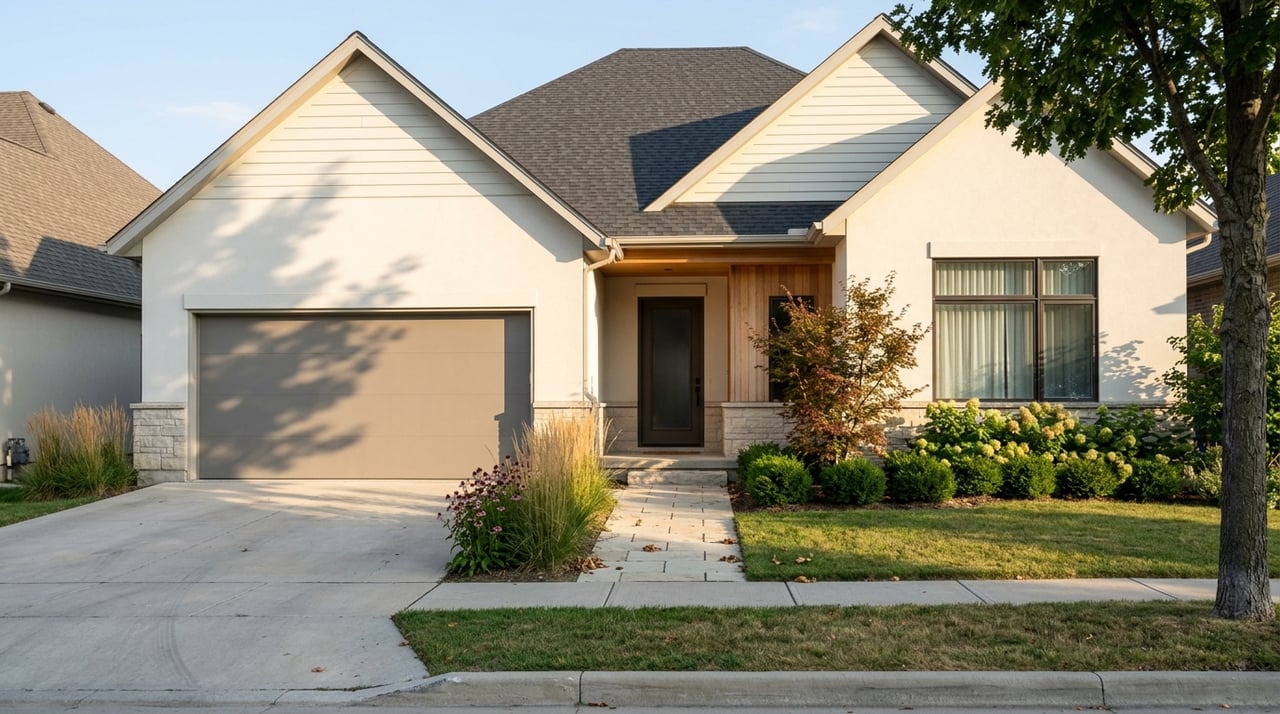
Detached single-family residences are the dominant land use in Westwood, and most homes were built before 1960. For many buyers, that means you should expect an older housing stock with established lots and a neighborhood layout that developed long before today’s large-scale suburban expansion.
The city reports an average single-family lot size of about 9,250 square feet. It also notes a difference across Rainbow Boulevard, with median lot sizes around 4,400 square feet east of Rainbow and about 9,065 square feet west of Rainbow.
Lot size can vary by area
That east-west difference matters when you are comparing homes. If outdoor space is high on your list, it is worth looking closely at where a property sits within Westwood rather than assuming all lots will feel the same.
In practical terms, Westwood offers a more established neighborhood pattern rather than a conventional new-subdivision format. That can be a major plus if you value location and character over brand-new construction.
Multi-family options are limited
The main exception to Westwood’s single-family pattern is Woodside Village near 47th Place and Rainbow. City documents describe it as mixed-use development with apartment homes above retail and other residential units, totaling 330 residential units plus retail space.
That gives Westwood a small but meaningful option for buyers or relocators who want a more urban housing format inside the city limits. Still, the overall housing identity of Westwood remains heavily centered on detached homes.
What the market means for buyers
Westwood is a small market, and the available inventory reflects that. Zillow reported an average home value of $438,325 as of March 31, 2026, while Realtor.com showed a median listing price of $414,000, with between 5 and 9 homes for sale depending on the source and a median 48 days on market through March 2026.
Those numbers use different methods, so the exact figures will vary by platform. What they show together, though, is a thin market where options can be limited and homes may move quickly.
For you as a buyer, that means preparation matters. In a neighborhood this small, the right home may not come up often, so having a clear list of priorities can help you act with more confidence when something fitting becomes available.
Commute and access in Westwood
Westwood’s location is a major advantage
One of Westwood’s strongest selling points is simple: location. The city positions itself as a residential base with ready access to the Plaza, downtown Kansas City, and KU Medical Center, which makes it especially practical for people who want a short, close-in commute.
That can be especially relevant if you work in medical, university, or downtown-related employment corridors. Instead of stretching farther into the suburbs, Westwood gives you a Johnson County address with proximity to major destinations across the state line and nearby Kansas City hubs.
Transit options add flexibility
For public transit, RideKC’s 11 Northeast-Westside route serves 39th & Rainbow and Rainbow & SW Blvd. RideKC’s 47 Broadway route also serves 39th & Rainbow and continues to stops such as 47th & Main and 47th & Troost.
For residents near Westwood’s east side, those stops are the most relevant bus anchors. While many residents may still prefer to drive, these routes add another practical option for commuting and regional access.
The streetcar extension helps regional mobility
The KC Streetcar Main Street extension began public service on October 24, 2025. It now runs from Union Station to 51st Street and Brookside Boulevard on the UMKC campus.
If your routine connects you to the Plaza, UMKC, or downtown corridor, that extension adds another useful layer to the larger transportation network around Westwood. Even if you are not using it every day, it expands your options for getting around nearby activity centers.
Local amenities and daily life
Westwood is small, but it still offers neighborhood-scale amenities that help create community rhythm. Joe D. Dennis Park sits at the southwest corner of 50th and Rainbow and hosts city events such as the Annual Egg Hunt, Fourth of July fireworks, Movies in the Park, and Oktoberfest.
For many relocators, those details matter. They give you a better sense of how the city functions beyond real estate listings and commute maps.
The city’s comprehensive plan also identifies several local anchors, including Westwood View Elementary, employers connected to KU hospital facilities, Midwest Transplant Network, and Woodside Health & Tennis Club. Together, those uses reinforce Westwood’s role as a small residential community with a few major institutional and lifestyle anchors nearby.
School path for Westwood residents
For households who want to understand the assigned public school path, Westwood View Elementary serves students in kindergarten through sixth grade. After sixth grade, students move to Indian Hills Middle School and Shawnee Mission East High School.
For relocators, that is often useful as a planning detail when comparing areas. It is best viewed as part of the practical picture of the neighborhood, along with housing style, commute options, and inventory.
How Westwood compares nearby
Westwood versus Westwood Hills and Mission Woods
Westwood sits between some very small enclave-style communities and larger nearby cities with more housing variety. Westwood Hills has 175 homes and is a National Historic District in its entirety, while Mission Woods has only 80 single-family residences, four office buildings, and a church.
Compared with those communities, Westwood still feels compact, but it offers a somewhat broader residential base. If you want a small-city setting without stepping into an even more tightly scaled enclave, Westwood can feel like a middle ground.
Westwood versus Fairway and Roeland Park
Fairway is larger, with nearly 4,000 residents, about 1,800 homes, and 40 businesses. Roeland Park is larger still in housing diversity, with 6,871 residents, 2,852 single-family homes, one large apartment complex, and a 285-unit apartment project under construction.
If you want more inventory and a broader range of housing choices, those cities may offer more options. Westwood, by comparison, is better for buyers who are comfortable with a smaller pool of available homes in exchange for a distinct close-in location.
Westwood versus Mission Hills
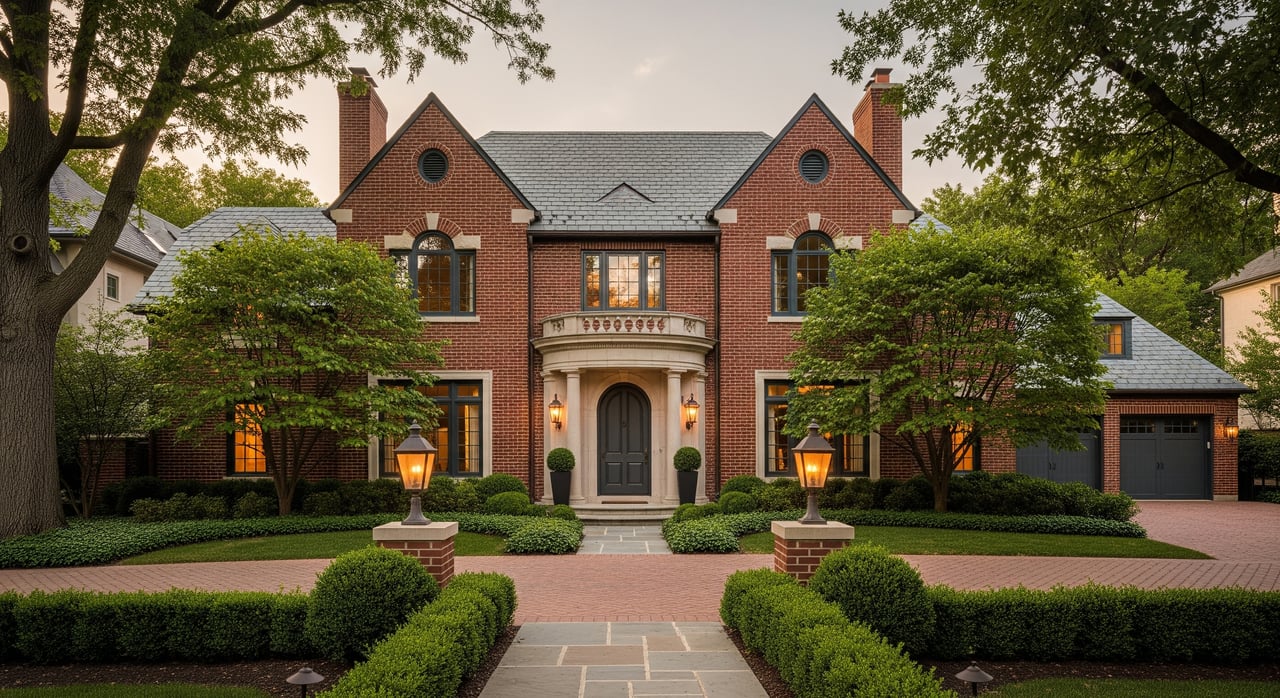
Mission Hills is the clearest estate-oriented comparison, shaped by features such as fountains, statuary, and three country clubs. That gives it a very different identity from Westwood.
If your goal is a more estate-driven setting, Mission Hills will likely feel different in both scale and atmosphere. Westwood is more modest in footprint and more centered on its established residential neighborhood fabric.
Who Westwood fits best
Westwood tends to be a strong fit if you want an older detached home, an established neighborhood feel, and practical access to KU Med, the Plaza, and the UMKC or downtown corridor. It can make particular sense if commute efficiency and location matter more to you than having a large number of homes to choose from.
It may be less compelling if you want abundant new construction or a larger stand-alone retail base within the city itself. In that case, nearby communities such as Fairway, Roeland Park, or larger Johnson County suburbs may line up better with your search.
Tips for relocating to Westwood
Before you focus only on listing photos, it helps to think through how you want your day-to-day life to work. In a small market like Westwood, practical fit often matters more than trying to compare a long list of available homes.
A few smart questions to ask yourself include:
- Do you want an established home with neighborhood character rather than newer construction?
- How important is quick access to KU Med, the Plaza, UMKC, or downtown Kansas City?
- Are you comfortable searching in a market with very limited inventory?
- Would you prefer detached housing, or are you also open to a mixed-use option like Woodside Village?
- How much lot size matters to you, especially if you are comparing homes east and west of Rainbow Boulevard?
The clearer you are on those answers, the easier it becomes to decide whether Westwood is the right match.
If you are planning a move and want help comparing Westwood with nearby Johnson County options, The Huff Group can help you narrow the search, understand the tradeoffs, and move forward with confidence.
FAQs
What is Westwood, KS like for relocating buyers?
- Westwood is a small first-tier suburb in northeast Johnson County known for older detached homes, mature trees, pedestrian-friendly streets, and quick access to the Plaza, downtown Kansas City, and KU Medical Center.
What types of homes are common in Westwood, KS?
- Westwood is dominated by detached single-family homes, most built before 1960, with limited multi-family housing apart from the mixed-use Woodside Village development.
How competitive is the Westwood, KS housing market?
- Westwood is a thin market with limited inventory, with recent snapshots showing only 5 to 9 homes for sale and about 48 days on market through March 2026.
What schools serve homes in Westwood, KS?
- Westwood View Elementary serves kindergarten through sixth grade, followed by Indian Hills Middle School and Shawnee Mission East High School.
How does Westwood, KS compare with nearby neighborhoods?
- Westwood generally sits between very small enclave-style communities like Westwood Hills and Mission Woods and larger nearby cities like Fairway and Roeland Park that offer more housing variety.
Is Westwood, KS a good fit for KU Med or downtown commuters?
- Westwood can be a strong fit for buyers who want close access to KU Medical Center, the Plaza, UMKC, and downtown Kansas City, with added transit connections nearby through RideKC routes and the KC Streetcar extension.