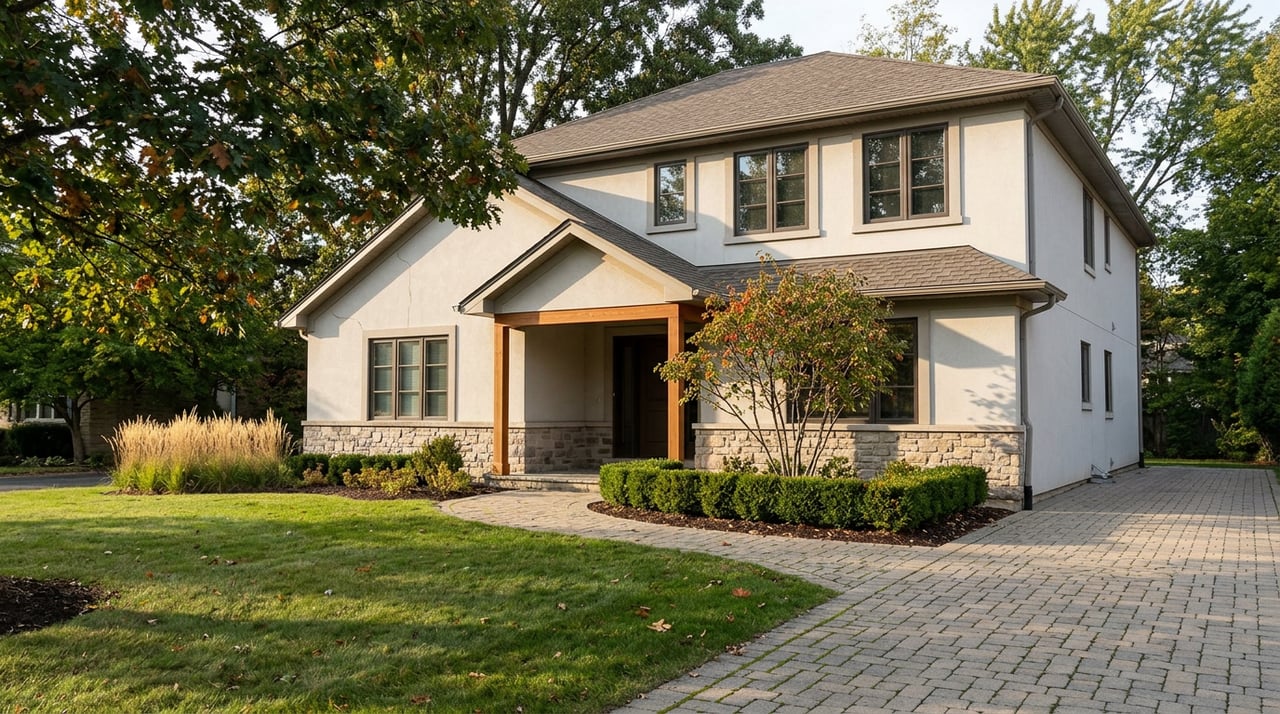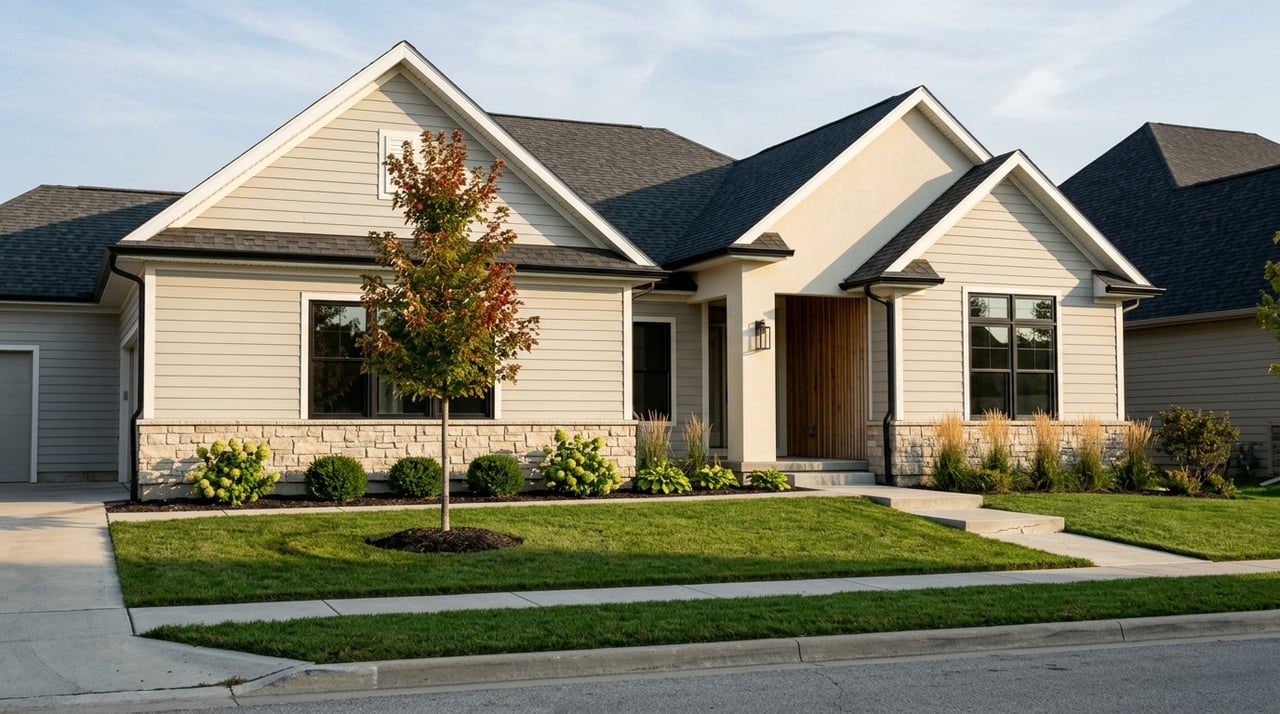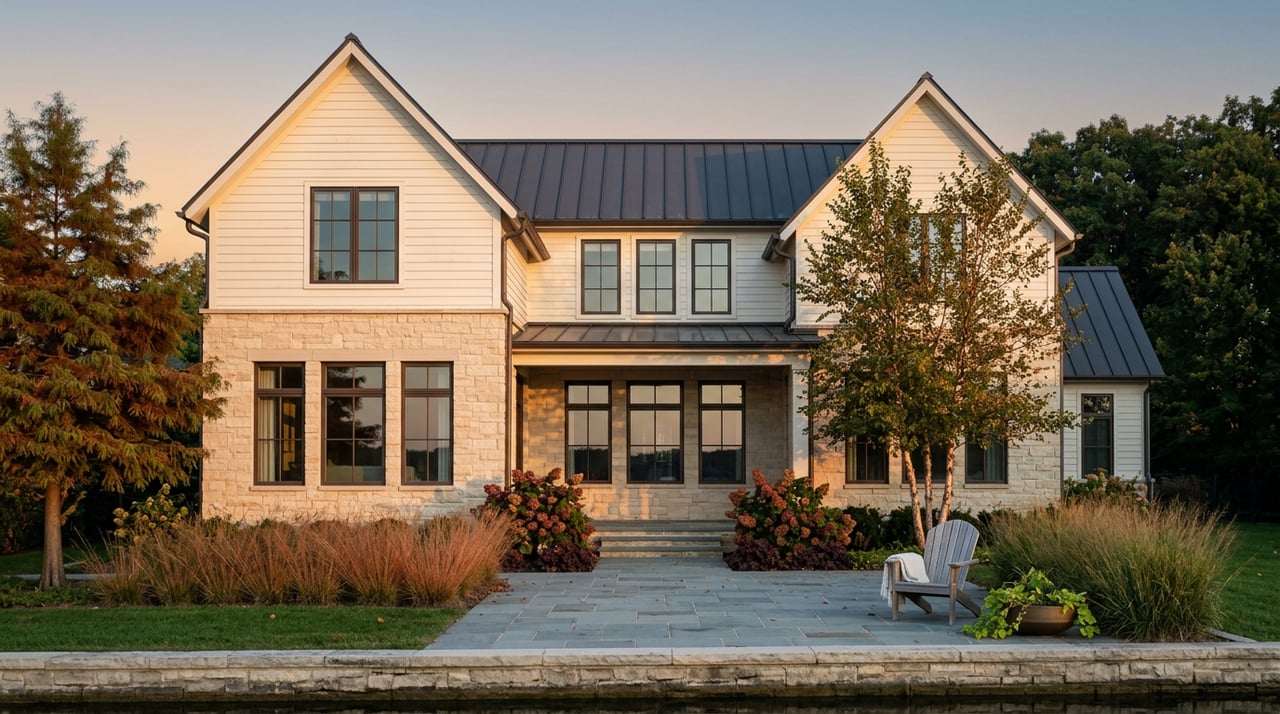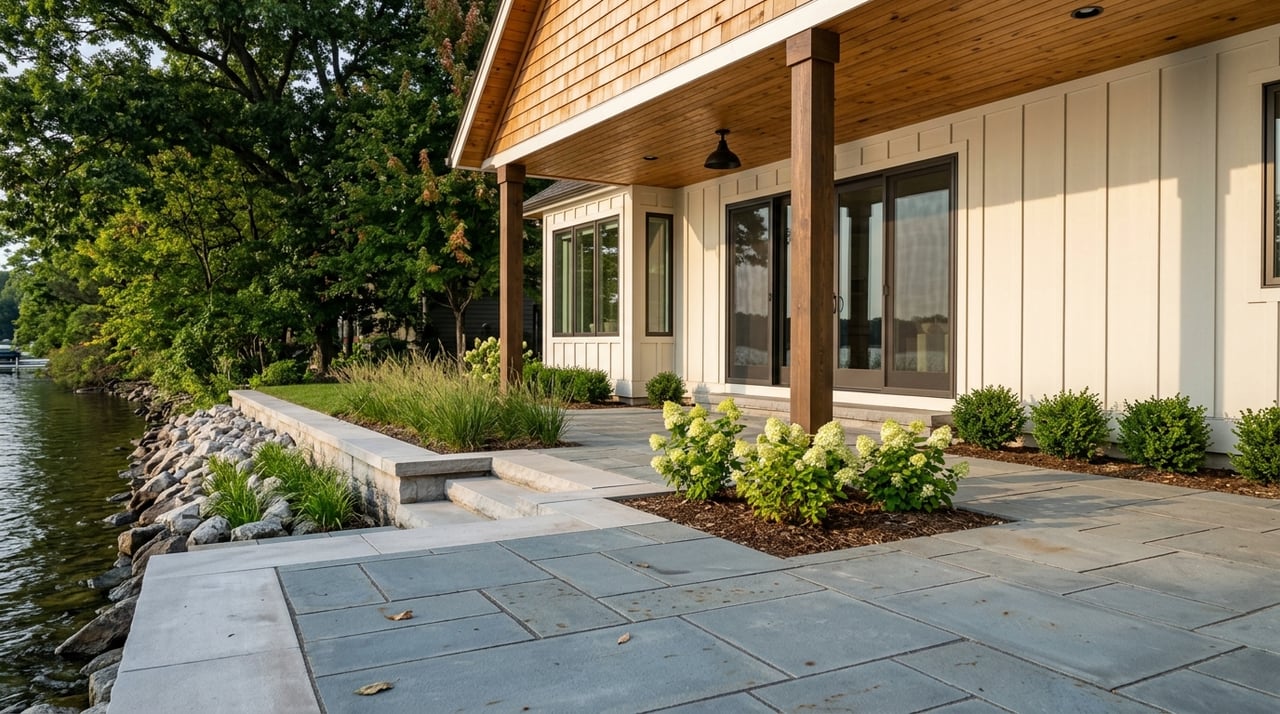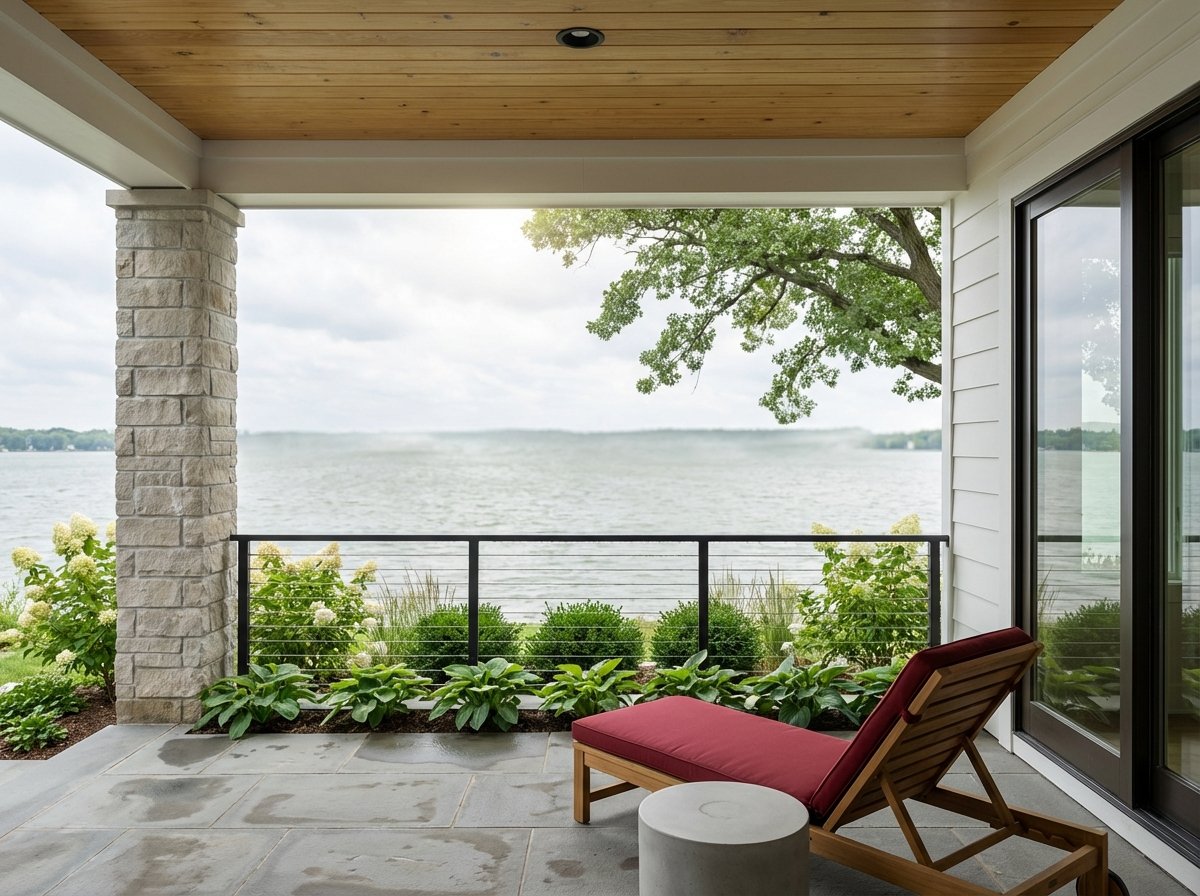
Buying in Lake Lotawana is not the same as buying in a typical suburban neighborhood. If you are serious about owning here, you need to look beyond the house itself and understand how the lot, the lake, the city, and the association all work together. The good news is that once you know the basics, you can shop with more confidence, avoid expensive surprises, and make a smarter decision. Let’s dive in.
Why Lake Lotawana Works Differently
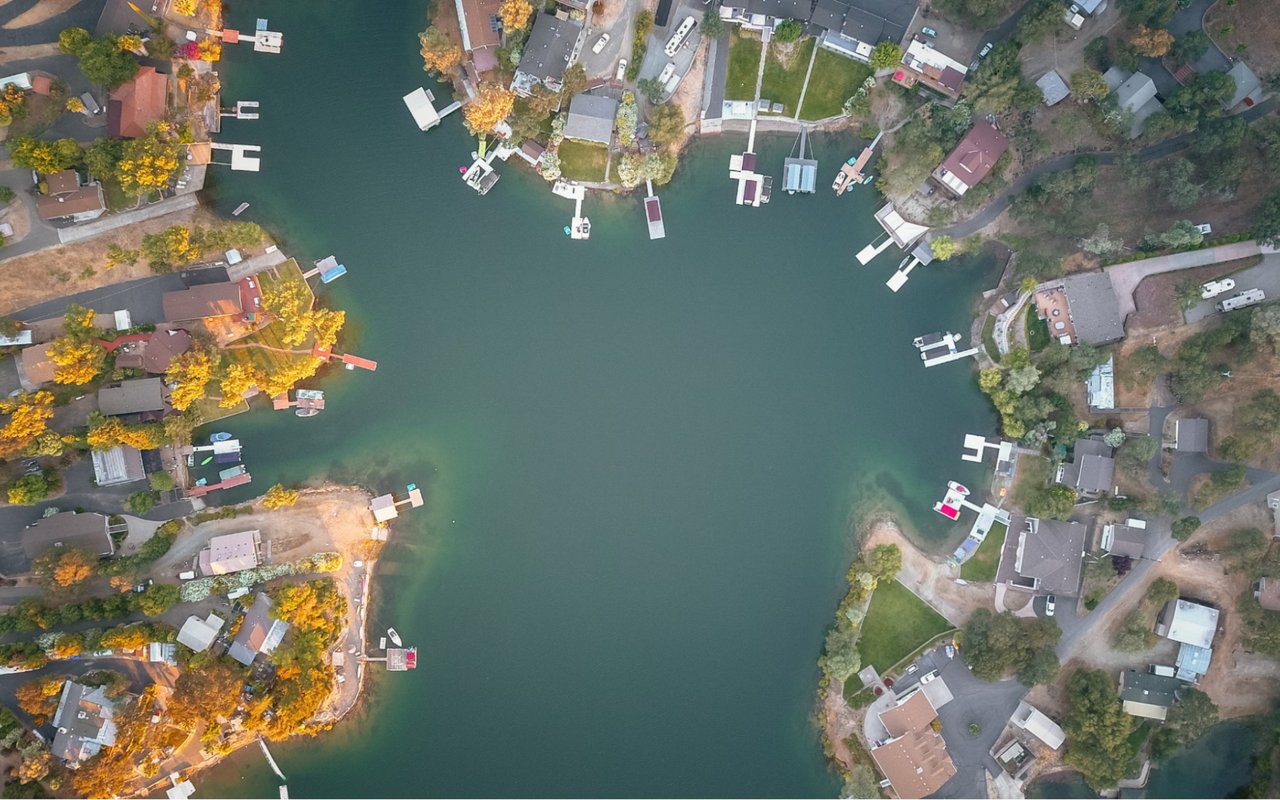
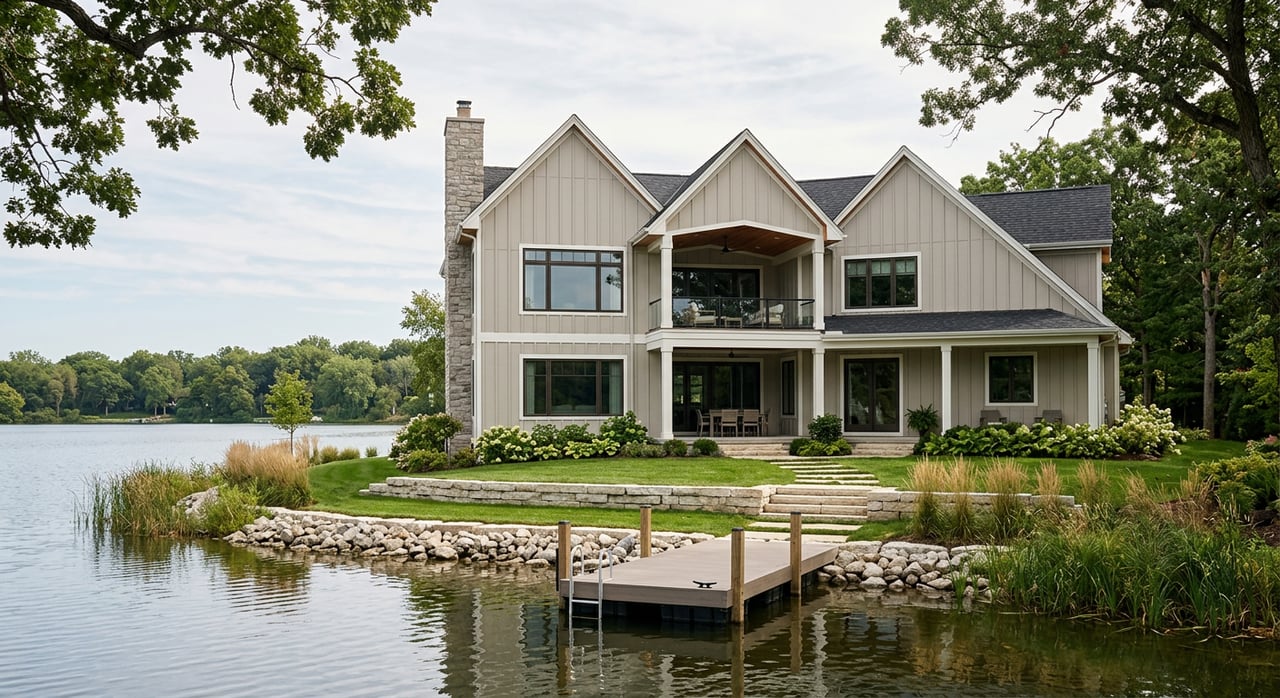
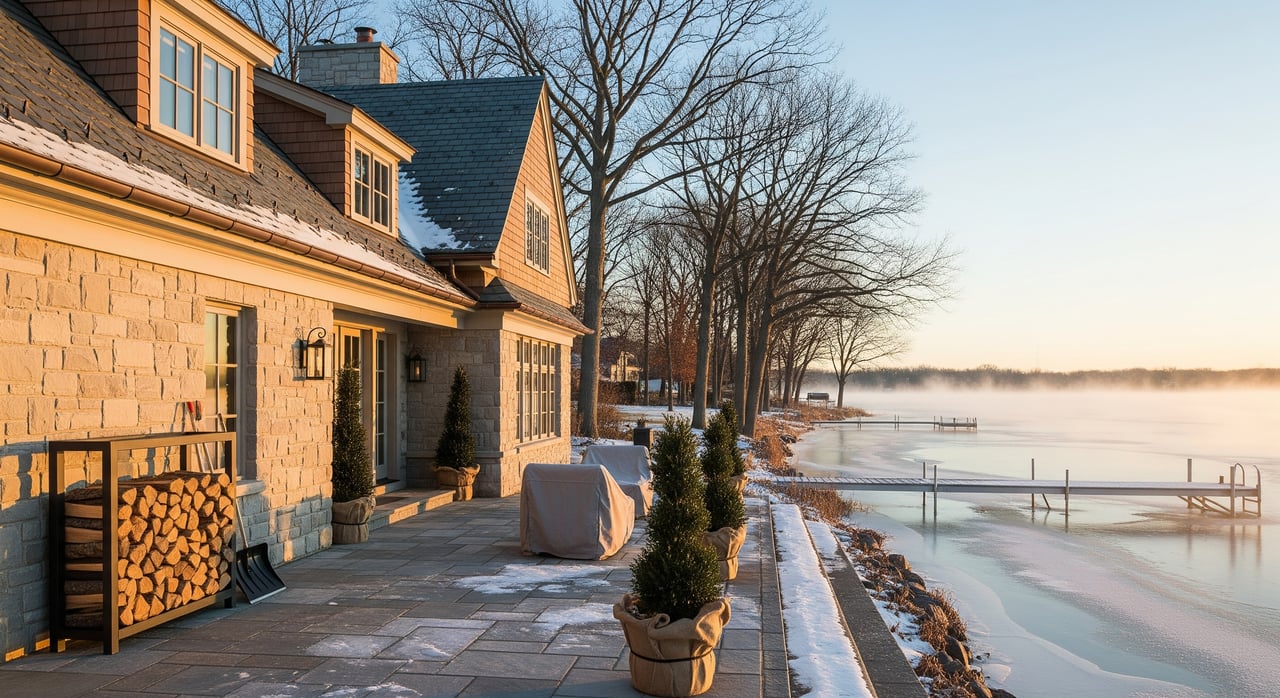
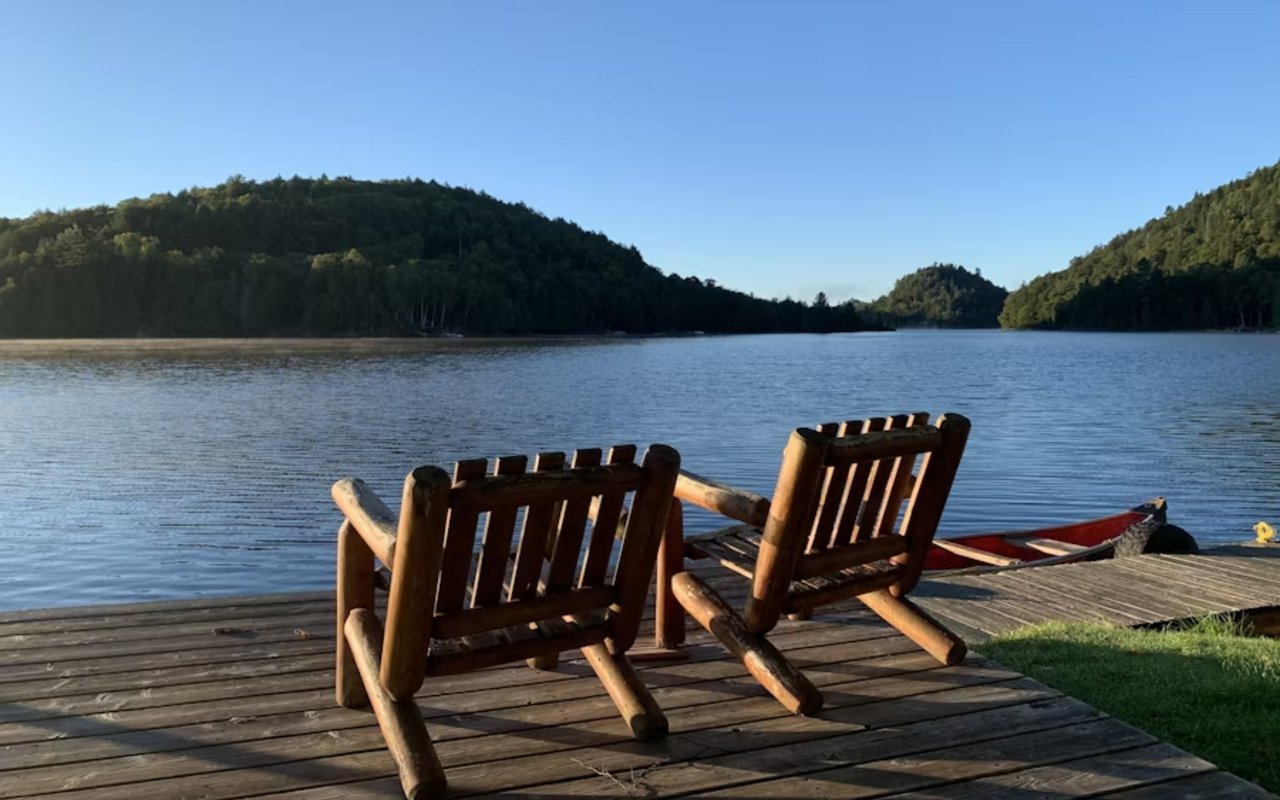
Lake Lotawana is a private lake city in Jackson County, and that alone changes the buying process. The city describes the lake as having 480 acres of surface water and 27 miles of shoreline, making it the largest private lake in the Kansas City area.
What makes ownership here unique is the split between city oversight and association oversight. The city handles services such as sewer, police, municipal court, and planning and zoning, while the Lake Lotawana Association oversees the roads around the physical lake along with the lake and common areas.
That means your ownership experience may involve more than standard city codes and a typical closing checklist. Your use of the property can also be shaped by recorded deed restrictions, association bylaws, permits, assessments, and lake-use rules.
Understand the Two Layers of Authority
Before you make an offer, it helps to understand who controls what. In Lake Lotawana, both the city and the association play important roles in how property can be used.
The association bylaws state that all recorded owners of lots or tracts in the Lake Lotawana Subdivision are members of the association. Active membership depends on payment of assessments, which means dues status is not a small detail. It can affect your standing as an owner after closing.
The bylaws also create boards that directly affect owners. The Water Use Enforcement Board handles disputes over water-use citations, and the Lake Improvement Board supervises permits for adding or removing improvements on the lake, common areas, or other association-owned property.
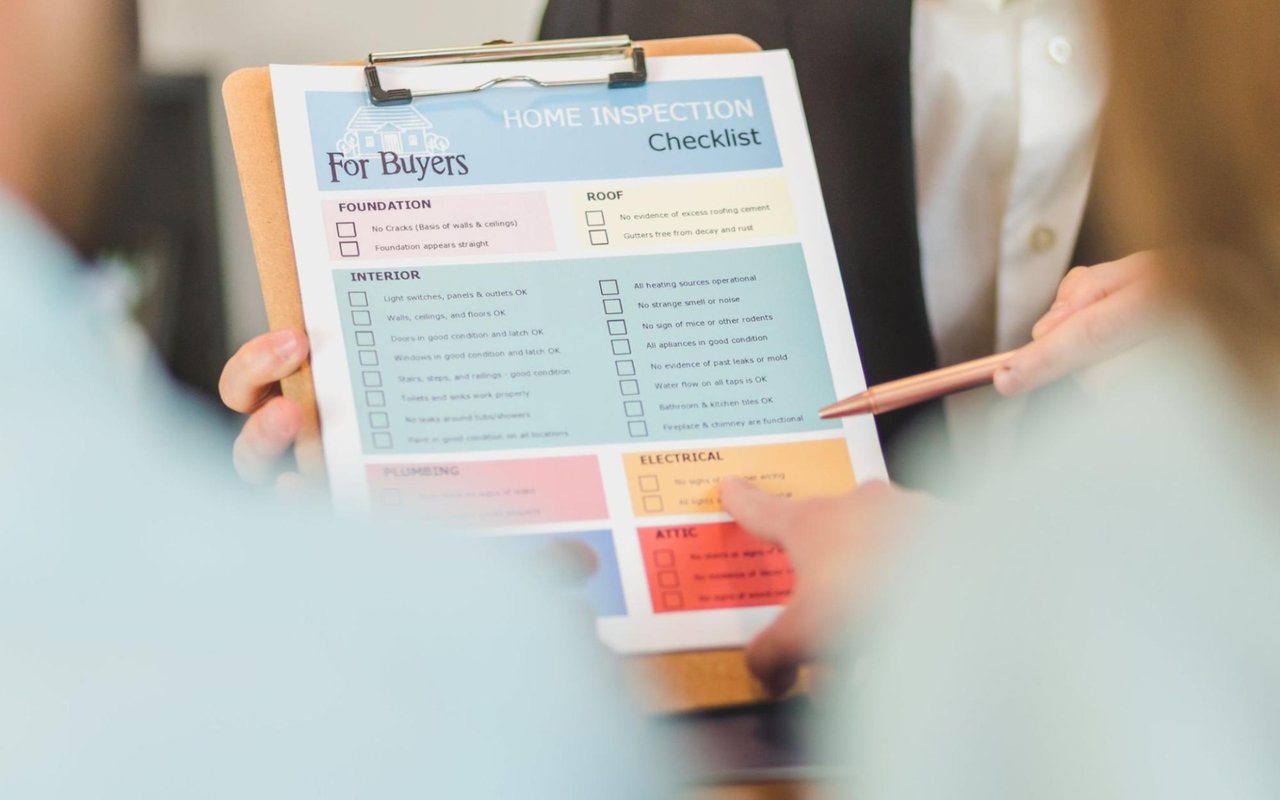
For you as a buyer, this means due diligence should include more than title and inspections. You also want to understand whether there are unpaid assessments, existing violations, or permit issues tied to the lot.
Lot Type Matters More Than You Think
Not every property in Lake Lotawana offers the same lake experience. The recorded plat and deed-restriction history show that the community includes multiple blocks, later re-plats, and different lot tiers.
In practical terms, you may be looking at a true shoreline property, a tiered lot set back from the water, or another type of tract. That distinction matters because lake access and use rights are tied to the deed, tier, and permit status, not just the address or how close a home appears to the shoreline.
The original deed restrictions granted lot owners, their families, and their guests use of the lake for boating, bathing, fishing, private beaches, and the parkway surrounding the lake, all subject to association rules. Buyers should verify whether those rights attach to the specific lot they are purchasing and whether any added approvals are needed.
Dock Rights Are Not Automatic
One of the biggest mistakes buyers can make in Lake Lotawana is assuming a dock simply transfers with the property. Here, dock access involves rules, permits, and approvals that deserve careful review.
City code says no dock, boathouse, boat lift, catwalk, or similar structure may be built, moved, or maintained without a city permit. The permit is limited to applicants who own real estate in the Lakeside Residential District that is already improved with habitable living quarters and compliant toilet facilities.
That means dock eligibility is not only about owning near the water. It is also tied to zoning and whether the property meets the city’s improvement requirements.
Expect a Two-Step Dock Approval Process
If you plan to build, replace, or modify a dock or boathouse, you will likely deal with both the city and the association. That dual process is one of the clearest ways Lake Lotawana differs from many other residential communities.
The city requires a building permit for docks and boathouses. Its code says plans must be submitted, nearby owners may receive notice before issuance, and the permit expires if the work is not completed within 90 days.
The association has its own construction-permit process for docks and other lake-related improvements. According to its application procedure, the owner or an authorized representative must attend the Lake Improvement Board hearing, applications are handled first come, first served, and new enclosed boathouses are not allowed.
What Buyers Should Know About Dock Standards
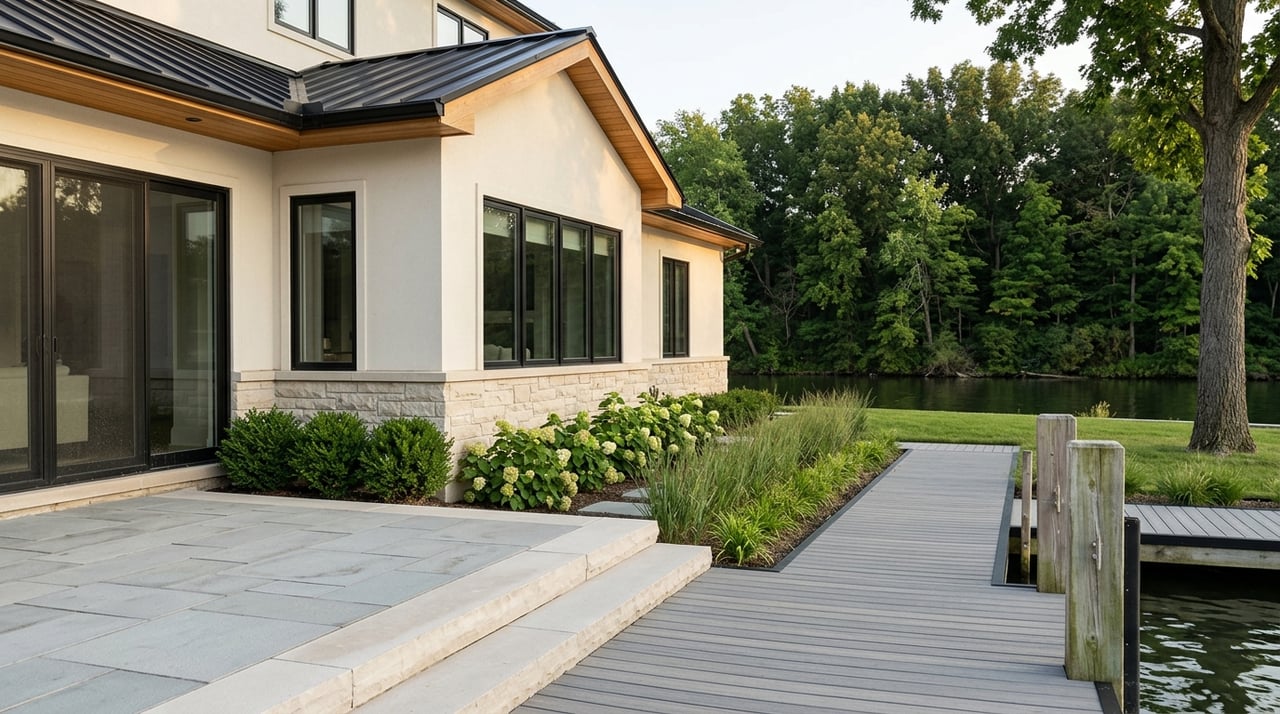
The city’s dock standards are specific, but the main points are straightforward. Docks must be floating, securely moored, and cannot include living facilities.
The code also requires at least 15 feet between adjacent docking structures unless they are registered to the same improved lot. In addition, the owner’s block and lot number must be displayed so it is visible from the lake.
Those details matter if you are buying a home with an existing dock. You want to know whether the current setup meets local requirements or whether changes may be needed later.
A Dock Permit Is a License, Not a Property Right
This is one of the most important details for serious buyers. The association’s dock registration form states that the dock permit is a revocable personal license, not a permanent property right.
It also says the permit does not automatically transfer when the lot is sold. The new owner must apply for a new permit, and the dock location is at the association’s discretion.
That can come as a surprise if you assume the dock is simply part of the real estate. Before you move forward, make sure you understand what is actually included in the sale and what still requires fresh approval after closing.
Boats, Insurance, and Decals Are Part of Ownership
At Lake Lotawana, the lifestyle appeal is a big part of the draw. The city describes activities that include sailing regattas, speed boating, pontoon boating, kayaking, canoeing, water skiing, tubing, swimming, and fishing events.
But lake use is tied to compliance. The association’s watercraft registration form requires insurance, current assessments on all owned property, and annual decals.
For power craft, the required liability coverage is at least $300,000. For non-power craft, the minimum is $100,000. Existing boats on the lake must be registered and display the required decal by May 1, or they must be removed from docks, lifts, the parkway, and the lake.
Guests and Family Use Still Follow the Rules
If you picture weekends filled with family and friends on the water, it is smart to understand the rules early. The association states that lake privileges may be revoked if guests or family members do not comply with water-use regulations.
That does not mean you cannot enjoy the property with others. It simply means ownership here comes with responsibility, and the rules extend beyond the deeded owner.
For many buyers, this is a manageable part of lake living. Still, it is worth knowing upfront so your expectations match the reality of private-lake ownership.
Parking and Property Access Need Attention
Parking may not be the first thing you think about when buying at the lake, but it should be on your checklist. The association’s construction-permit fee schedule includes driveways, parking pads, sidewalks, and parkway use permits, which shows that these improvements are regulated.
The city’s permits page also strongly encourages applicants in the Lakeside Residential zoning district to contact the association about permitting requirements. If you expect to rework access, add hardscape, or improve parking, confirm the approval process before you buy.
This is especially important for homes that attract frequent guests or for buyers who plan to keep watercraft, trailers, or multiple vehicles on site. A property can fit your wish list on paper but still require approvals for the way you want to use it.
Rental Plans Add Another Layer
If you are considering a home that you may rent out, even occasionally, you need to review the local rules carefully. The association’s rental agreement form says the owner gives up lake-use privileges tied to the property for the duration of the rental.
The same form says only one family may occupy the residence, the renter must comply with the bylaws and water-use rules, boats must be identified with the property’s block and lot numbers, and boats must be removed when the lease ends. In other words, rental use is structured and closely tied to compliance.
For buyers thinking about flexibility or investment potential, that makes rental rules part of the purchase decision, not something to figure out after closing.
Questions to Ask Before You Make an Offer
The right questions can save you time, money, and frustration. In Lake Lotawana, your due diligence should focus on lake rights, permits, and current compliance as much as the home itself.
Ask these questions before you commit:
- Does this lot have direct shoreline access, a tiered-lot position, or another deed-based lake-rights setup?
- Do lake-use rights attach to this specific lot under the recorded restrictions?
- Is there an existing dock permit, and what will the new owner need to do after closing?
- Is the current dock or boathouse compliant with city rules on size, spacing, mooring, and identification?
- Are association assessments current on the property?
- Are there any known rule violations, suspensions, or unresolved permit issues tied to the lot?
- If you plan to rent the home, what occupancy, boat-registration, and lake-privilege rules will apply?
- Is there enough on-site parking for your needs, and would changes require association or city approval?
Why Local Guidance Matters
Lake Lotawana can be an incredible place to own, but it rewards careful buyers. The details that matter most are often the ones that do not show up in listing photos, like lot tier, permit status, assessment standing, and whether a dock license will need to be reapproved.
That is why local guidance matters so much here. When you understand the rules before you buy, you can move forward with a clearer picture of what you are getting and how you can actually use it.
If you are thinking about buying in Lake Lotawana and want a team that can help you navigate the details with confidence, connect with The Huff Group.
FAQs
What makes Lake Lotawana homeownership different from a typical suburban purchase?
- Lake Lotawana ownership involves both city rules and Lake Lotawana Association rules, so buyers should review deed restrictions, permits, assessments, and lake-use regulations in addition to standard home-buying due diligence.
Do Lake Lotawana dock permits transfer automatically with a home sale?
- No. The association’s dock registration form says a dock permit is a revocable personal license that does not automatically transfer with the sale, and the new owner must apply for a new permit.
Can any Lake Lotawana property owner build a dock?
- Not automatically. City code says dock-related permits are limited to owners of real estate in the Lakeside Residential District that is already improved with habitable living quarters and compliant toilet facilities.
What should buyers know about Lake Lotawana boat registration rules?
- Buyers should know that watercraft registration requires insurance, current assessments, annual decals, and display of required identification, with different liability minimums for power craft and non-power craft.
How do rentals affect Lake Lotawana lake-use privileges?
- The association’s rental agreement says the owner gives up lake-use privileges tied to the property for the length of the rental, and renters must follow the bylaws and water-use regulations.
What questions should buyers ask about a Lake Lotawana lot before making an offer?
- Buyers should ask about shoreline or tier status, deed-based lake rights, current assessments, existing dock permits, compliance issues, rental rules, and whether parking or access improvements will need approval.