Buying your first home in Olathe can feel exciting and a bit overwhelming. You want a clear picture of prices, where to look, how fast to move, and what it really costs to close. You also want a plan that helps you compete without taking on unnecessary risk. This guide gives you the numbers, timelines, and local know-how you need to buy with confidence in Johnson County. Let’s dive in.
Olathe market at a glance
Olathe is a competitive suburban market, and entry-level inventory is tight. As of early 2026, the city’s median sale price sits around the mid to upper $400s, while broader value indexes read slightly lower. Different data sources measure different things, which is why figures vary. What matters most for you is the specific neighborhood and property type you target.
The Johnson County Appraiser’s 2026 revaluation shows residential values rising about 6 percent year over year and notes fewer homes appraised below $300,000. That shift is a key reason entry-level buyers feel more competition. You can review the county’s latest revaluation summary to understand how values trend across the area in the Johnson County 2026 revaluation report.
What this means for first-time buyers
- Be ready to act quickly on well-priced homes in your target area.
- Expect the most competition under roughly $350,000 given limited supply.
- Focus on realistic price bands for the home size, age, and location you want.
Where first-time buyers look
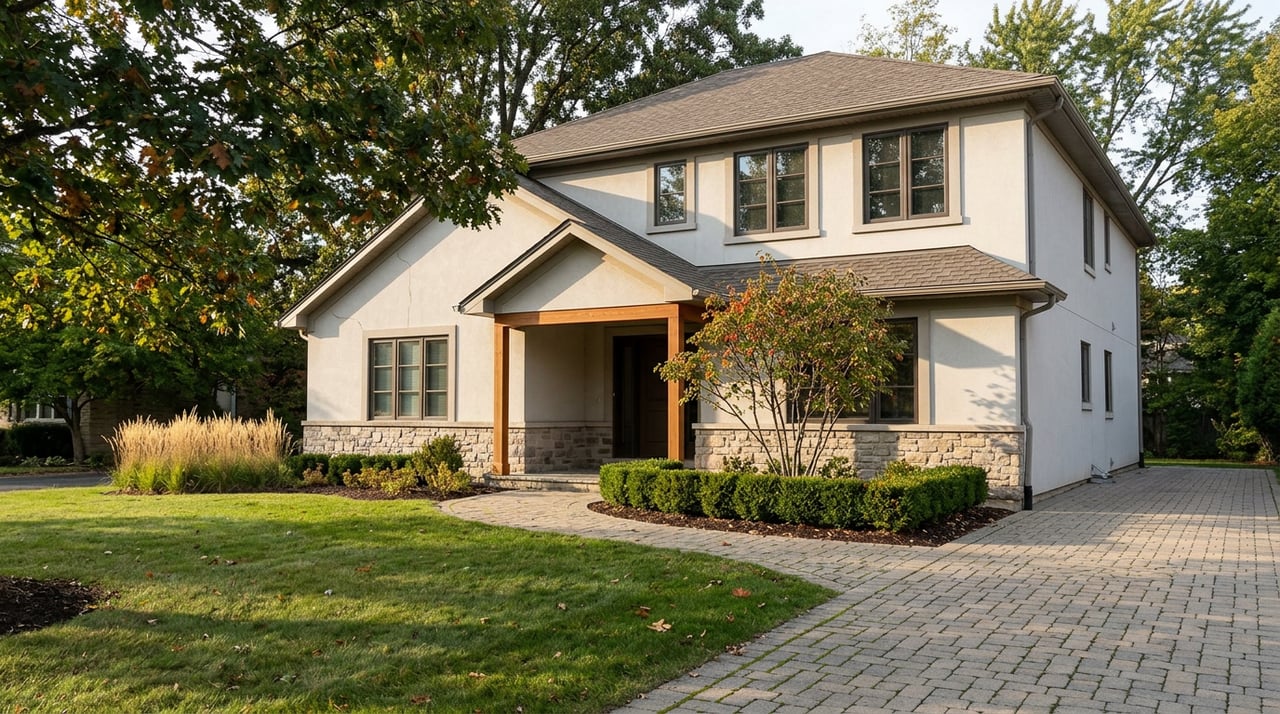
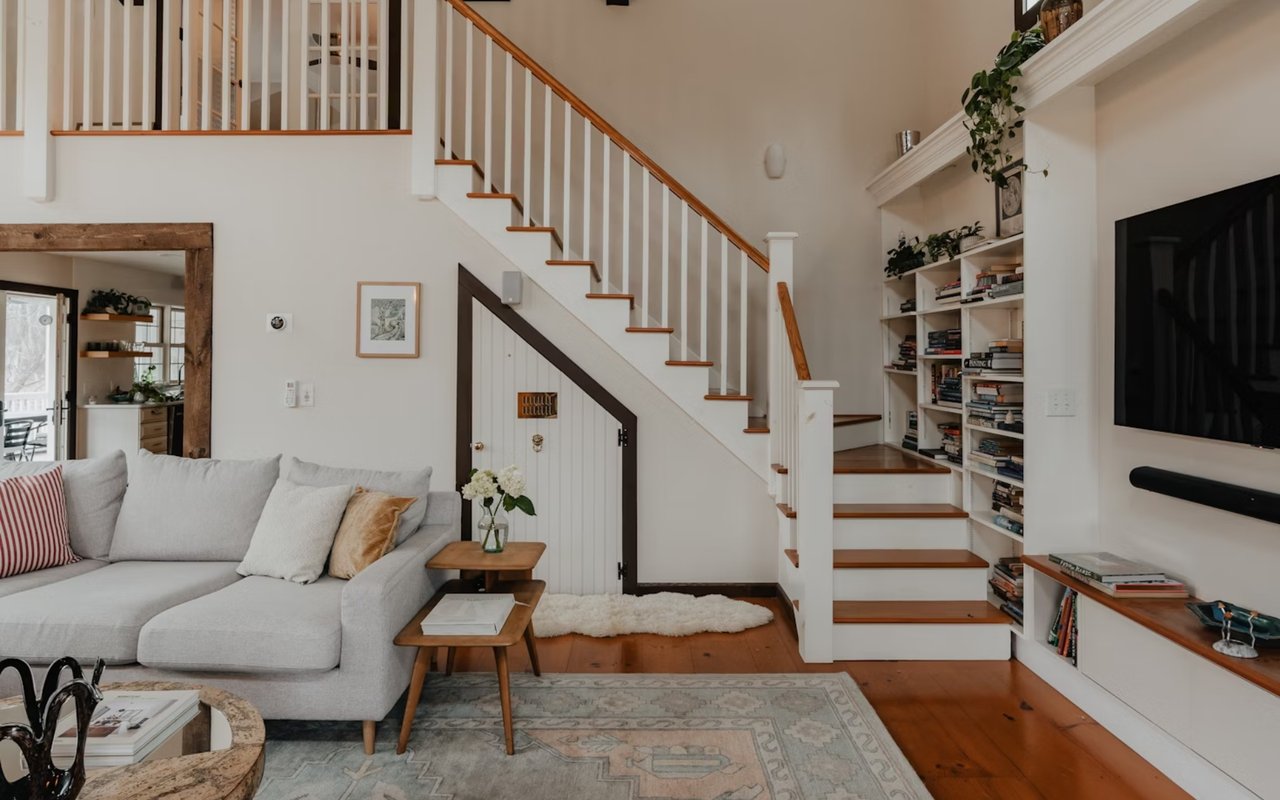
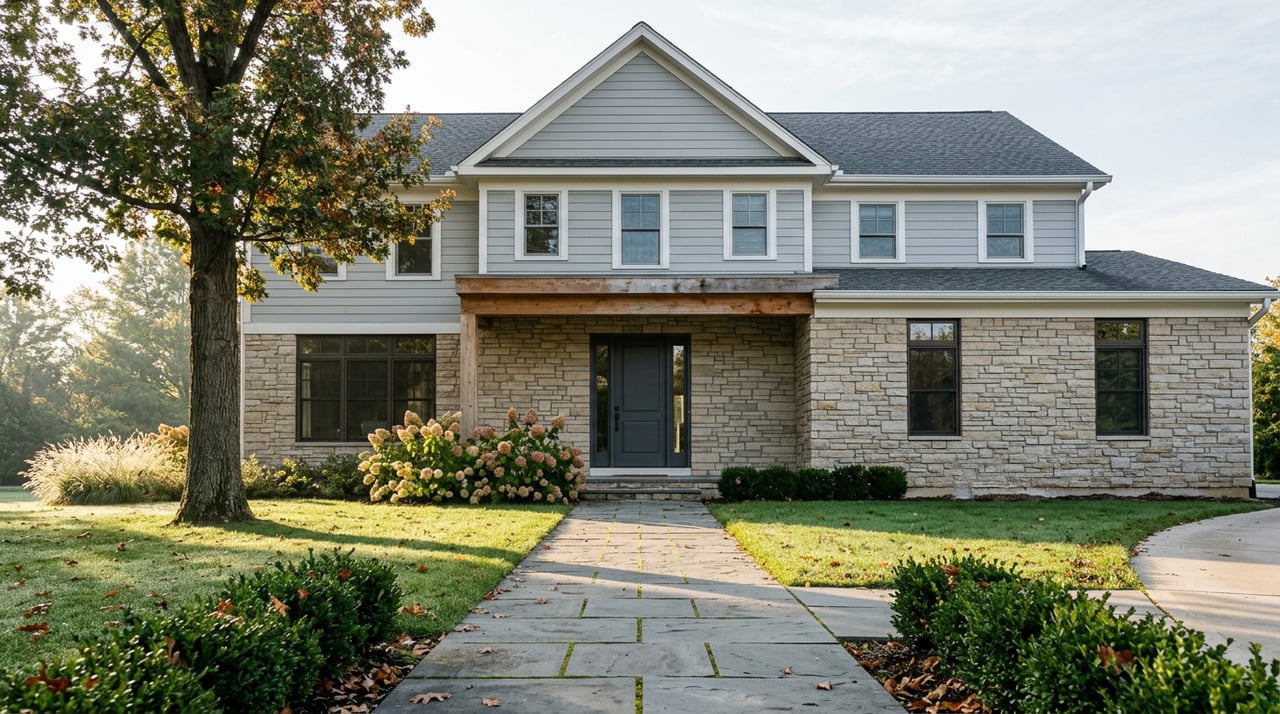
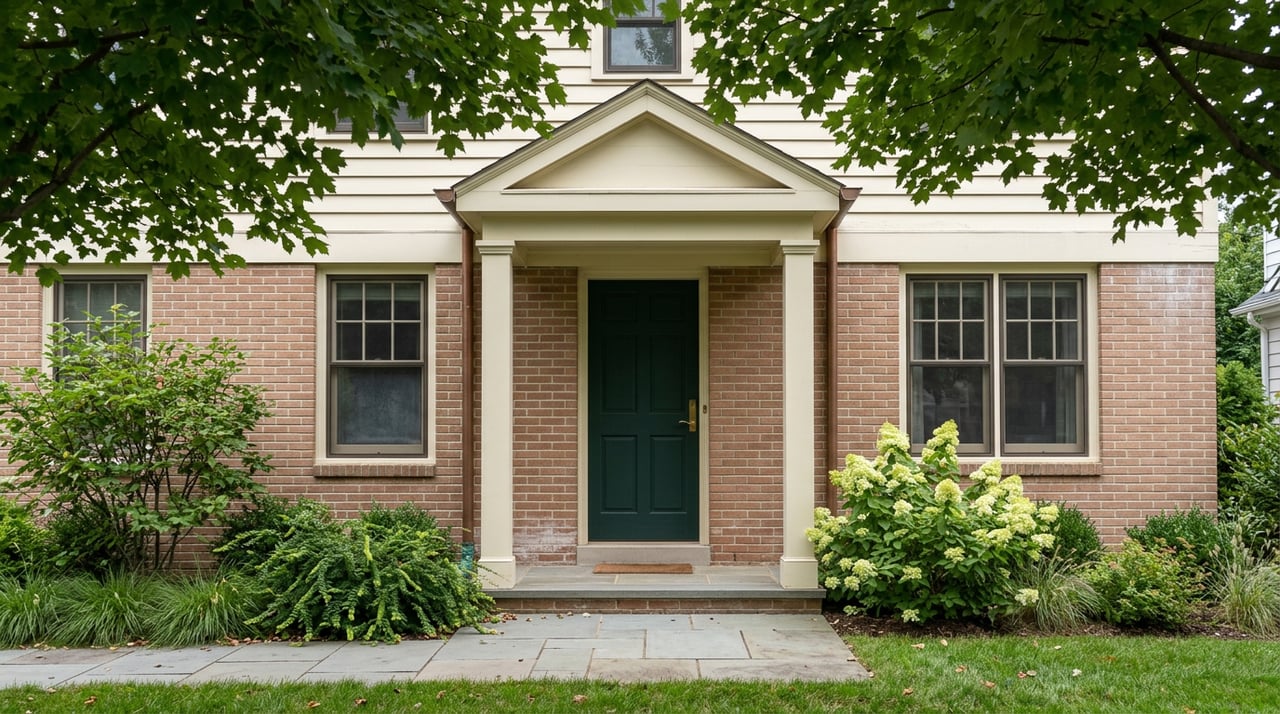
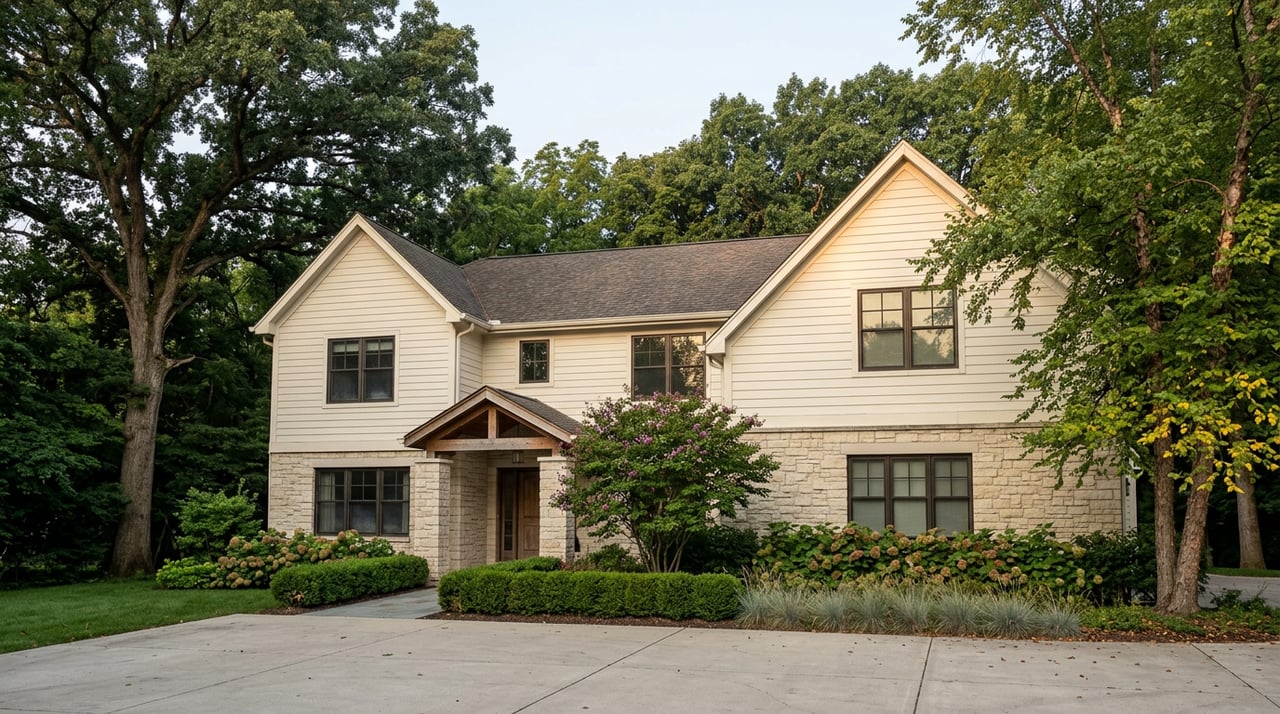
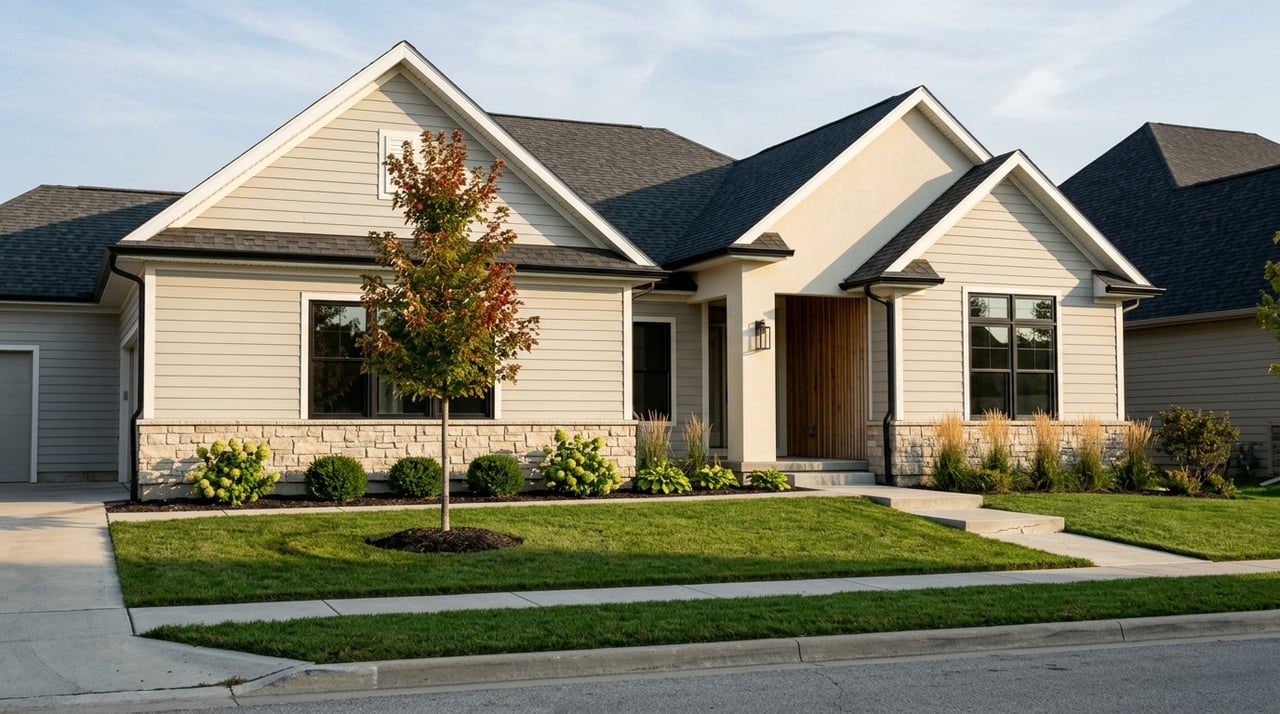
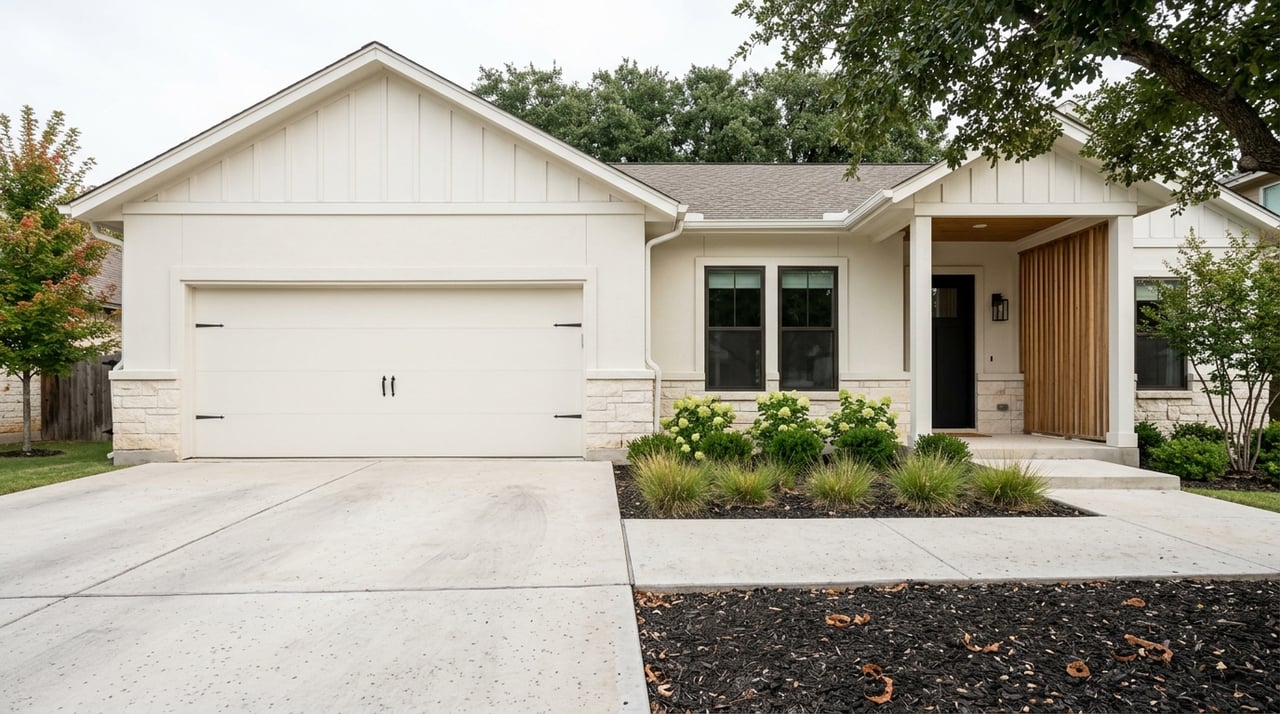
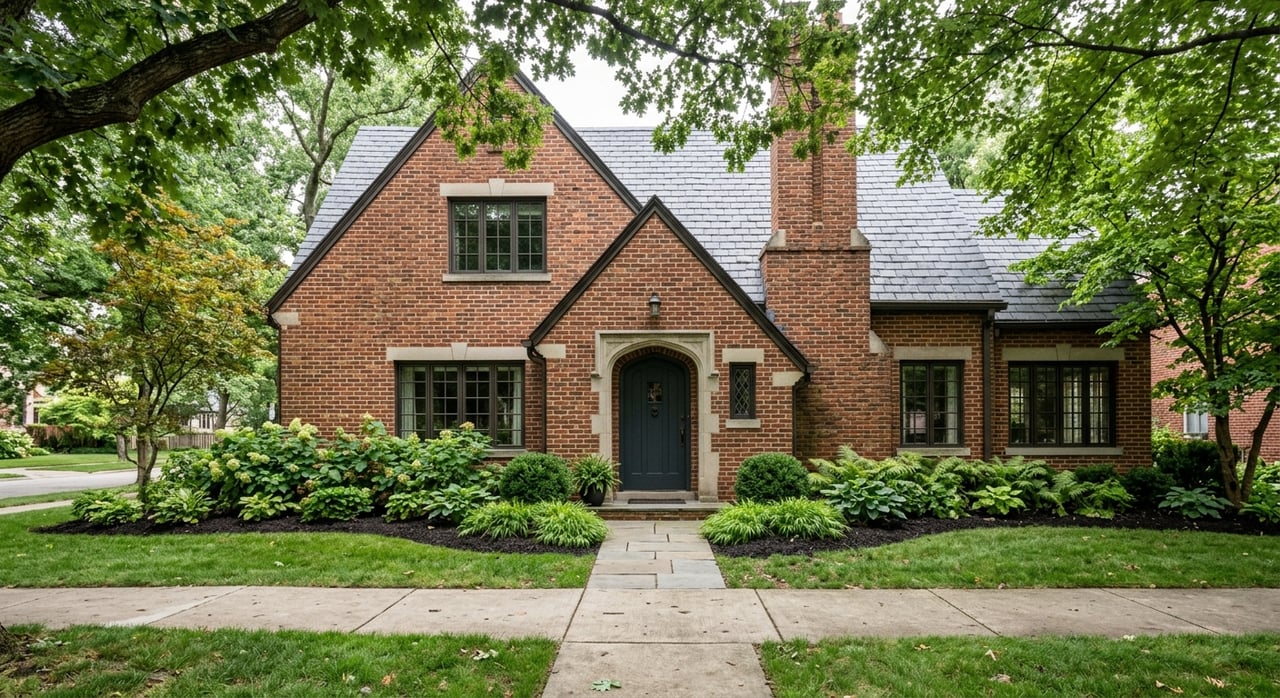
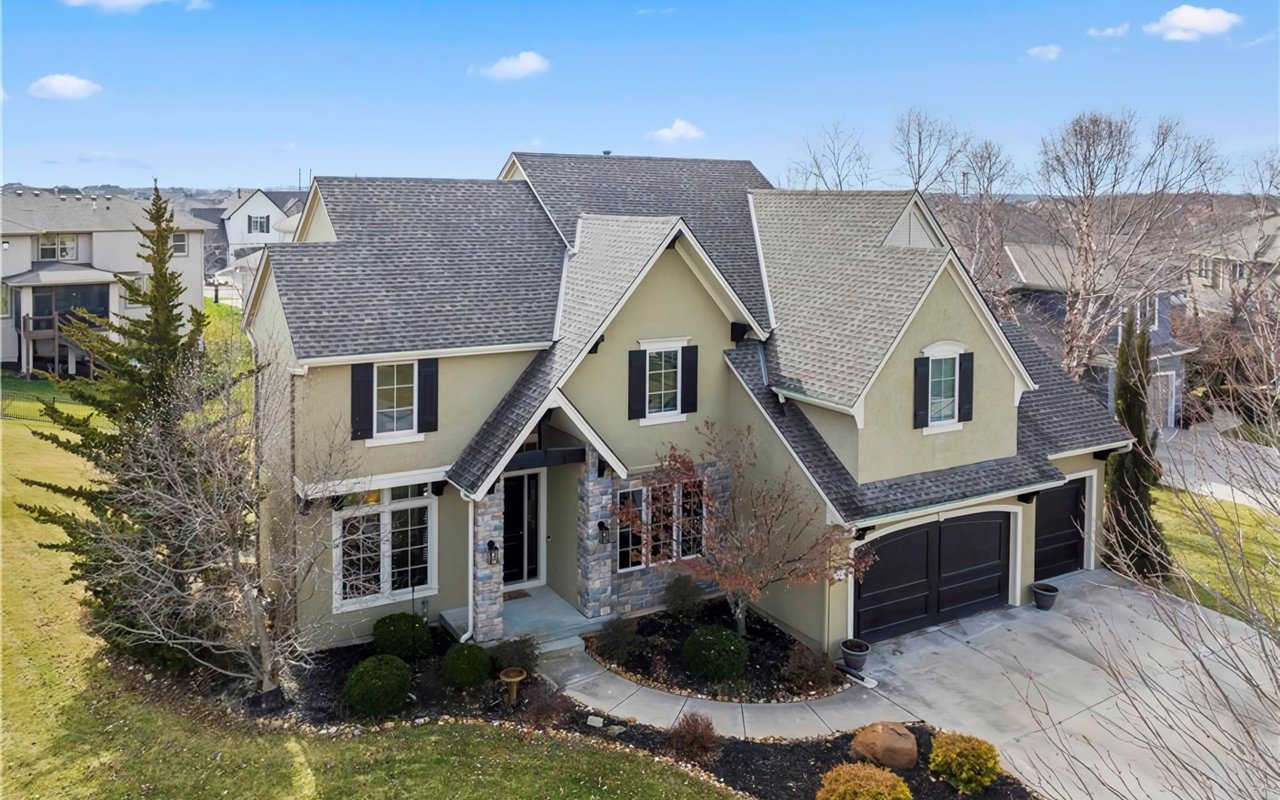
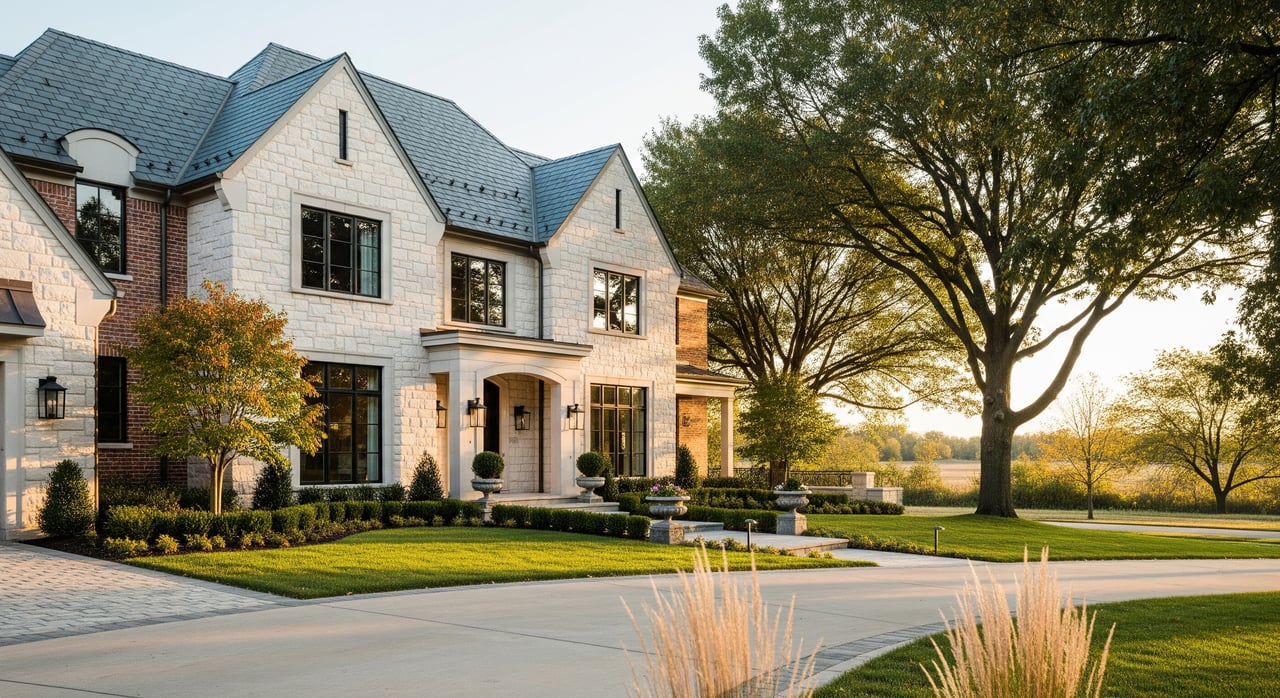
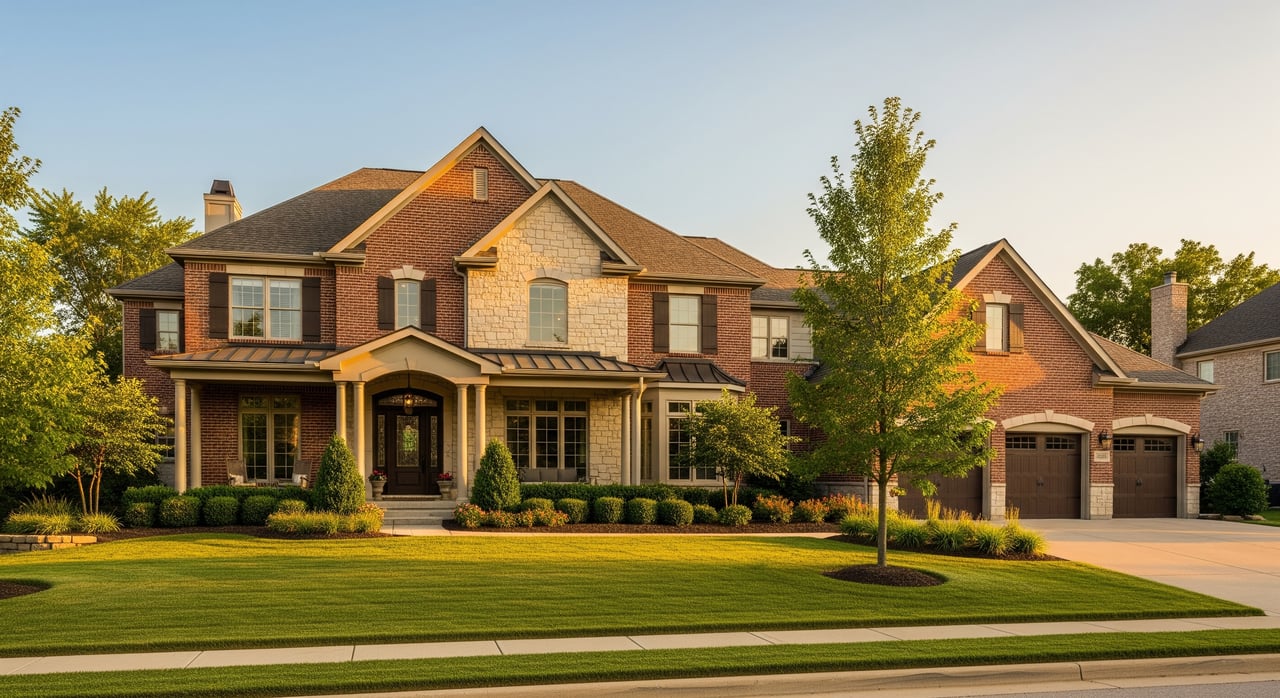
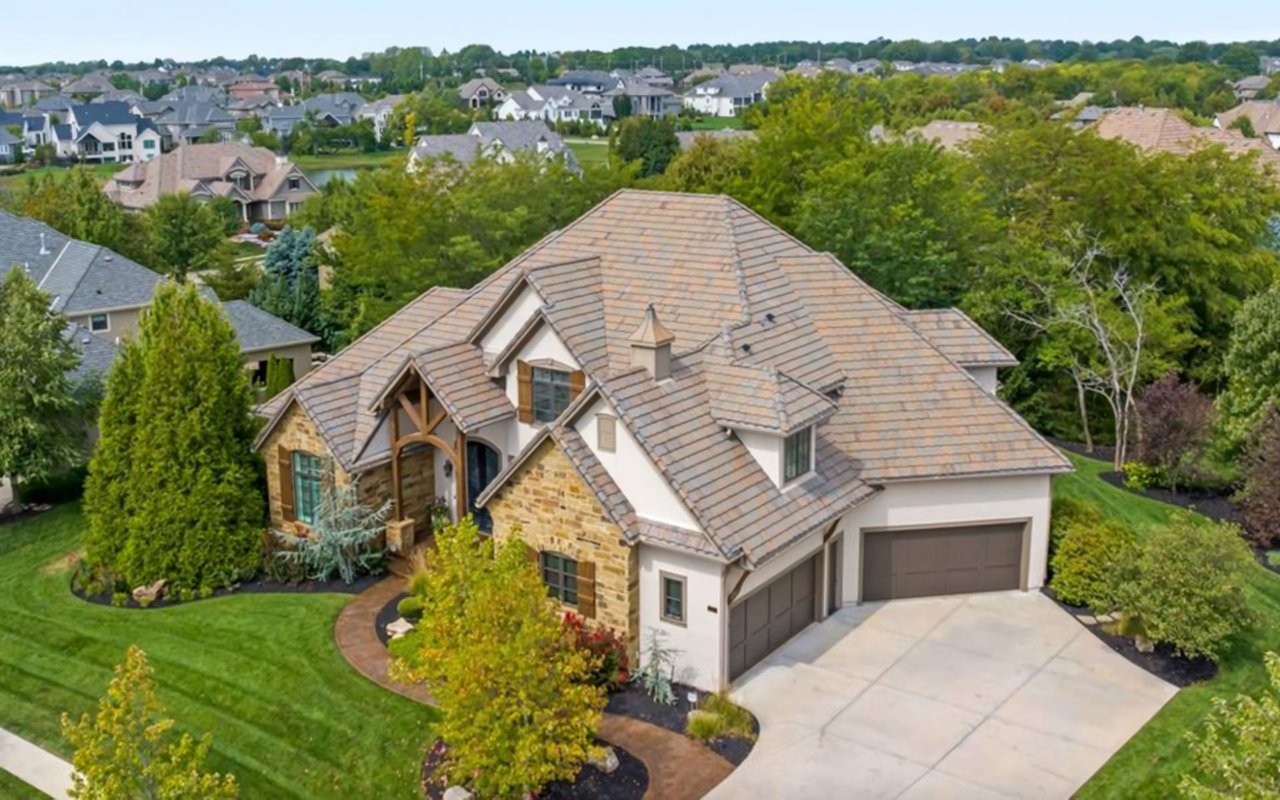
Olathe’s housing stock is dominated by single-family homes. You will find a mix of older ranches, split-levels, and newer two-story plans across the city. Townhomes and condos exist in pockets and can offer a lower-maintenance, sometimes more affordable entry point.
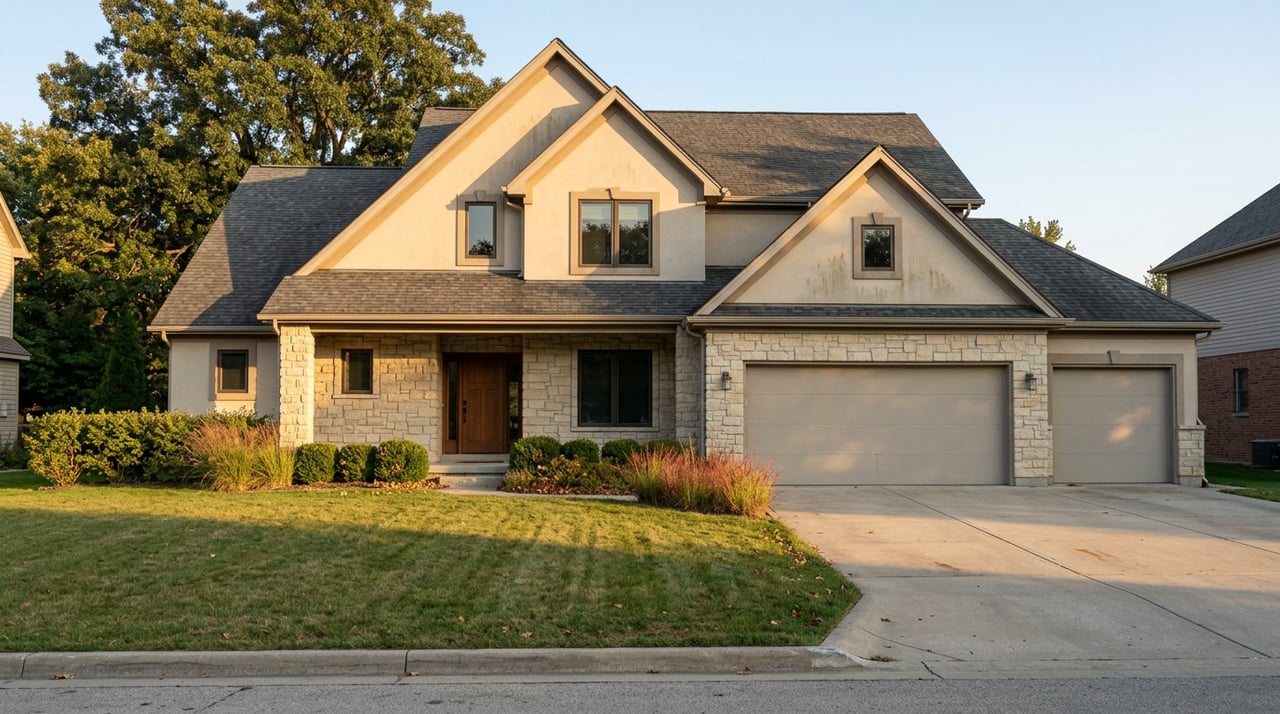
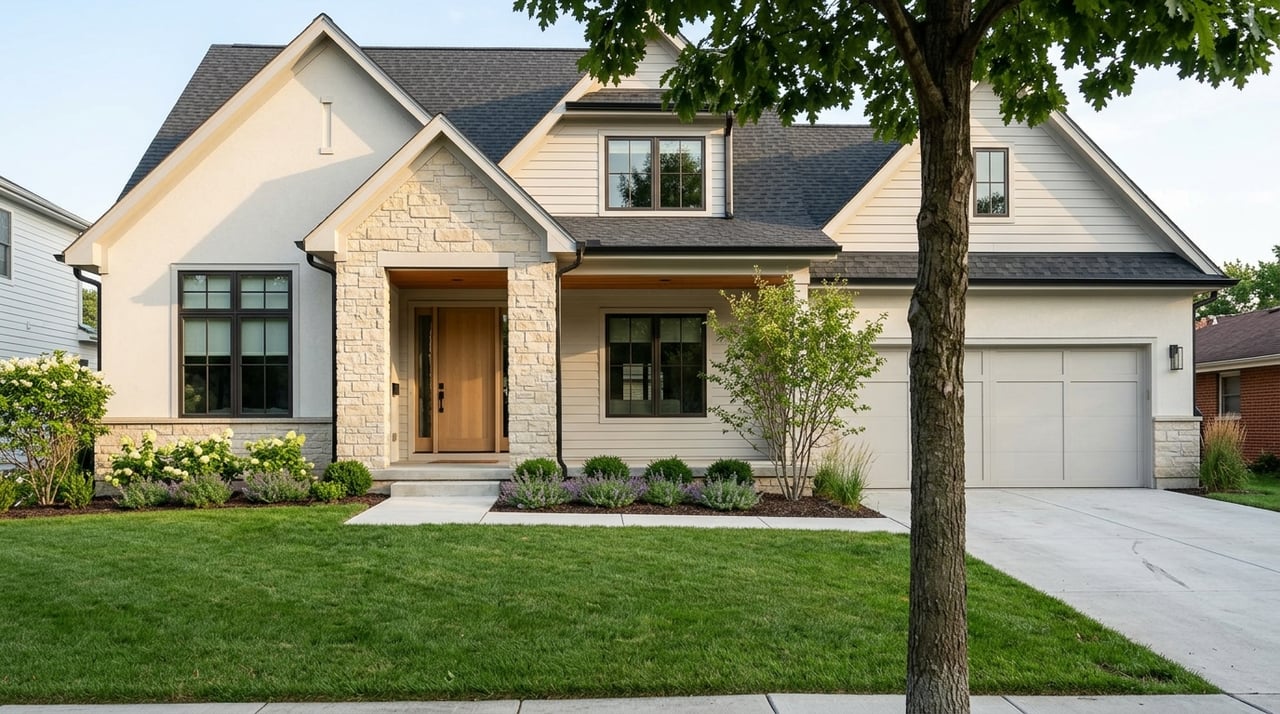
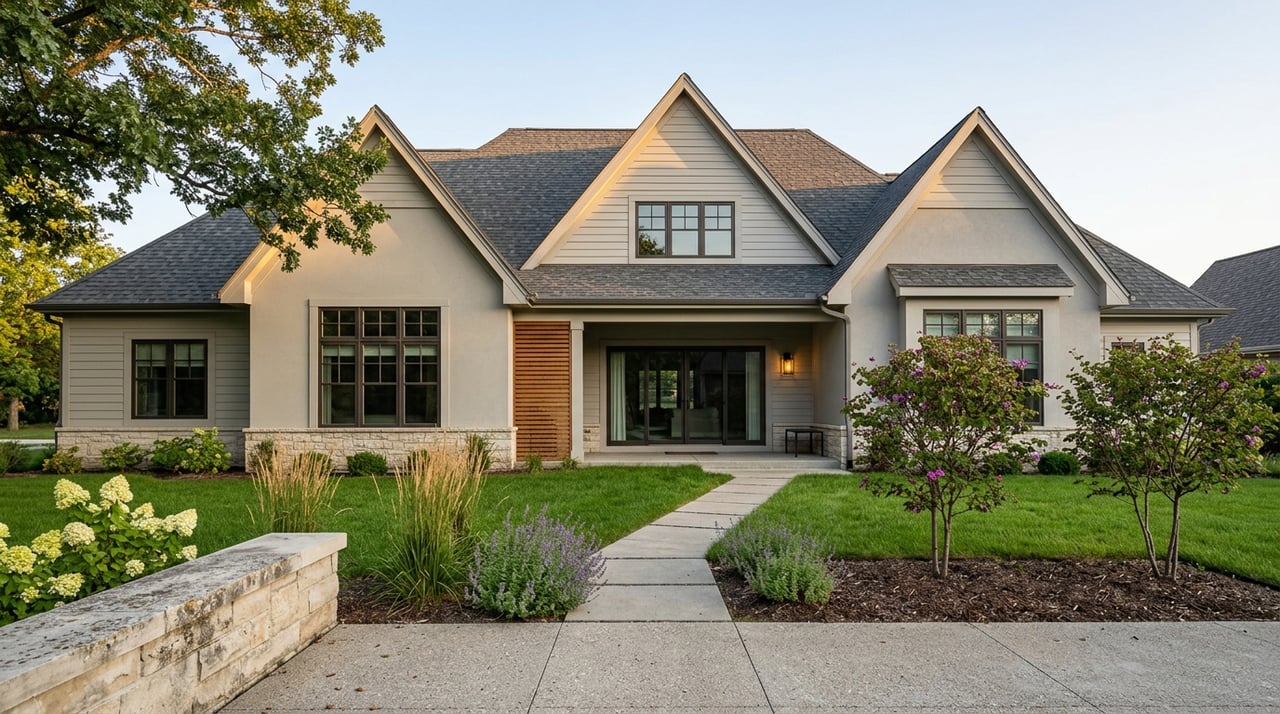
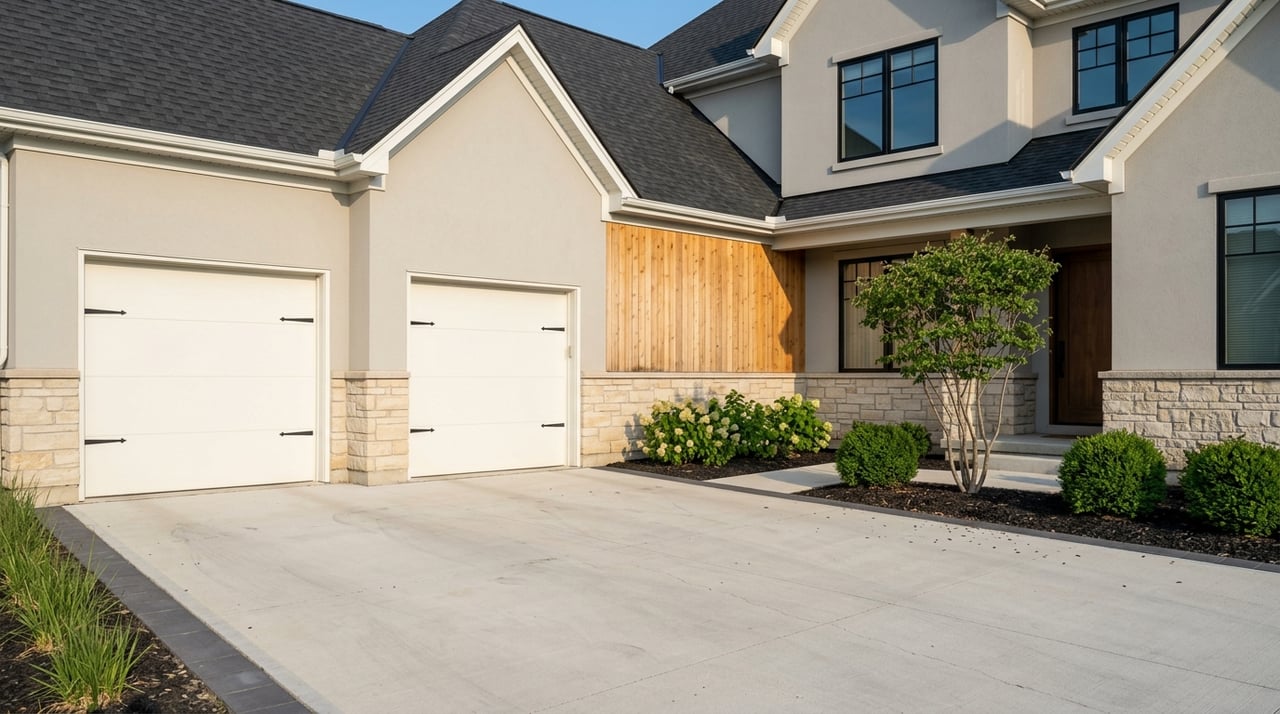
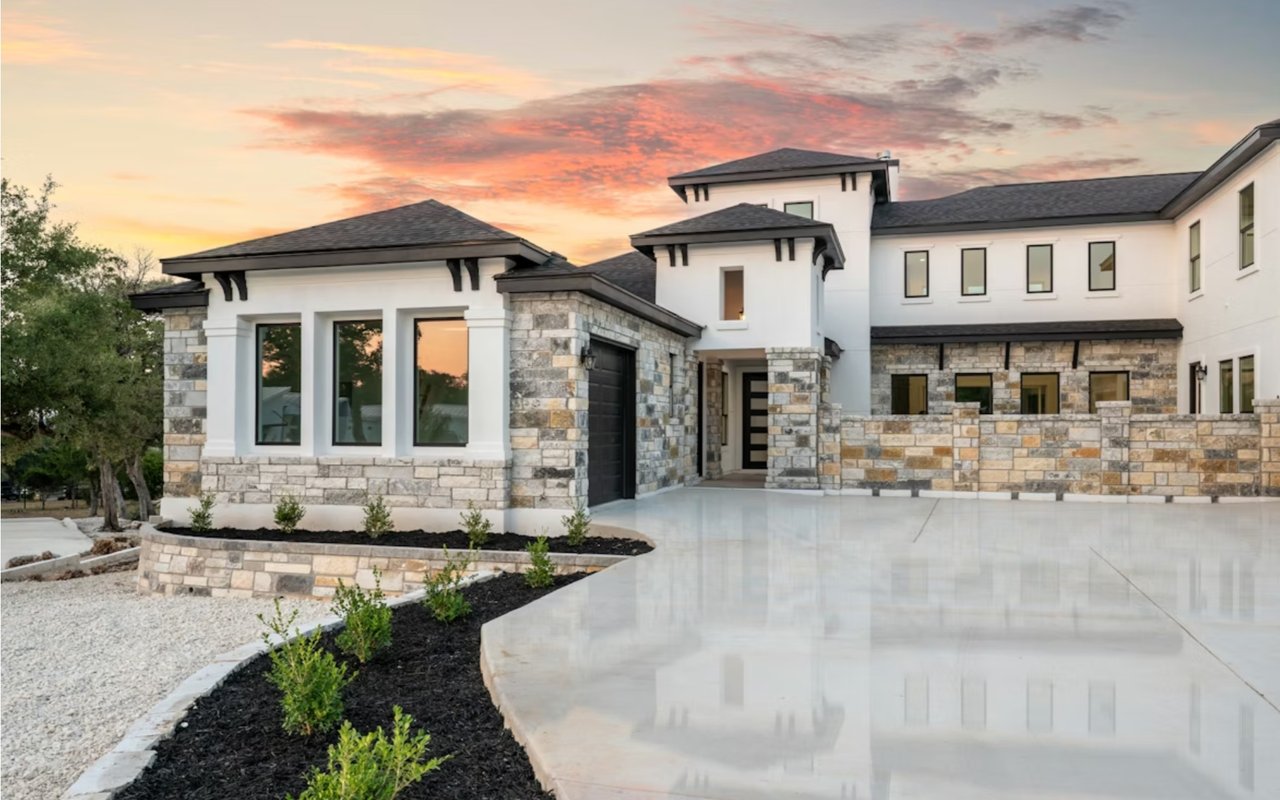
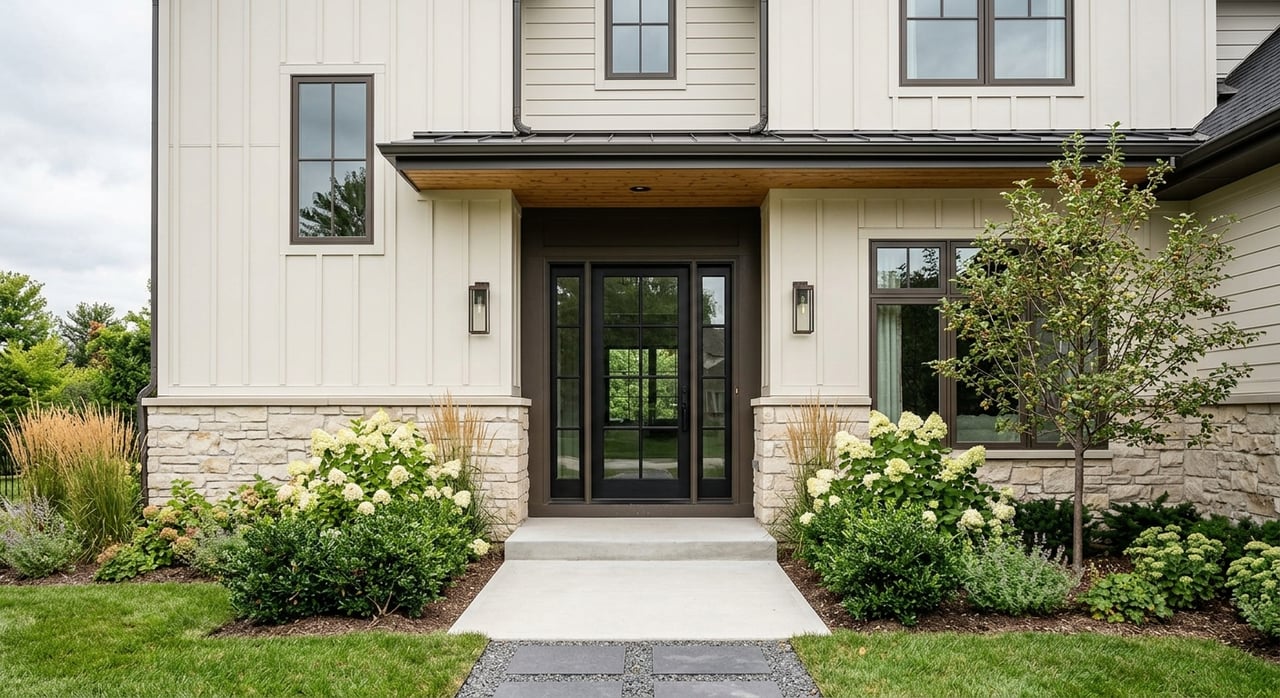
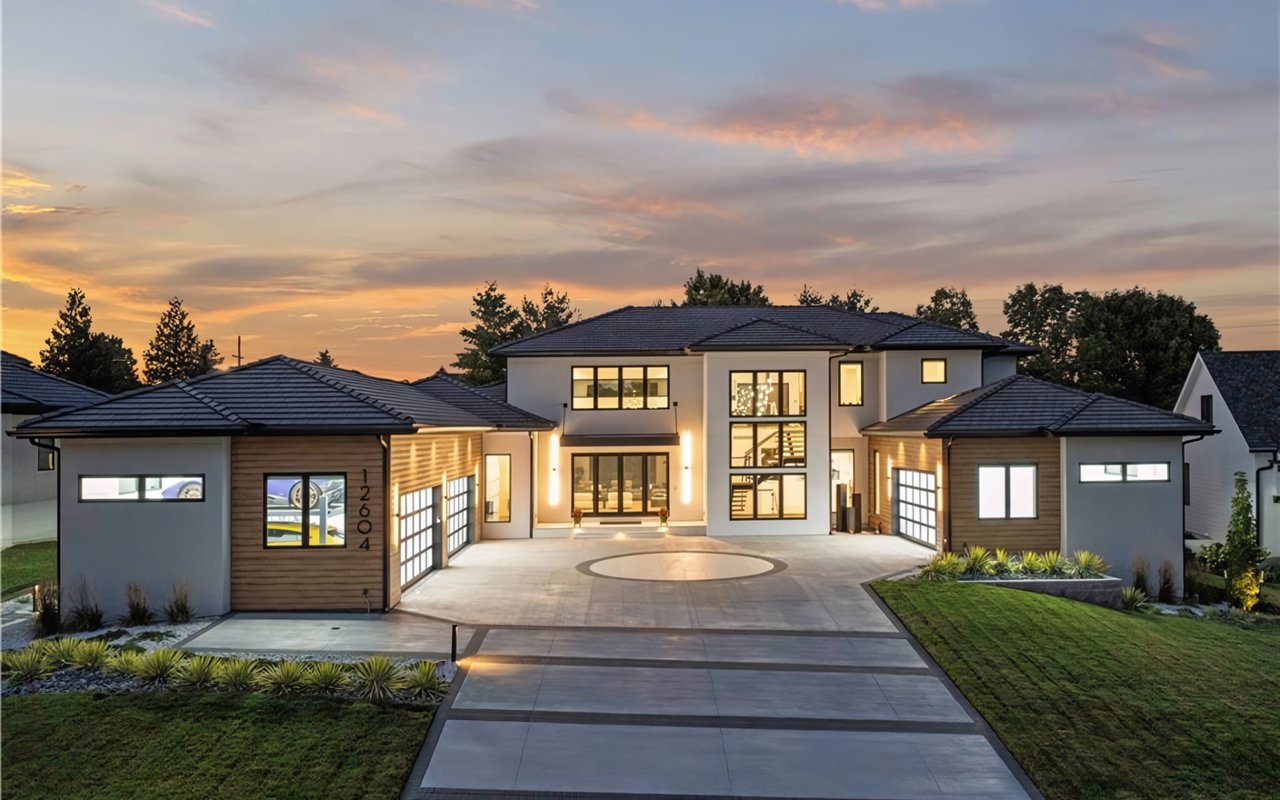
New construction continues in the southern and eastern parts of Olathe, especially within the larger 66062 and parts of 66061 zip codes. These homes often price above older resale options but offer warranties and modern layouts. If you value turnkey living and energy efficiency, new builds are worth a look. If your goal is price efficiency, older homes that need cosmetic updates can provide value if you are open to projects.
Typical price bands to set expectations
- Occasional entry opportunities: Low to mid $200s up to mid $300s for some smaller, older, or update-ready homes, plus select townhomes or condos when available.
- Most family homes: Roughly $350,000 to $600,000 depending on size, age, and location.
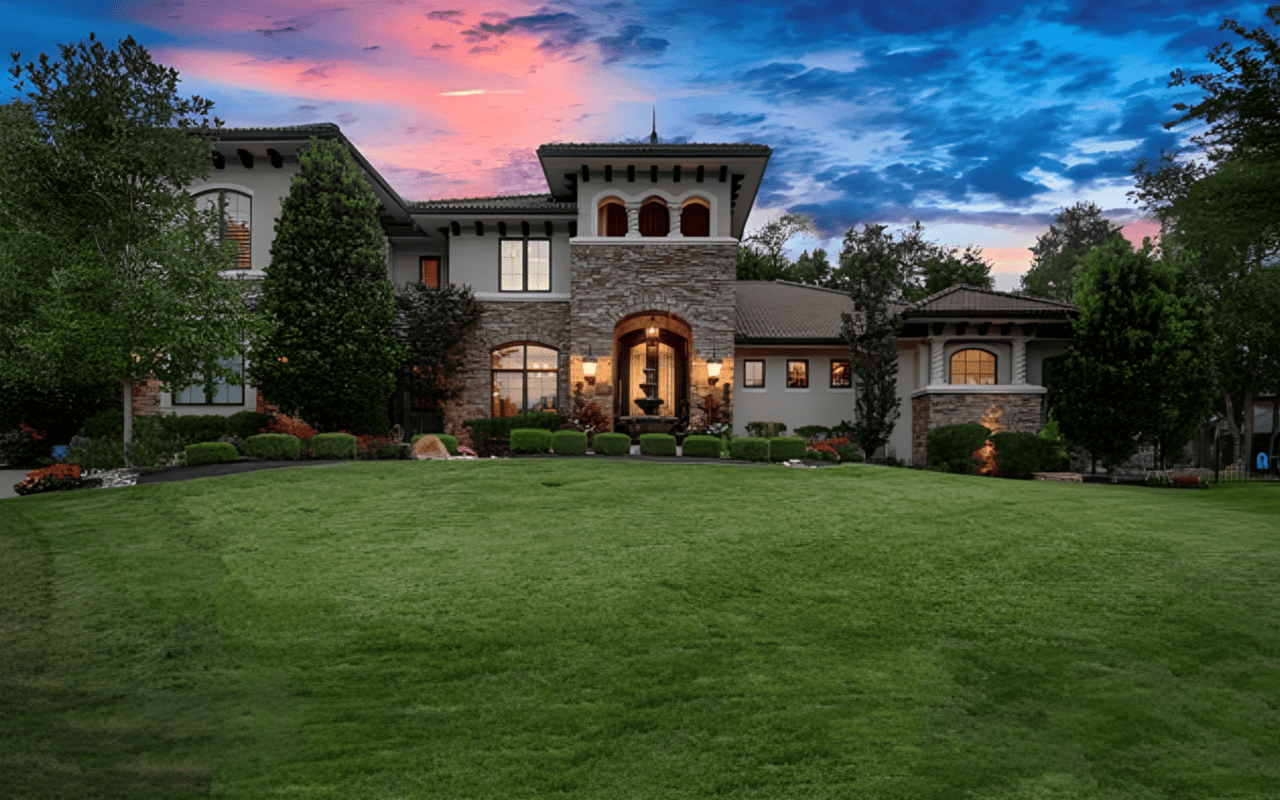
- Higher-end subdivisions: Certain neighborhoods trade well above the city median. If you are browsing aspirational areas, plan your budget accordingly.
Your agent should pull recent comparable sales for the exact subdivision and date. Neighborhood medians are helpful for context, but the best pricing lens is a current, address-level analysis.
Schools and attendance boundaries
Olathe Public Schools (USD 233) serves a large student population and operates multiple elementary and middle schools along with five comprehensive high schools: Olathe East, North, Northwest, South, and West. Attendance boundaries can influence demand and pricing at the neighborhood level.
Always verify the assigned schools for a specific address before you write an offer. Boundary lines and capacities can change. You can start with the district’s resources at Olathe Public Schools, and your agent can help you confirm assignment during your search.
Your step-by-step plan
1) Get pre-approved and set your budget
A written pre-approval strengthens your offer and clarifies your monthly payment and cash to close. It is the first move in a competitive market.
2) Target neighborhoods and review comps
Work with your agent to review active, pending, and recent sales for the exact block or subdivision. Use neighborhood medians for high-level orientation, then fine-tune with live comps so you do not overpay or miss a strong value.
3) Make a strong, clean offer
Your offer will include price, earnest money, inspection and financing contingencies, appraisal protections, title and HOA reviews, and a target closing date. Locally, earnest money is commonly delivered with the offer and held by a third party. For a helpful overview of how contingencies and escrow typically work in Kansas, see this contract and contingency overview from a local real estate law resource.
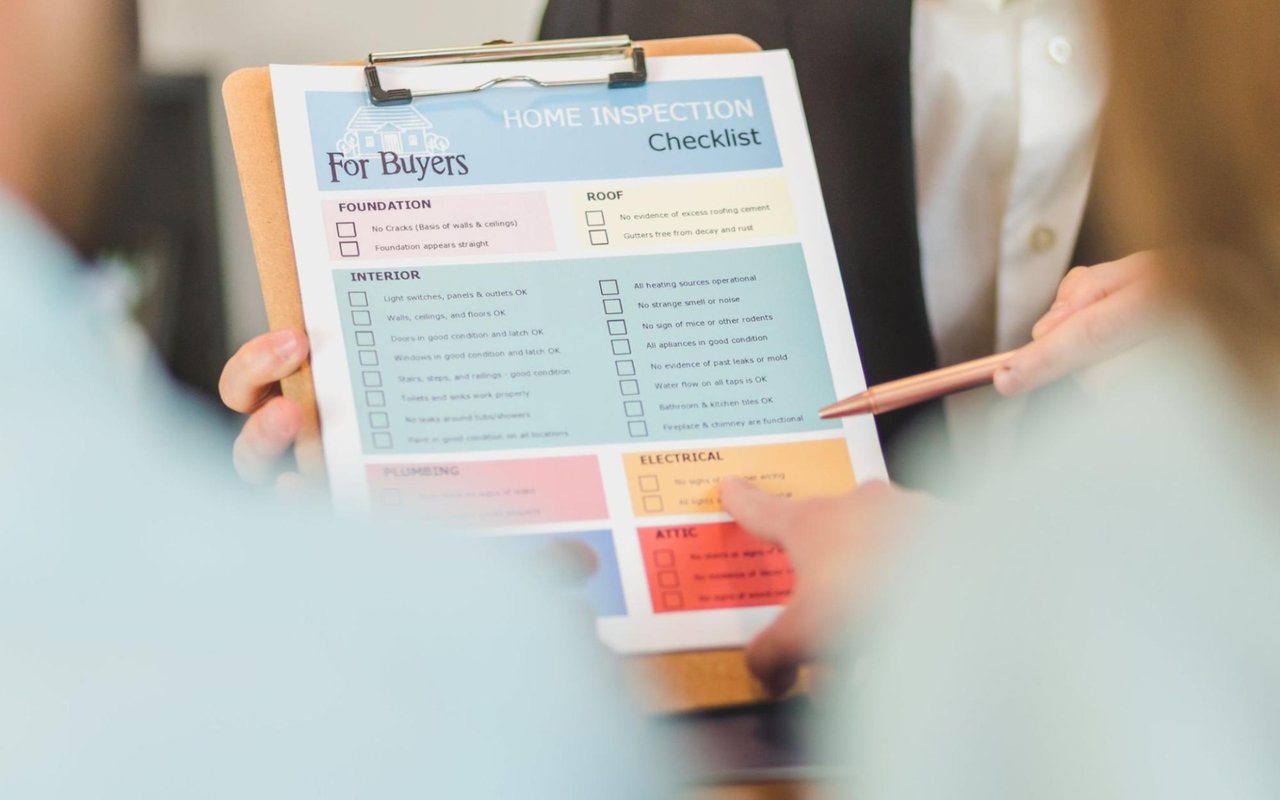
4) Inspection and due diligence
Plan for a short inspection window, often 7 to 10 days. If issues arise, you can negotiate repairs or credits, or cancel under the inspection contingency. Some buyers add specialized scopes like roof, HVAC, or sewer evaluations when appropriate. Learn more about common inspection and title considerations in the same Kansas contract overview.
5) Appraisal and underwriting
Appraisals typically take 1 to 2 weeks. Underwriting can add 1 to 3 weeks based on your documentation and loan type. Most purchases close in roughly 30 to 45 days when everyone stays responsive. For a national timeline reference that aligns with local experience, review this homebuying timeline guide.
6) Final walkthrough and closing
You will review a Closing Disclosure at least three business days before signing. On closing day, you sign loan and title documents, fund the remainder of your cash to close, and receive keys once the deed records.
How to compete without overreaching
In the most contested price ranges, small details can set you apart. Consider these levers:
- Present a strong pre-approval from a reputable lender and keep your closing timeline tight yet realistic.
- Use a market-informed price and earnest money deposit that signals commitment without stretching beyond your comfort zone.
- Keep contingencies reasonable. Shorter inspection windows can help, but be clear on the tradeoffs. Waiving key protections increases risk. For a deeper look at contingency pros and cons, see this contingency overview and the homebuying process guide.
Taxes, costs, and your cash to close
Property taxes in Johnson County
Johnson County revalues property each year, and 2026 showed about a 6 percent year-over-year rise in residential appraised values. That growth can affect tax bills, but actual taxes vary by parcel based on the local mill levy and taxing jurisdictions. Instead of using a one-size estimate, look up the specific property through county resources and review the Notice of Appraised Value. You can read the county’s summary and guidance in the Johnson County 2026 revaluation report.
Closing costs explained
Beyond your down payment, budget several thousand dollars for closing costs. These typically include lender charges, title and escrow fees, prepaid interest, homeowner’s insurance, property tax escrows, and recording fees. Early in the process, your lender will provide a Loan Estimate. A few days before closing, you will receive a Closing Disclosure so you can review the final numbers. For a simple overview of the typical closing timeline and documents, see this homebuying timeline resource.
Seller credits are sometimes used to offset closing costs, but they depend on market conditions and negotiation. Your agent will advise on what is realistic for your price point and neighborhood.
First-time buyer programs and down payment help
Kansas Housing Resources Corporation (KHRC) offers first-time buyer programs, but many statewide options exclude Johnson County. Check eligibility early so you can plan the right financing route. Start with the KHRC First-Time Homebuyer fact sheet and browse KHRC’s Homebuyer 101 resources to see program rules and participating lenders.
If a state program is not available for your Olathe purchase, you can still explore FHA, VA, and conventional first-time buyer products as well as lender-specific credits. Ask your lender about minimum down payments, mortgage insurance options, and whether you qualify for any local or employer-based assistance.
New construction vs. resale
New builds in Olathe’s southern and eastern corridors give you modern layouts, energy efficiency, and builder warranties. They can carry a premium over nearby resale homes, so compare your total monthly cost and expected maintenance. Resale homes often deliver a larger yard or established setting at a lower price per square foot, but may require updates.
For both paths, review HOA budgets and rules, confirm projected taxes for the exact lot or address, and plan for any future special assessments before you commit.
Quick Olathe first-time buyer checklist
- Get a written pre-approval and define your target payment and cash to close.
- Focus on realistic price bands for the size, age, and area you want.
- Verify school assignments for each address with district resources at Olathe Public Schools.
- Structure a strong, clean offer with clear timelines and reasonable contingencies. Review earnest money and contract terms with a professional resource like this Kansas contract overview.
- Plan for a 7 to 10 day inspection window and a 30 to 45 day closing, per common local practice and this national timeline guide.
- Estimate property taxes and closing costs at the parcel level. Start with the Johnson County 2026 revaluation summary.
- Check KHRC eligibility early and talk with participating lenders about first-time buyer products using KHRC’s fact sheet and resources.
Buying your first home in Olathe is achievable with a clear plan and a steady guide at your side. If you want local pricing context, smart offer strategy, and a team that keeps every step on track, connect with Bryan Huff to book an appointment.
FAQs
What is the current median home price in Olathe in 2026?
- Citywide medians sit around the mid to upper $400s, with broader value indexes reading slightly lower due to different measurement methods.
How fast do homes sell for first-time buyer price ranges in Olathe?
- Well-priced homes under roughly $350,000 can move quickly due to limited supply, so you should be prepared to act soon after touring.
How do property taxes work for an Olathe home purchase?
- Johnson County revalues property annually; actual taxes vary by parcel and jurisdiction, so review county resources and the Notice of Appraised Value for the address.
Are there down payment assistance programs available in Johnson County, KS?
- KHRC runs first-time buyer programs, but many exclude Johnson County; check KHRC eligibility and ask lenders about FHA, VA, conventional, and lender credits.
How long does it take to close on a home in Olathe?
- Most financed purchases close in about 30 to 45 days, assuming timely appraisal, underwriting, and documentation.
What should I know about Olathe school boundaries before buying a home?
- Attendance zones can shift; verify assigned schools for each address using Olathe Public Schools and confirm with your agent before you submit an offer.