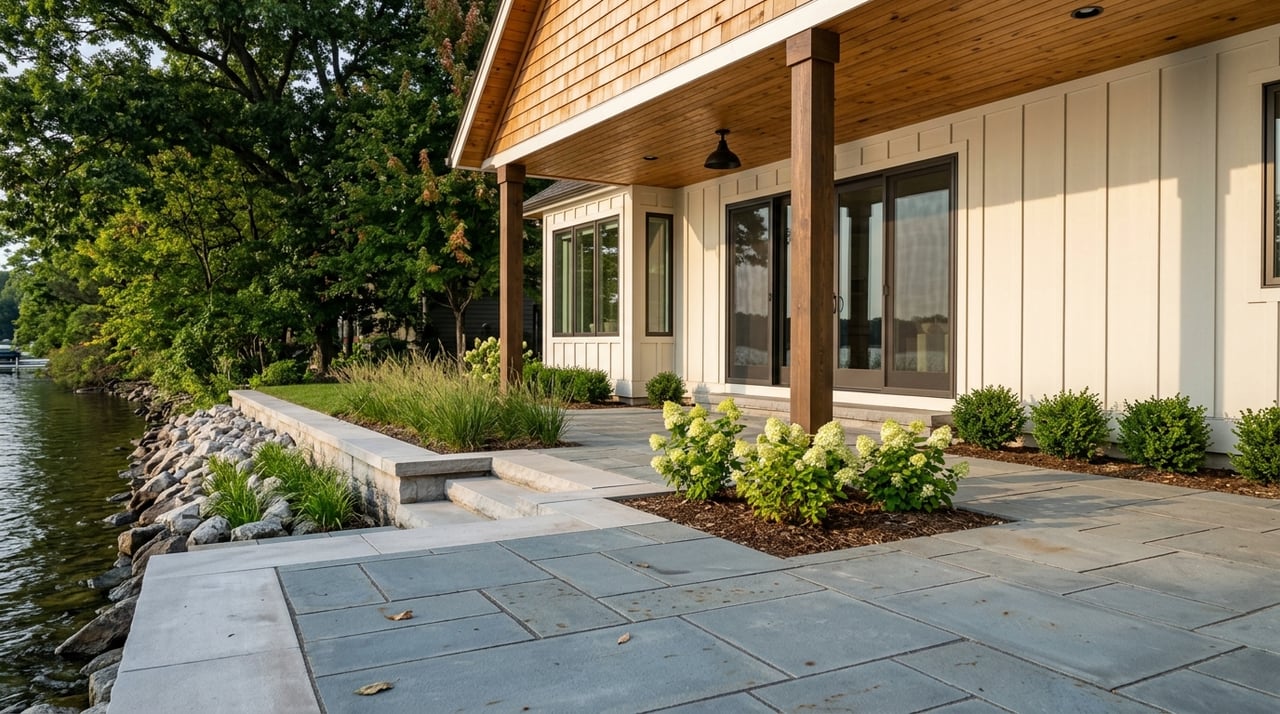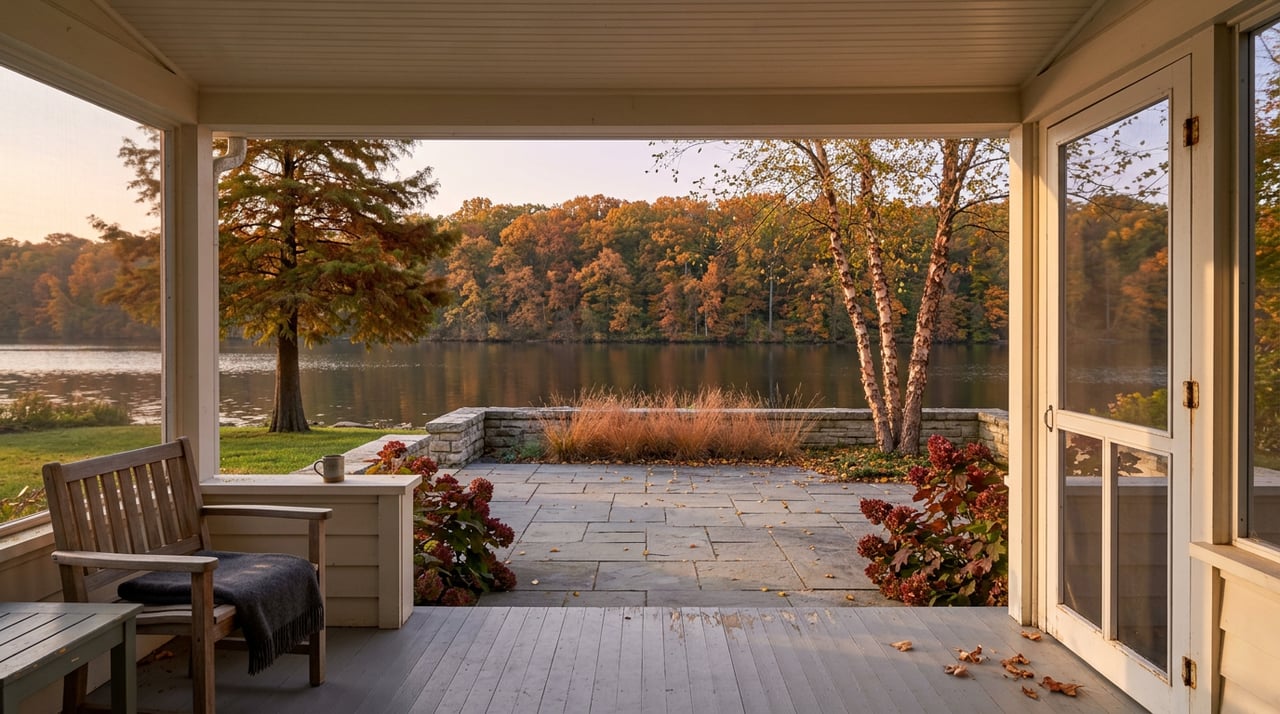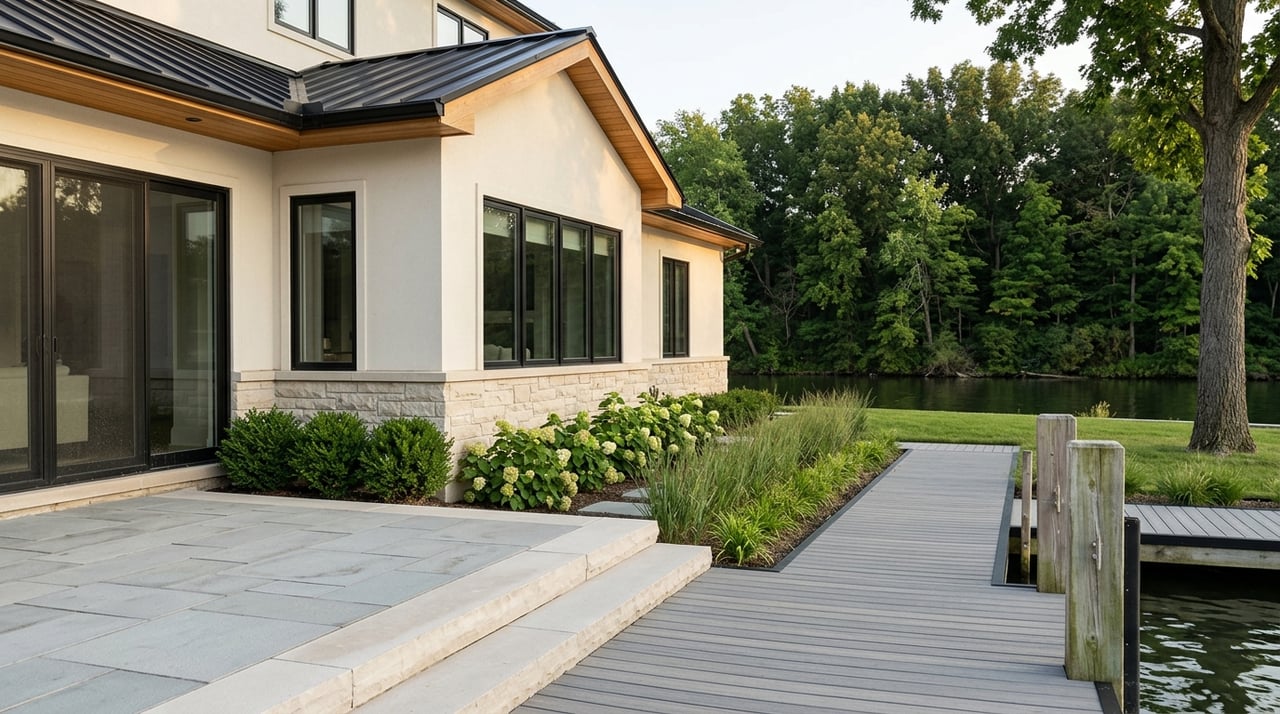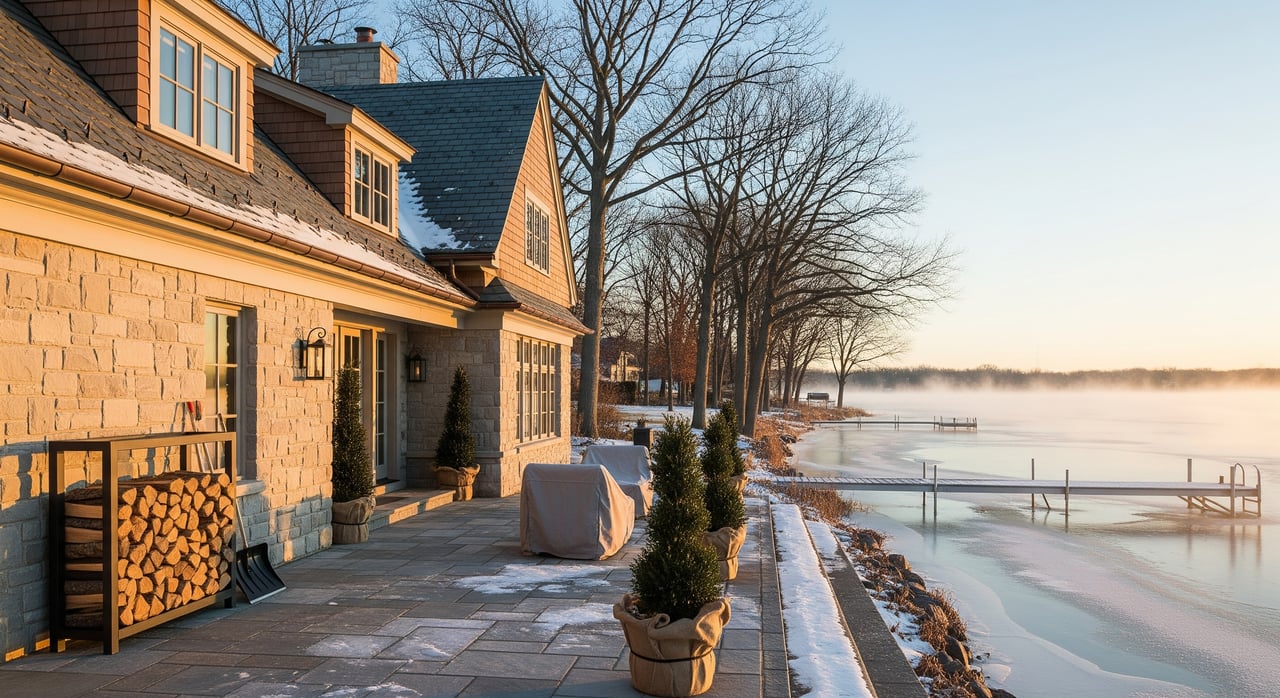
Cold snaps can hit Lake Tapawingo fast. One week you are enjoying mild fall days, and the next you are waking up to ice forming along the shoreline. If you want to avoid costly surprises, a focused winterization plan makes all the difference. In this guide, you will get a clear, step-by-step checklist tailored to lakefront living here, from docks and lifts to HVAC, irrigation, shoreline care, and safe de-icing. Let’s dive in.
Know the winter window
Freezing conditions in Jackson County often show up between late October and mid-November. Small lakes like Lake Tapawingo can see early ice and freeze-thaw cycles that push and pull on docks and lifts. Plan major tasks before the first sustained freeze to reduce risk.
Do not assume reliable ice cover. Conditions change through winter, and moving ice can stress fasteners, floats, and lift systems. The safest approach is to prep early and monitor during cold spells.
Check rules and permits
Before you schedule work on docks, lifts, or the shoreline, confirm what is allowed. Lake Tapawingo’s community association may have rules for dock size, removal, lift storage, and shoreline alterations. Jackson County may require permits for building, septic, or shoreline work. State agencies may also have guidance for activities that affect water quality.
Get approvals in writing, especially for anything that touches the lakebed or modifies the shoreline. Permit timelines can take weeks, so start early.
Protect docks and lifts
Inspect before cold
- Check structural connections, fasteners, deck boards, framing, and anchors.
- Inspect lift winches, cables, pulleys, electrical connections, and batteries.
- Clean algae or vegetation that can hide rot or loose parts.
Winterize lifts
- Follow your manufacturer’s instructions.
- Remove electronics, controllers, and batteries. Store them dry in a temperature-controlled place.
- Raise the lift out of the water if recommended. If not, raise the platform high enough to avoid ice contact and secure it.
- Lubricate moving parts with marine-grade products and protect exposed metal from corrosion.
Floating dock checks
- Confirm floats are sealed and in good shape to prevent water intrusion and freezing inside floats.
- Tighten fastenings and add bracing where ice pressure is likely.
Remove or secure in place
- Removal eliminates ice-heave risk for many systems, but cost and design vary.
- Some docks can overwinter in place with reinforcement or with ice-release systems. Always verify with your association rules and a qualified dock contractor.
Safety and scheduling
- Use drip pans or absorbent pads to prevent fuel or oil from reaching the water.
- Schedule dock and lift work early. Contractors book up in fall, often before HVAC or irrigation vendors.
Blow out irrigation
What to inspect
- Backflow preventers and above-ground valves. These must be drained and protected.
- Sprinkler heads, controller function, and any visible leaks.
How blowouts work
- Contractors use regulated compressed air to purge lateral lines and valves. Common practice is controlled pressures, often in the 40 to 80 psi range depending on your system.
- Automatic drain-back systems should be tested to confirm they function before freezing conditions.
- Remove controller batteries or set the controller to winter mode per the manufacturer.
Scheduling tips
- Plan blowouts after your watering season ends, typically October in this region.
- Book 2 to 4 weeks before the first sustained freeze. Demand spikes quickly in early fall.
Service HVAC and plumbing
HVAC tune-up
- Schedule professional service in September or October.
- Typical tasks include filter changes, heat exchanger inspection, thermostat testing, carbon monoxide alarm checks, refrigerant checks for heat pumps, and cleaning condensate drains.
- Regular service improves efficiency and reduces emergency failures.
Plumbing safeguards
- Insulate exposed pipes in basements, crawl spaces, and exterior walls.
- Locate and label exterior shut-off valves; drain outdoor hoses and irrigation connections.
- Test your sump pump and any backup power. Freeze-thaw storms can flood basements if pumps fail.
If you will be away
- Keep interior heat on at insurer-recommended settings to avoid frozen pipes.
- Shut water off at the main if appropriate for your plans and system, and drain lines if your provider advises.
When to schedule
- Book HVAC in early fall. Plan pipe insulation work and plumbing checks before consistent cold.
Care for the shoreline
Inspect erosion
- Look for undercut banks, bare soil, slumping, or failing riprap or bulkheads.
- Note where runoff concentrates, like downspouts or driveways, and where sediment reaches the water.
Winter actions
- Maintain or establish a vegetated buffer with native plants to stabilize soil and filter runoff. Early fall planting helps roots establish before dormancy.
- Consider living shoreline approaches, using native vegetation and natural materials to reduce erosion while supporting habitat.
- Plan riprap repairs or structural work for late summer or fall when levels are stable. Larger projects may be season-limited and permit-dependent.
- Redirect downspouts away from the lake and consider infiltration options like rain gardens or permeable surfaces.
Permitting and access
- Many shoreline changes require association approval and may need county or state review. Start permit checks early.
- Avoid heavy machinery on saturated ground to limit compaction and added erosion.
De-ice safely near water
Environmental risks
- Traditional road salts raise chloride levels in freshwater, which can harm aquatic life and linger in groundwater.
- De-icers can damage shoreline vegetation and corrode infrastructure.
Better practices
- Shovel early and often to reduce chemical use.
- Use the minimum effective amount of de-icer.
- Consider lower-chloride options selectively or use sand for traction where appropriate.
- Direct meltwater to vegetated areas or infiltration zones, not straight into the lake.
- Do not pile chemically treated snow along the water’s edge.
Priorities and timing
What to do first
- Docks and lifts: Highest damage risk from ice and storms.
- HVAC and plumbing: Safety, comfort, and freeze protection.
- Irrigation blowouts: Prevent underground line damage.
- Shoreline stabilization: Protect long-term value and water quality.
- De-icing plan: Keep walkways safe with minimal environmental impact.
Local scheduling windows
- Late August to September: Book HVAC and dock-lift contractors.
- September to October: Shoreline planting, pipe insulation, HVAC service.
- October to early November: Irrigation blowouts and final dock-lift prep before sustained freeze.
- Winter: Monitor ice, check for storm damage, and maintain safe walkways with limited de-icer use.
Choose the right vendors
- Ask for proof of insurance and local references.
- Confirm lakefront experience for docks, lifts, and shoreline work.
- Dock and lift: Request manufacturer-compliant winterization steps and photo documentation.
- Irrigation: Verify regulated pressure limits, system-specific procedures, and a written report of drained zones and needed repairs.
- HVAC: Ask for a completed service checklist, filter size, and carbon monoxide test results.
- Shoreline: Clarify permit responsibilities and restoration plans, including plant lists and erosion controls.
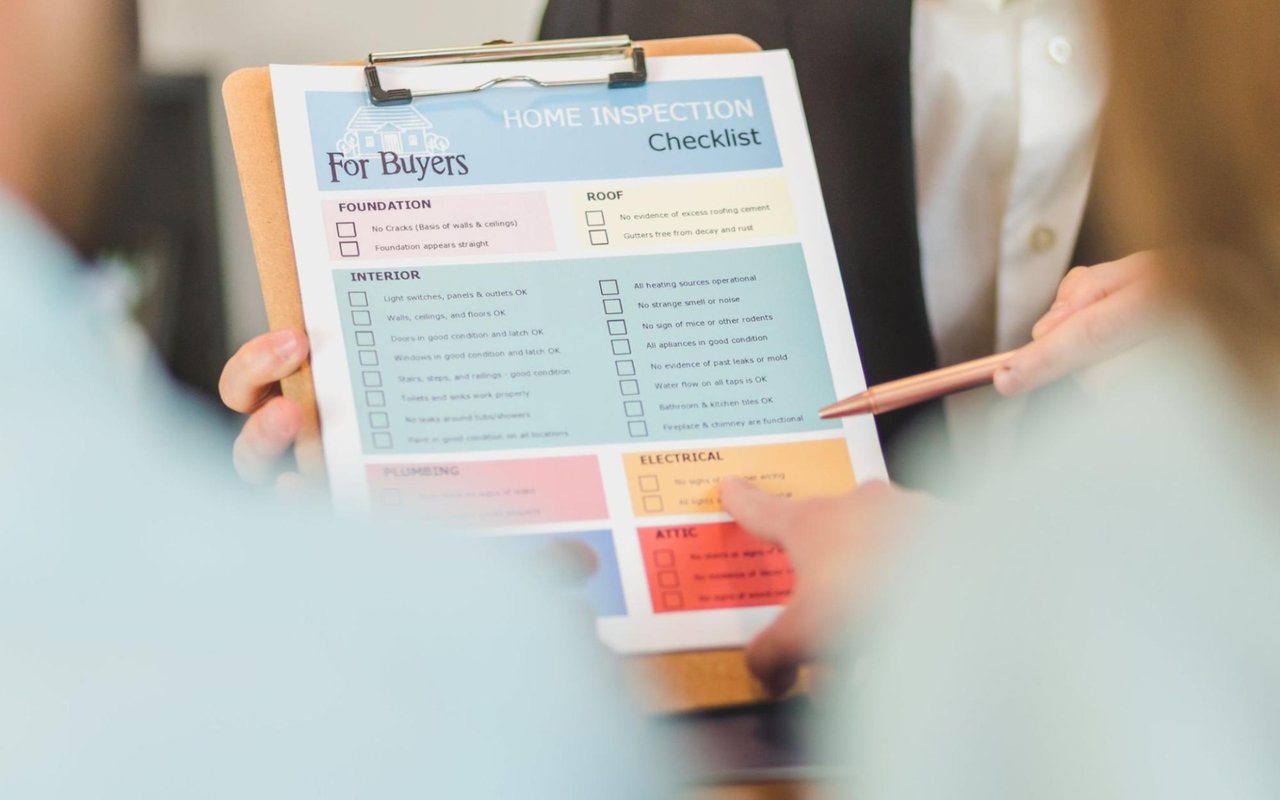
Pre-winter checklist
- Check association rules and secure required approvals in writing.
- Book HVAC service and a dock-lift contractor.
- Schedule irrigation blowout; turn off outdoor water and drain hoses.
- Insulate exposed pipes; locate shut-offs; test sump pump and backups.
- Remove boat upholstery, electronics, and batteries; secure or remove watercraft.
- Maintain or plant a vegetated buffer; redirect downspouts from the shoreline.
- Set a minimal de-icing plan: shovel first, use traction materials, apply limited de-icer.
- Photograph docks, shoreline, and key systems for insurance and resale records.
Planning to sell soon?
A winter-ready home shows better, avoids emergency repairs, and gives buyers confidence. It also protects your equity by preventing dock, plumbing, and shoreline damage that can derail a sale. Document your prep with photos and service receipts so prospective buyers see the care you invested.
If you are weighing timing, pricing, or which winter projects matter most for your sale, let’s talk strategy tailored to Lake Tapawingo. For a quick, no-pressure consult, connect with Bryan Huff to align your winter plan with your real estate goals.
FAQs
Should I remove my dock every winter?
- It depends on lake ice movement, your dock design, and association rules. Removal reduces ice-heave risk, while some docks can be secured in place per manufacturer guidance.
When should I schedule an irrigation blowout in Jackson County?
- Before sustained freezes, often in October. Book 2 to 4 weeks early since demand spikes quickly.
How often should my HVAC be serviced before winter?
- Schedule annual service in early fall for furnaces and boilers. Heat pumps may need seasonal checks.
Will road salt harm Lake Tapawingo?
- Excess chloride from road salt can accumulate and harm aquatic life. Shovel first, use minimal de-icer, consider alternatives, and direct meltwater away from the lake.
Do shoreline repairs at Lake Tapawingo need permits?
- Possibly. Many alterations require association approval and may need county or state review. Start permit checks early to avoid delays.