Have you heard you need to put down money as soon as your offer is accepted? In Lenexa, that deposit is called earnest money, and it signals to a seller that you are serious. You want your offer to stand out, but you also want your funds protected. The good news is you can do both with clear terms and smart timing. In this guide, you will learn what earnest money is, typical Lenexa amounts, how contingencies protect you, and the steps to keep your deposit safe. Let’s dive in.
Earnest money basics
Earnest money is a buyer’s good-faith deposit after a seller accepts your offer. It shows commitment and provides the seller limited financial protection if you back out without a contractual reason. The deposit is not an extra fee. It is part of your cash to close and is usually applied to your down payment and closing costs at settlement.
The money is held in escrow by a neutral party, such as a title company or a broker’s trust account, based on the contract. Release of the funds follows the purchase agreement and any contingencies, or a written agreement between you and the seller. Sellers value earnest money because it reduces risk. Buyers use it to strengthen an offer and move the deal forward.
Typical amounts and timing in Lenexa
In Johnson County, many offers on entry-level and mid-priced homes use a flat earnest money deposit of about $1,000 to $5,000. A common rule of thumb across suburban markets is around 1% of the purchase price, though local deposits often fall in the 0.5% to 2% range. For higher-priced homes or very competitive listings, you may see deposits of 2% to 5% or more.
The contract states the exact amount, who holds it, when it is due, and how it will be used or disbursed if the deal falls through. The deposit deadline is typically within 24 to 72 hours of mutual acceptance, sometimes written as within 2 business days.
What affects your deposit size
- Local competitiveness and multiple-offer pressure.
- Your financing strength and contingencies.
- Seller preferences and listing agent guidance.
- Property condition and perceived appraisal risk.
- Seasonality. Spring and early summer often bring more competition, which can push deposits higher and shorten timelines.
When and where you deliver
- You will deliver funds to the escrow holder named in your contract. This is often a local title company or a broker trust account.
- The contract sets the deadline. Meet it and keep proof of delivery, such as a wire receipt, a copy of a check, or a formal escrow receipt.
How your deposit is protected
Your strongest protection comes from contingencies built into your contract. Common ones include inspection, financing, appraisal, title, and review of HOA documents. Each contingency has a window and notice rules. If you terminate inside a valid window and give proper written notice, your earnest money is typically refunded.
Buyer protections usually apply when:
- You terminate within a contingency period, such as inspection, based on contract terms.
- The seller cannot deliver clear title or satisfy a required condition.
- You and the seller mutually agree in writing to cancel.
Keep all notices in writing and dated. Follow delivery methods stated in the contract, such as email or hand-delivery, and confirm who must receive them.
When the seller may keep it
The seller may keep your deposit if you cancel without a contractual right after contingencies are removed or deadlines have passed. If you fail to close for a reason not covered by a contingency, the contract often treats the deposit as liquidated damages.
If there is a dispute about who should receive the funds, the escrow holder will usually require a written release agreement. Without that, the escrow holder may hold the funds while the parties negotiate, mediate, or seek a court decision. Clear, on-time notices reduce the chance of this outcome.
Key contingencies and timelines
Here are common timelines in Lenexa and broader Johnson County. Your actual dates will be set by your contract and the property’s needs.
- Earnest money deposit: due within 24 to 72 hours of mutual acceptance.
- Inspection period: commonly 7 to 10 days after acceptance.
- Loan commitment/financing: often 21 to 30 days for lender approval. Some loans may need 30 to 45 days.
- Appraisal: typically completed within 10 to 21 days of ordering, after loan application.
- Title review: runs alongside the loan process. Seller provides the title commitment and related documents on a schedule set in the contract.
- Closing: many transactions close 30 to 45 days from acceptance. Cash and highly prepared buyers can sometimes close sooner.
Contingencies and timelines do more than organize the process. They determine when your deposit is refundable and when it is at risk. If you waive contingencies to compete, you are taking on more risk.
Real-world Lenexa examples
Use these short examples to see how earnest money works in practice. Amounts and days are typical, but your contract controls.
Scenario 1: Protected and refunded. You offer $350,000 with a $3,000 deposit delivered within 48 hours. The inspection window is 10 days. On day 9, your inspector reports significant foundation issues. You give written notice to terminate under the inspection contingency. Your earnest money is refunded per the contract.
Scenario 2: Appraisal shortfall. You offer $300,000 with a $2,500 deposit. The appraisal comes in at $285,000. You invoke the appraisal contingency and ask the seller to adjust price or you increase cash to close. If no agreement is reached and you terminate within the allowed time and proper notice, your deposit is refunded.
Scenario 3: Contingencies waived, deposit at risk. To win a competitive listing, you make an all-cash offer, waive inspection and financing contingencies, and put up $10,000 in earnest money. After acceptance, you change your mind and refuse to close. With no contingency to protect you, the contract often allows the seller to keep your deposit as liquidated damages.
Buyer checklist: protect your deposit
Use this quick list to stay organized. Put the actual calendar dates next to each item once your offer is accepted.
- Contract details: write in the exact deposit amount, who holds it, how and when it will be delivered, and how it applies at closing.
- Delivery proof: keep your wire receipt or a copy of the check and the escrow receipt. Save emails that confirm receipt.
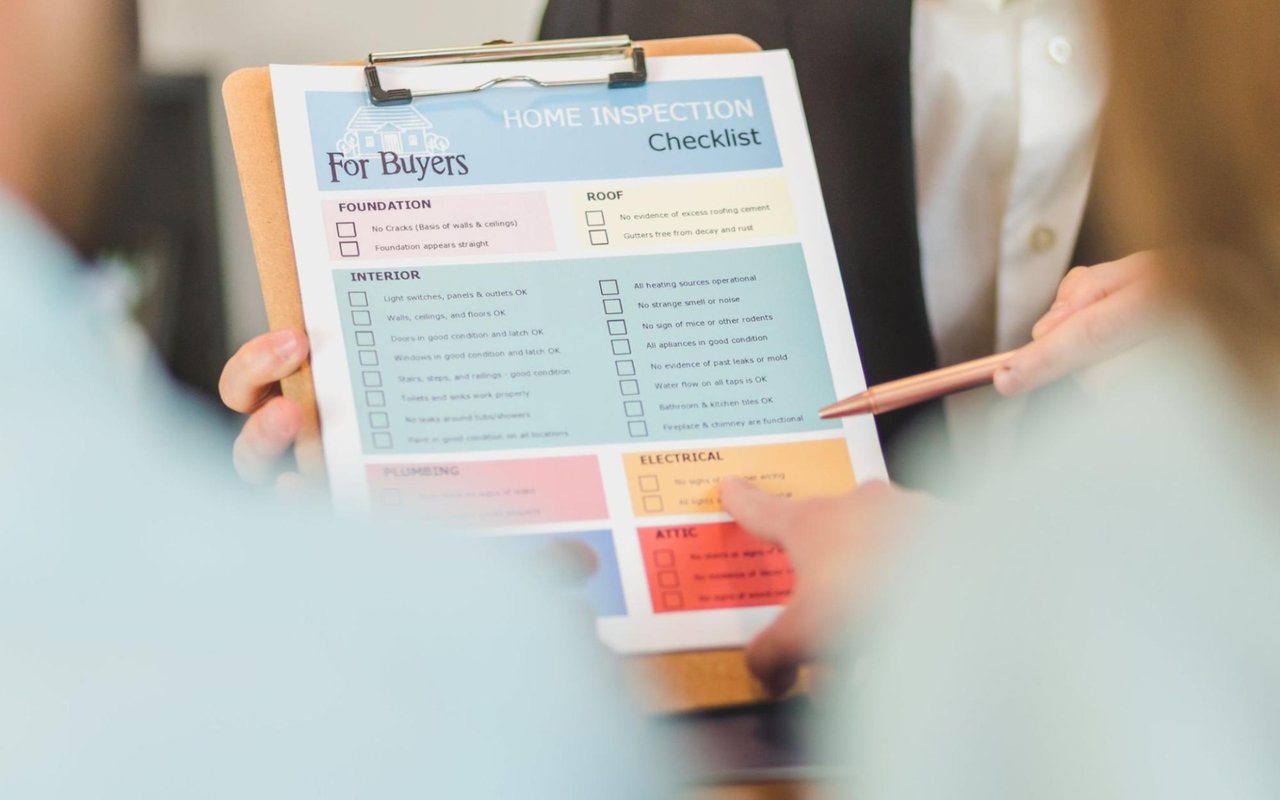
- Inspection timeline: note your deadline. Schedule the inspector right away so you have time for follow-up evaluations if needed.
- Financing dates: track your loan application, requested documents, and the lender’s commitment date.
- Appraisal and title: confirm when the appraisal is ordered and when you must raise any title or HOA concerns.
- Notices: know how termination and repair notices must be delivered, and who must be copied. Use written, dated notices.
- Offer strategy: if you consider a bigger deposit or shorter windows to compete, weigh the risk of forfeiture if plans change.
Final thoughts and local guidance
Earnest money is a standard part of buying a home in Lenexa. It strengthens your offer and helps keep a transaction on track. With clear contingencies, written notices, and firm deadlines, you can protect your deposit and still compete in a fast-moving market.
If you want help tailoring deposit size, timelines, and contingencies to your goals, our team is ready to guide you from offer to closing. Start a plan with Bryan Huff today.
FAQs
How much earnest money is typical for a $400,000 Lenexa home?
- Many buyers offer 0.5% to 2% of price (about $2,000 to $8,000), though $1,000 to $5,000 flat deposits are common for mid-priced homes and may rise in competitive situations.
Is earnest money the same as a down payment?
- No, it is a deposit held in escrow that is usually applied to your down payment and closing costs at settlement.
Who holds earnest money in Johnson County?
- A neutral escrow holder named in the contract, often a local title company or a broker’s trust account, manages and disburses funds by written instructions.
How fast must I deposit earnest money after acceptance?
- Most contracts require delivery within 24 to 72 hours of mutual acceptance, sometimes written as within two business days.
Can I get my deposit back after a bad inspection in Lenexa?
- Yes, if your contract has an inspection contingency and you terminate within the window using proper written notice, the deposit is typically refunded.