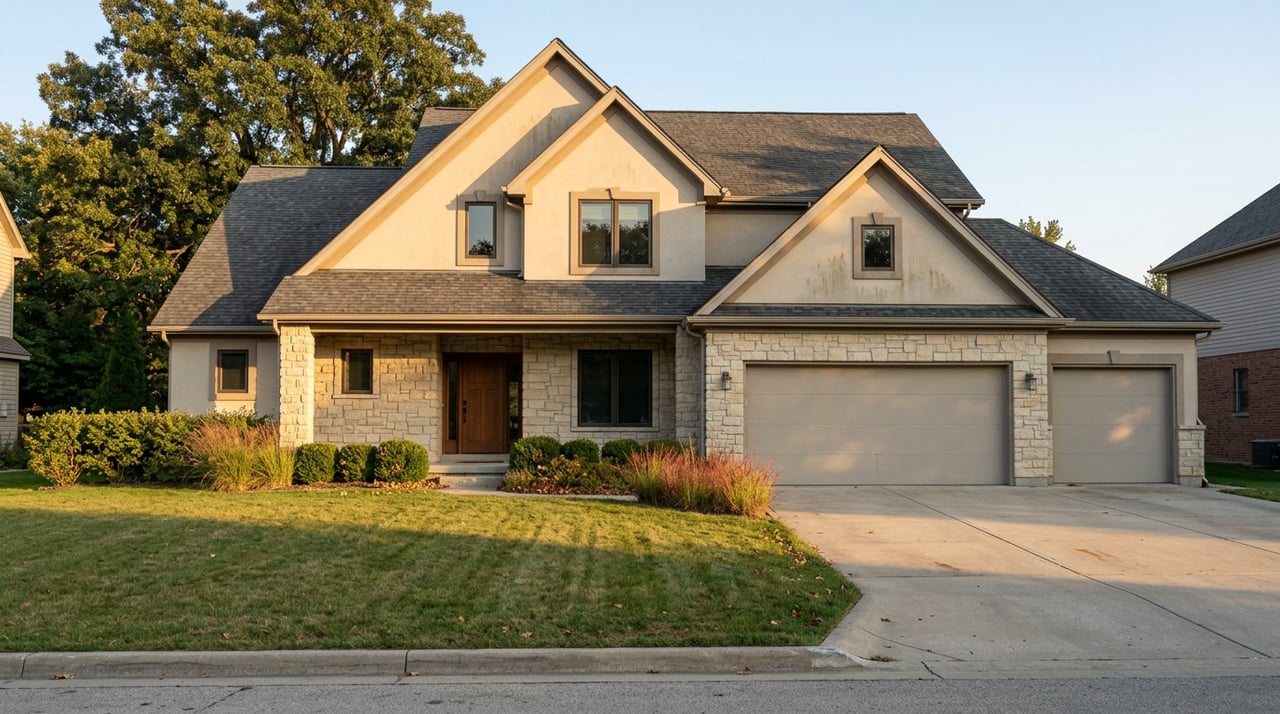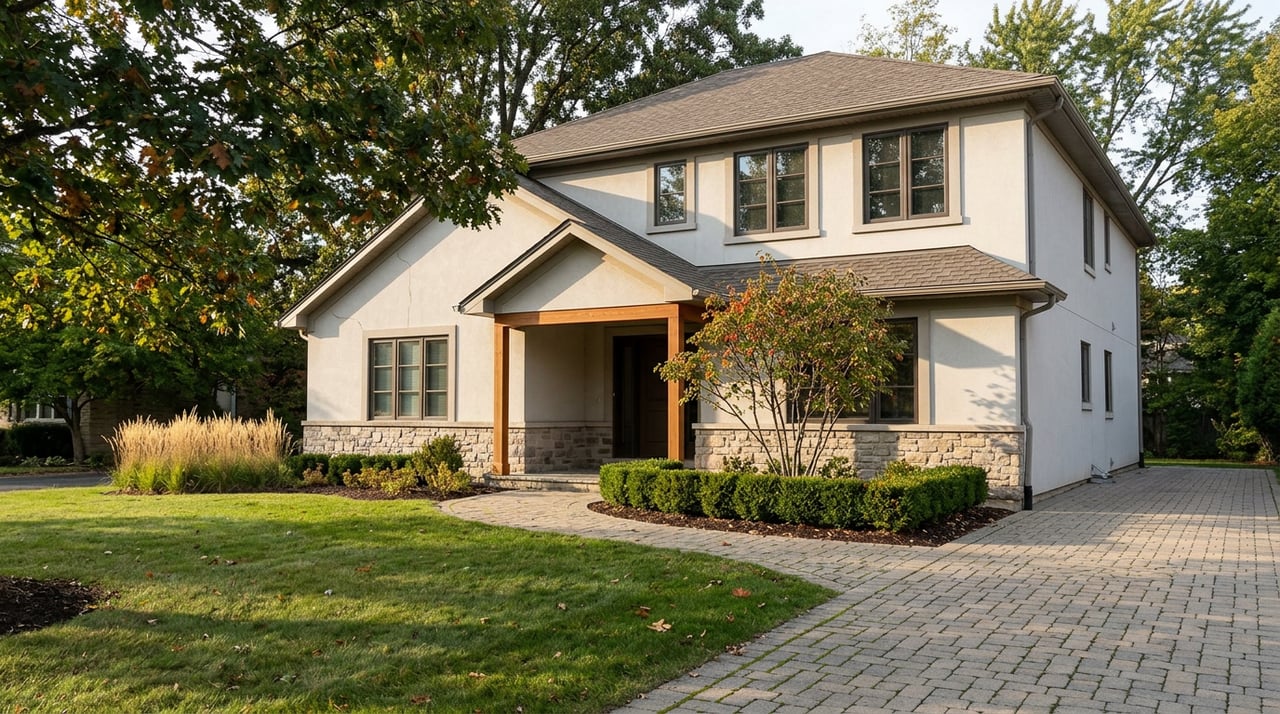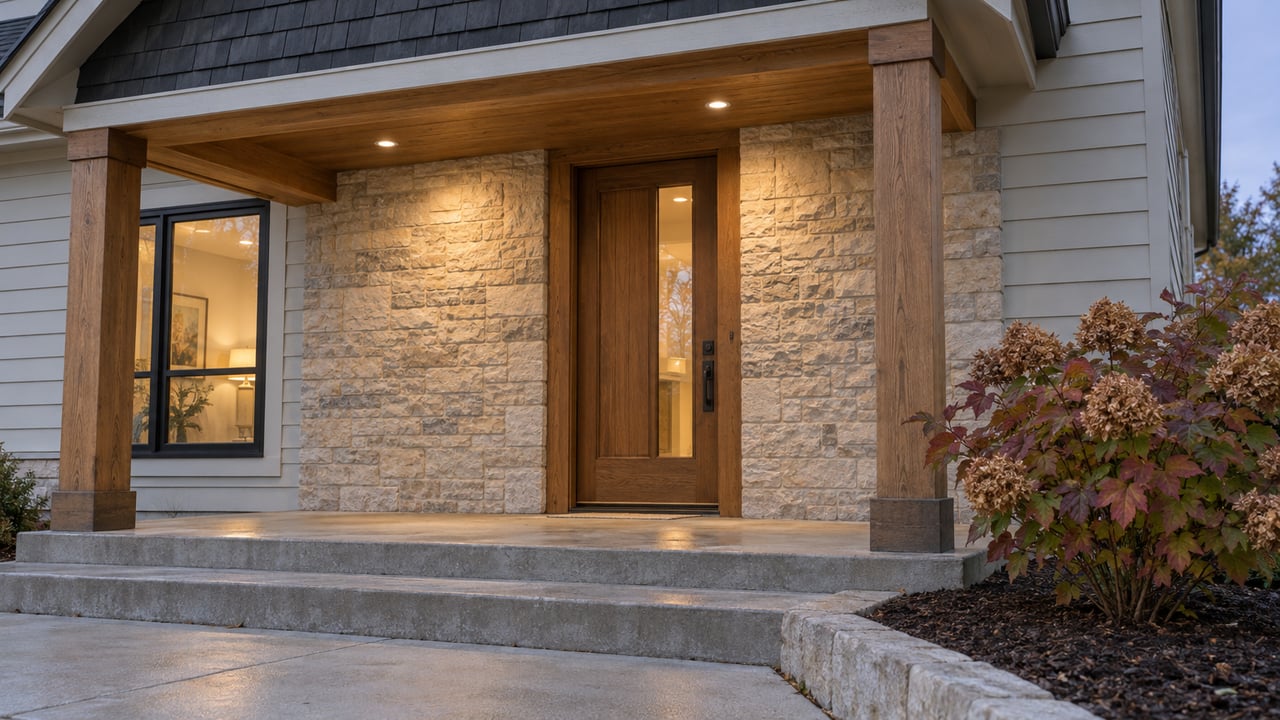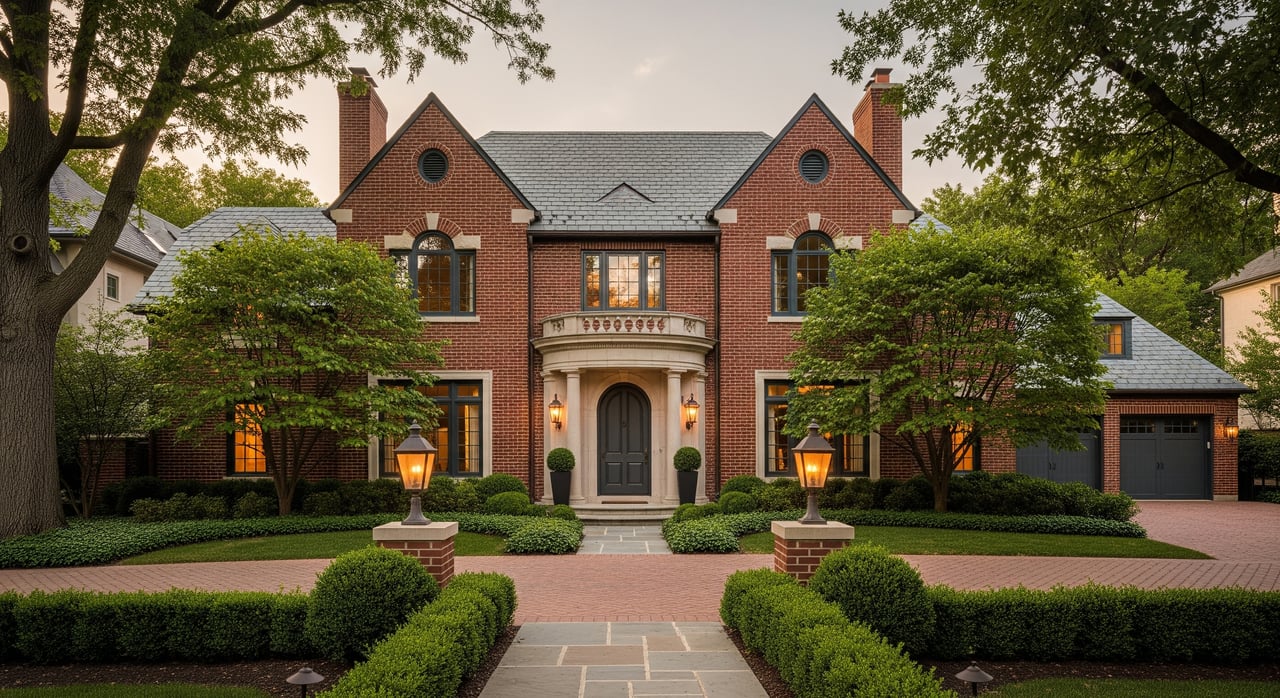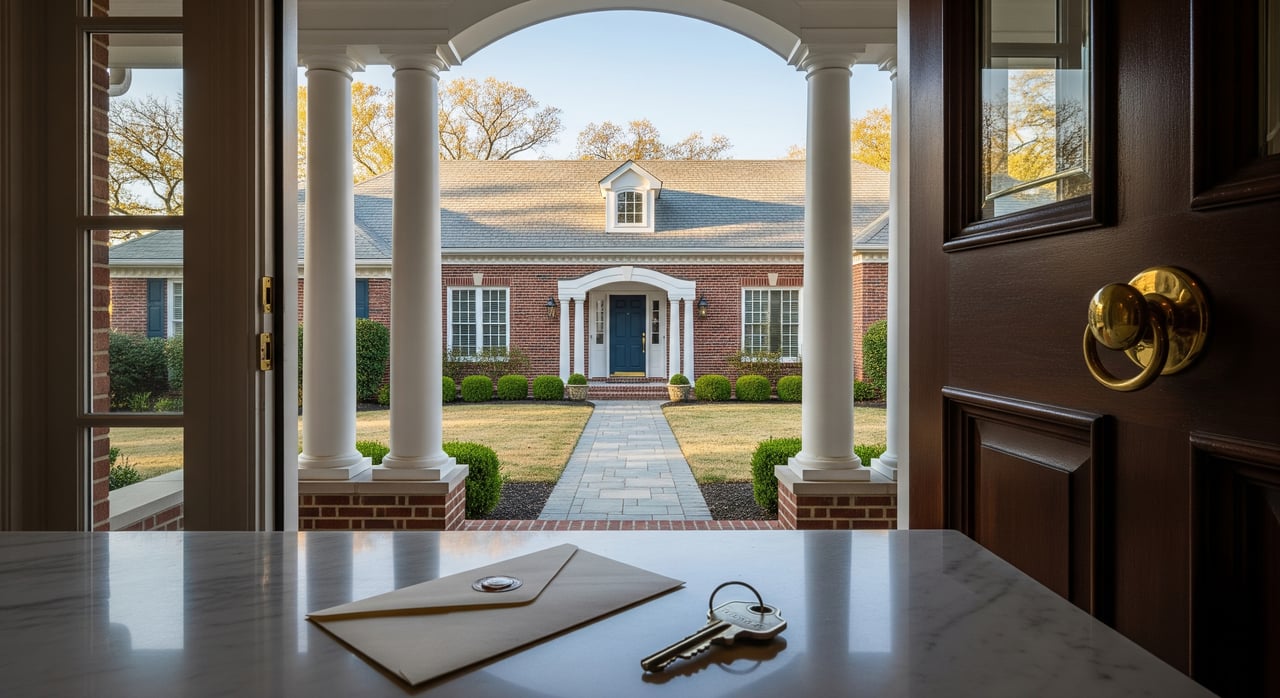
Are you eyeing a move-in-ready home in Overland Park and worried you’ll face a bidding war? You’re not alone. In the most competitive pockets of Johnson County, the right offer strategy can be the difference between getting the keys and starting over. In this guide, you’ll learn what an escalation clause is, when it helps, the risks to watch, and how to protect yourself with smart safeguards, plus a simple math example. Let’s dive in.
What is an escalation clause?
An escalation clause is an addendum to your offer that automatically increases your price above a competing bona fide offer by a set amount, up to a clear maximum. You control three levers: your base price, the increment you’ll beat another offer by, and the cap you will not exceed.
Why buyers use it:
- It keeps you competitive without guessing a blanket top price.
- It signals you are serious while still setting a firm limit.
- It can reduce back-and-forth in multiple-offer situations.
Key parts of a typical clause:
- Base offer price.
- Escalation increment, such as $2,500 or $5,000.
- Maximum price cap that you will not exceed.
- Requirement for the seller to provide proof of the competing offer, often a redacted copy.
- Proof that you can close at the higher price, such as a current pre-approval or proof of funds.
When it helps in Overland Park
In Overland Park and across Johnson County, escalation clauses often show up when inventory is tight and well-priced, move-in-ready homes attract multiple offers. Neighborhood desirability and proximity to jobs can create competition in certain price bands. If you want to avoid guessing the winning price and you are comfortable with a clear maximum, an escalation clause can help.
Buyers who may benefit:
- You have strong financing or cash and a firm maximum.
- You want to stay competitive but not overpay beyond your cap.
- You are working with an agent who can draft and enforce the clause correctly.
When to skip or use caution
An escalation clause may not help if the market segment is slow or the seller wants a clean highest-and-best deadline. It can also be risky if your budget leaves little room for appraisal gaps or larger down payments. If you plan to rely on inspections and financing contingencies, think carefully before combining those with a higher escalated price.
Key risks and safeguards
Even in a hot market, you can protect yourself with clear language and verification.
Legal and MLS checks
- Confirm local MLS practices. Heartland Regional MLS and brokerage policies guide how offers are presented and how competing offers are validated.
- Understand state-level guidance. The Kansas Real Estate Commission outlines broker duties and document handling.
- Listing agents must present and accurately summarize all offers and follow brokerage and MLS rules when validating competing offers.
Drafting safeguards to include
- Require proof. Ask the seller to provide a redacted copy of the highest competing bona fide offer showing price, timing, and relevant terms before your escalation applies.
- Cap your exposure. State “not to exceed $X” to set a firm ceiling.
- Show ability to close. Attach a current lender pre-approval or proof of funds that supports your cap.
- Protect against appraisal risk. Keep your appraisal contingency unless you fully accept the risk of a low appraisal.
- Keep inspection protection. Consider a shorter inspection window or limit requests to major items instead of waiving entirely.
- Be precise about timing. Specify which competing offer counts and the time it is measured.
- Use standard forms. Ask your agent for association forms or a legal review for clarity.
How the math works
Here is a simple example you can follow step by step.
Scenario:
- Base offer: $400,000
- Increment: $5,000
- Cap: $425,000
- Competing bona fide offer: $414,000
- Seller must provide a redacted copy to validate
Calculation:
- Competing offer plus increment equals $414,000 + $5,000 = $419,000.
- Compare to your cap. $419,000 is less than $425,000.
- Final contract price if accepted becomes $419,000.
Edge cases:
- If the competing offer is $422,500, then $422,500 + $5,000 = $427,500, which is higher than your cap. You remain at $425,000.
- If there are multiple competing offers, your clause should state which one counts and at what time, and require documentation for the highest qualifying offer.
Appraisal planning in this example:
- If the appraisal comes in at $410,000 but your price is $419,000, you must either pay the $9,000 difference in cash, negotiate, or risk loan denial if financing is contingent and cannot be satisfied.
Lender and appraisal planning
Tell your lender that your offer includes an escalation clause and set your cap thoughtfully. Lenders underwrite to the final contract price. If the home does not appraise for that amount, you may need extra cash, a renegotiation, or a contingency to cancel. Many buyers keep appraisal and inspection protections in place while using escalation to manage price only.
Quick checklist for your offer
- Base offer price
- Escalation increment amount
- Maximum cap that you will not exceed
- Clear definition of a bona fide competing offer
- Seller proof requirement with redacted copy before escalation applies
- Lender pre-approval or proof of funds that supports your cap
- Appraisal contingency status stated clearly
- Inspection contingency status and timeline
- Deadline for the seller to verify and apply escalation
- Signatures, dates, and reference to standard addendum form
Strategy tips in a bidding war
Sellers sometimes ask for highest-and-best offers instead of accepting escalation clauses. In that case, lead with your strongest clean offer rather than relying on automatic increases. Also consider non-price terms that matter to sellers, like a flexible closing date, solid earnest money, and a concise inspection timeline. These can tip the scales even when prices are close.
Ready to compete with confidence?
If you want a clear plan for using escalation clauses in Overland Park, talk with a local team that knows the rhythms of Johnson County and the forms that protect you. For a personalized strategy and careful drafting, connect with Bryan Huff to book an appointment.
FAQs
Are escalation clauses legal in Kansas and Overland Park?
- Generally yes, but how they are handled depends on MLS and brokerage rules, so confirm practices with your agent and review KREC guidance.
Will the seller see my maximum cap?
- Often yes, since validating the clause can reveal your cap, so weigh the trade-off between being competitive and sharing your ceiling.
Can the seller require proof of a competing offer?
- Yes, and many clauses require a redacted copy of the competing offer before escalation applies.
What happens if the appraisal is lower than my escalated price?
- You may need to bring cash to cover the gap, renegotiate, or rely on your appraisal contingency if you kept it.
Should I waive inspection to make my escalated offer stronger?
- Waiving increases risk, so consider a shorter inspection window or limiting requests to major health and safety items instead.
What if multiple buyers use escalation clauses on the same home?
- The seller should apply the clause to the highest qualifying offer based on clear timing and documentation defined in the addendum.