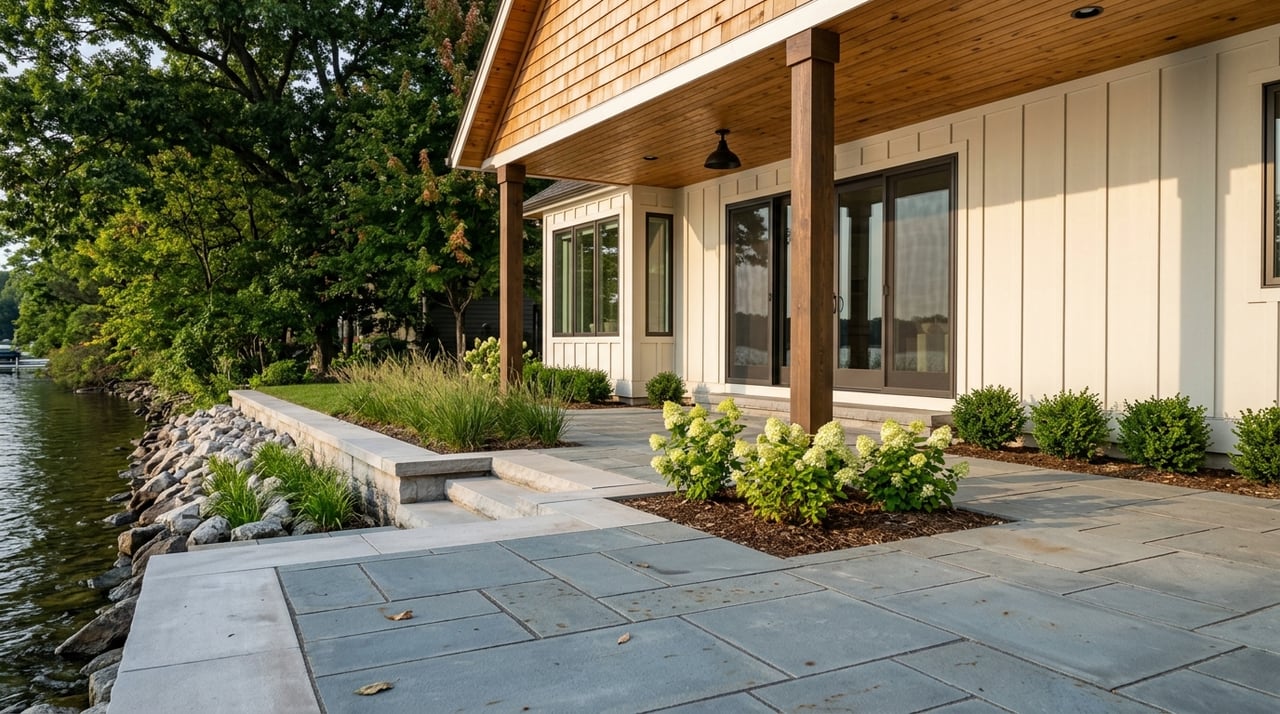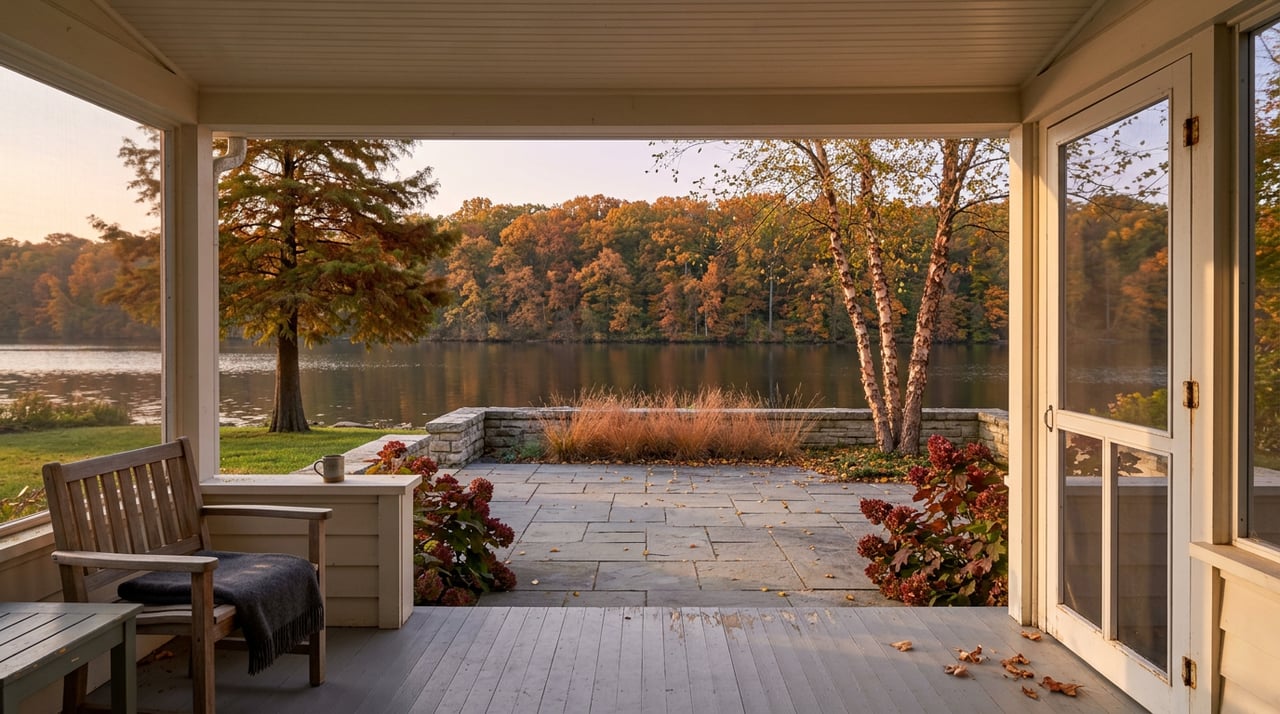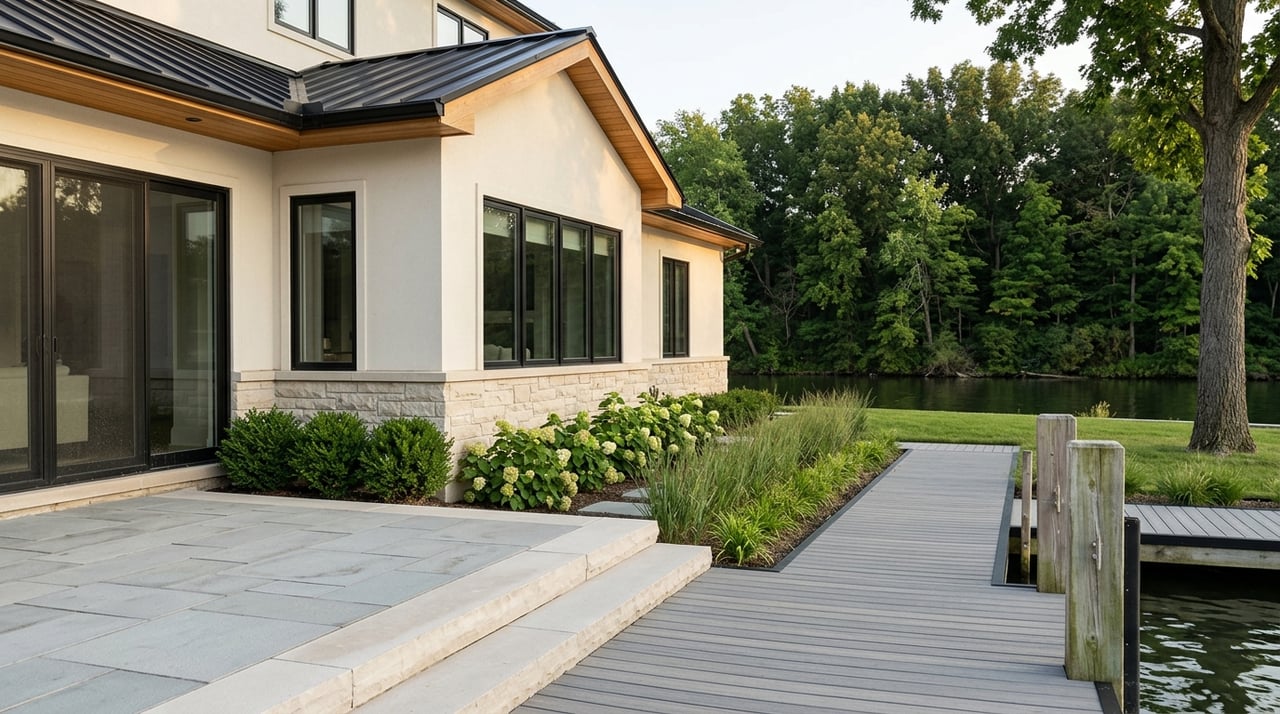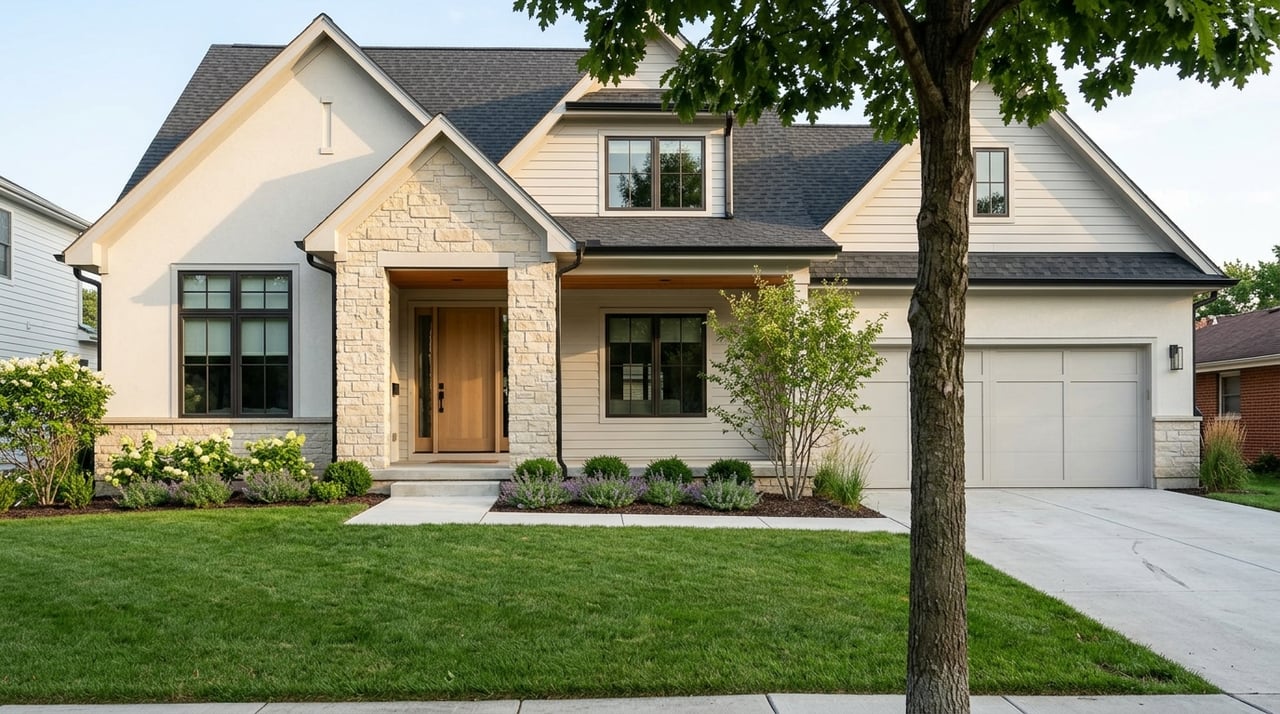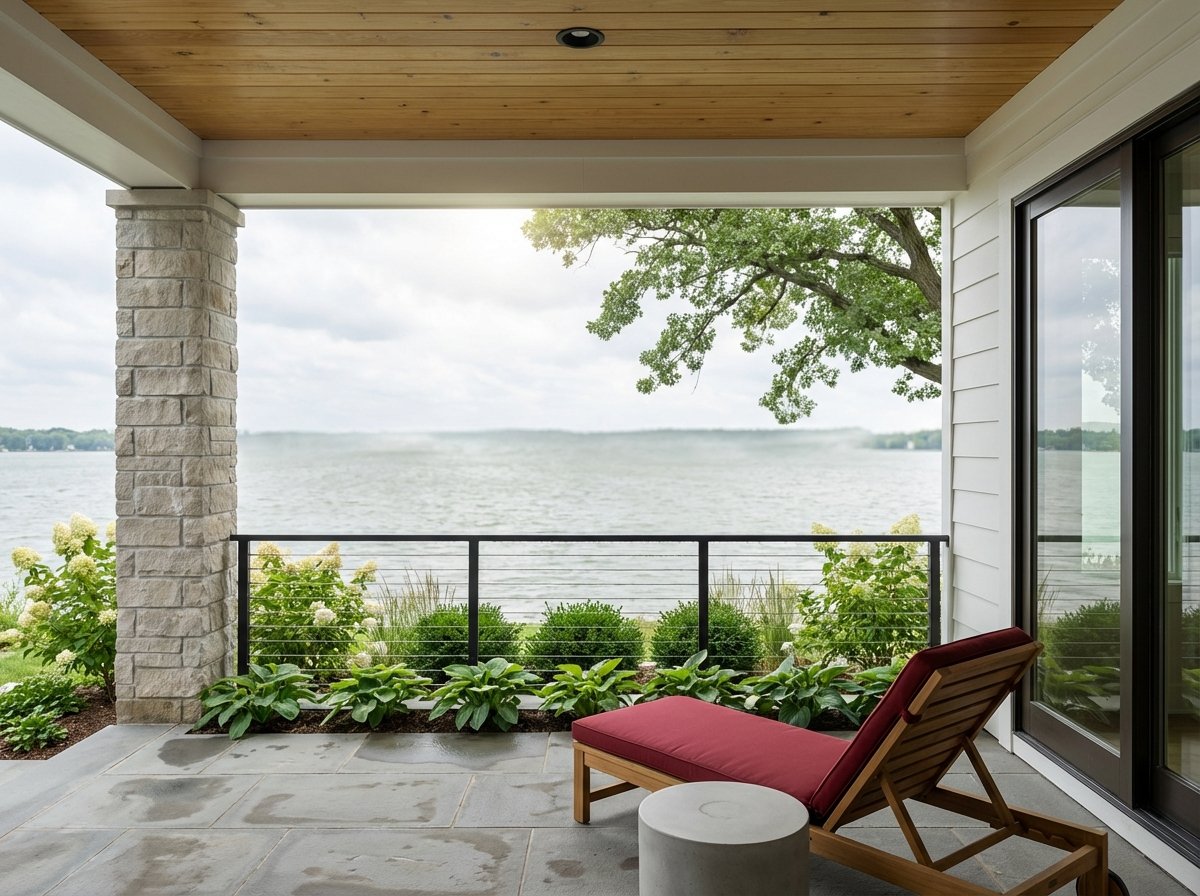
If you dream of launching a boat before lunch and walking 18 after dinner, Lake Quivira might be your perfect match. This private, gated city wraps everyday life around a spring-fed lake and an 18-hole golf course, creating a rare blend of resort living and neighborhood convenience. You want the facts though: costs, memberships, docks, inspections, and how buying here really works. This guide gives you a clear, practical roadmap tailored for golfers and lake lovers. Let’s dive in.
Why Lake Quivira stands out
Private, gated city on a spring-fed lake
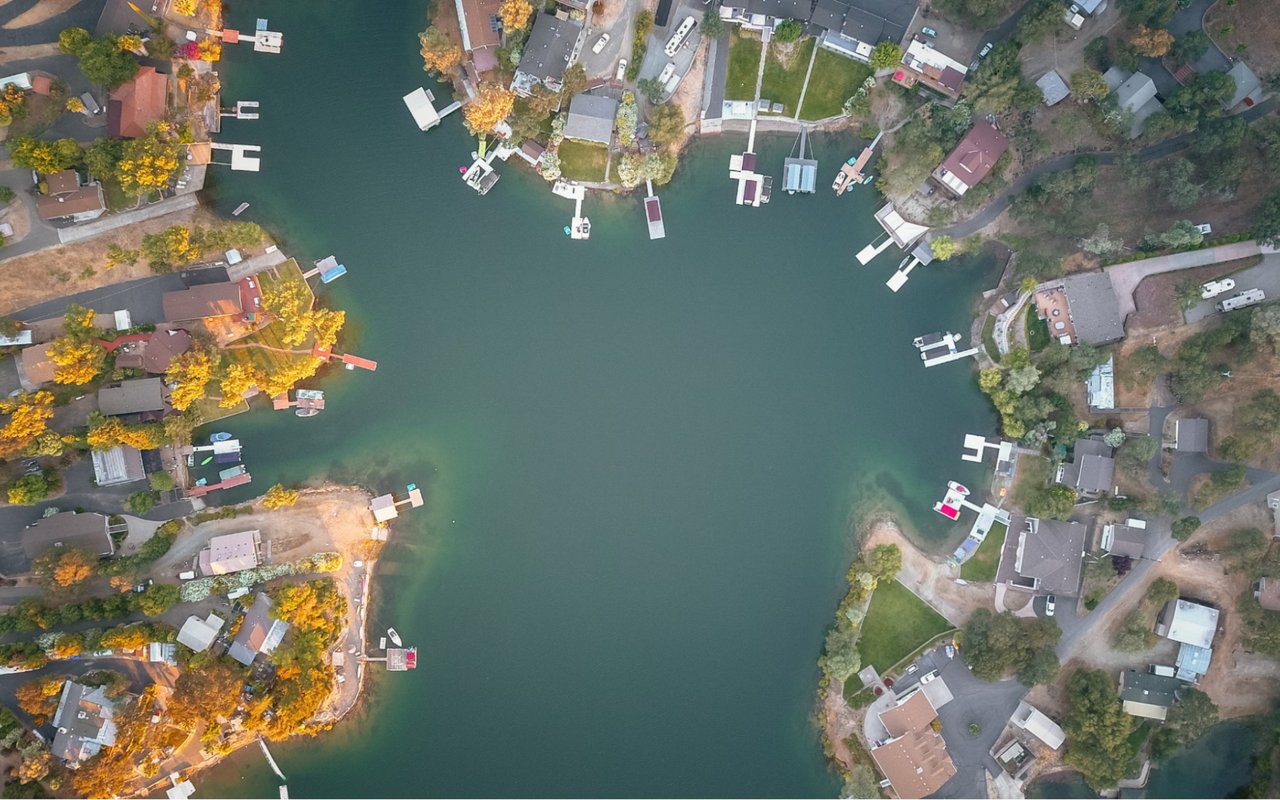
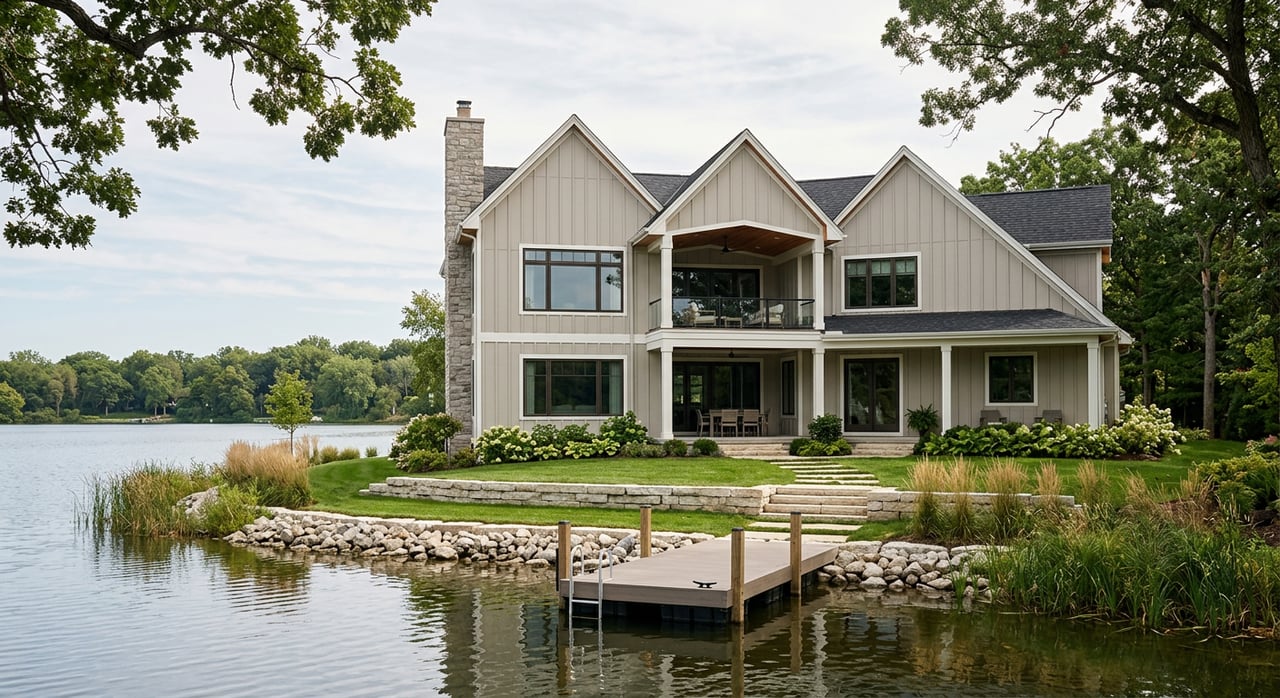
Lake Quivira is an incorporated third-class city with roughly 396 single-family homes built around a spring-fed lake of about 220 to 224 acres. The city provides core municipal services within the gates, which is unusual for a private community. That structure sets a strong foundation for day-to-day operations and long-term infrastructure oversight. Learn more about the city’s role on the official City of Lake Quivira welcome page.
Golf, fitness, and clubs in one place
The community’s social heart is the Lake Quivira Country Club, featuring an 18-hole course, practice facilities, clubhouse dining, a community and fitness center, indoor and outdoor tennis and pickleball, and a lap pool. Family and junior programs are a core focus, creating a full calendar across seasons. Explore the club’s amenities and see current membership categories.
Boating, sailing, and seasonal fishing
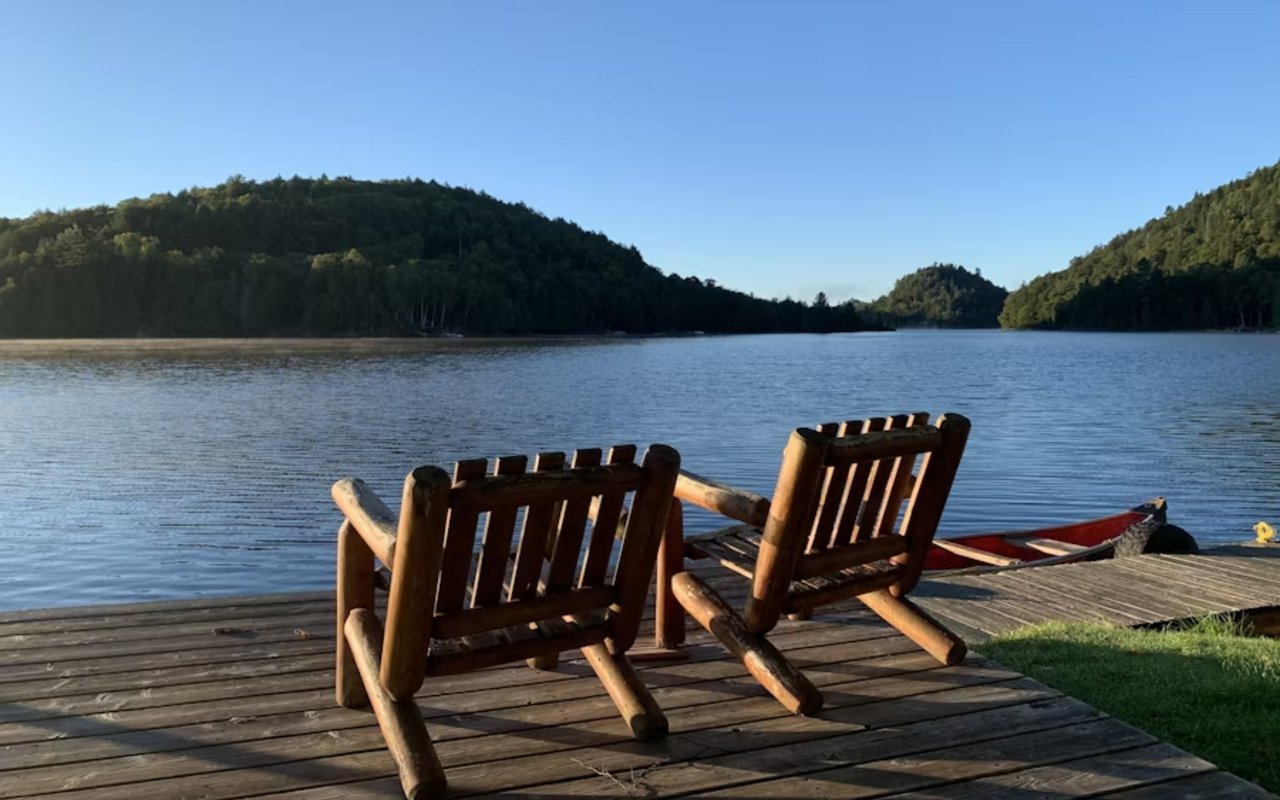
The lake is used for boating, water-skiing, fishing, and swimming. The fishery is seasonally stocked per regional sources, which helps maintain a vibrant on-water scene for anglers. For sailing enthusiasts, the resident-led Lake Quivira Yacht Club organizes regattas and programs.
How the community is organized
City, association, and club: who does what
- City of Lake Quivira: Provides police and fire services, water and sewer, public roads inside the gates, the city’s dams, and building permits. The city is your source of truth for infrastructure and dam-related questions. See the city’s overview.
- Quivira, Inc.: The private community body that manages certain common services and coordinates with the club. It is commonly referenced in property records and MLS fields as the association.
- Lake Quivira Country Club: Operates the golf course, clubhouse, fitness/community center, and many social programs. Membership types are listed publicly, while fee details are provided directly by the club.
Why it matters: Multiple entities can mean multiple rules and fees. Before you buy, confirm which rules apply to your lot, how docks are assigned, and which approvals are needed for shoreline or home changes.
Cost snapshot to plan for
One-time foundation or membership fee
Recent public listing language consistently mentions a required one-time resident foundation or membership fee. Historical public MLS copies have referenced approximately $20,000 while many later listings reference around $40,000. The club’s public site does not publish a fee schedule, so you should request the official membership packet directly from the club and confirm the current amount, payment timing, and transfer rules in writing. Start with the membership page to request details.
Monthly association fees
Recent listings typically show recurring HOA or association fees in a range often reported around $500 to $950 per month. Coverage commonly includes trash, curbside recycling, security, some grounds maintenance, and access to certain amenities. Always verify the association’s latest budget, reserves, and what your specific fee includes.
Other recurring costs
- Country club dues if you opt into a golf or fitness/social tier beyond resident privileges.
- Boat registration, storage, and any dock upkeep you are responsible for.
- Home insurance and potentially flood insurance depending on your lot.
- Utilities and routine home maintenance consistent with lakefront living.
Homes and pricing at a glance
Architecture and age mix
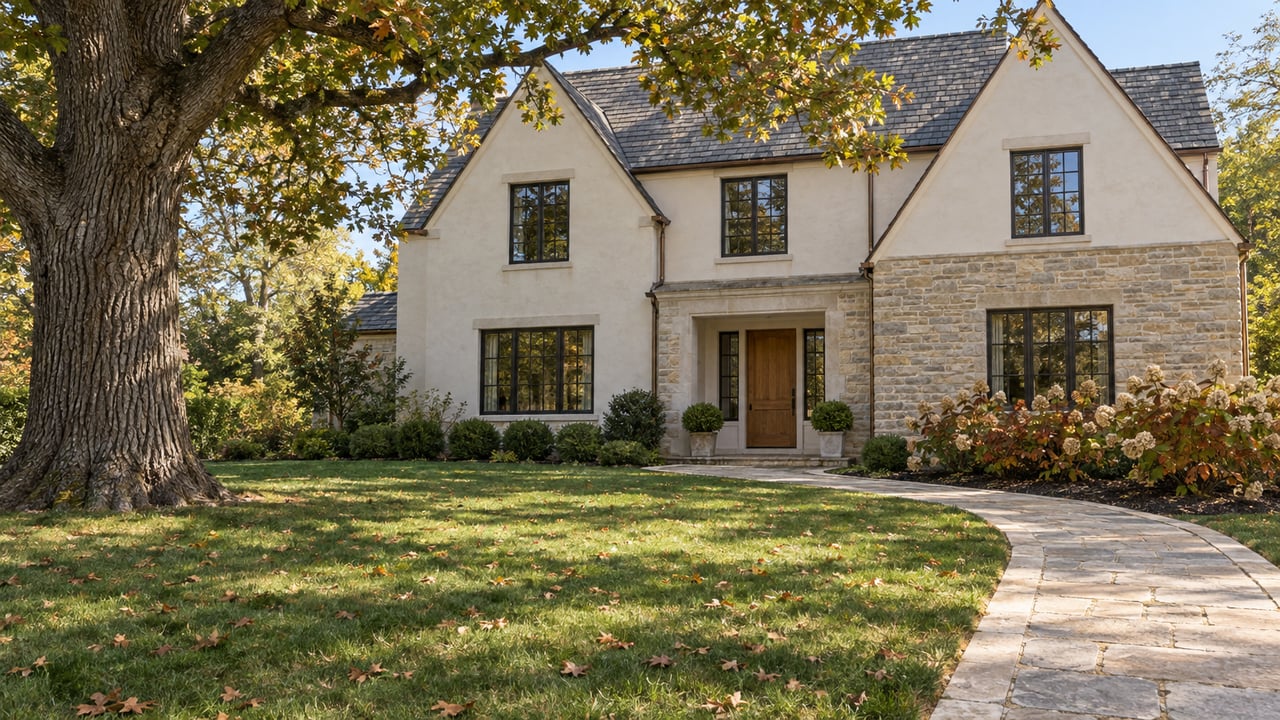
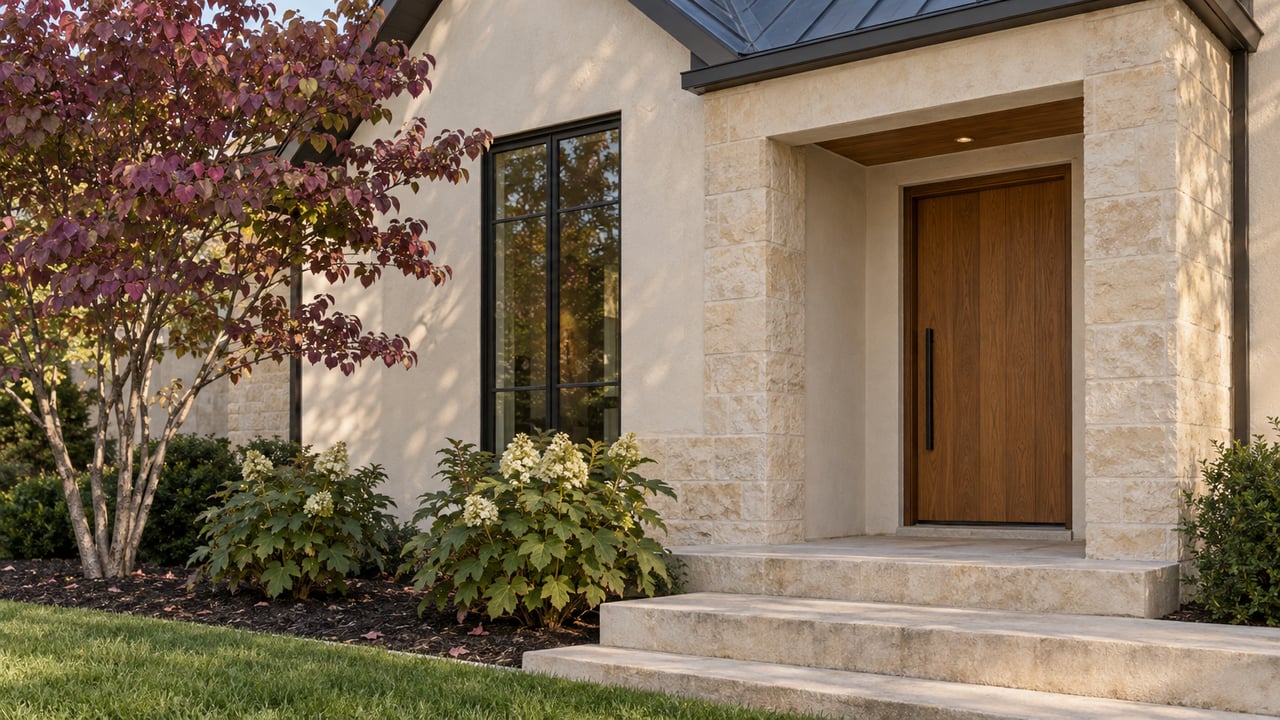
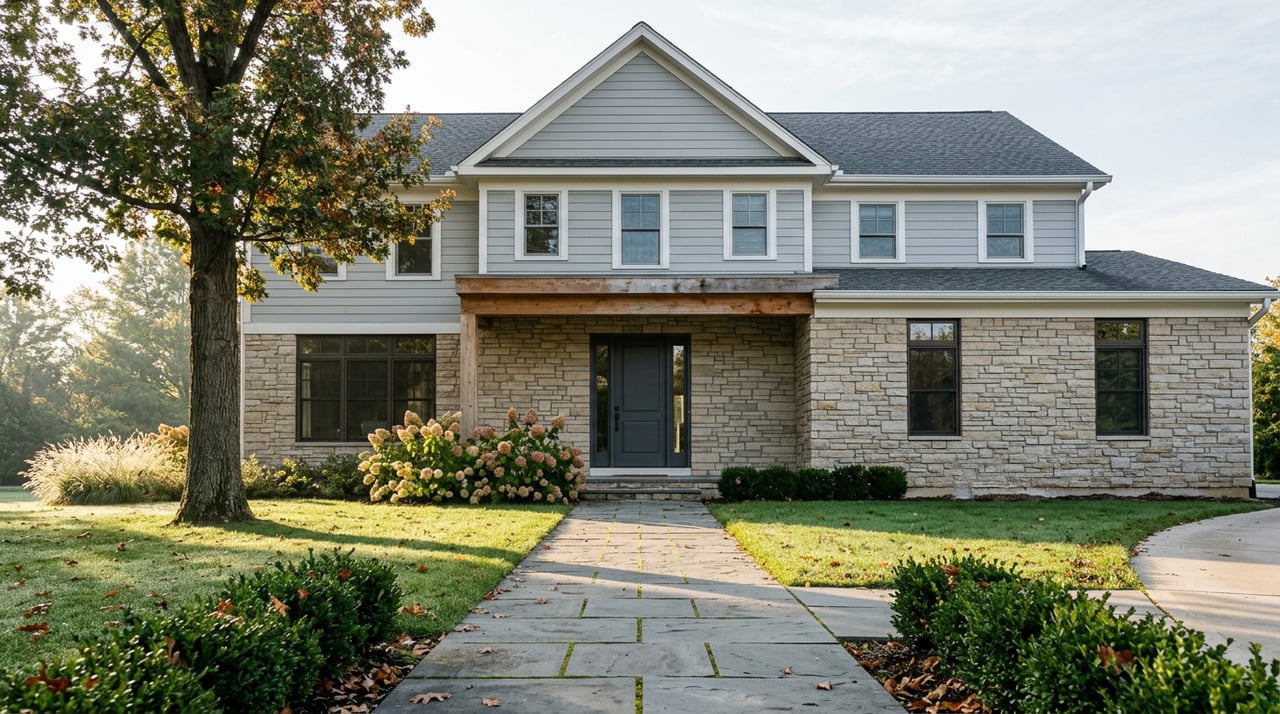
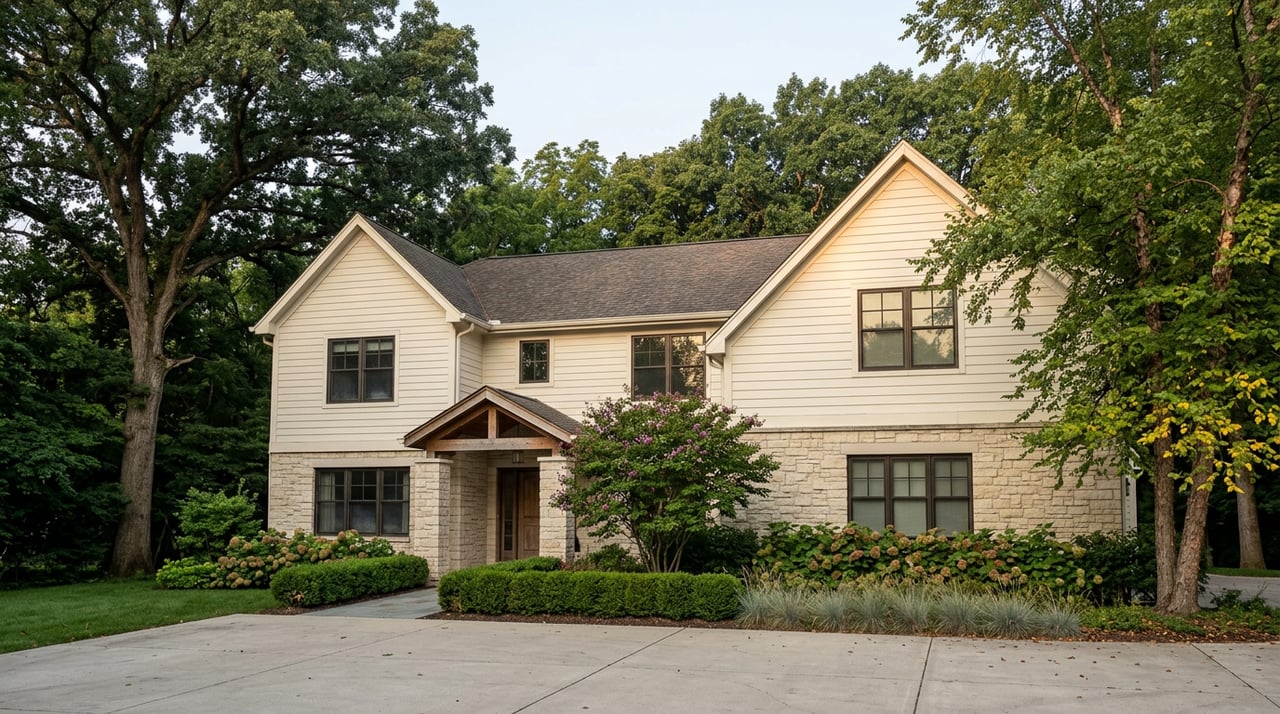
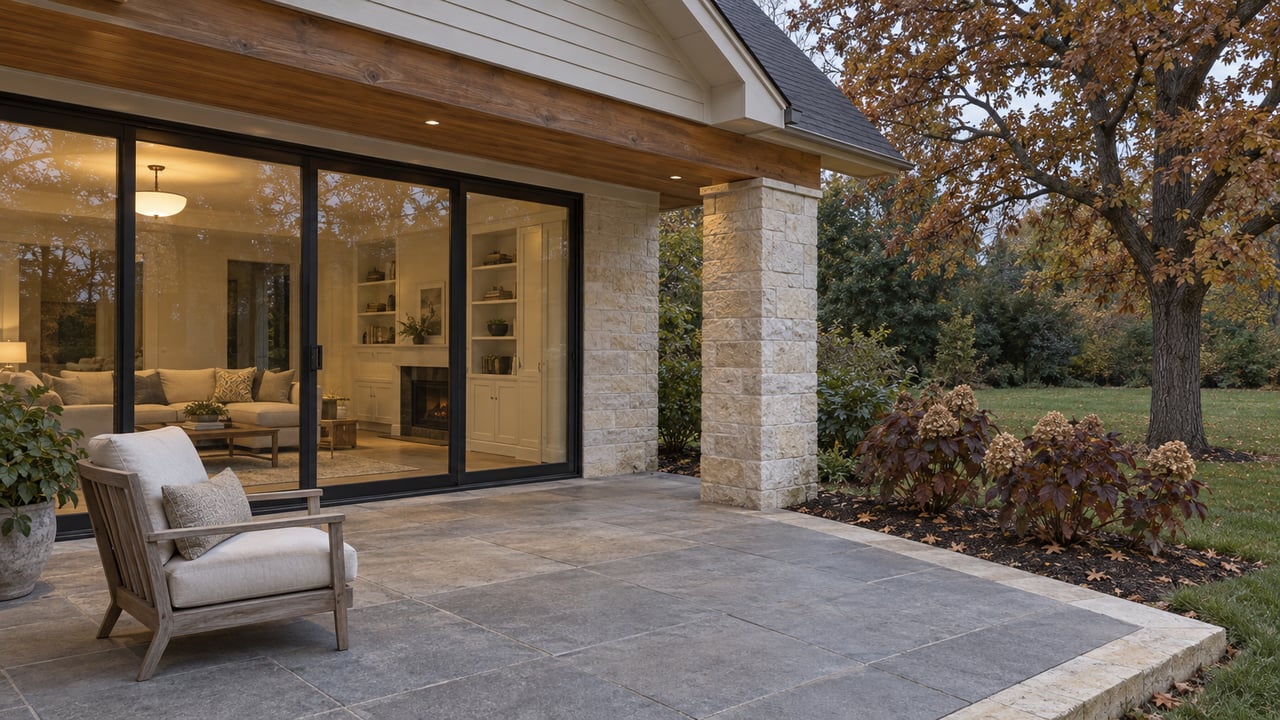
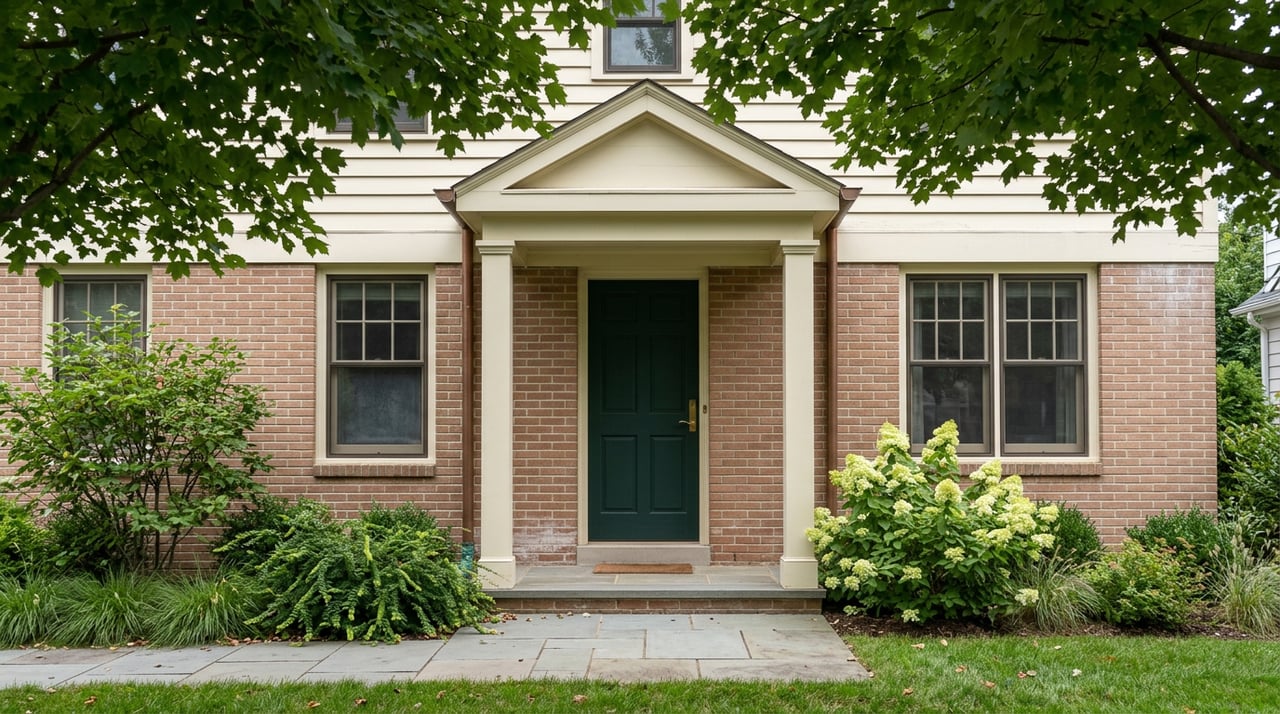
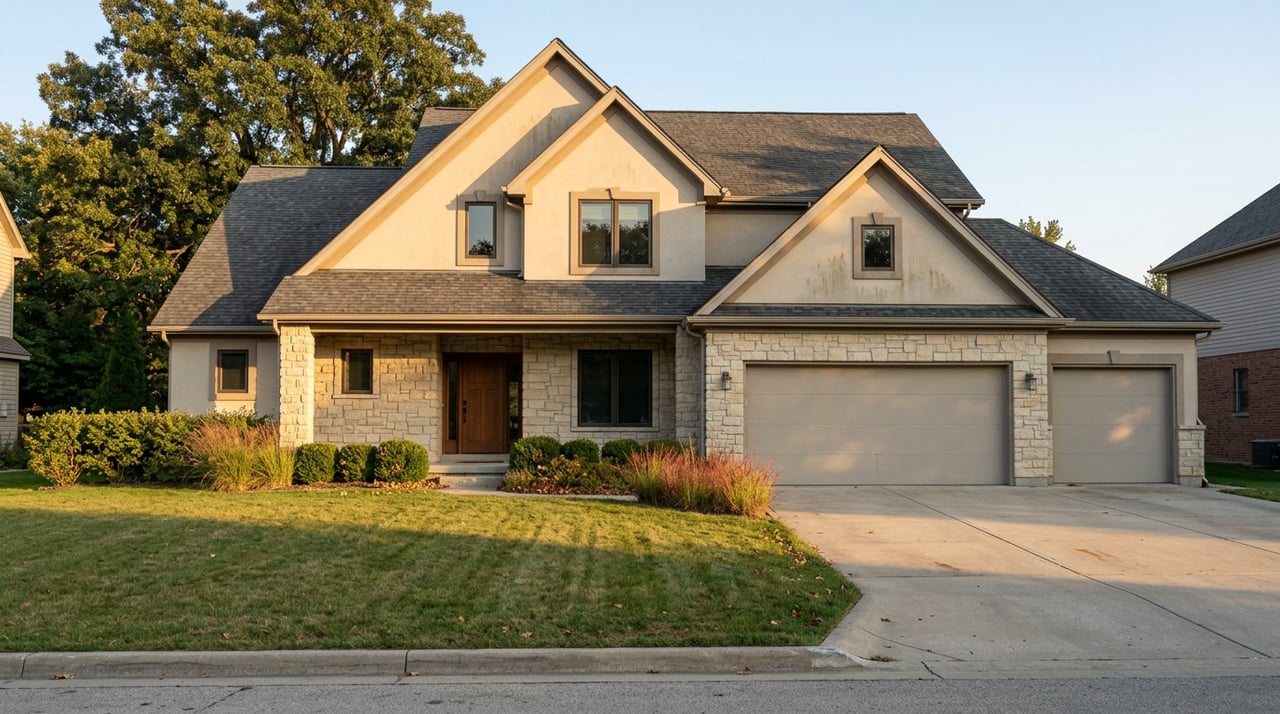
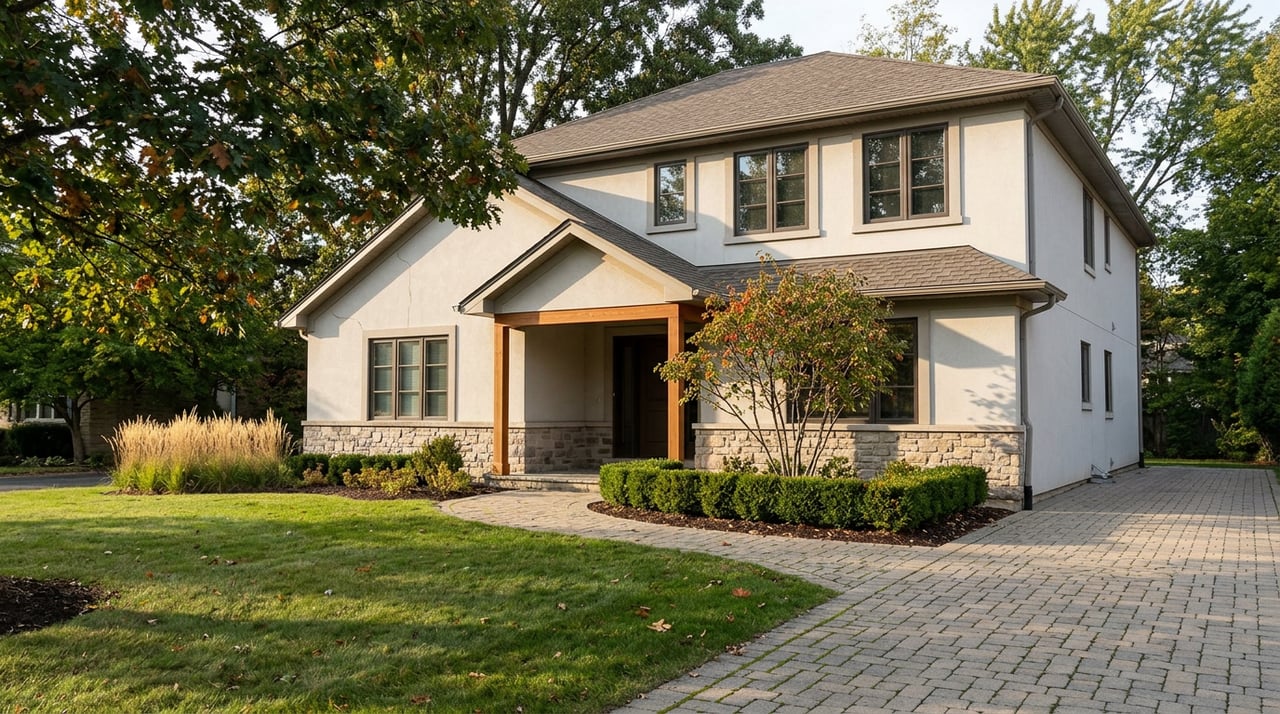
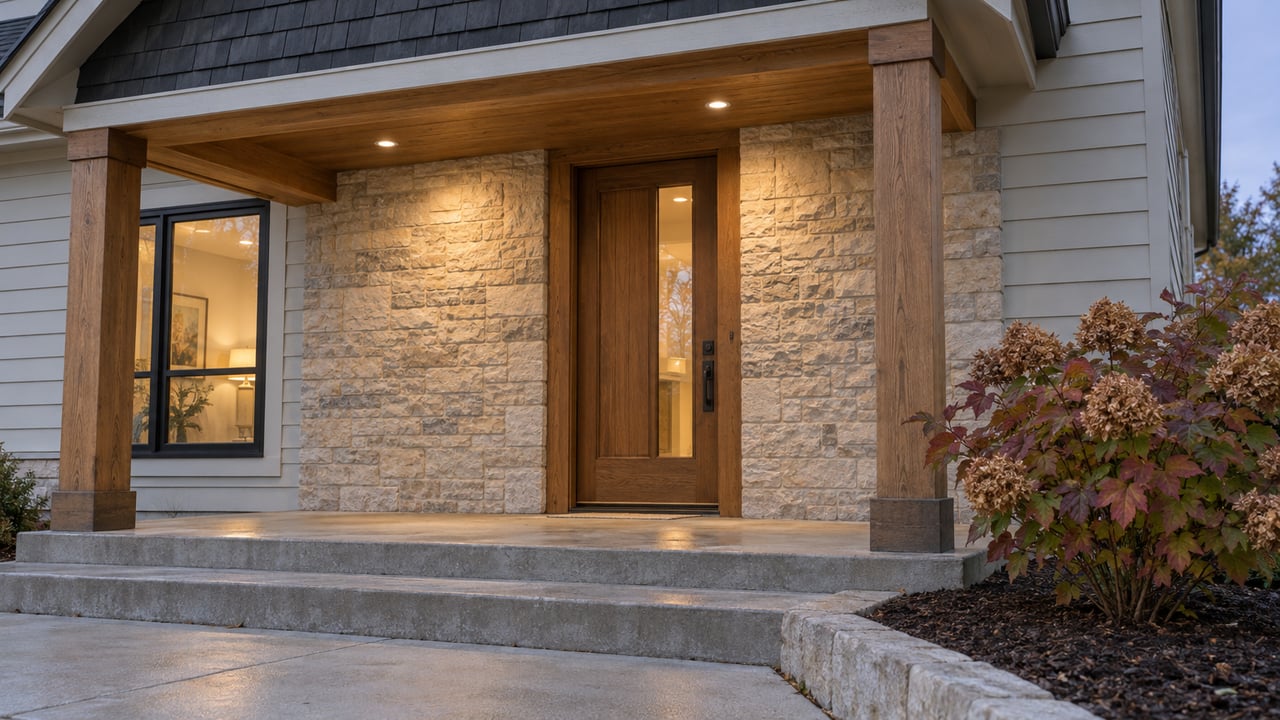
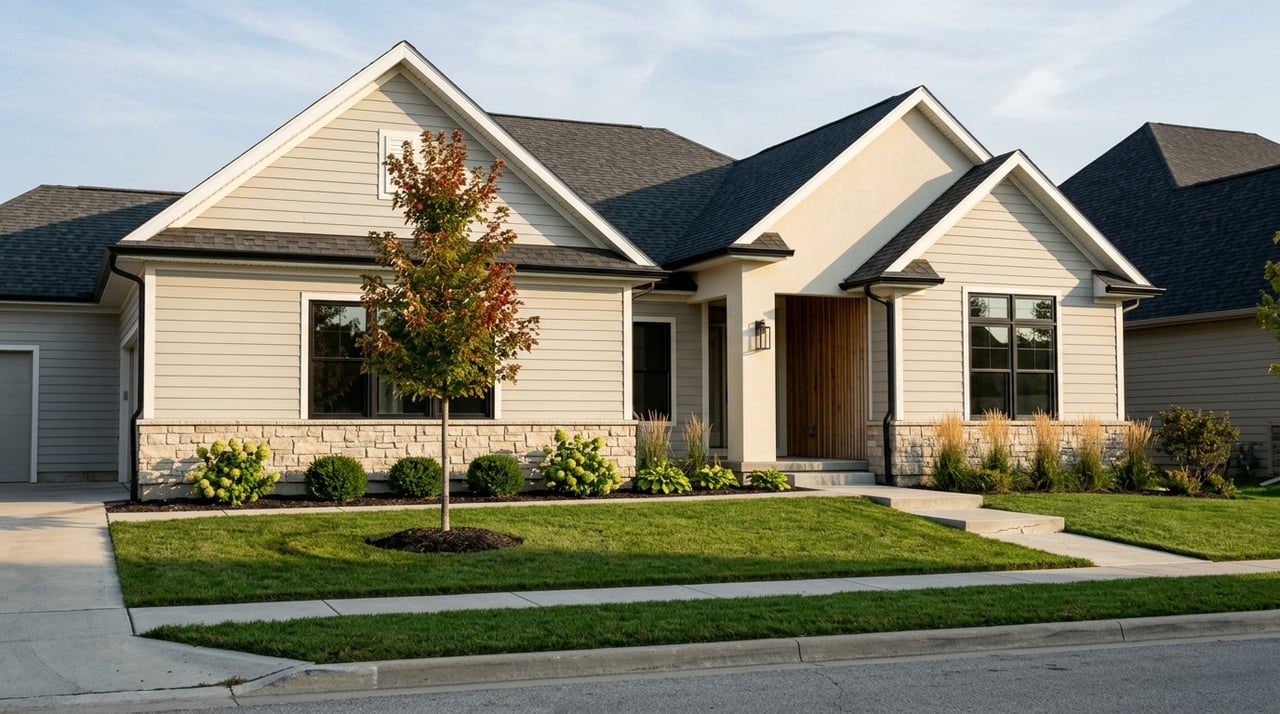
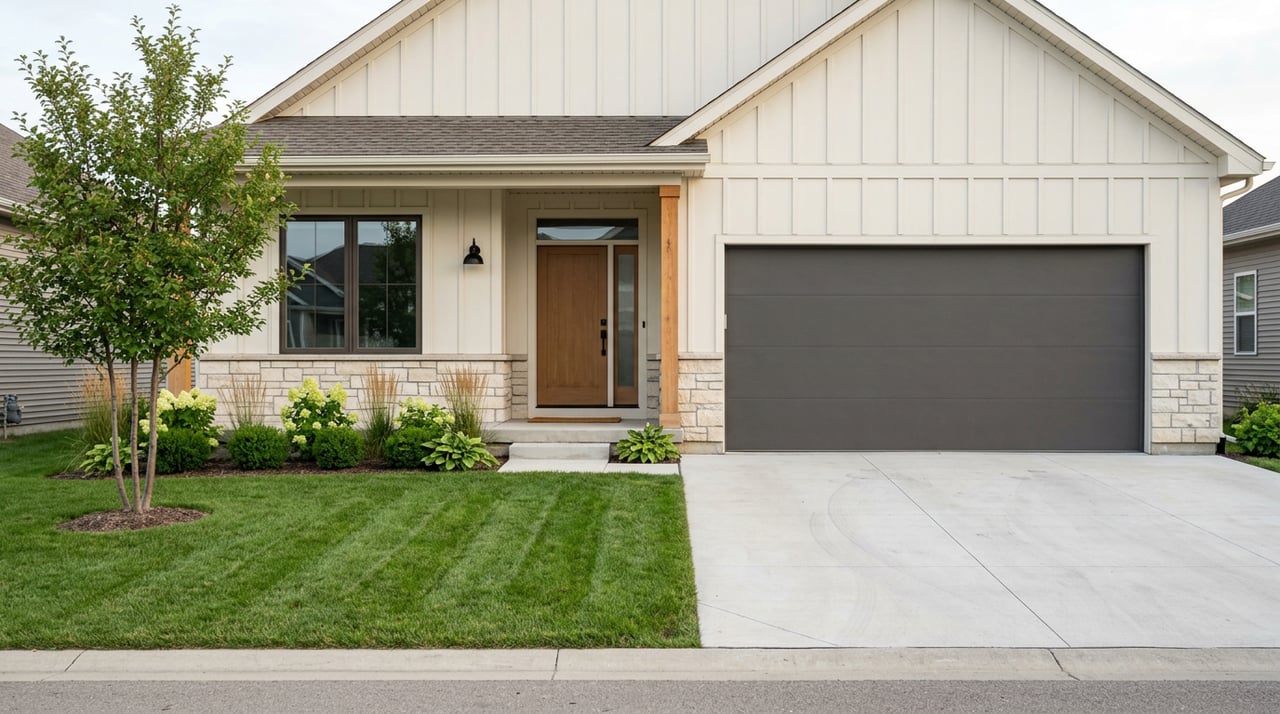
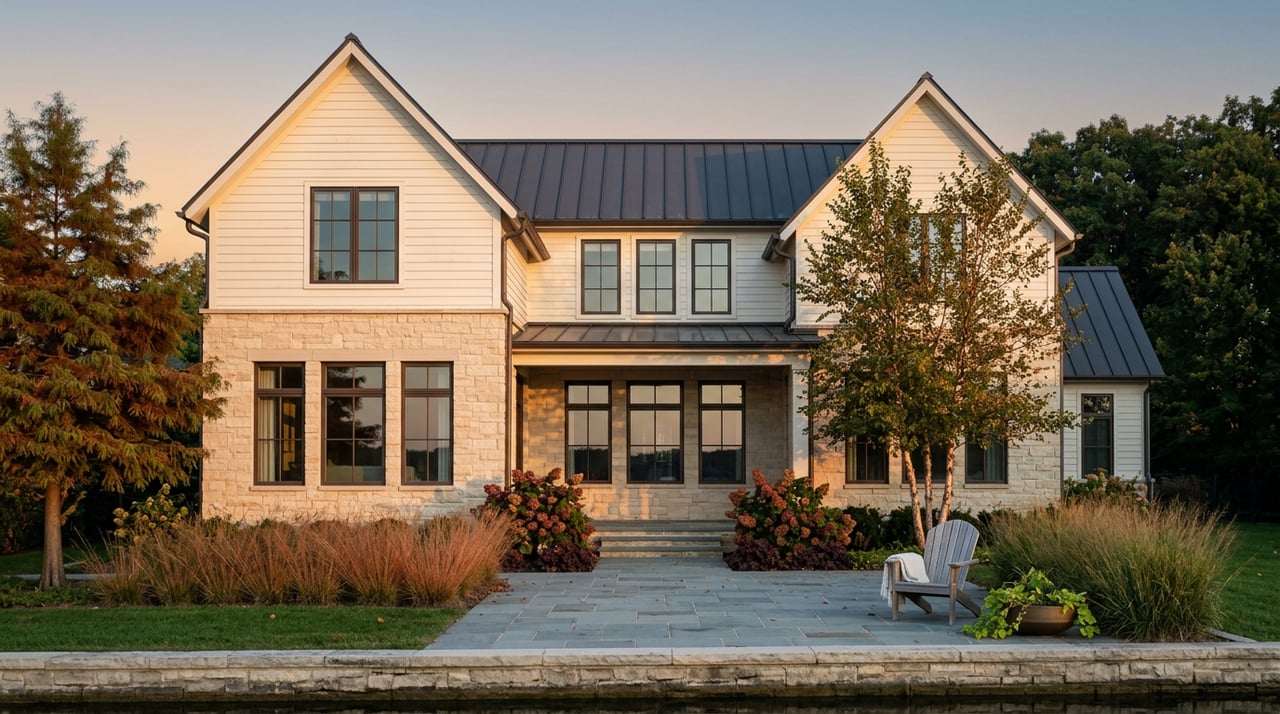
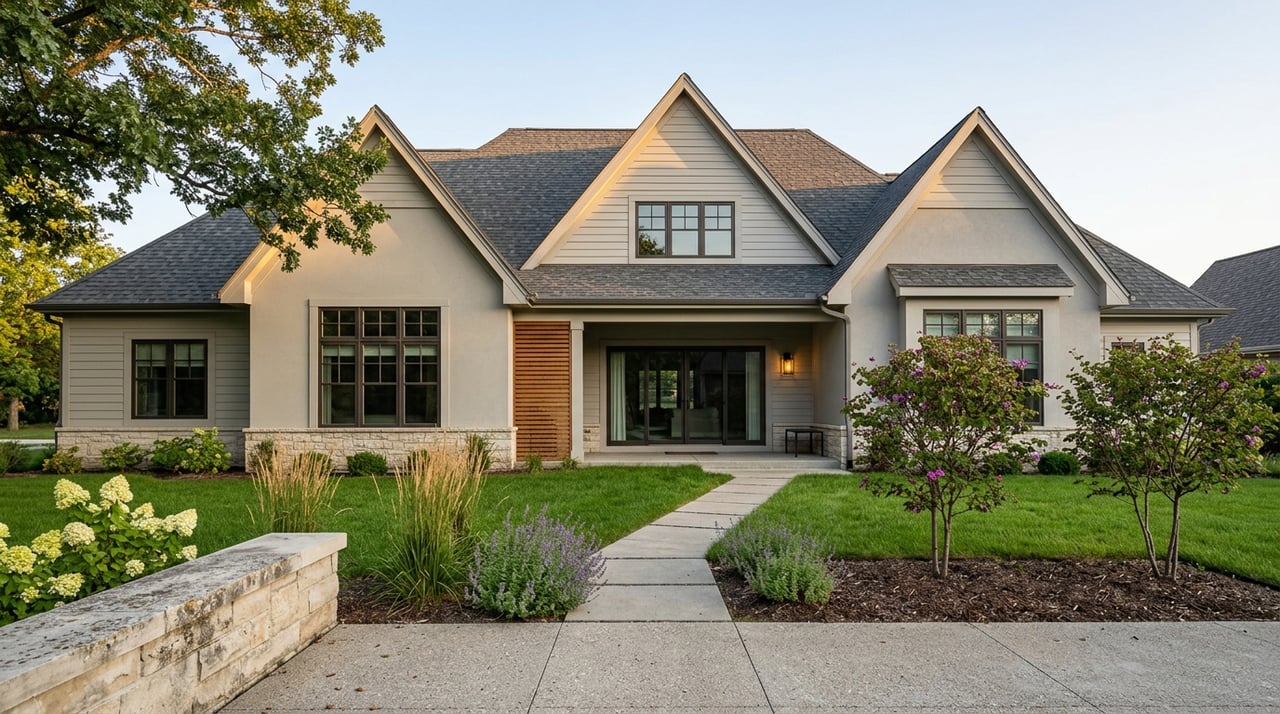
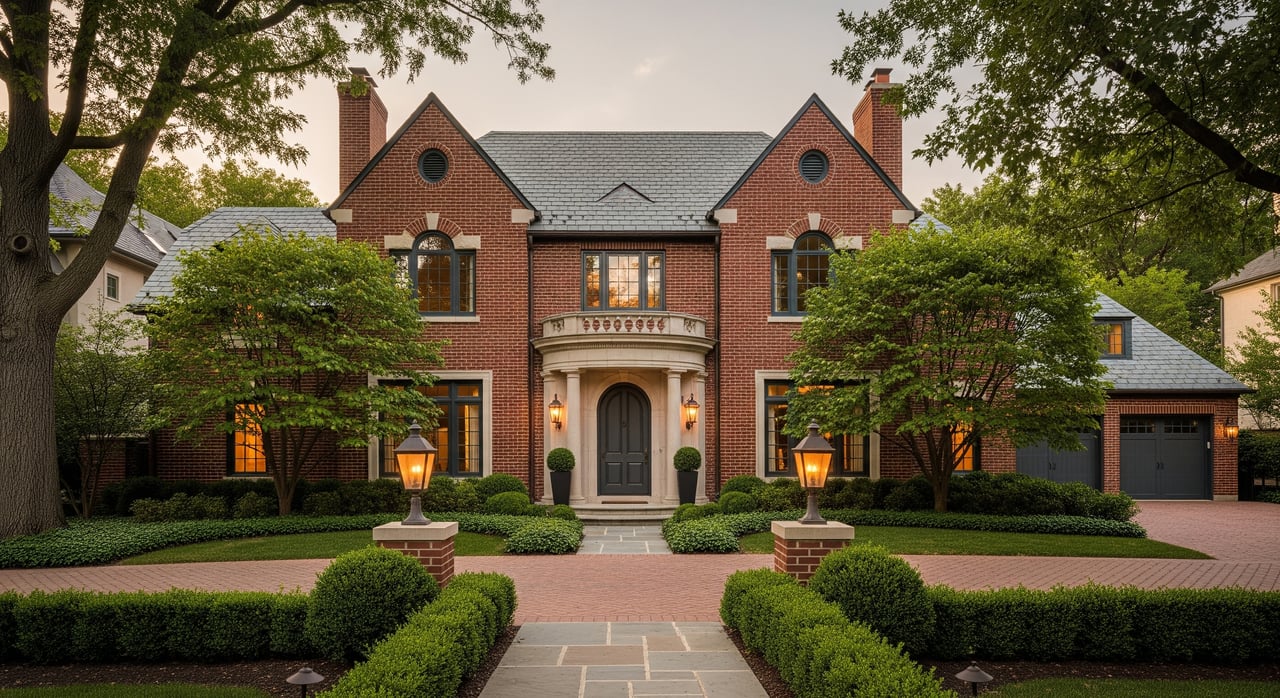
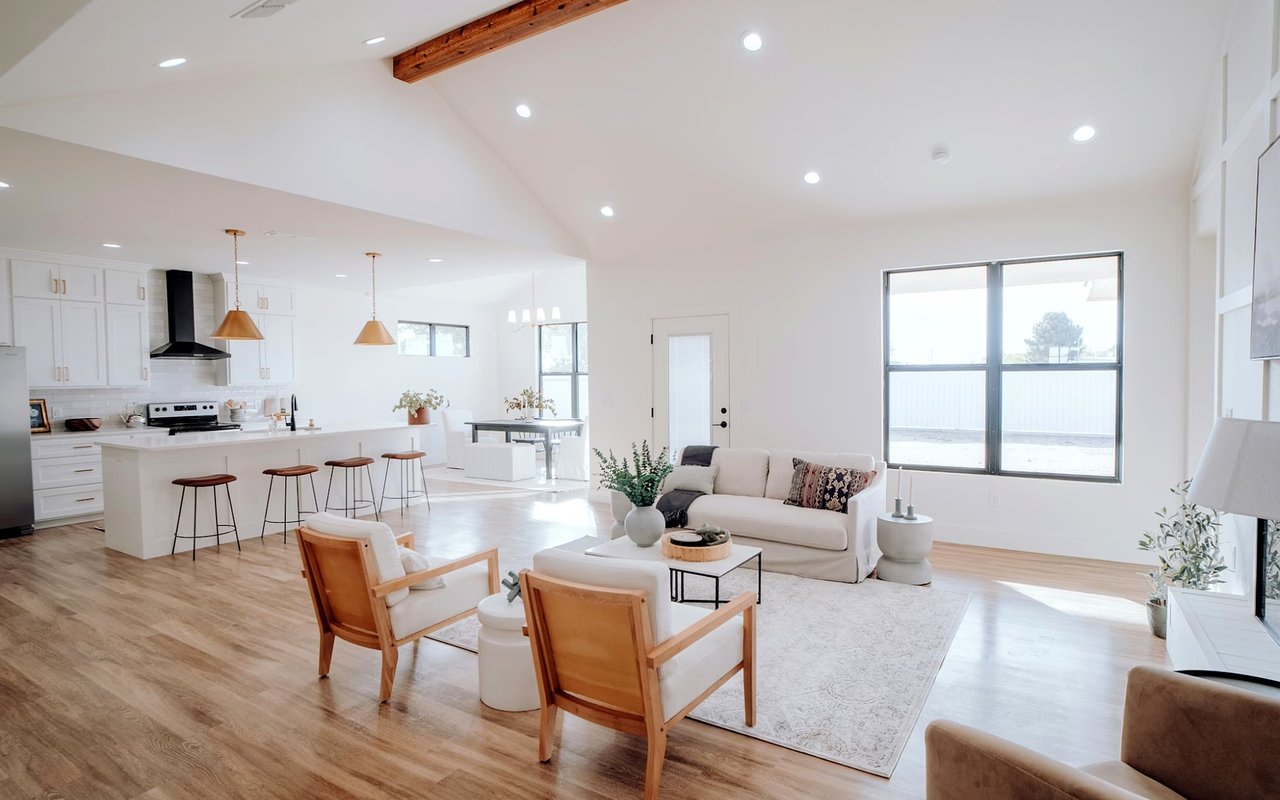
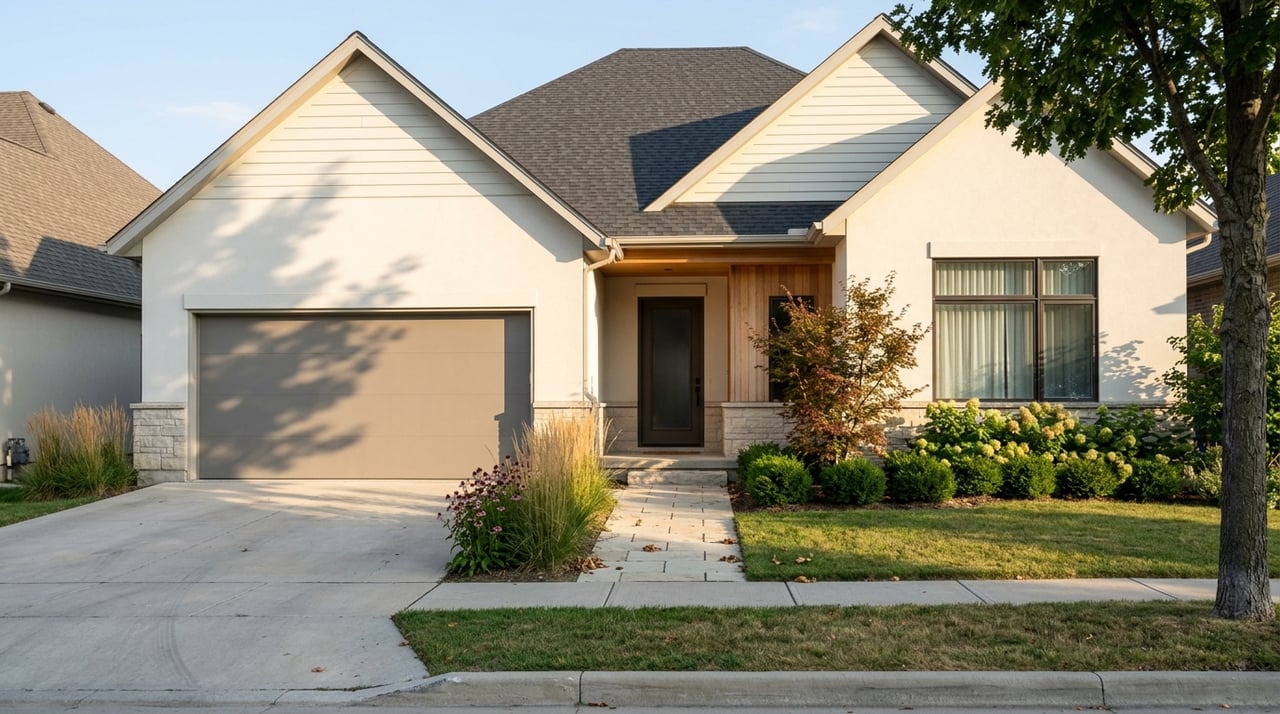
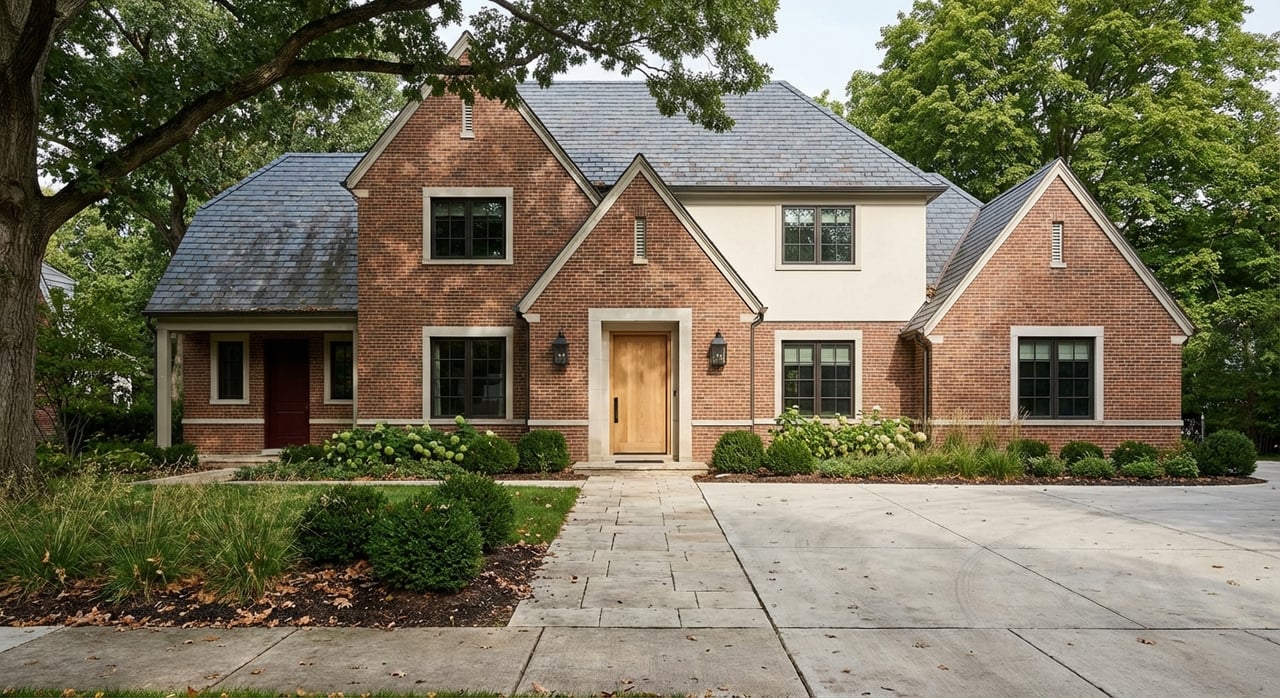
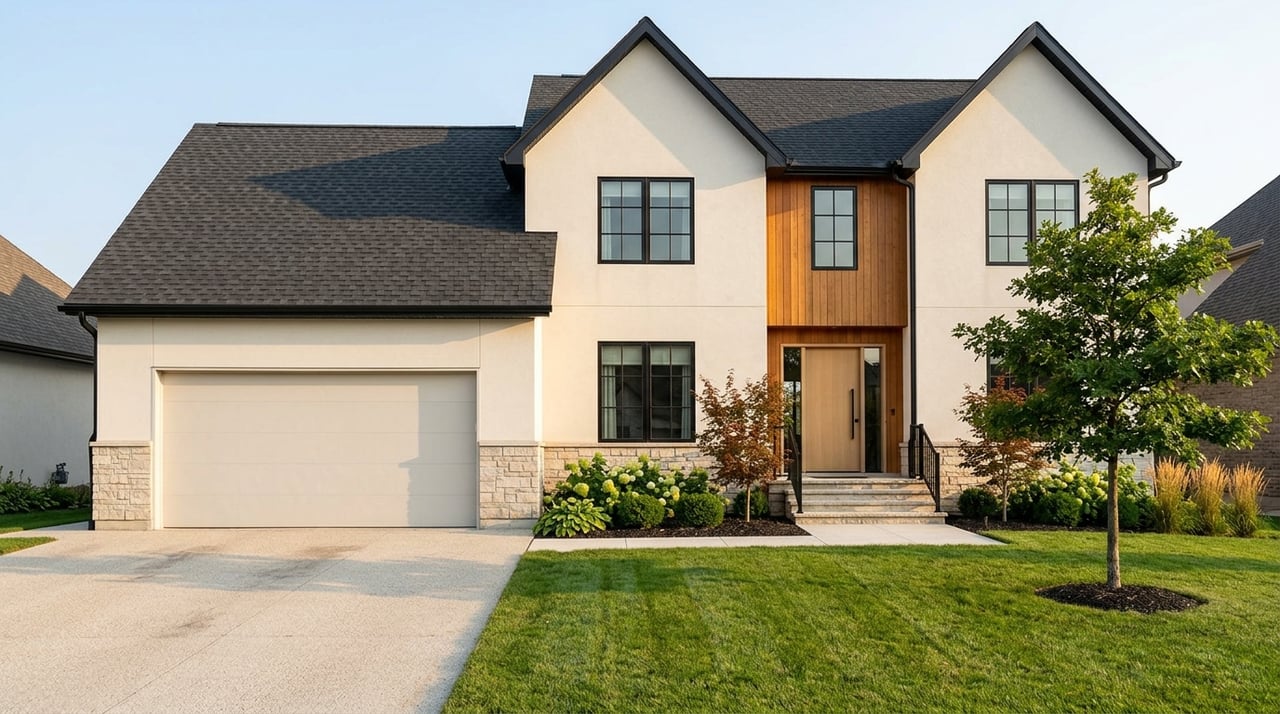
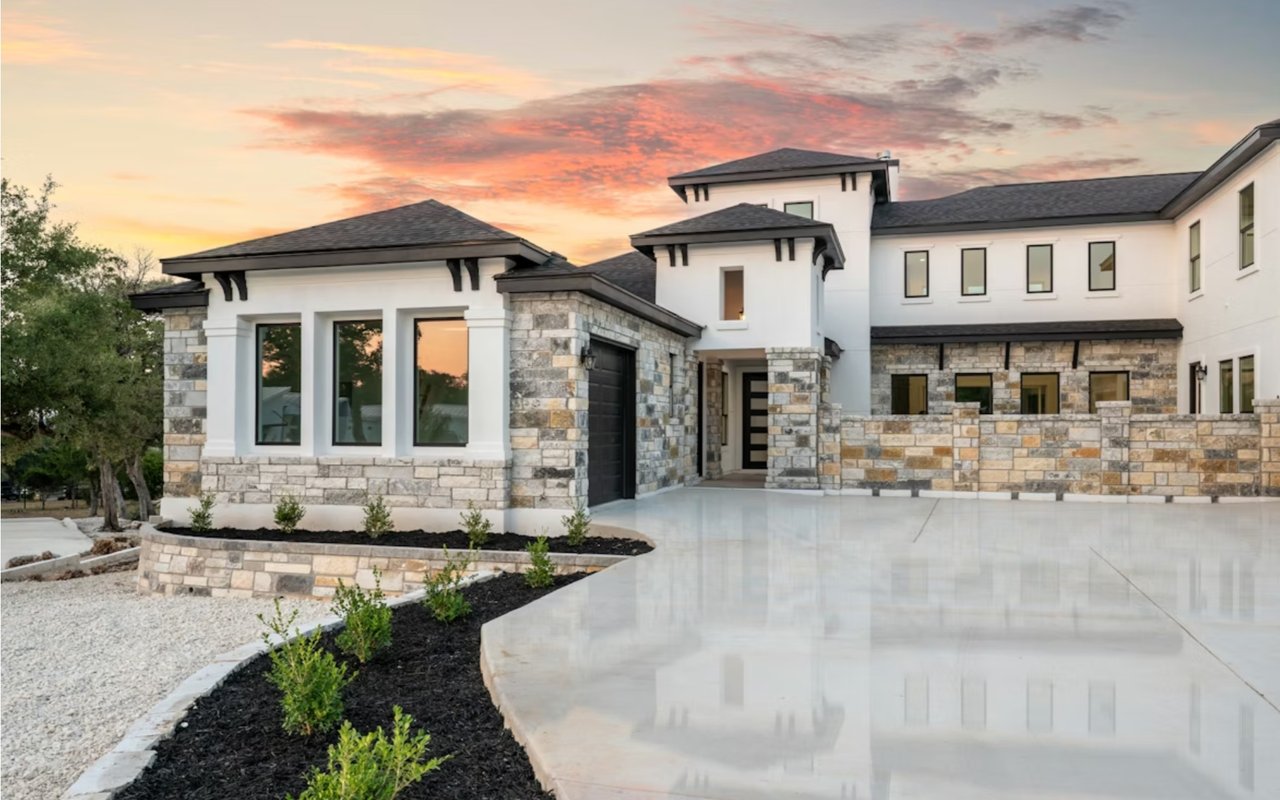
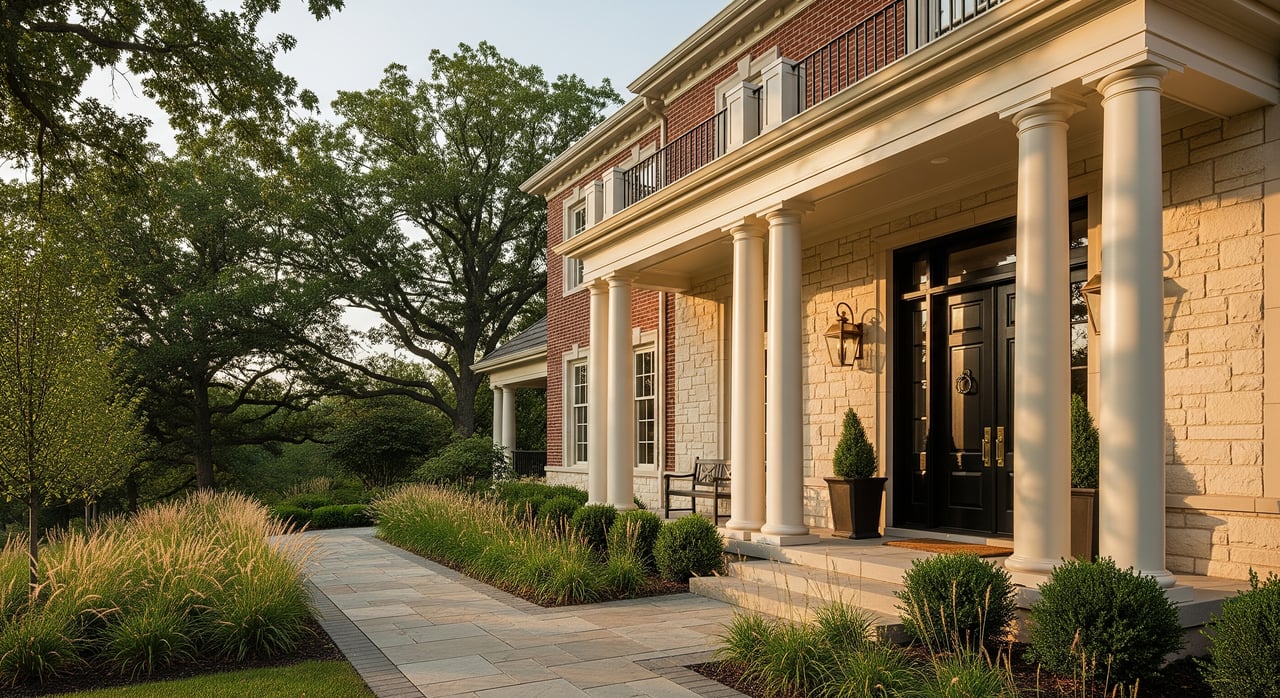
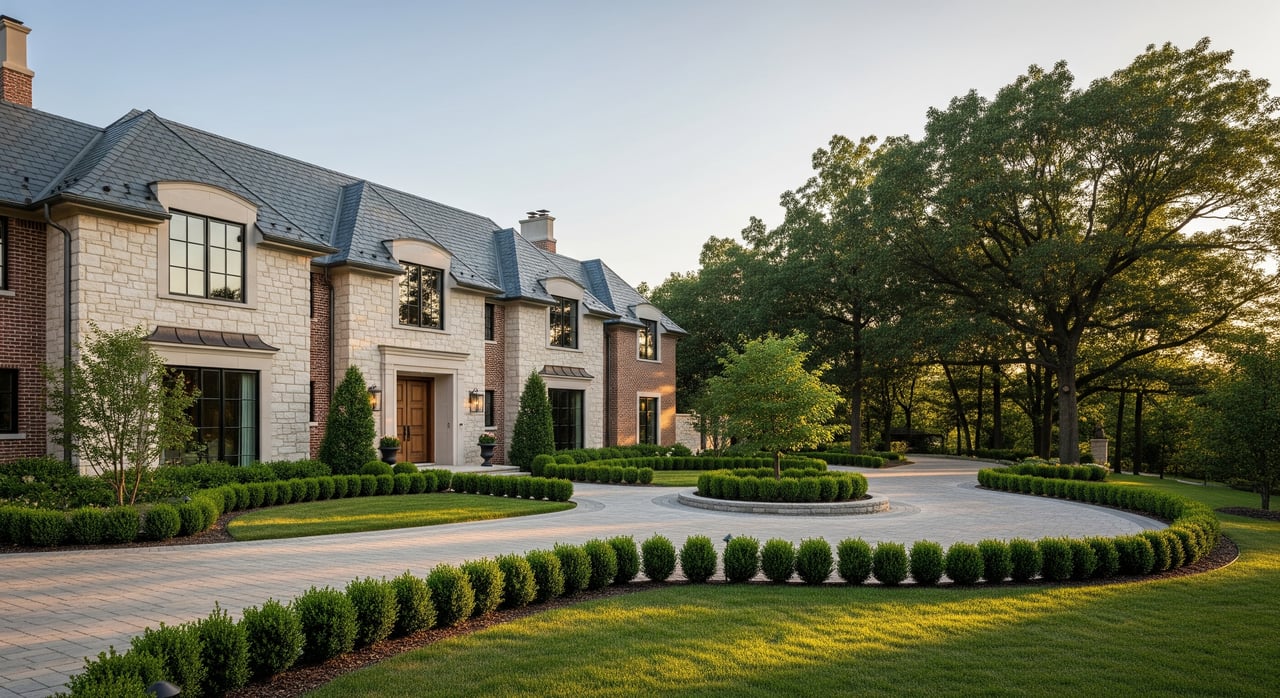
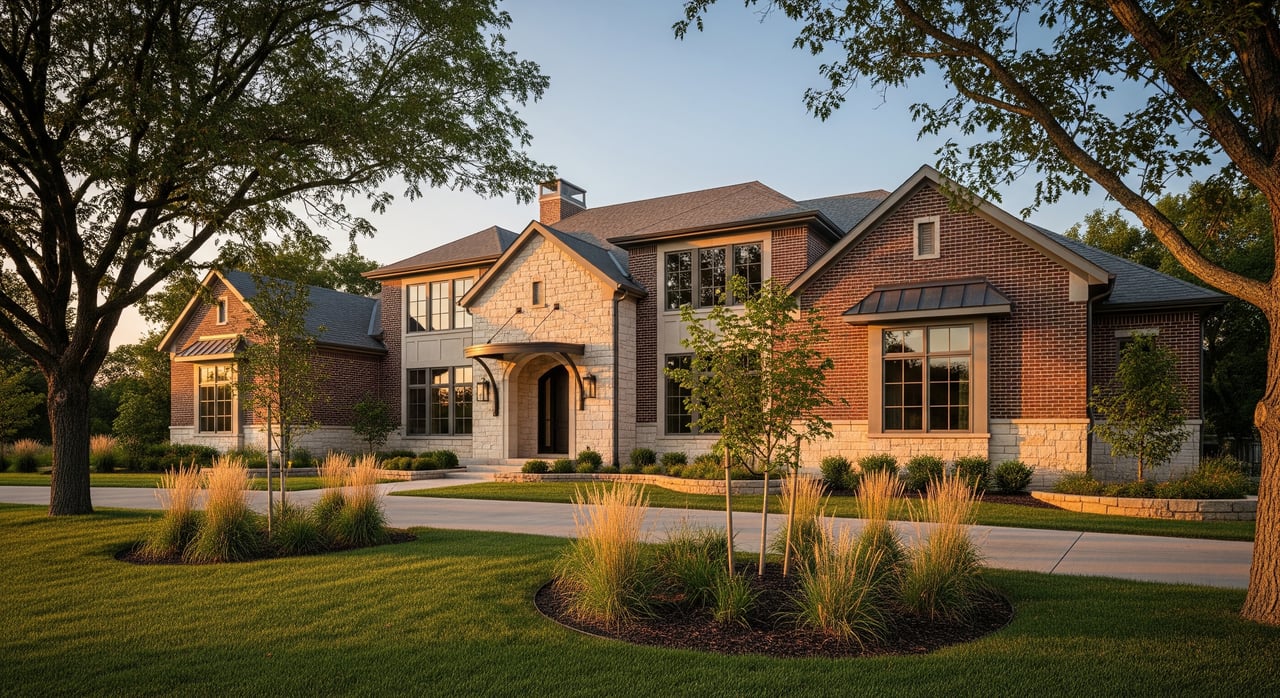
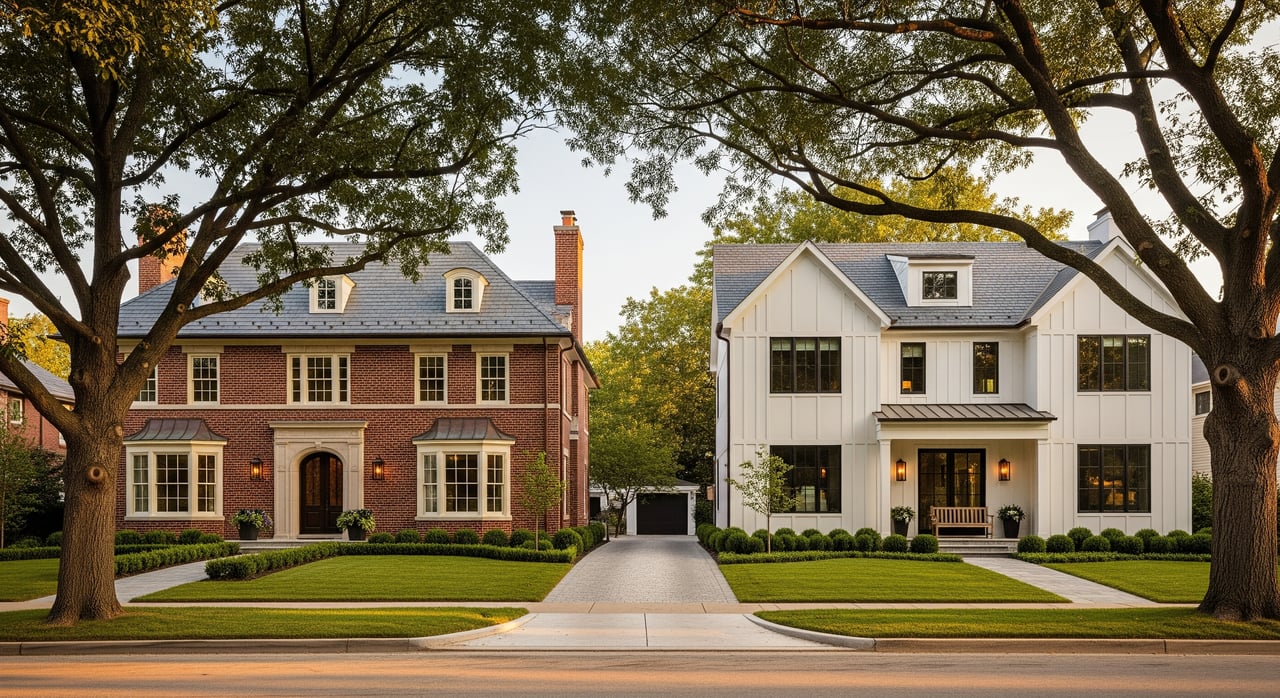
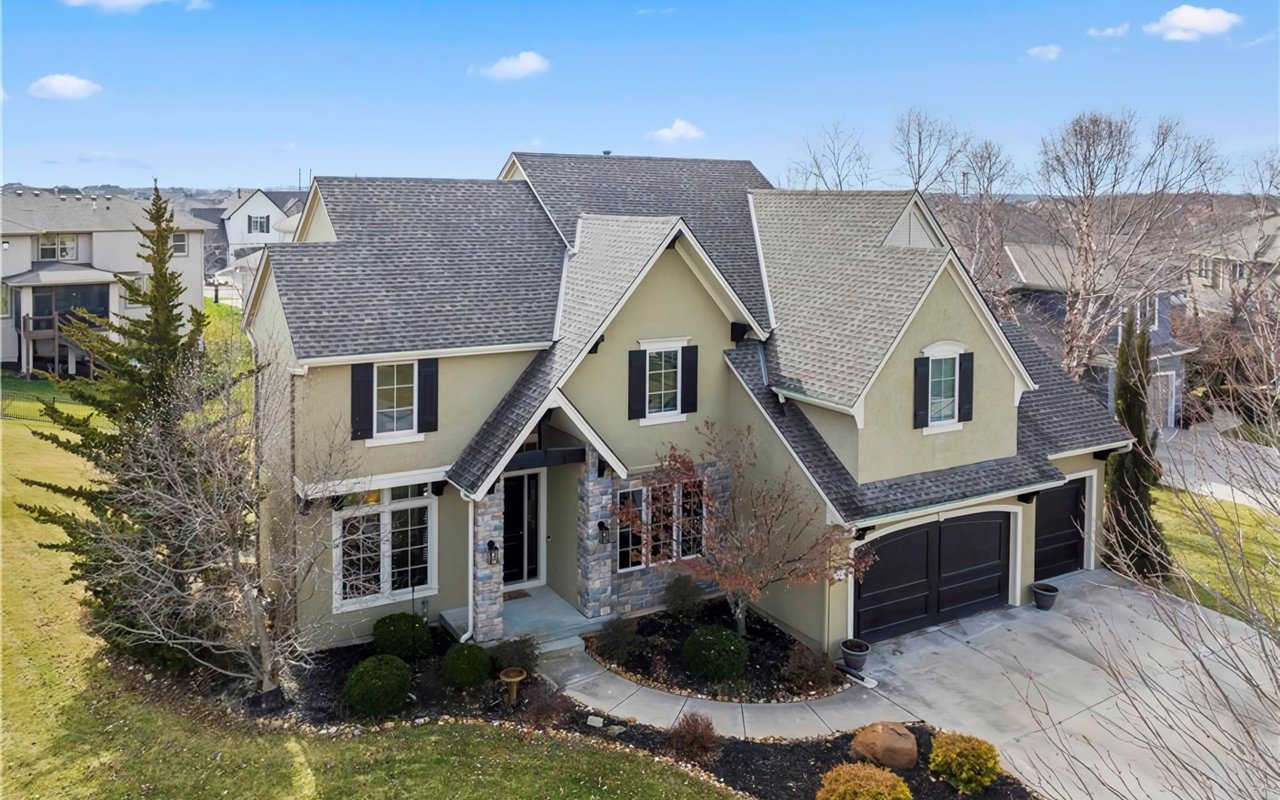
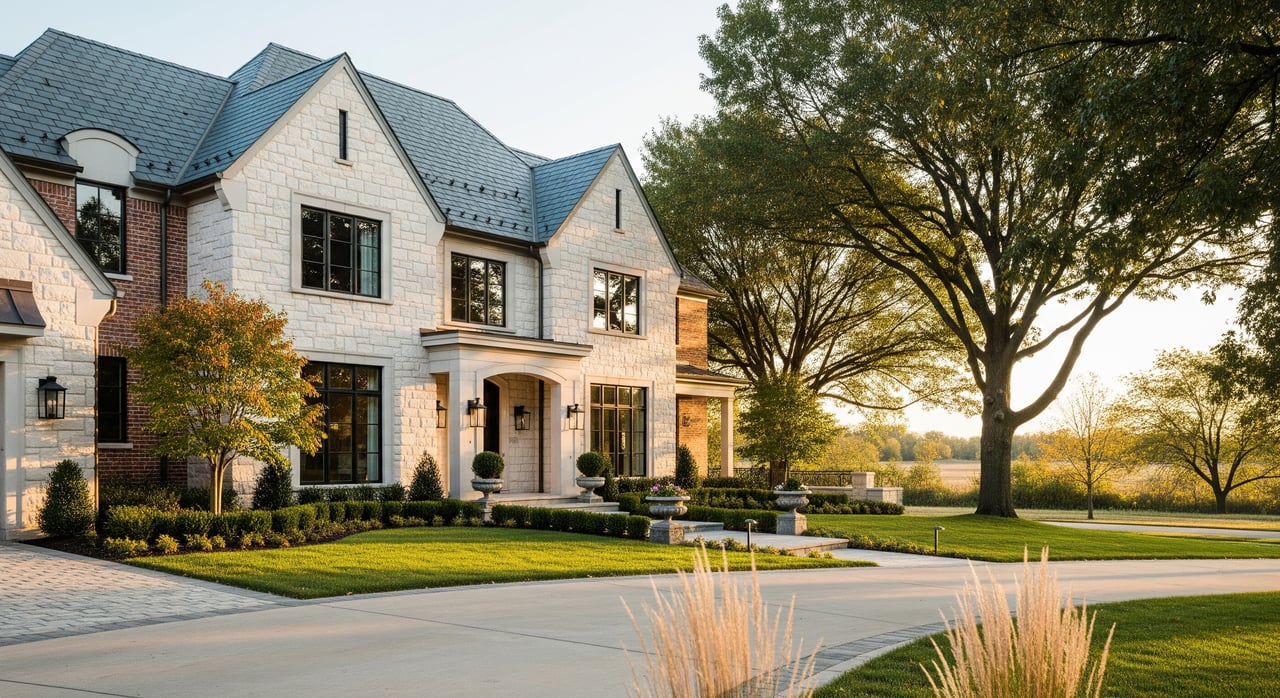
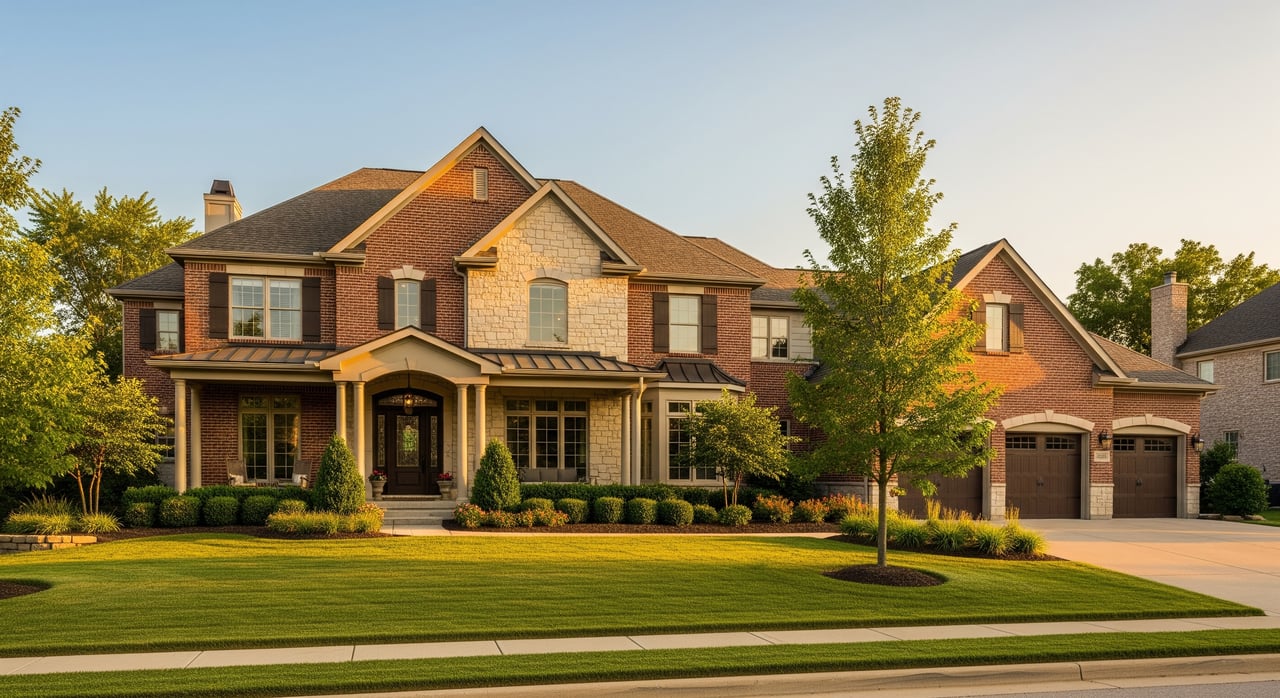
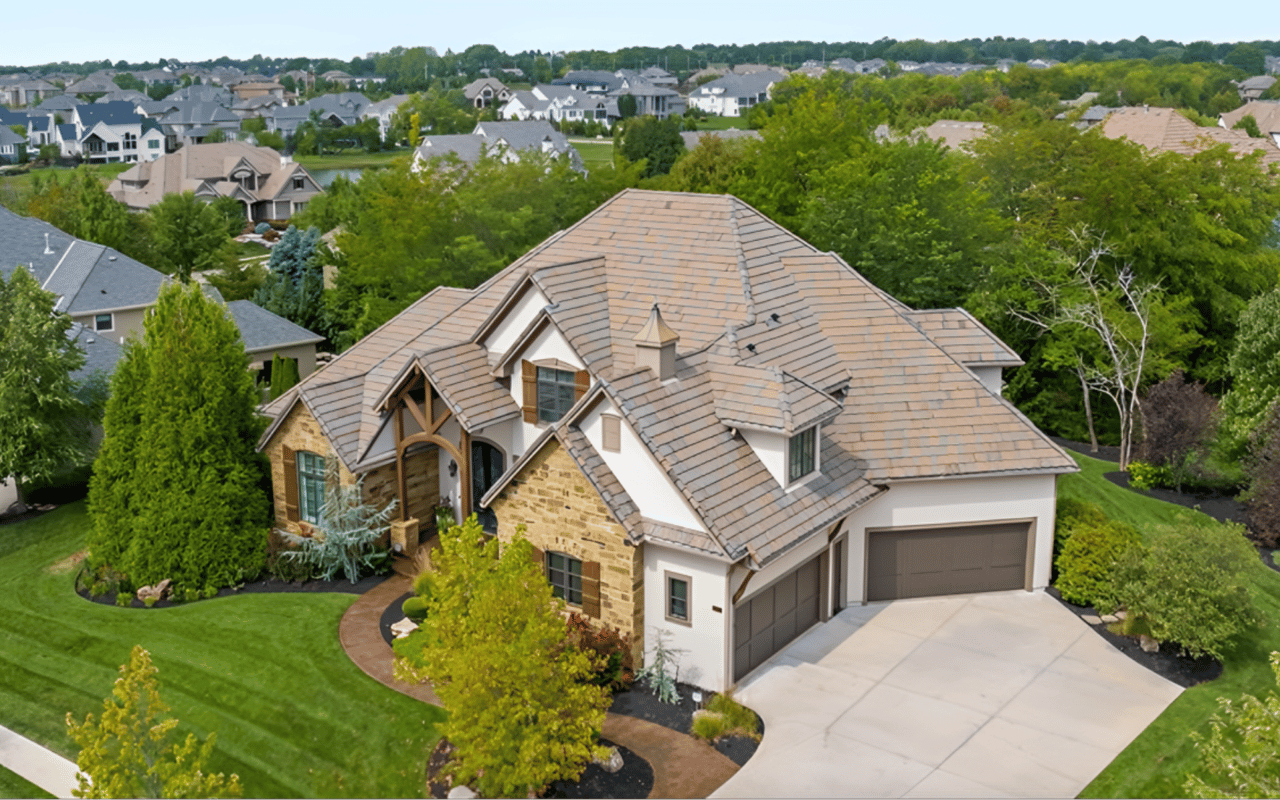
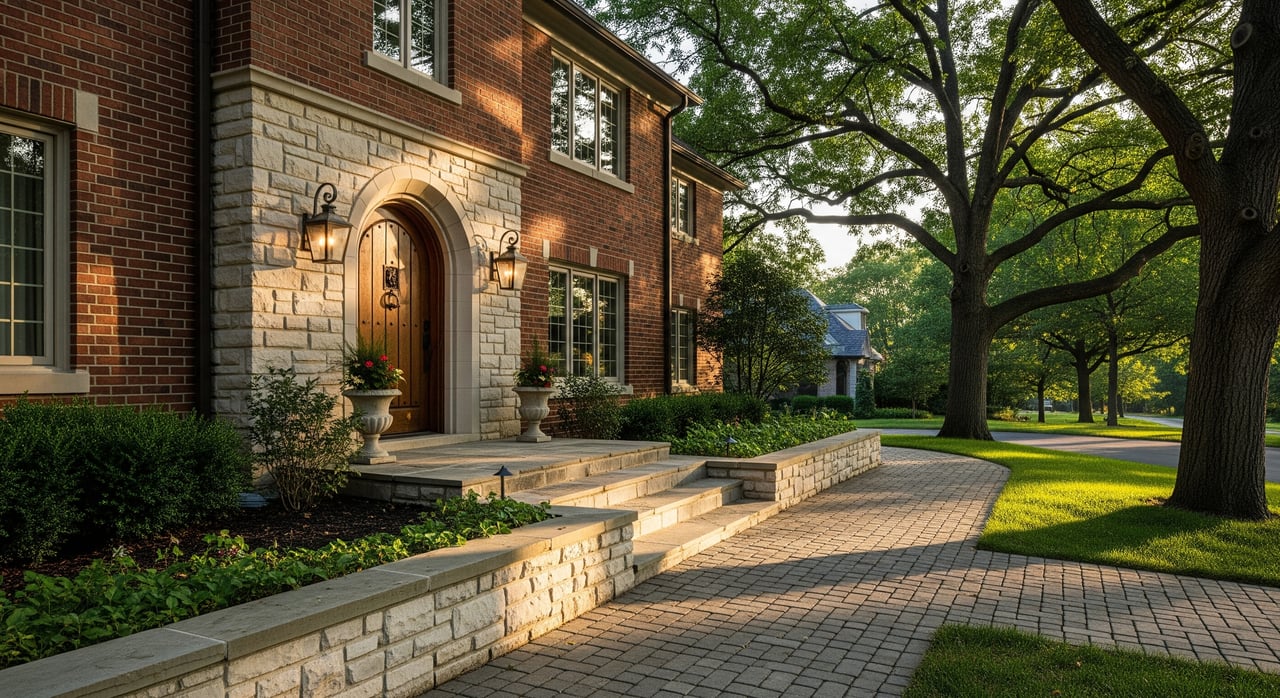
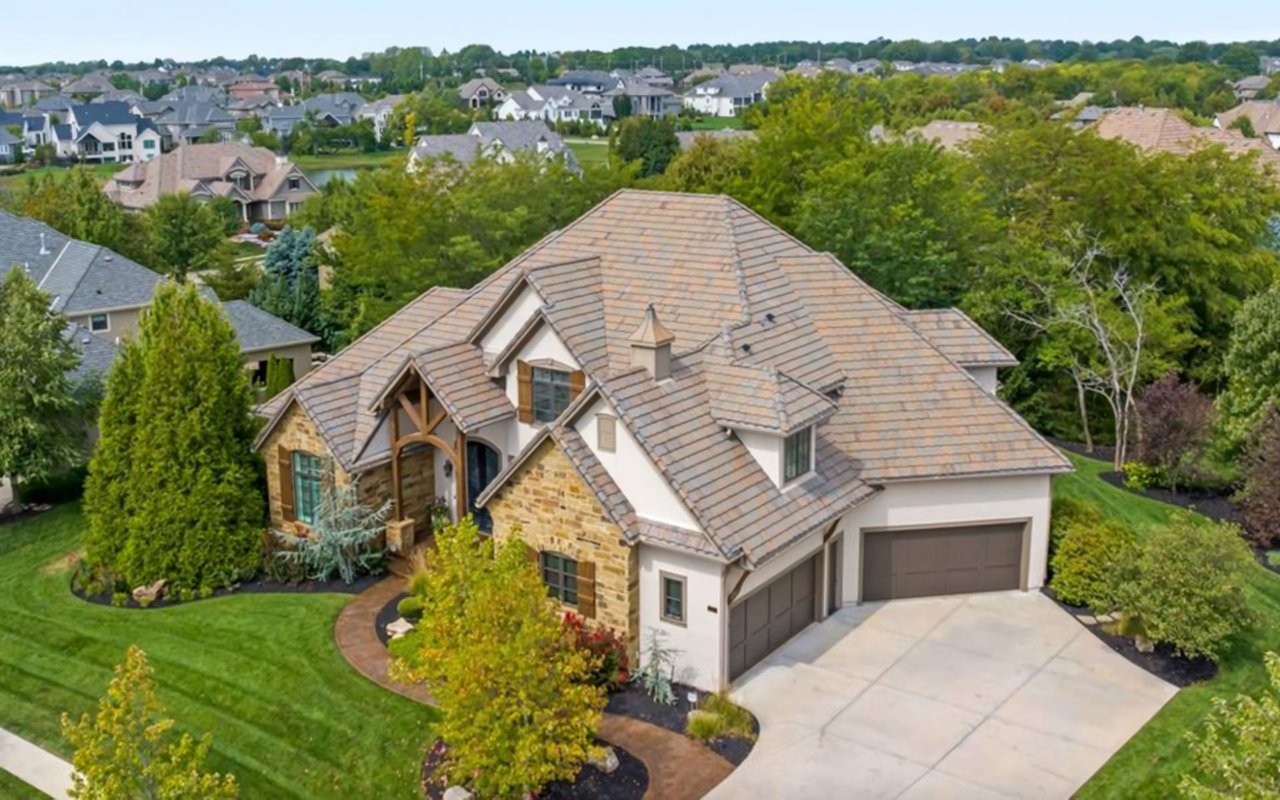
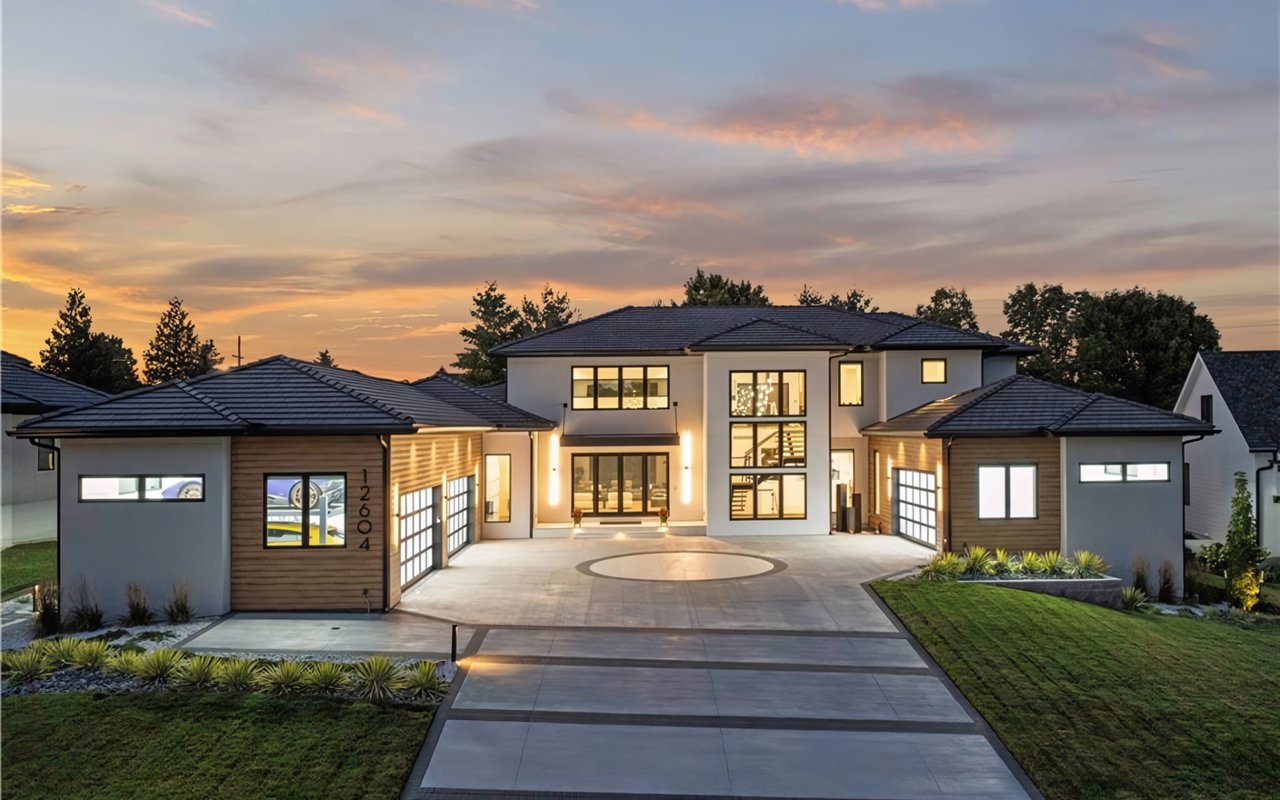
Most properties are single-family detached homes. You will see a broad mix of mid-20th century lake houses, extensively renovated homes, and some newer construction. Lot sizes and architecture vary widely, which creates a dynamic market with unique offerings at different price points.
Waterfront vs off-lake value
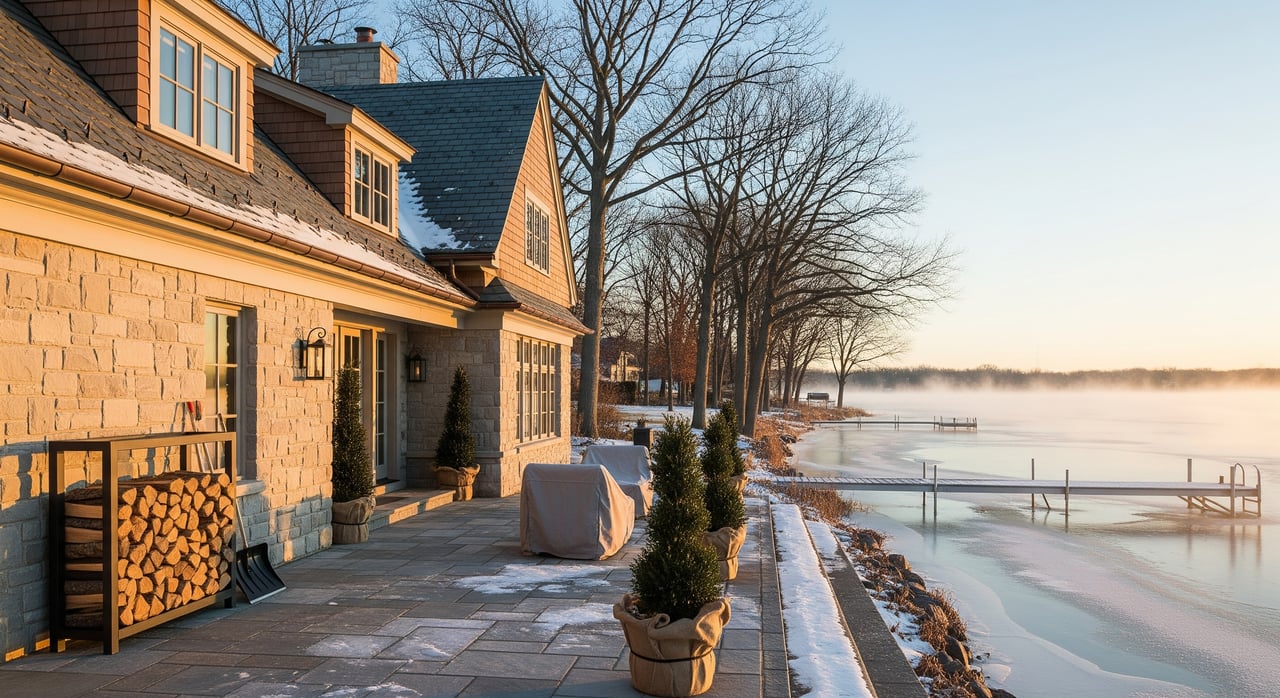
Direct lakefront and immediate-dock-access properties are scarce and usually command a premium. Many listings mention a private dock site number, which signals both value and specific rights you need to verify. Off-lake homes can provide excellent access to amenities at a lower entry cost than prime waterfront.
Price range and market pace
Because there are very few sales in Lake Quivira each year, published medians from market-data providers can swing significantly month to month. A practical way to think about it: many sources cluster values in the mid-to-high six figures up to low seven figures, with premium waterfront sales often well over $1 million. Expect low inventory, unique property features, and a negotiation process that hinges on recent comparable sales and individual home condition.
Dock, shoreline, and lake due diligence
Confirm your dock rights early
Dock sites are often licensed or assigned separately from the deed and are commonly labeled by number in property materials. Before you write an offer, ask for the dock assignment or license documents and verify:
- Whether the dock is deeded, licensed, or association-assigned
- Transferability and any transfer fees
- Maintenance and insurance responsibilities
- Closing paperwork the association or club requires
Inspect shoreline structures and permits
If your property includes a dock, lift, or bulkhead, get a specialist to inspect for rot, fastener corrosion, piling integrity, and anchoring. Review any permits for prior shoreline work and clarify which entity approves future modifications.
Dam safety and flood considerations
The City of Lake Quivira maintains the community’s dams. Request the city’s dam inspection reports, Emergency Action Plan, and recent maintenance history to understand upstream and downstream risk. Start with the city’s overview page and request records from city offices. For flood exposure, always check the FEMA Flood Map Service Center and obtain elevation and insurance quotes for your specific lot before you remove contingencies.
Home inspections for lake living
Use a licensed home inspector and add lake-specific specialists as needed. Key focus areas:
- Roof, flashing, gutters, and drainage performance
- Foundation, basement, and walkout walls for water intrusion and past repairs
- Mechanical systems sized for humidity control and seasonal swings
- Electrical and plumbing in older homes, including galvanized pipes and outdated wiring
- Dock, lift, and shoreline structures for structural integrity and compliance
- Mold and indoor air quality if signs of moisture appear
- Lead-based paint disclosures and optional testing for pre-1978 homes. Learn more about federal requirements from the National Association of REALTORS guidance.
- Sewer confirmation. The city notes responsibility for water and sewer systems, but verify whether your specific property connects to municipal sewer or has a unique setup.
What to request before you write an offer
Gather documents early so you can move decisively:
- Recorded CC&Rs, bylaws, amendments, and architectural guidelines
- HOA annual budget, reserve study or reserve statement, and the last 12 to 24 months of board minutes
- Estoppel letter showing dues status and any pending assessments
- Dock assignment or license documents, maintenance and insurance rules
- Club membership packet with any one-time fees, dues, privileges, and food or beverage minimums
- City records related to dams, EAP, and any shoreline permits or engineering affecting the lot
- Property condition disclosures and invoices for major repairs to docks, seawalls, or foundations
Lifestyle highlights for golfers and boaters
Your on-water and on-course routine
A typical week might start with a morning range session, a short workday, and a sunset paddle or ski run. The course suits casual twosomes and competitive club events alike, and junior programming keeps kids engaged. On the water, resident clubs and seasonal events keep the lake active. The lake is seasonally stocked, according to regional fishing sources, which supports a healthy angling scene for residents who want to cast before dinner. You can explore club programming at the Lake Quivira Country Club and sailing at the LQYC. Anglers can review lake context via fishing sources.
Step-by-step buying game plan
- Orientation and fit
- Tour the neighborhood by water and by road to grasp dock locations, course proximity, and access points. Decide whether waterfront or off-lake aligns best with your goals and budget.
- Financial planning
- Budget for the one-time foundation or membership fee, monthly association dues, potential club tier dues, and dock-related costs. Get written confirmation of all amounts and payment timelines from the club and association.
- Market education and search
- Review recent comparable sales and active inventory with your agent to understand premiums for view corridors, dock type, and renovation level.
- Offer structuring
- Include time to review HOA and dock documents. Clarify which entity must approve changes to the home or shoreline and factor that into contingencies.
- Inspections and insurance
- Order a general inspection plus specialists for shoreline and dock structures. Pull FEMA maps, seek elevation certificates if needed, and obtain flood insurance quotes before removing contingencies.
- Membership and dock logistics
- Coordinate with the club on membership onboarding and with the association on dock transfer steps, fees, and insurance requirements.
- Closing and move-in
- Confirm final estoppel letters, dock paperwork, and any access credentials. Schedule orientation for amenities, boat registration, and club privileges.
Is Lake Quivira right for you?
You will likely love Lake Quivira if you want a private, gated setting where golf and the lake shape daily life. You value a close-knit community with organized programs for all ages. You are comfortable confirming details across multiple entities and budgeting for both one-time and ongoing fees tied to the club and the association. If that sounds like you, this community can deliver a rare, year-round resort feel close to the Kansas City core.
Ready to explore listings, memberships, and dock details with a local guide who knows the process start to finish? Connect with Bryan Huff to map your plan and book a private tour.
FAQs
How does membership work at Lake Quivira?
- Residents hold a foundation-style membership, and the club offers additional golf and fitness/social tiers; request the official packet from the club for current fees and privileges.
What is included in monthly HOA fees at Lake Quivira?
- Recent listings commonly note trash, recycling, security, some grounds maintenance, and access to amenities, but you should verify the current budget and inclusions with the association.
How are docks assigned and transferred at Lake Quivira?
- Many homes reference a numbered dock site that is licensed or assigned separately; confirm transferability, fees, maintenance, and insurance requirements with the association and club before you write an offer.
Do I need flood insurance for a Lake Quivira home?
- It depends on your specific lot; check the FEMA Flood Map Service Center and get insurer quotes and elevation data during your inspection period.
What are typical home prices in Lake Quivira?
- Values range from the mid-to-high six figures into the low seven figures, with premium waterfront often well over $1 million; low transaction counts can cause large swings in published medians.
Who maintains the dams at Lake Quivira?
- The City of Lake Quivira is responsible for the community’s dams; request inspection reports and the Emergency Action Plan from city offices for due diligence, starting with the city’s overview.