Looking for a neighborhood with close-in convenience, mature trees, and homes that feel full of character? Westwood and its nearby pocket communities offer a different experience from many larger Johnson County suburbs. If you want a quick feel for how Westwood, Westwood Hills, and Mission Woods compare, this guide will help you understand the setting, housing, lifestyle, and practical ownership details that matter most. Let’s dive in.
Why Westwood Feels Different
Westwood is a small first-tier suburb in northeast Johnson County with roughly 0.4 square miles of land and an estimated 2,093 residents in 963 housing units, according to Census Reporter’s 2024 ACS profile. The city describes itself as a close-in community with access to the Country Club Plaza, downtown Kansas City, and KU Med on its About Westwood page.
That close-in setting is a big reason buyers often look at Westwood alongside Westwood Hills and Mission Woods. These are very small, connected communities near each other, and Westwood even provides some municipal services to Mission Woods and Westwood Hills, as noted by the City of Westwood. In day-to-day real estate terms, they tend to function more like a cluster of micro-markets than totally separate worlds.
Another difference is land use. Westwood is not purely residential, and the city notes that it includes KU Hospital facilities, corporate offices, and retail uses in addition to housing. That mixed-use feel can make some areas feel a little more active than the nearby pocket communities, which lean more residential.
Westwood, Westwood Hills, and Mission Woods
Westwood at a glance
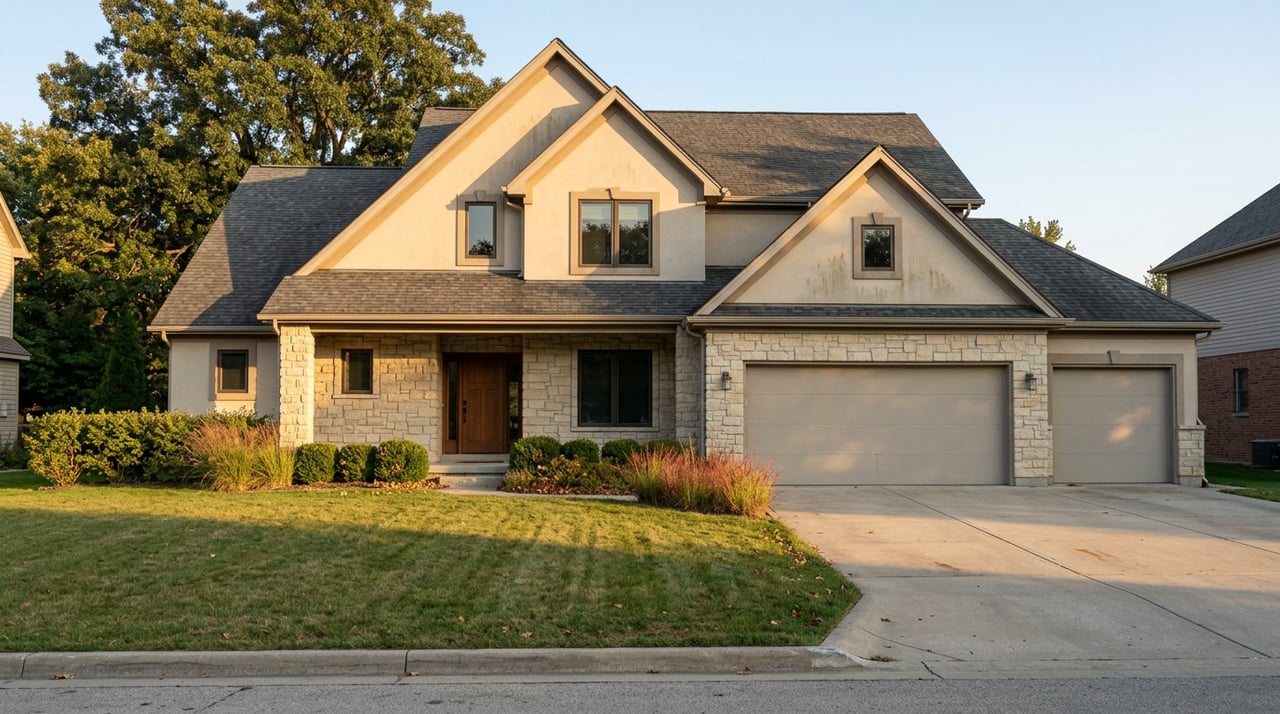
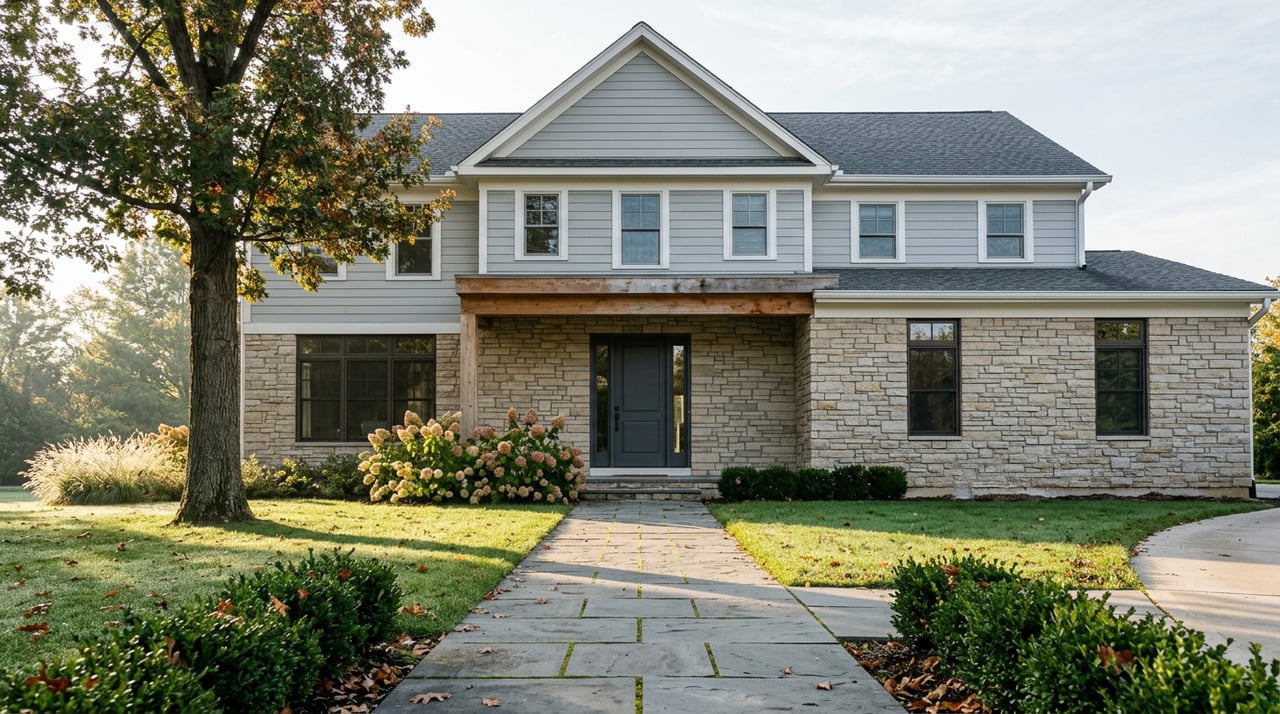
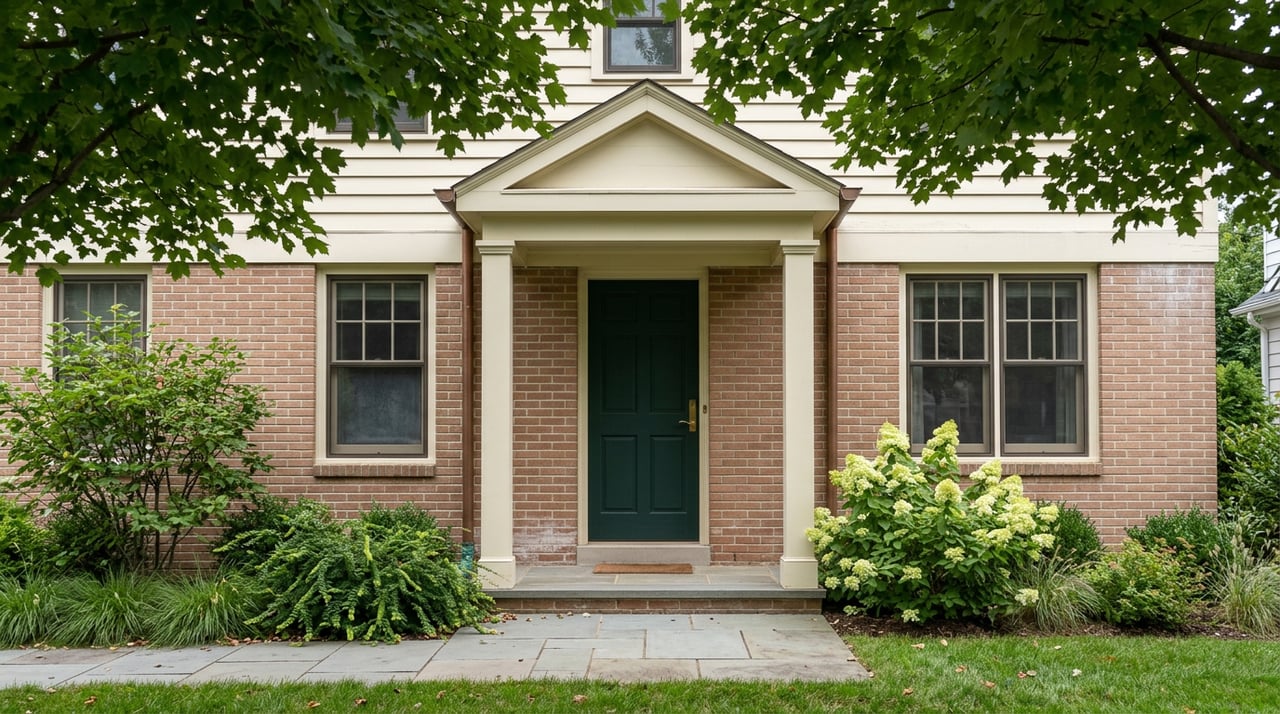
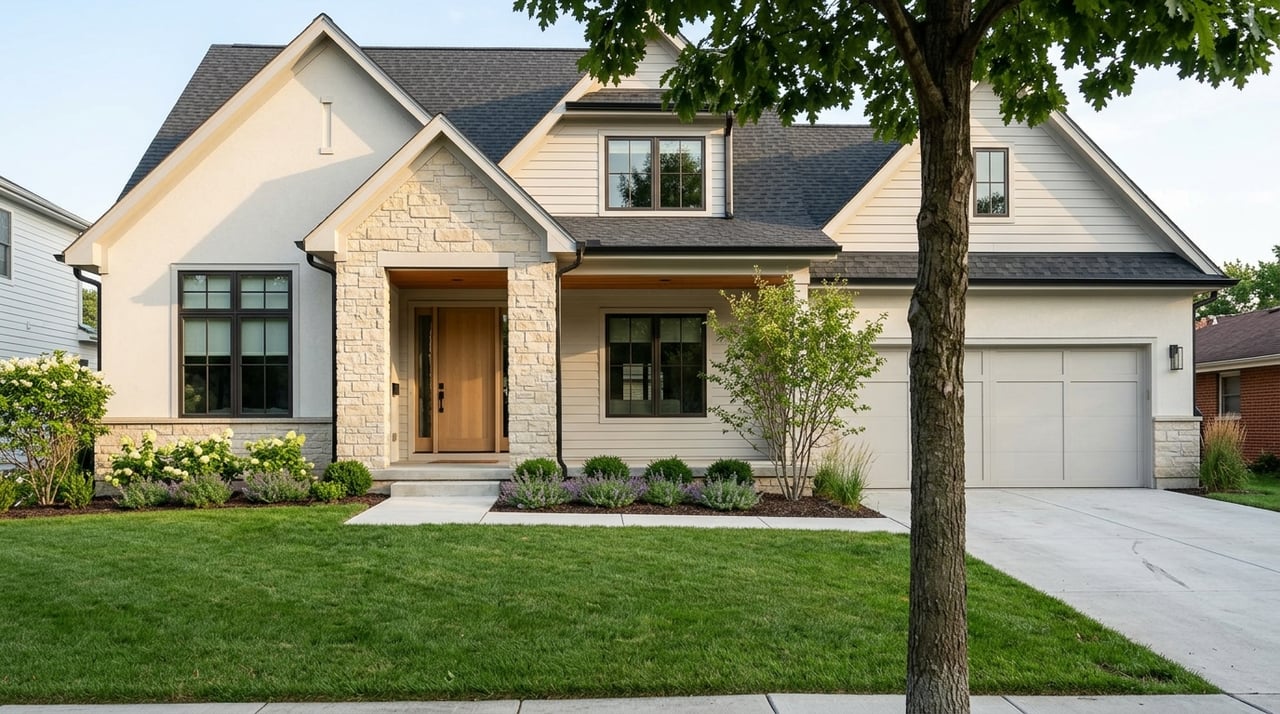
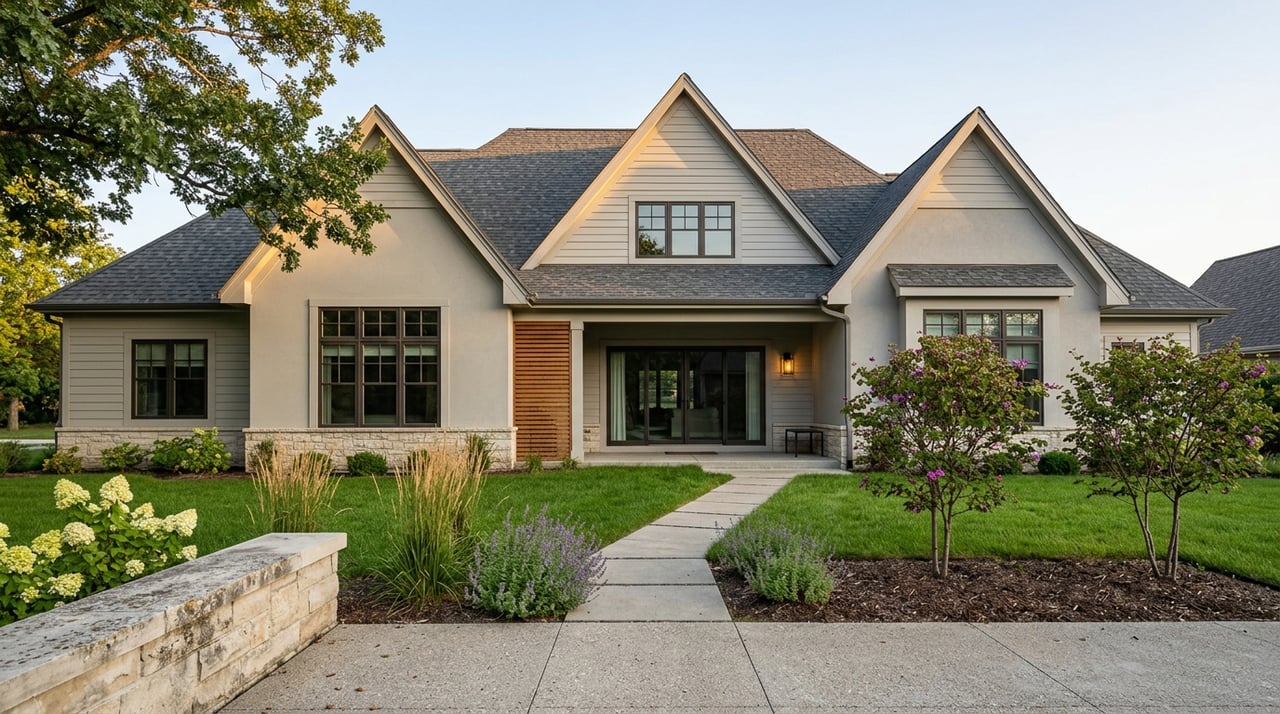
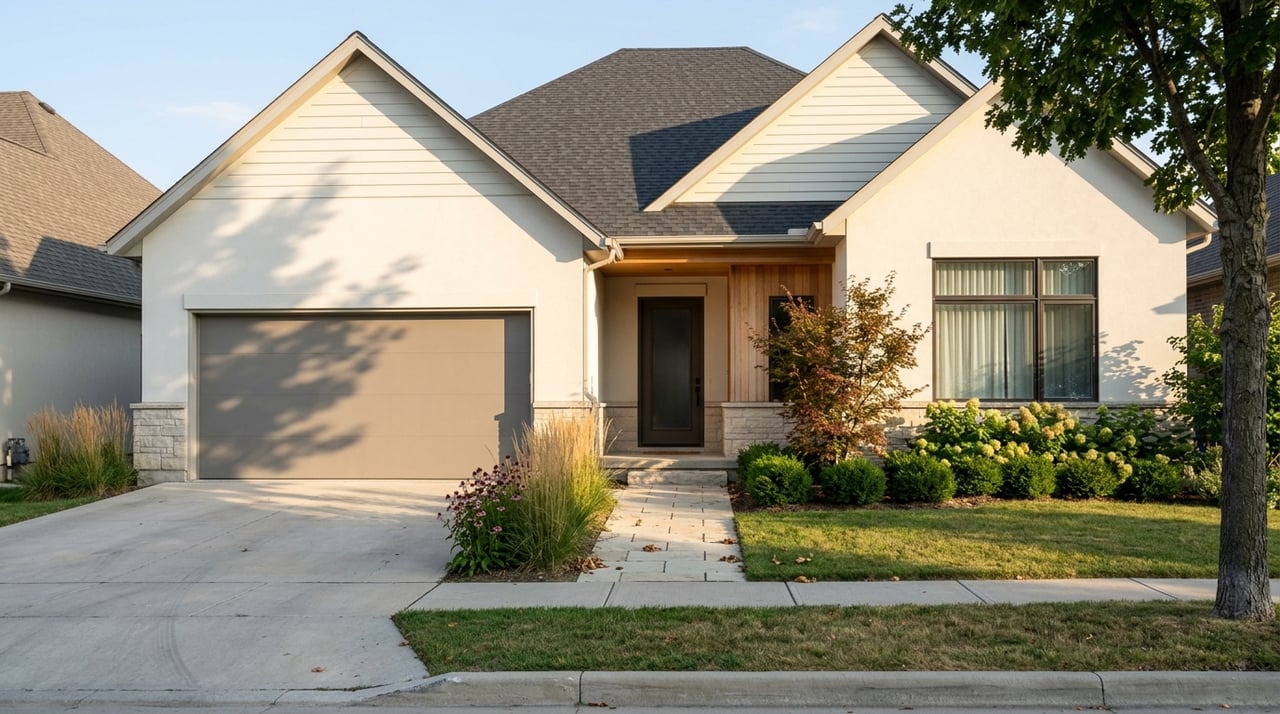
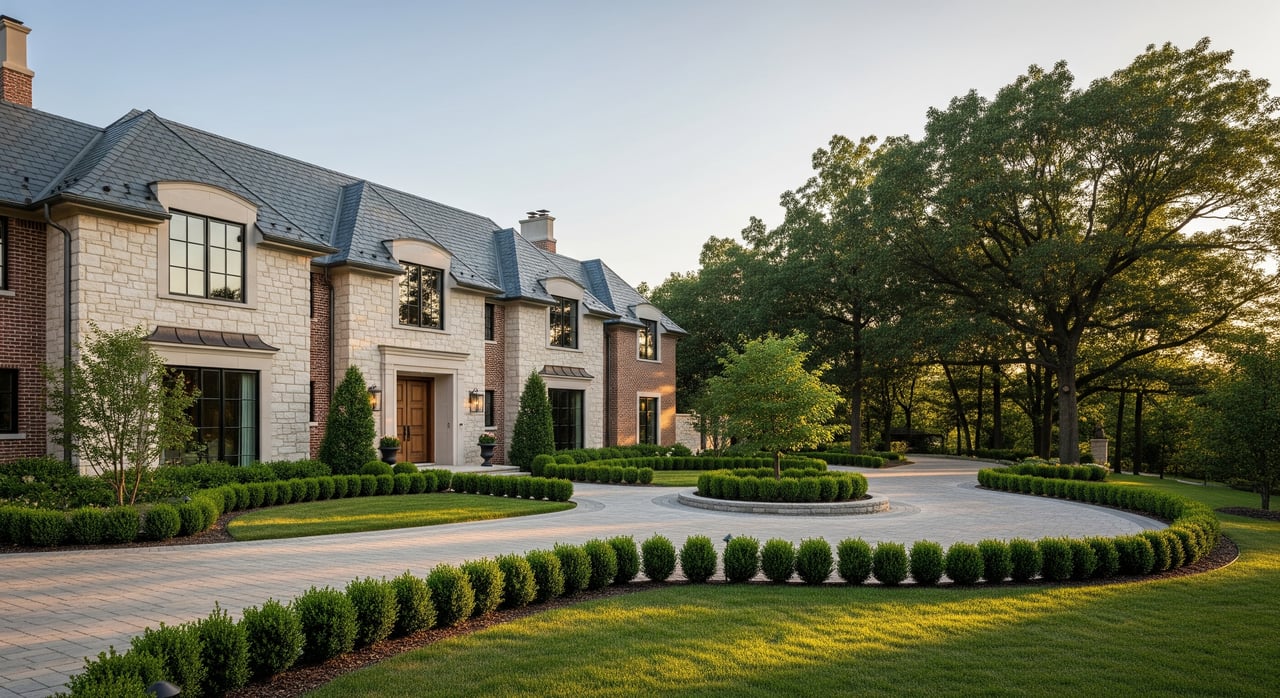
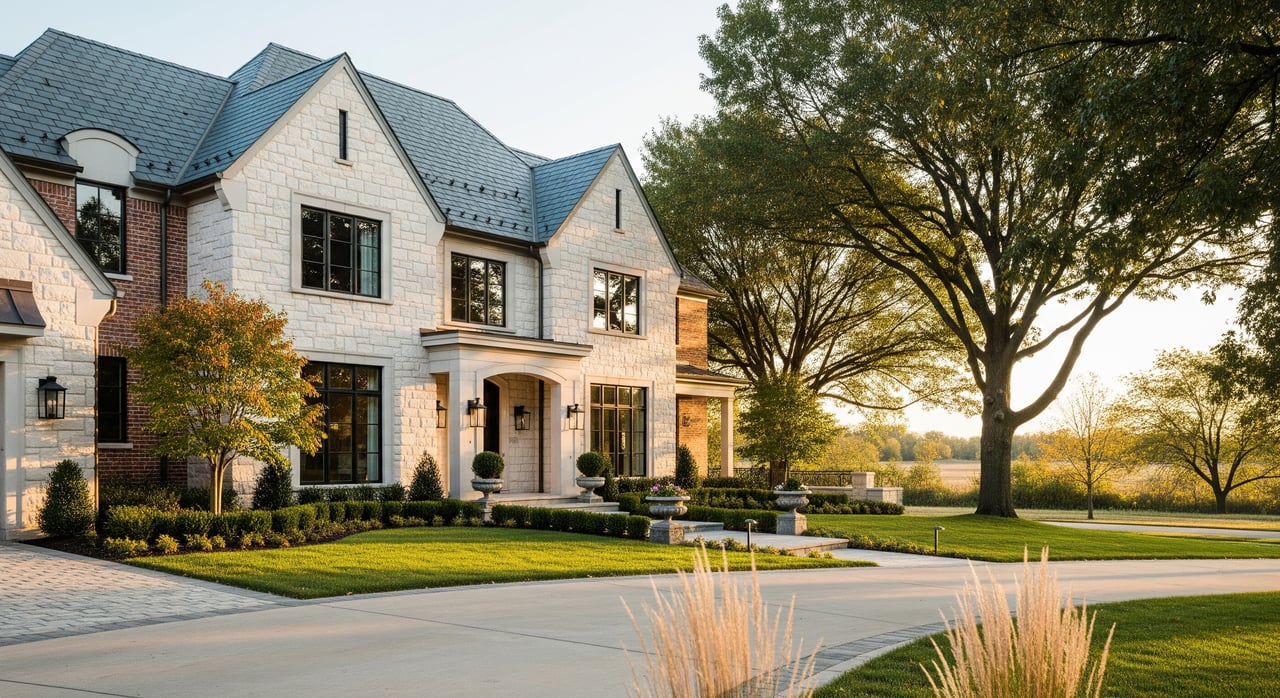
Westwood has the largest housing base of the three communities, but it still feels small compared with many Johnson County suburbs. The city’s comprehensive plan says nearly all homes are single-family detached, and about 90% of housing units were built before 1960.
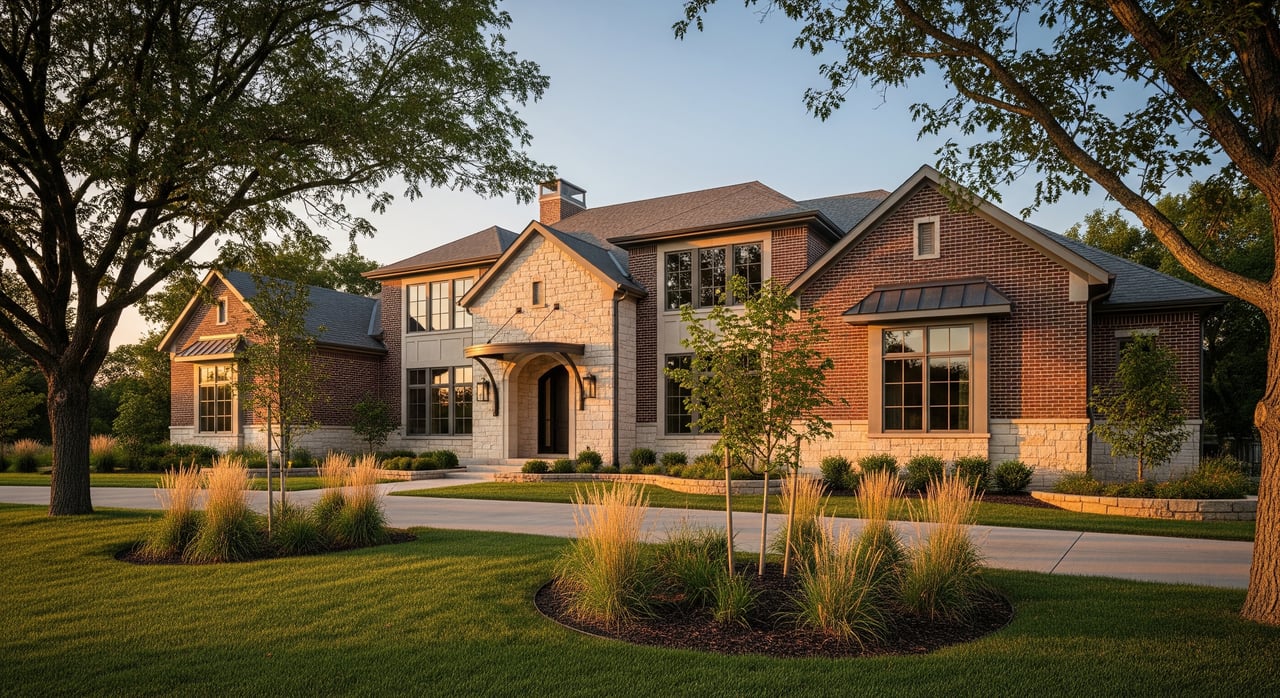
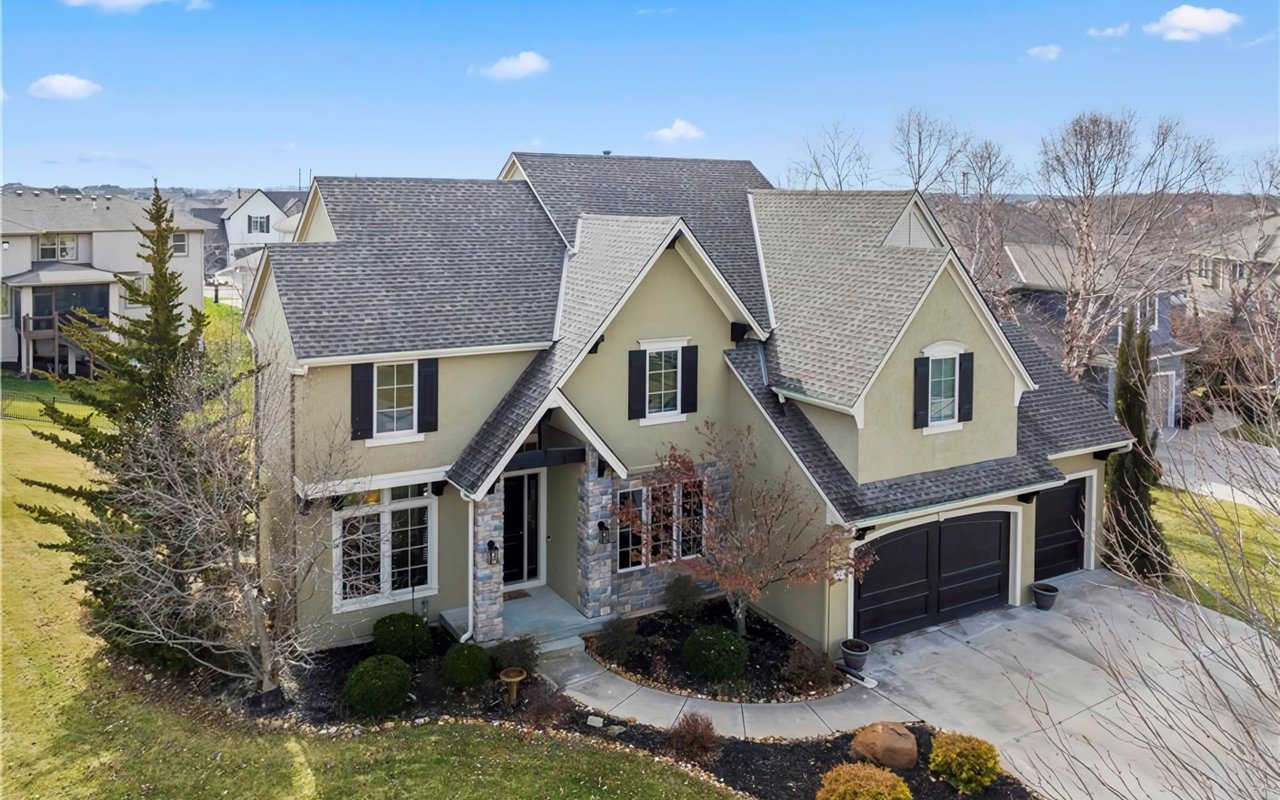
What stands out most is variety. Westwood developed mostly lot-by-lot rather than as a single master-planned neighborhood, according to the same plan. That means you will see a more eclectic mix of homes and lot sizes instead of a uniform streetscape.
Westwood Hills at a glance
Westwood Hills is even smaller, with the city reporting 175 homes within its boundaries on the city overview page. The whole community is also a National Historic District, which gives it a very distinct architectural identity.
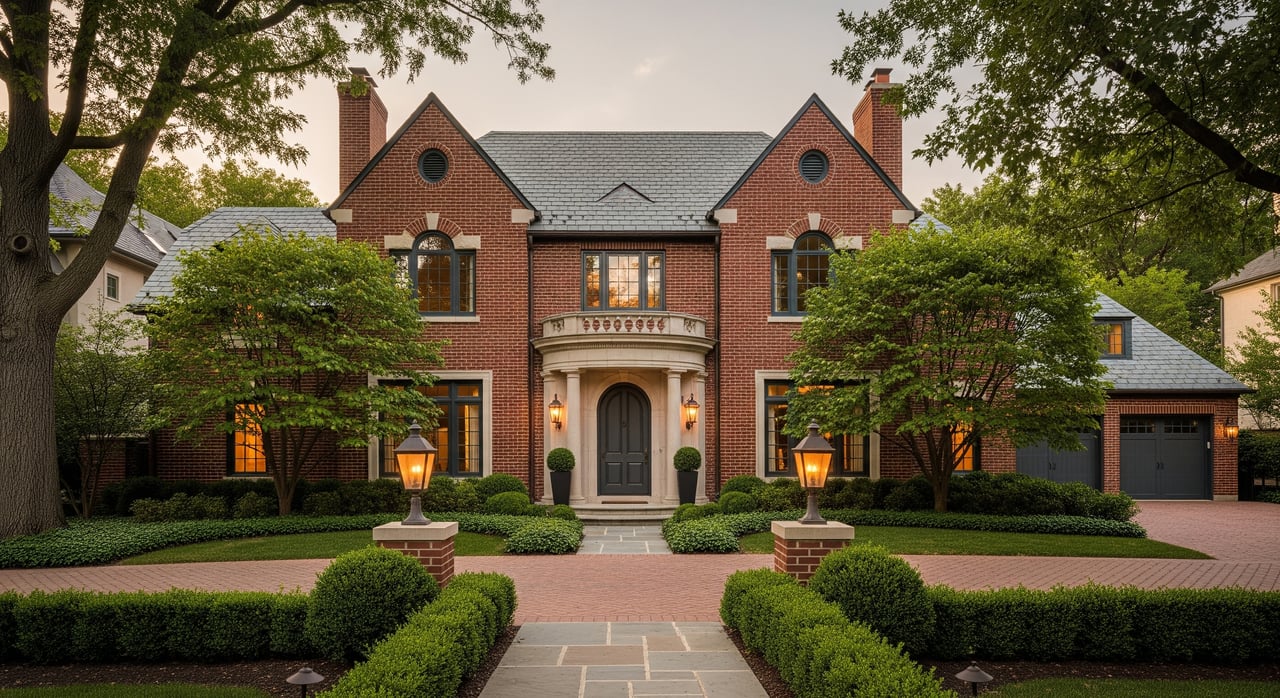
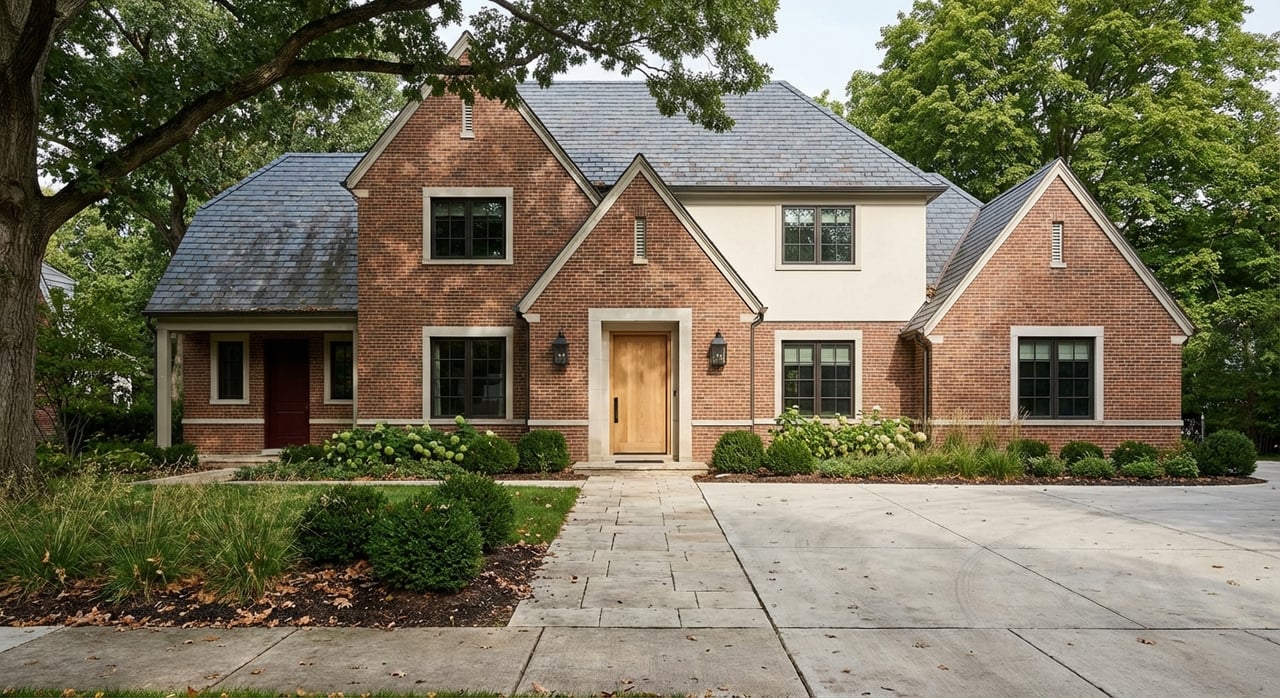
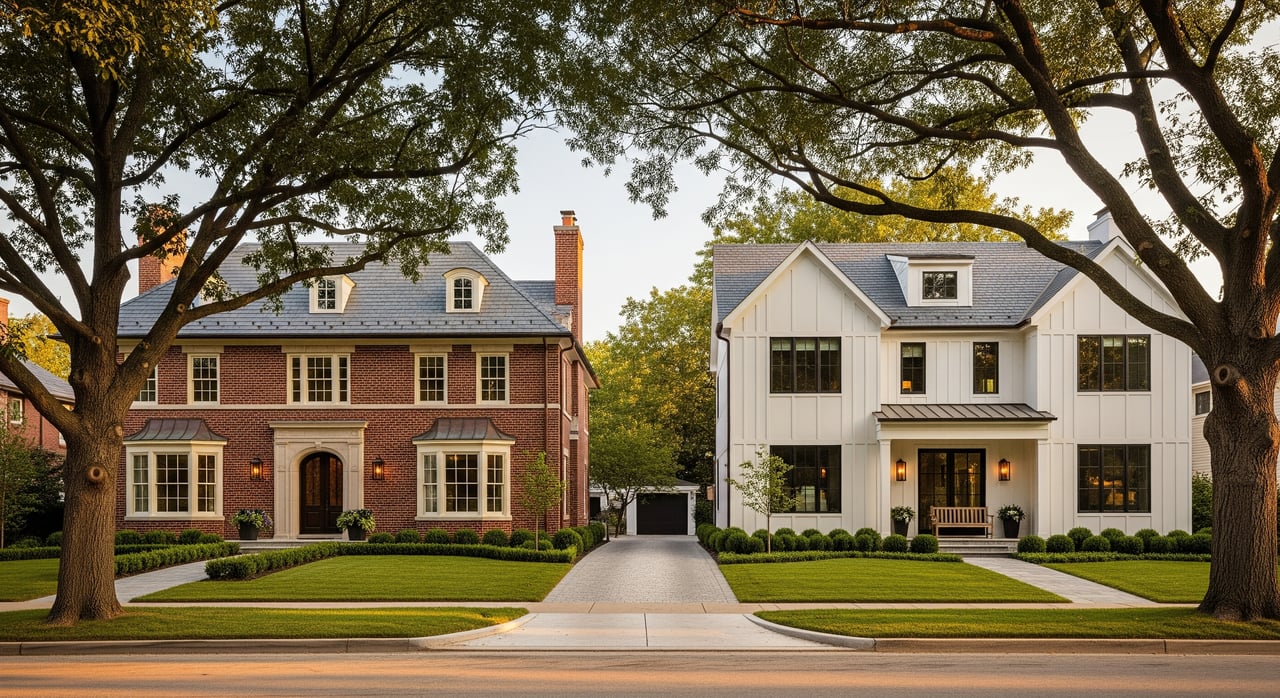
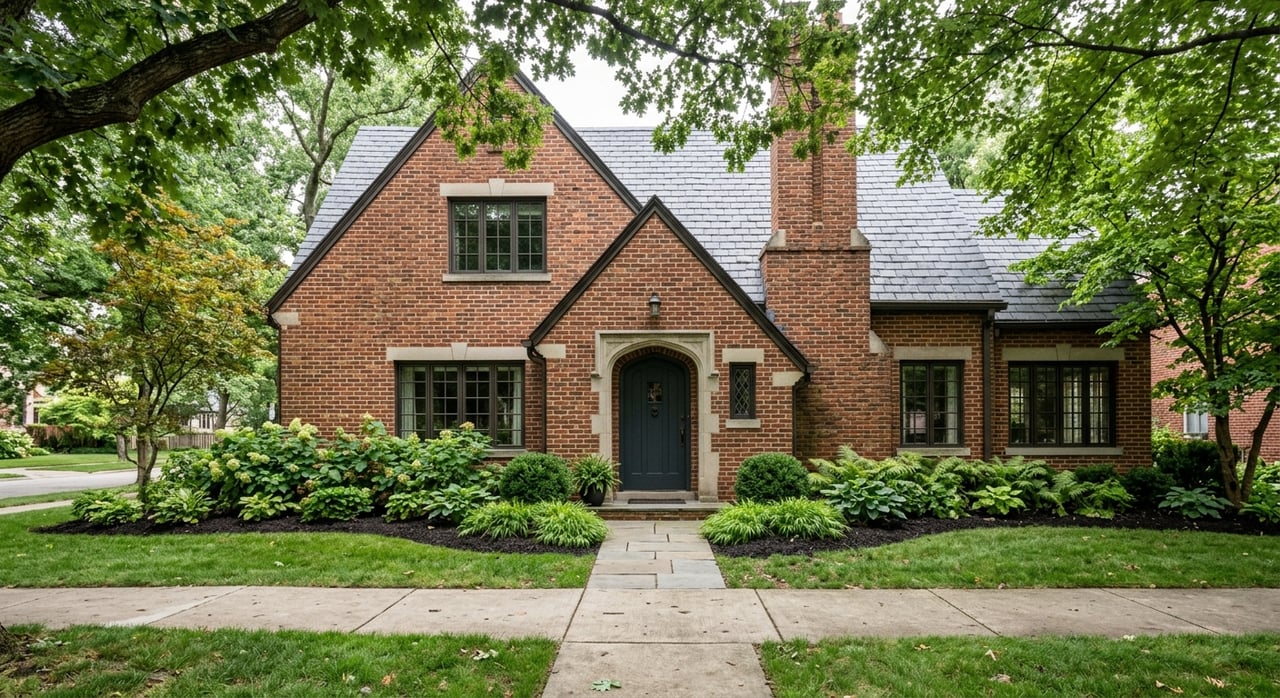
The Kansas Historical Society information cited by the city identifies styles such as Tudor Revival, Colonial Revival, Bungalow/Craftsman, and Italian Renaissance. If you are drawn to historic character and a cohesive visual feel, Westwood Hills often stands out quickly.
Mission Woods at a glance
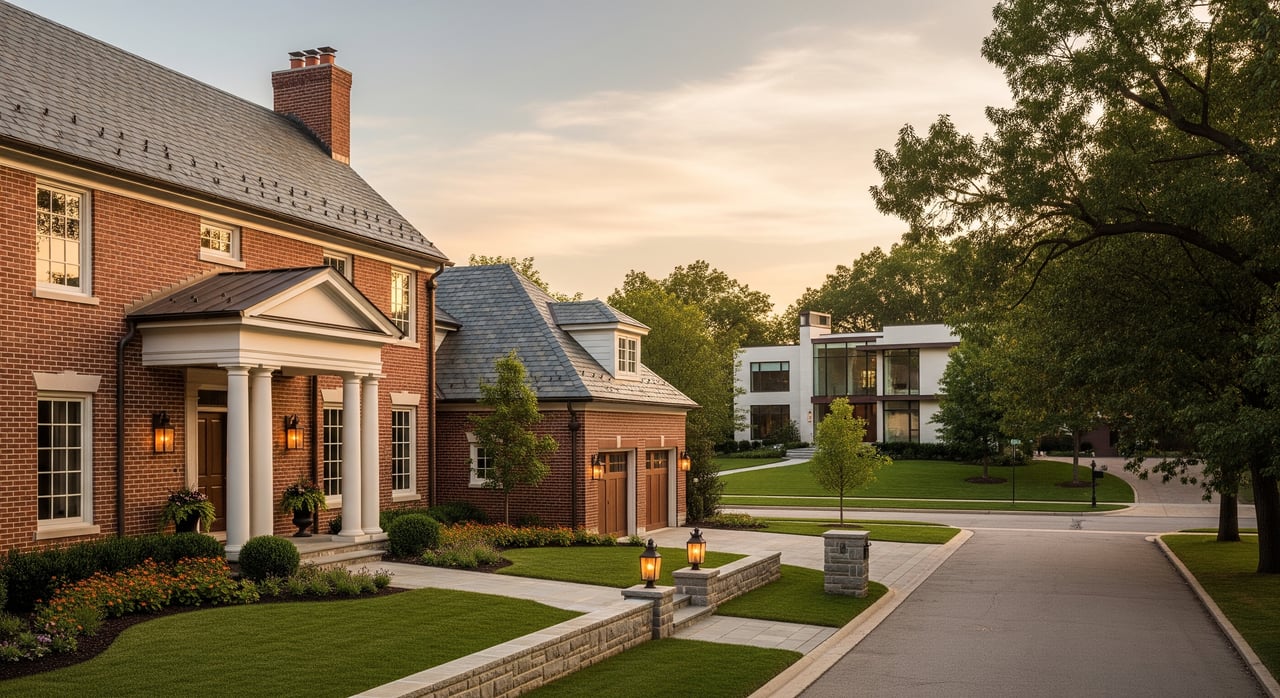
Mission Woods is smaller still, with the city describing about 80 homes on four tree-lined streets in its history overview. It developed later than Westwood Hills, beginning in 1937, but still has a strong early suburban character.
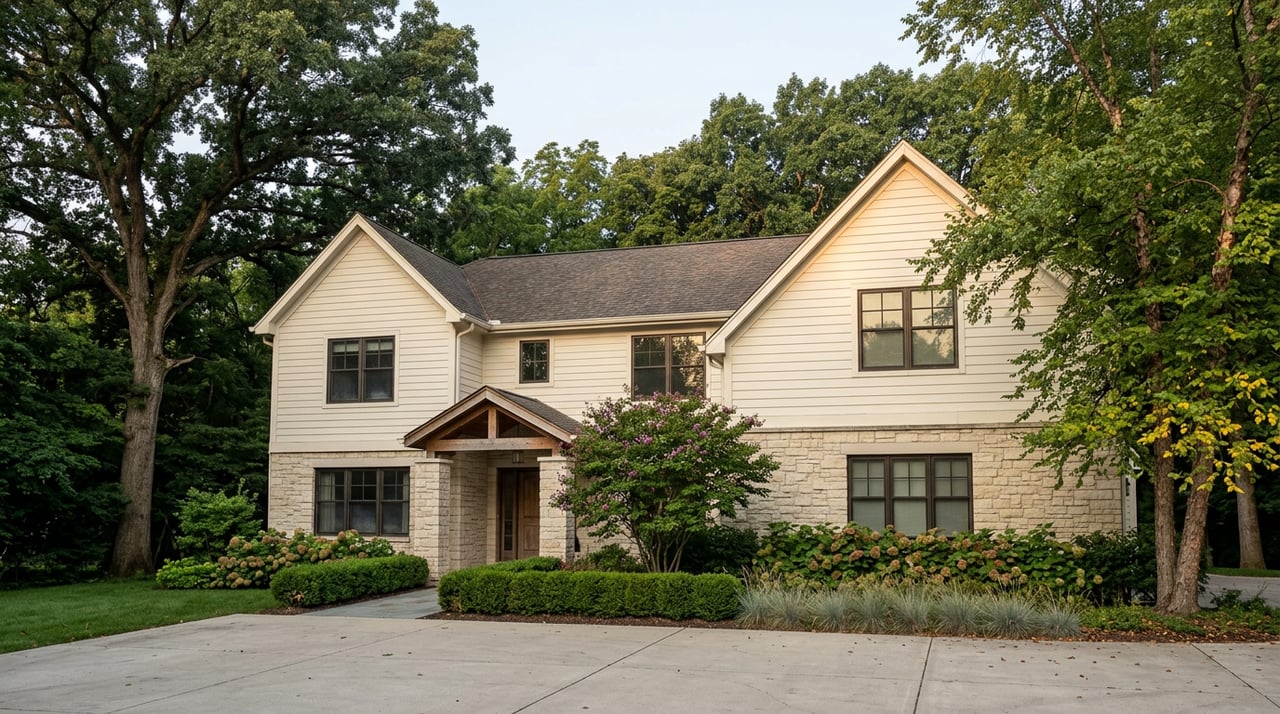
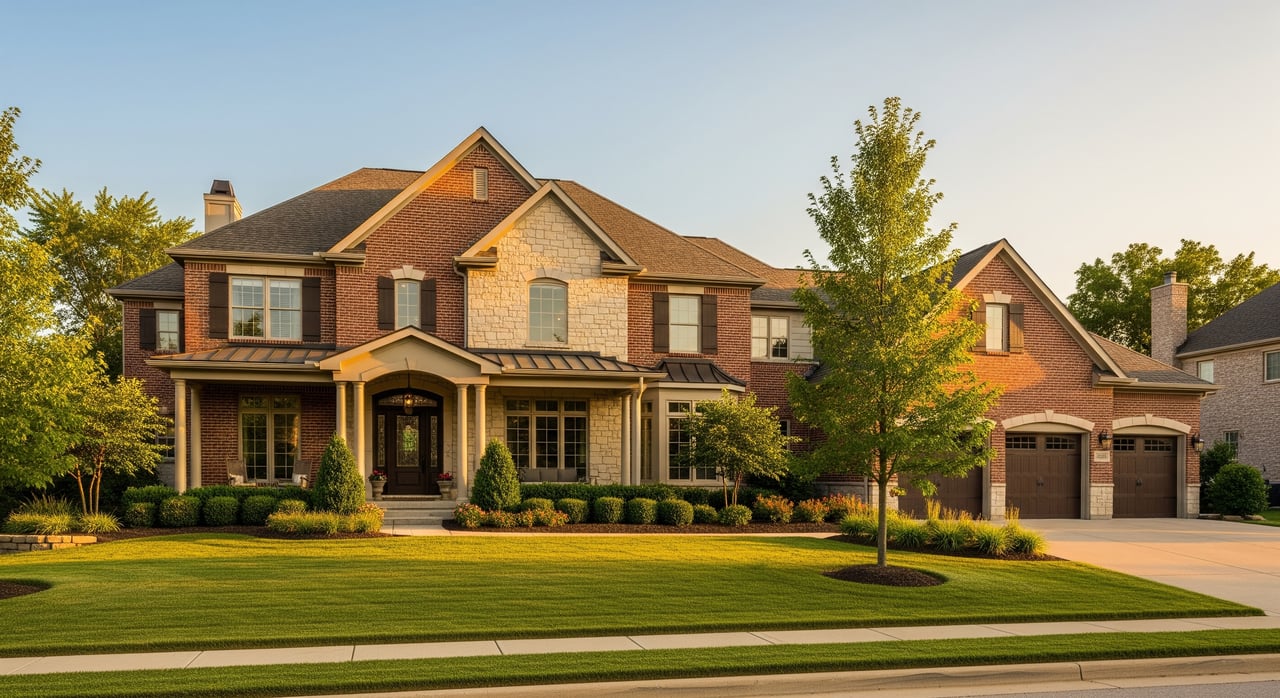
The Johnson County survey summarized by the city says Colonial Revival is the most prevalent style in Mission Woods. The city also emphasizes its small-town feel and close-in location, which helps explain why buyers often consider it when they want charm and convenience in one package.
Home Styles and Lot Patterns
Westwood homes are more eclectic
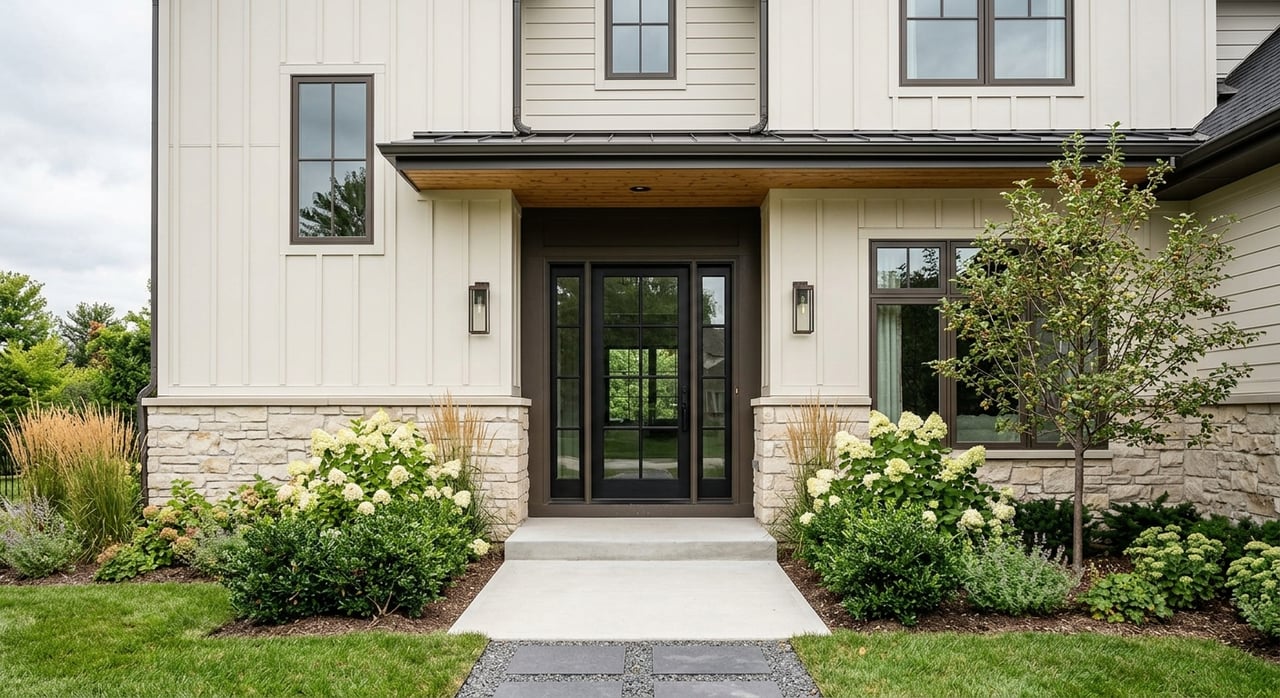
If you like variety, Westwood may appeal to you most. The city’s comprehensive plan explains that housing was built mostly lot-by-lot, without a single unifying style. That gives the neighborhood a less scripted look than many newer suburban developments.
Lot patterns also vary. The same plan reports an average single-family lot size of about 9,250 square feet, with median lots around 4,400 square feet east of Rainbow and 9,065 square feet west of Rainbow. In practical terms, one part of Westwood can feel noticeably tighter and more urban than another.
Westwood Hills has historic consistency
Westwood Hills offers a more unified architectural identity. Its National Historic District page notes 255 resources tied to a 1923 Nichols-platted subdivision, and county survey data cited there points to a strong concentration of Tudor and Colonial Revival homes.
That consistency is part of the appeal. Buyers who want a neighborhood where the architecture tells a clear story often find Westwood Hills especially compelling.
Mission Woods leans Colonial Revival
Mission Woods has a narrower housing palette than Westwood. According to the city’s history page, county survey work found Colonial Revival to be the dominant style there.
The street pattern and tree canopy also shape the feel. With only a handful of streets and a compact number of homes, the neighborhood reads more like a tucked-away enclave than a typical suburb.
Price Range and Size Expectations
These communities are small, so inventory tends to be limited. That means it is smart to think in broad tiers rather than expecting a large sample of active listings at any one time.
According to Census Reporter, 2024 ACS median owner-occupied home values are about $404,200 in Westwood, $564,000 in Westwood Hills, and $750,000 in Mission Woods. Because these are very small places, the margins of error are wide, so these figures work best as directional benchmarks.
Recent listing examples in the research also suggest these homes are often modest-to-mid-size rather than estate-scale. Westwood examples ranged from about 650 to 2,468 square feet, Westwood Hills from about 1,071 to 2,610 square feet, and Mission Woods from about 1,310 to 3,620 square feet. For buyers, that means charm and location may matter more here than sheer square footage.
Everyday Lifestyle and Amenities
Parks and green space
Westwood offers a small but meaningful mix of public green spaces. The city’s parks and recreation page highlights Joe D. Dennis Park at 50th and Rainbow, along with several pocket green spaces and access to nearby regional open spaces.
That park plays an important community role. The city says it hosts events like the annual Egg Hunt, Fourth of July fireworks, Movies in the Park, and Oktoberfest, which gives residents a recurring local gathering place.
Trees and streetscape character
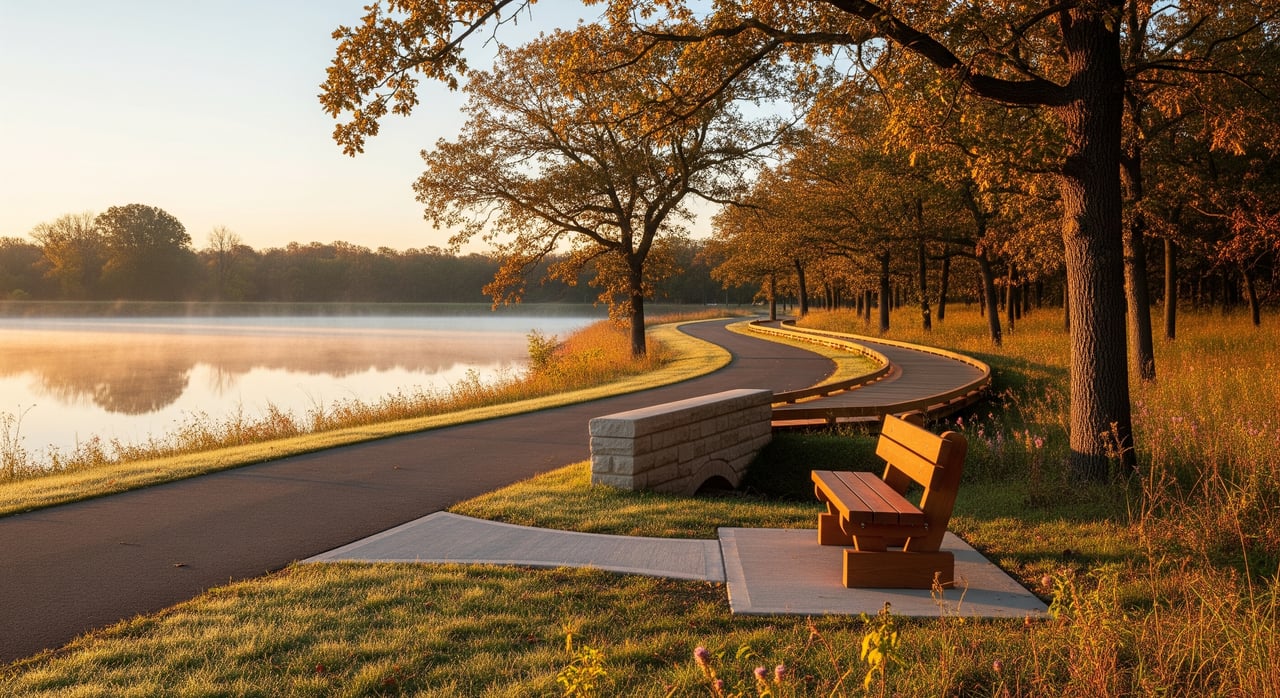
Tree canopy is part of the identity in all three communities. Westwood’s Public Works page notes that the city maintains trees and carries a Tree City USA designation.
Westwood Hills also points to beautification efforts and native-tree planting on its city overview page. For many buyers, that mature greenery is part of what makes these streets feel established and inviting.
Coffee and nearby spots
For a close-in neighborhood, everyday convenience matters. Westwood Hills highlights nearby shops at 50th and State Line, including Hi Hat Coffee, Annedore’s Fine Chocolates, Flying Cow Gelato, and The Little Flower Shop on its city page.
Coffee is also part of the lifestyle story here. Hi Hat Coffee is listed as a neighborhood coffee shop in Westwood Hills, and The Roasterie’s Woodside Café is another nearby option convenient to the KU Med area, according to the research provided.
What Buyers Should Know
Remodeling rules matter here
If you are buying in any of these communities, renovation plans should be part of your early due diligence. Westwood says permits are required for many projects to preserve safety and neighborhood character on its required permits page.
Westwood Hills also requires permits for many exterior projects, and Mission Woods says changes to houses and lots are regulated through zoning, building codes, and Architectural Review Board approval. In neighborhoods with older homes and strong visual identity, those steps can have a real impact on your timeline and budget.
Historic context can affect projects
Westwood Hills has an added layer of historic significance because the entire city is a historic district. The city notes on its historic district page that homeowners may qualify for Kansas historic tax credits on approved projects over $5,000.
That can be a meaningful benefit, but it also underscores why buyers should understand review requirements before closing. If your goal is to update, expand, or rework exterior features, it is wise to confirm what is allowed early in the process.
What Sellers Should Know
In these micro-markets, presentation and positioning matter because buyers are often comparing a very small pool of homes. In a place like Westwood, where housing can be more eclectic, it helps to show buyers exactly where your home fits in terms of style, lot pattern, updates, and location advantages.
For sellers in Westwood Hills and Mission Woods, neighborhood identity is often part of the appeal. Historic character, tree-lined streets, and close-in access can all help shape demand, but buyers also pay close attention to condition, exterior details, and any work that may have required approvals.
If you are preparing to buy or sell in one of these neighborhoods, working with a team that understands small-inventory areas can make the process smoother. From pricing strategy to pre-listing preparation and buyer guidance, Bryan Huff and the Huff Group bring local market perspective, strong communication, and a client-first approach designed to help you move with confidence.
FAQs
What is living in Westwood, Kansas like?
- Living in Westwood offers a close-in Johnson County location, older single-family homes, mixed residential and commercial areas, mature trees, and access to parks, shops, KU Med, the Plaza, and downtown Kansas City.
How is Westwood Hills different from Westwood?
- Westwood Hills is smaller and more architecturally consistent, and the entire city is a National Historic District, while Westwood has a more eclectic, lot-by-lot housing pattern.
What is Mission Woods known for?
- Mission Woods is known for its very small size, tree-lined streets, early suburban character, and strong presence of Colonial Revival architecture.
Are homes in Westwood and nearby pocket communities historic?
- Many homes in these communities were built decades ago, and Westwood Hills is officially a National Historic District, while Westwood and Mission Woods also have older housing stock with distinct architectural character.
Are remodeling rules stricter in Westwood Hills and Mission Woods?
- Yes, exterior changes and other property updates may require permits or formal review, so buyers and owners should verify local requirements before planning work.
How close are Westwood, Westwood Hills, and Mission Woods to Kansas City amenities?
- These communities are all considered close-in locations with convenient access to the Country Club Plaza, downtown Kansas City, and the KU Med area.