You found a home you love in Lenexa. Now the seller wants earnest money to show you are serious. It can feel like a lot to send thousands of dollars so quickly, especially if this is your first time buying. In this guide, you will learn how earnest money works in Johnson County, common amounts, when it is refundable, and how to protect your funds from start to finish. Let’s dive in.
What earnest money is
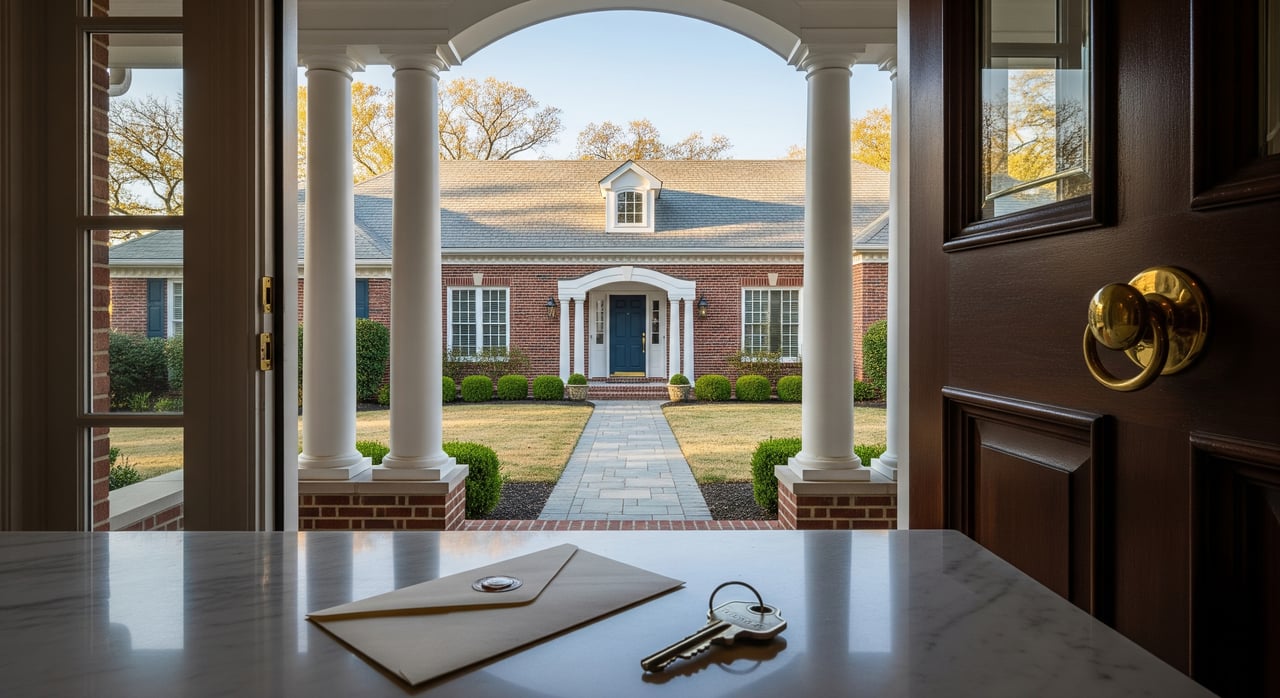
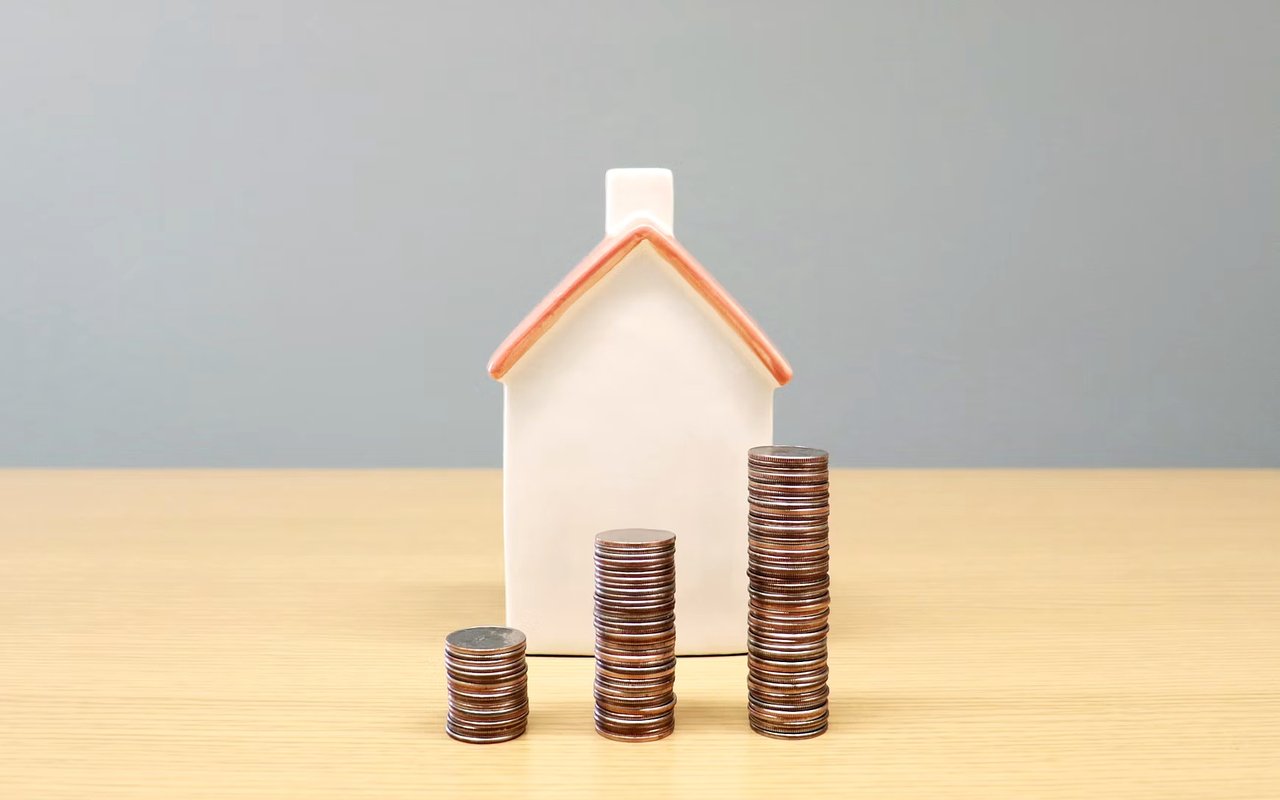
Earnest money is a good-faith deposit you include with an offer to buy a home. It is not a fee. If you close, the deposit is credited to your cash to close or down payment.
Your purchase contract sets the rules for how the deposit is handled and when it can be forfeited. In the Kansas City area, including Lenexa, a neutral escrow holder keeps the funds in a trust account until closing or a proper termination under the contract.
Who holds your funds
In Johnson County, buyers typically deposit earnest money with a title or escrow company, an attorney’s trust account, or a broker’s trust account named in the contract. These parties act as neutral third parties.
Check your contract to see who the escrow holder is and how they accept funds. Always get a written deposit receipt and keep copies of checks or wire confirmations.
Typical amounts in Lenexa
In suburban Kansas City, many buyers offer around 1% of the purchase price as earnest money. That can look like $3,000 on a $300,000 home. Some offers use a flat amount, such as $1,000 to $5,000 for many homes.
In competitive situations, buyers sometimes offer more, such as 1.5% to 3% or a larger flat amount. For example, on a $250,000 home, you might see $1,500 to $3,000. On a $350,000 home, you might see $3,500 as a typical amount and $5,000 to $10,000 for stronger offers.
When you deposit it
Most Kansas residential contracts require you to deposit earnest money within a short time after both parties sign the contract. Many timelines are within 24 to 72 hours, but your contract controls the exact deadline.
Your escrow holder will place the money into a trust account and issue a receipt. Keep a clean paper trail that includes your contract, deposit instructions, and proof of payment.
Refunds and contingencies
The contract’s contingencies determine if your earnest money is refundable. Your deposit usually stays protected while your contingencies remain active and you act within the deadlines.
Inspection period
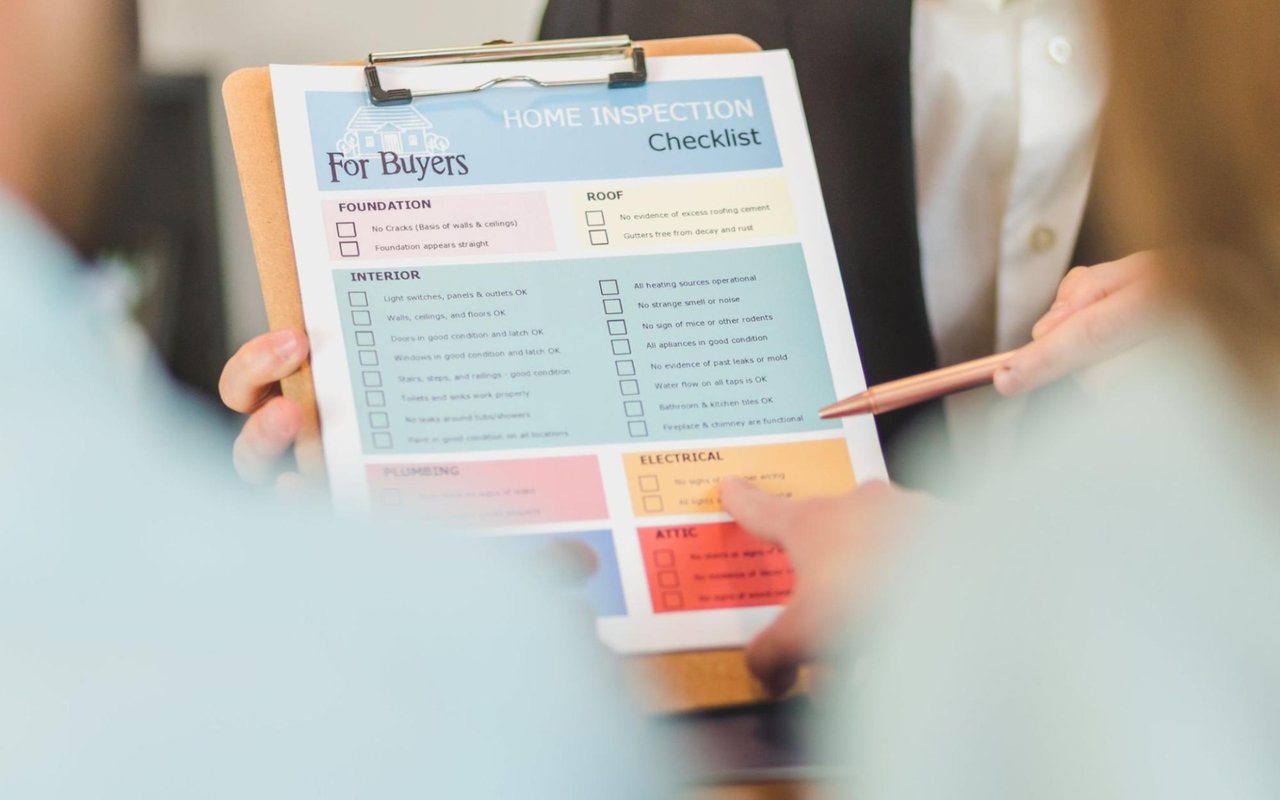
Many local contracts provide an inspection period. If you properly terminate during that window based on inspection results, your earnest money is typically refundable. If you waive inspection rights or let the period expire, your deposit may be at risk if you later default.
Financing and appraisal
If you have a financing contingency and cannot get your loan, you can usually cancel within the stated timeframe and receive your funds back. If the appraisal is low and you follow the contract to terminate or renegotiate within the deadline, your deposit is generally refundable.
Title and HOA review
If title problems or unacceptable HOA documents are discovered and you follow the contract’s steps to terminate on time, the deposit is typically refundable. Always track your review deadlines.
Sale-of-home contingency
If your offer includes a sale-of-buyer-home contingency and you cannot sell in time, you can usually cancel within the stated period and keep your earnest money.
If there is a dispute
If the buyer and seller disagree about who gets the funds after a termination or default, the contract sets the dispute process. Many contracts call for mediation, arbitration, or court to resolve the issue. Some contracts include liquidated damages clauses that can limit the seller’s recovery to the earnest money.
Budgeting for your offer
Plan for the deposit and a few other early costs. Your earnest money will be credited back to you at closing if you complete the purchase.
- Earnest money deposit: often around 1% of price
- Home inspection: about $300 to $800
- Appraisal: about $350 to $700
- Loan application and prepaid items: varies by lender
Example budgets:
- $250,000 purchase: EM $2,500, inspection $450, appraisal $450. Immediate outlay about $3,400.
- $400,000 purchase: EM $5,000, inspection $500, appraisal $500. Immediate outlay about $6,000.
Strong yet safe offers
You want to stand out without taking on unnecessary risk. A well-balanced strategy can help you win the home and protect your deposit.
- Use a reasonable deposit tied to market conditions. Too low may look weak; too high raises risk if you default.
- Keep inspection and financing protections until you are satisfied. To be competitive, shorten timelines rather than removing contingencies outright.
- Name a reputable title or escrow holder in the contract and require a receipt.
- Track every deadline in writing and communicate changes through your agent.
Prevent wire fraud
Wire fraud targeting real estate buyers is common. Protect your funds by verifying every step.
- Confirm wiring instructions by calling the escrow company at a known, trusted phone number you obtain independently.
- Do not rely solely on emailed instructions. Email can be spoofed.
- Use secure channels for sending instructions and confirmations.
- If acceptable to the escrow holder, consider a cashier’s check instead of a wire.
What to confirm before sending money
Before you move any funds, verify the key details in your signed contract and with the escrow holder.
- Exact escrow recipient and deposit deadline
- Accepted payment method and how to receive a deposit receipt
- All contingency windows and termination procedures
- Any liquidated damages or dispute resolution language
Local conditions can change
Earnest money norms vary with market conditions and even by neighborhood. In a buyer’s market, sellers may accept smaller deposits and longer contingency periods. In a seller’s market, you might see larger deposits and shorter timelines.
Always rely on your signed contract for the rules. Your agent will help you tailor the amount and terms based on current Lenexa and Johnson County conditions.
Ready to buy in Lenexa?
If you are preparing an offer, we can help you structure the right earnest money amount, track deadlines, and keep your funds safe from contract to closing. Connect with Bryan Huff to get local guidance and a smooth, team-supported buying experience.
FAQs
How much earnest money do Lenexa buyers usually offer?
- Many buyers offer about 1% of the purchase price, with $1,000 to $5,000 common for many homes and higher amounts used in competitive situations.
When is earnest money due after my offer is accepted in Kansas?
- Most contracts require deposit within a short window, often 24 to 72 hours after both parties sign, but your specific contract sets the exact deadline.
Who holds earnest money in Johnson County transactions?
- A neutral escrow holder, usually a title or escrow company, an attorney’s trust account, or a broker’s trust account named in the contract, holds the funds.
When can I get earnest money back if I am buying in Lenexa?
- If you terminate within a valid contingency window and follow the contract’s steps, such as during inspection, financing, appraisal, or title review periods, your deposit is usually refundable.
What if the deal falls through after my inspection period ends?
- If you default after the inspection period and other protections are removed or expired, your earnest money may be at risk of forfeiture under the contract.
How do I avoid wire fraud when sending earnest money in Lenexa?
- Verify wiring instructions by phone using a trusted number for the escrow company, avoid relying on emailed instructions, and use secure communication channels or a cashier’s check if allowed.