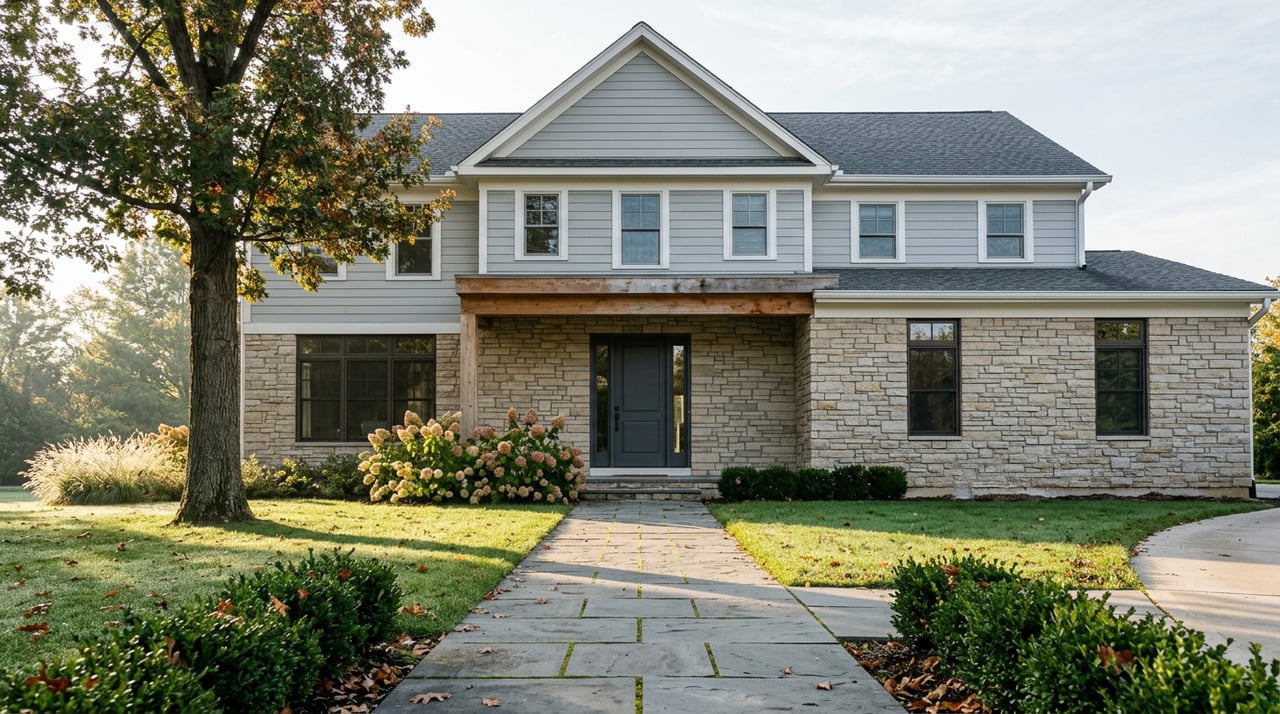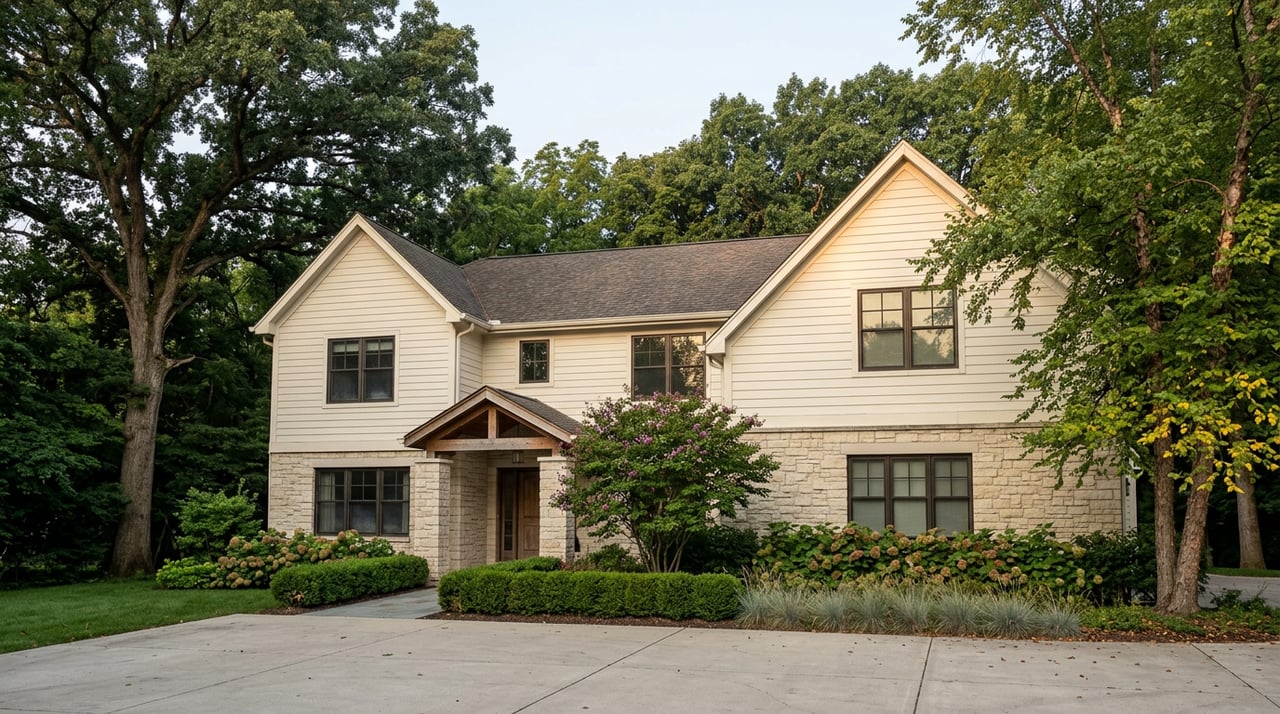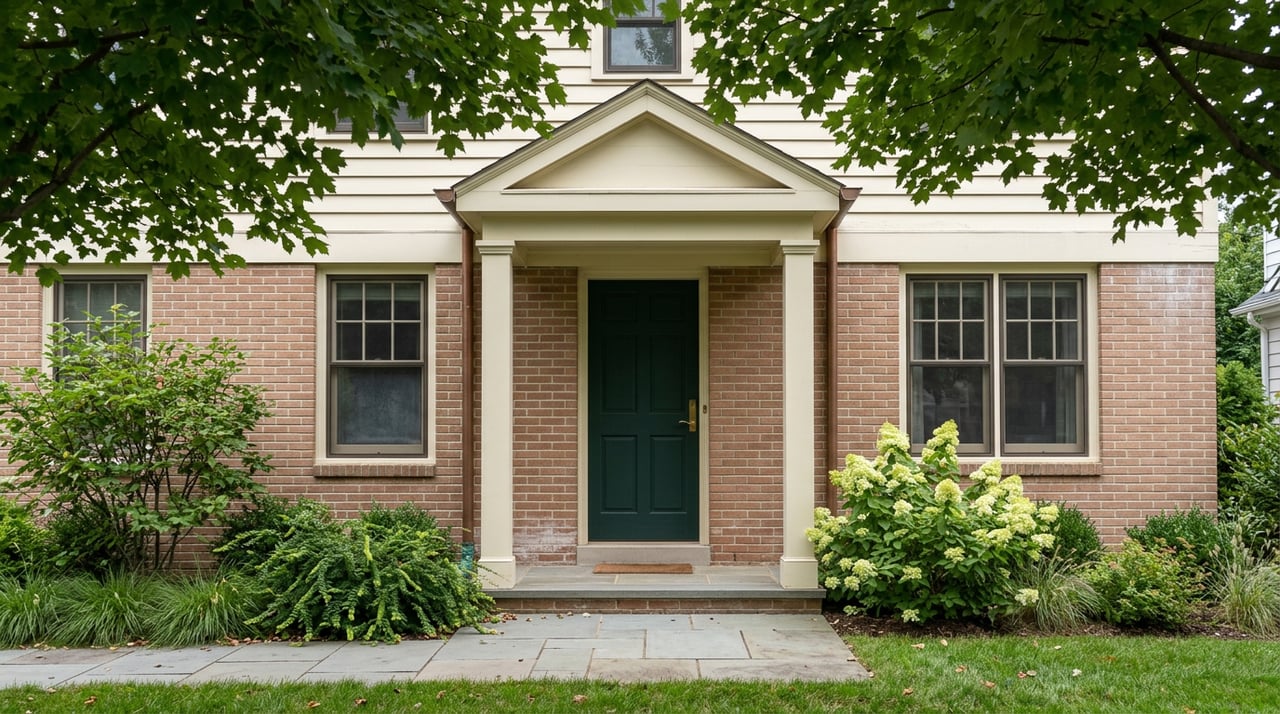
Trying to decide if Shawnee is a smart place to buy a rental? You’re not alone. Investors love its suburban stability, but they also want numbers that make sense today. In this guide, you’ll get a clear picture of current prices, rents, vacancy, likely returns, and the property types that perform best in Shawnee. You’ll also see simple pro formas so you can judge fit for your strategy. Let’s dive in.
Quick take
Shawnee offers steady renter demand and lower vacancy with median sale prices in the low to mid 400s. Rents are mid‑range for the Kansas City metro, which produces modest gross yields around the mid‑4% range at city averages. That means immediate cash flow can be tight with a typical mortgage. If you focus on long‑term appreciation, value‑add renovations, or lower purchase prices, Shawnee can work well.
Market snapshot: prices, rents, yields
Home prices in Shawnee
Industry portals show median sale prices generally in the low to mid 400s. Different platforms report slightly different figures because of how they sample listings, so it’s best to verify with fresh MLS comps for your target neighborhood and property type.
What rents look like now
Current listing data points to a wide range by unit type:
- Apartments: The citywide apartment average is about $1,444 per month as of February 2026, according to the Yardi/RentCafe dataset. You can review the latest on the RentCafe Shawnee market trends page at their Shawnee overview.
- All rentals (including houses): Listing‑based data pegs the median rent around $1,595 per month in March 2026. See the current median on Zumper’s Shawnee research page.
- Single‑family homes: Detached 3‑bed rentals often list higher than apartments based on local inventory and amenities.
References:
- Check the latest apartment averages on the RentCafe Shawnee trends page: Shawnee average rent and trends.
- See current citywide median rent from Zumper’s listing dataset: Zumper Shawnee rental research.
Gross yield math at city averages
Using city‑level averages illustrates the general yield picture:
- With a representative rent of $1,595 per month, annual gross rent is $19,140. On a purchase near the low to mid 400s, that equates to roughly a 4.6% gross yield and a gross rent multiplier near 22.
- Using an apartment average rent of $1,444 per month, the gross yield is closer to 4.2% at similar purchase prices.
These are citywide snapshots. Actual returns vary by block, renovation level, and whether you’re buying a house, townhome, or apartment asset.
Vacancy and demand drivers
Shawnee’s rental vacancy has trended in the low single digits, with recent city reports showing estimates around 3.5% to 4.6%. You can find vacancy context in the City’s Annual Comprehensive Financial Report: City of Shawnee ACFR.
On the multifamily side, Shawnee sits in the Kansas City “Shawnee/Lenexa/Mission” submarket, where recent reporting showed positive rent and occupancy trends. See the Kansas City mid‑year 2024 market notes here: Berkadia Kansas City multifamily report.
Shawnee households show higher incomes than many parts of the metro. The U.S. Census Bureau reports a median household income around $106,000 using 2019–2023 ACS estimates. Review the latest figures here: Census QuickFacts: Shawnee city, Kansas. Renter demand typically includes families seeking 3‑bed homes, commuter households who value I‑435 access, and young professionals who prefer a suburban setting.
What types of rentals perform
Single‑family rentals
Three‑bed homes are common and often attract longer‑term tenants. These properties can command a premium over apartments, especially when they offer garages, yards, and updated finishes.
Townhomes and condos
Townhomes and condos appear across several subdivisions. Be sure to underwrite HOA dues and confirm any HOA leasing rules before you buy. Some associations require rental registration or limit leasing frequency.
Institutional multifamily and build‑to‑rent
Shawnee has seen professional interest in larger apartment assets and purpose‑built rental communities. That presence suggests confidence in long‑term demand even as new supply can introduce competition in certain corridors.
Pockets to watch
- Shawnee Mission Park and Lakeview corridor: Popular for proximity to outdoor amenities and established subdivisions.
- Maurer Road and I‑435 access: A mix of retail and apartment communities appeals to commuters.
- Downtown and Historic Shawnee: A walkable node that draws renters who want a small‑town feel in a suburban location. Explore a local overview here: Shawnee neighborhood guide.
Before you commit, have your agent pull recent MLS comps for the exact subdivision and street. Small distance shifts can change rent and resale outcomes.
Expenses to budget in Shawnee
- Property taxes: Johnson County effective rates often land near 1.1% to 1.3% of market value, with many median‑priced homes paying around $4,000 to $4,500 per year. Confirm the current levy for the exact parcel.
- Insurance: Kansas homeowners insurance averages are above the national average. A city‑level sample runs roughly $3,100 to $3,800 per year for an owner‑occupied policy in many Johnson County cities. Landlord coverage typically runs about 15% to 25% higher. See current averages: NerdWallet Kansas homeowners insurance guide.
- HOA dues: Single‑family subdivisions can be several hundred dollars per year, while some townhome/condo associations are higher. Always verify dues, reserves, and leasing rules.
- Maintenance and reserves: A common rule of thumb is to set aside about 1% of property value per year for maintenance, plus a vacancy/reserve allowance around 5% to 10% of gross rent. See a practical guidance summary here: Fannie Mae landlord guidance (summary PDF).
- Property management and leasing: Many full‑service managers in the KC metro charge 5% to 10% of monthly rent, with leasing fees often 50% to 100% of one month’s rent. Get written quotes so your pro forma matches reality.
Simple pro formas (illustrative only)
These examples use city‑level averages to show the math. Change any assumption and the result shifts.
Assumptions for both examples:
- Purchase price: representative low to mid 400s
- Rent: $1,595/month (Zumper median), annual $19,140; check: Zumper Shawnee rental research
- Property tax: 1.25% of value
- Insurance: sample city average adjusted upward 15% for landlord coverage (see NerdWallet link above)
- Maintenance reserve: 1% of value
- Management fee: 8% of monthly rent
- Vacancy reserve: 5% of gross rent
- 30‑year fixed mortgage at approximately 6.0% (early March 2026 average). See current rates: Freddie Mac PMMS
Example A: 25% down, 30‑year fixed
- With these inputs, annual expenses plus debt service typically exceed gross income at city‑average rents, resulting in negative cash flow.
- How investors make this work: target sub‑$300K price points, buy value‑add opportunities to raise rents, increase down payment, or secure more favorable financing. Each option carries tradeoffs.
Example B: All‑cash purchase
- With no mortgage, net operating income after taxes, insurance, maintenance, management, and vacancy is positive but modest, implying a low cap rate at city‑average prices and rents.
- Upside paths: pursue below‑market buys, strategic renovations, or properties with unique features that command a rent premium.
Strengths and watch‑outs
Strengths
- Lower vacancy and steady leasing in recent reports support stable occupancy. See the city ACFR: Shawnee ACFR and the submarket view: Berkadia KC multifamily.
- Higher household incomes provide a foundation for rent stability. Review the data: Census QuickFacts.
Watch‑outs
- Elevated purchase prices compress gross yields at today’s mortgage rates. Track rate movement here: Freddie Mac PMMS.
- HOA rules and local requirements can add cost or limit leasing. Review city resources before you buy: City of Shawnee.
- New development and build‑to‑rent communities can create competition in some corridors. Underwrite conservatively and watch nearby pipeline projects.
When Shawnee makes sense for you
Shawnee can be a strong fit if you want stable demand, plan to hold long term, and have a path to improve returns through renovation, favorable pricing, or a larger down payment. If your top goal is high immediate cash flow with standard financing, you may want to hunt for sub‑$300K homes or consider nearby submarkets with lower price points.
Ready to run the numbers on specific streets and properties? Our team will pull fresh comps, get real management quotes, and build a tailored pro forma so you can buy with confidence. Connect with Bryan Huff to start your Shawnee investment plan.
FAQs
What is a good gross yield for Shawnee rentals in 2026?
- City‑level averages often pencil in the mid‑4% range for gross yield, with higher potential on well‑bought single‑family homes or renovated units.
How competitive is tenant demand in Shawnee today?
- Recent city reporting shows low single‑digit vacancy, and submarket research indicates steady occupancy, which supports consistent leasing.
Which Shawnee property types tend to rent fastest?
- Three‑bed single‑family homes often attract longer‑term tenants, while well‑located apartments and townhomes near I‑435 and retail see steady interest.
How much should I budget for taxes and insurance on a Shawnee rental?
- Many owners budget roughly 1.1% to 1.3% of value for property taxes and use local insurance averages plus 15% to 25% for landlord coverage, then validate with quotes.
What first steps should I take before buying a Shawnee rental?
- Pull fresh MLS comps, confirm HOA and city rules, get property‑management quotes, and build a pro forma that stress‑tests rate, rent, and vacancy changes.