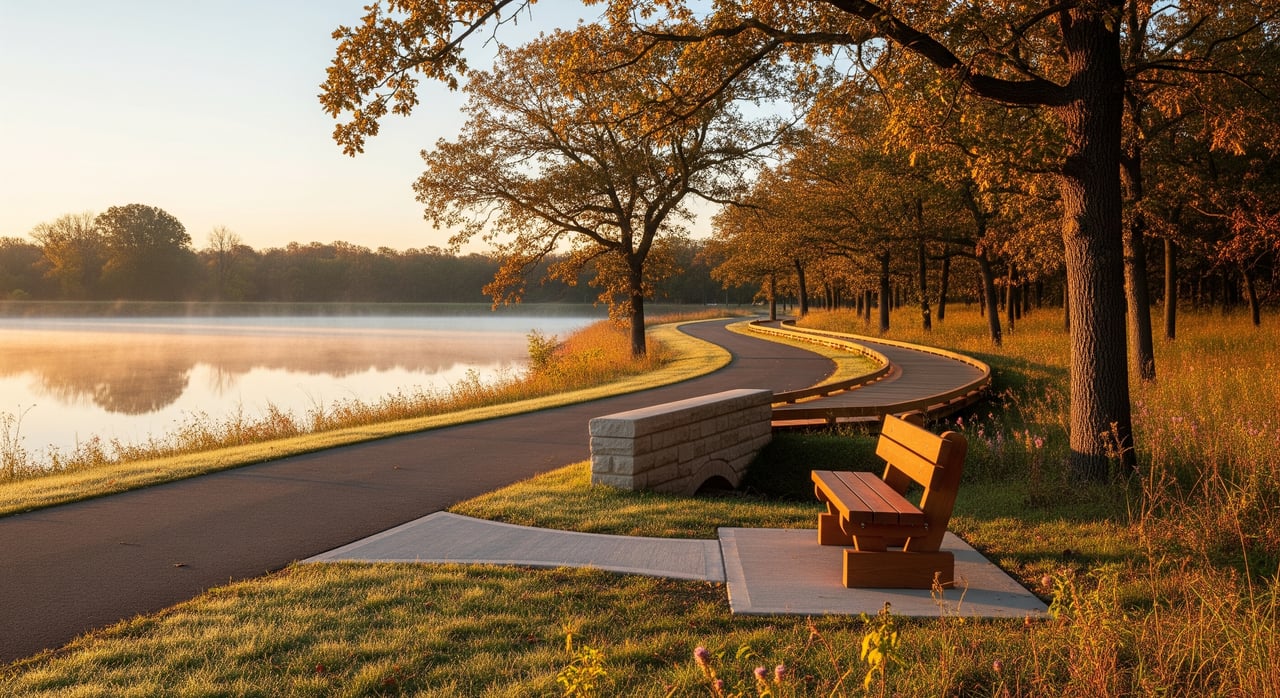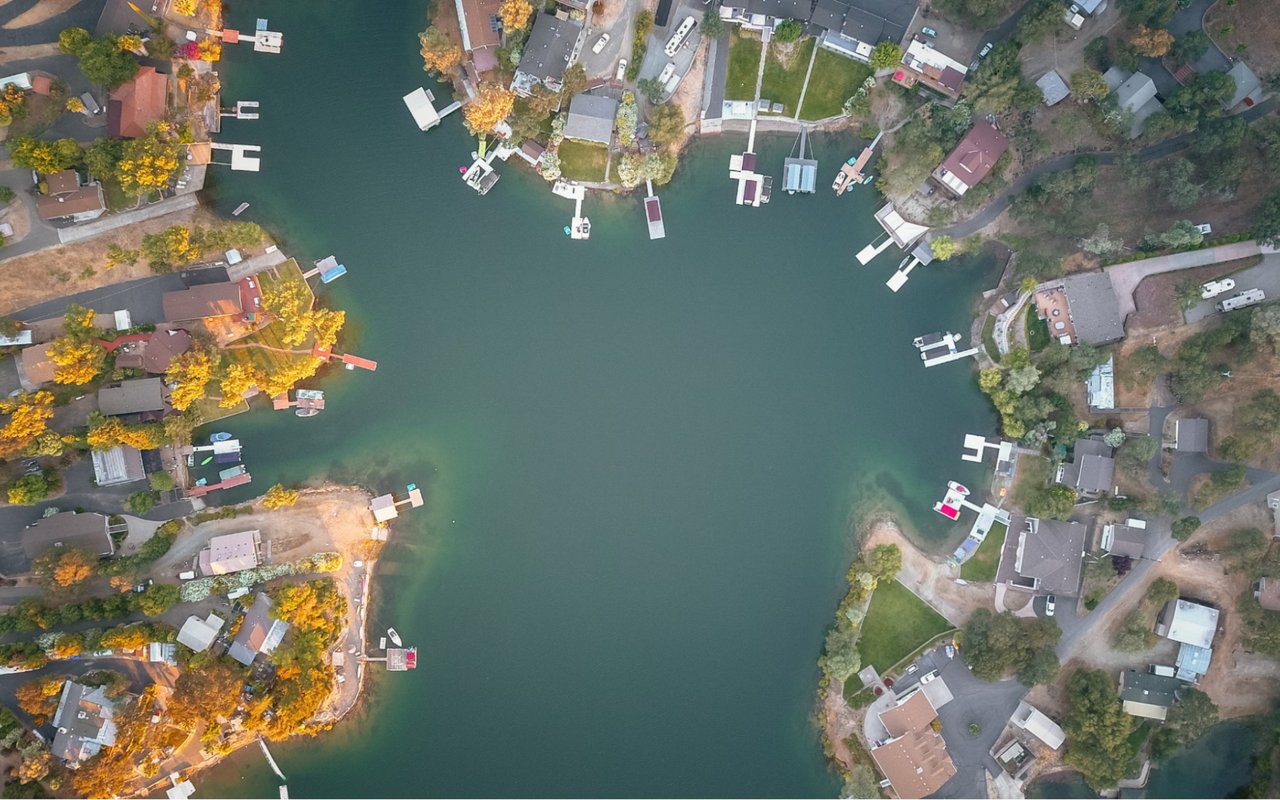
Most people who drive past the gatehouse on Lakeshore Drive assume Lake Quivira runs the way private lake communities usually run: an association, a set of covenants, a clubhouse where the board meets once a month. That assumption is only half right. Lake Quivira is also a city. It has a mayor, a city council, a police department, and the legal authority to issue bonds, the same as any other municipality in Johnson and Wyandotte counties. The private club side and the public city side sit on top of each other at the same address, and untangling which one does what explains a lot about how the community actually spends money, plans projects, and fills its calendar heading into September.
That distinction matters this month specifically, because two things are happening on the same 220 to 224 acres of water at the same time: the city is mid-project on a piece of infrastructure that only a municipality could finance the way it's being financed, and the club side is gearing up for the one weekend a year when the whole town watches people swim, bike, and run past their front yards.
A City With Two Names
Lake Quivira was platted in the 1920s by developer Charles E. Gault as a lake subdivision, and by the 2020 census it had grown into an incorporated city of 1,014 residents across 1.56 square miles, about a tenth of that water. The city's own site describes itself plainly:
"A small lake community with a big heart for living."
That's the public half. The city runs a police department out of 10 Crescent Boulevard and puts its municipal elections on the same calendar as any other Kansas city. A primary election was held August 4, 2026, and the regular city council meeting that cycle moved to Monday, August 3, because the usual Tuesday slot fell on Election Day. Two days after the primary, on August 6, the city held a public session on proposed zoning regulations inside the clubhouse itself, the same room residents rent out for holiday parties.
The private half is Quivira, Inc., the corporation residents pay association dues to, along with the Lake Quivira Country Club and the Lake Quivira Yacht Club. These bodies own and maintain the amenities most people picture when they think of the community: the golf course, the marina, the beach. The overlap between the two tracks is closer than most residents realize. The Lake Quivira Foundation, the community's 501(c)(3) fundraising arm, seats both Mayor Dave McCullagh and Quivira, Inc. board president Wally Myer on its board alongside private citizens like Steve Sestak and Annie Noland. City government and private governance sit at the same table, literally, when it comes to raising money for capital projects.
Two Boards, One Address
Here's how the responsibilities actually split, based on what each entity's own materials say it handles.
| Entity | What it governs | How it's funded |
|---|---|---|
| City of Lake Quivira | Police, zoning, elections, roads, municipal bonding | Property taxes and general obligation bonds |
| Quivira, Inc. | Private lake, beach, gated access, shared community land | Association dues |
| Lake Quivira Country Club | Golf course, dining room, tennis, pickleball | Club dues and member fees |
| Lake Quivira Yacht Club | Marina, sailing fleet, regattas | Membership dues |
| Lake Quivira Foundation | Capital campaigns and enhancements beyond dues | Charitable contributions |
That table is more than trivia. If you have an opinion about a zoning recommendation, that conversation happens at City Hall. If you have an opinion about beach hours or the marina, that conversation happens with Quivira, Inc. or the Yacht Club. Confusing the two means showing up to the wrong meeting.
The Bonds Behind The Spillway
The clearest example of why the municipal status matters right now is sitting on the city's own news page: the City of Lake Quivira has secured general obligation bonds to pay for a new spillway and to purchase 40 acres of land south of the lake.
A private homeowners association generally pays for major capital work through special assessments on its members, a direct bill to every household. A city, by contrast, can issue bonds backed by its taxing authority and spread that cost over time, the same financing tool a county or school district would use for a new building. The fact that Lake Quivira can do this at all is a direct function of its status as an incorporated municipality, not a private subdivision. The spillway itself protects the lake's water level and dam integrity, which is the physical asset every other part of this list depends on. No lake, no golf course frontage, no beach, no marina.
What Late Summer Actually Looks Like On The Water
Set the governance aside for a minute, because the calendar is about to get busy in a way that has nothing to do with council meetings.
The Lake Quivira Triathlon is scheduled for Saturday, September 5, 2026. It's a genuinely unusual course by triathlon standards, built entirely inside the community:
- A 500-meter swim start in Lake Quivira itself
- Two loops on the roads circling the lake, roughly nine miles of biking total
- A finishing 5K run back through the neighborhood
The field is capped at 120 participants, split across individual entries and two- or three-person relay teams, plus a separate Kids Fun Run for ages 4 to 13 that closes registration August 29. Everyone who finishes gets a race shirt, a swim cap, and an all-you-can-eat pancake breakfast. The course runs on the same public streets the city council governs, blurring the same line between city and club that shows up everywhere else here. If you live along Lakeshore Drive or Crescent Boulevard, this is the Saturday morning you'll have cyclists on your street twice before most people finish their coffee.
Why The Sailors Borrow The Boats
The Yacht Club's sailing season runs on a different kind of restriction, one tied to keeping the lake itself healthy. When the Jacomo Sailing Club brings its Sweet 16 fleet racers to Lake Quivira for a regatta, they don't trailer their own boats in. Zebra mussel contamination controls make it impractical to move boats onto the lake from outside, so visiting sailors use the Yacht Club's own fleet of Sweet 16 dinghies instead, sharing sails and gear for the day. It's a small operational detail, but it says something real about how seriously the private side treats the lake as a closed, protected system, in contrast to the triathlon's open registration and public roads.
That contrast is the whole story in miniature. The city side of Lake Quivira operates like most small Kansas municipalities: open meetings, bond financing, an election calendar anyone can look up. The private side operates more like a members' club protecting a shared, finite resource, down to controlling which boats touch the water. Both halves answer to different people, and knowing which is which saves you a wasted trip to the wrong meeting or the wrong board.
What This Means If You Live Here
If the spillway project or the 40-acre purchase south of the lake affects your property, your input channel is the city council, not the club. If your interest is beach hours, marina slips, or the sailing calendar, that's Quivira, Inc. and the Yacht Club. The Foundation is where philanthropic dollars for shared amenities go, separate from either government. None of these bodies substitute for the others, and residents who assume "the board" handles everything tend to miss whichever meeting actually decides the thing they care about.
Late summer here is the easiest time to see the whole system working at once: a triathlon that closes public roads, a sailing regatta run on borrowed boats to protect the water, and a spillway project moving through city finance in the background. It's a small city that happens to be built around a private lake, and knowing where one ends and the other begins tells you more about how Lake Quivira actually functions than any brochure will.
When the day comes that you're ready to talk about a home inside those gates, or anywhere else in the Kansas City metro, the team at The Huff Group knows this market street by street. Book an appointment whenever you're ready to talk through what's next.