"This is why there is no silver bullet solution." Lake Lotawana Association President Jeff Clemow wrote that line in his October 23 Notes from the President after a season of dense naiad grass and duckweed mats in the coves. Cooler water is killing the plants off now. The Association has ended this year's removal work, but the decaying plants sink to the bottom, where they can seed next year's growth.
That makes the quiet months the important ones. The Association's own numbers from this summer show that cutting weeds around docks didn't last. The tools it is counting on for 2027 work slowly: more depth, fewer nutrients, and fish that keep eating. One of them depends on what happens on the lawns that slope down to the water.
What the Summer Actually Was
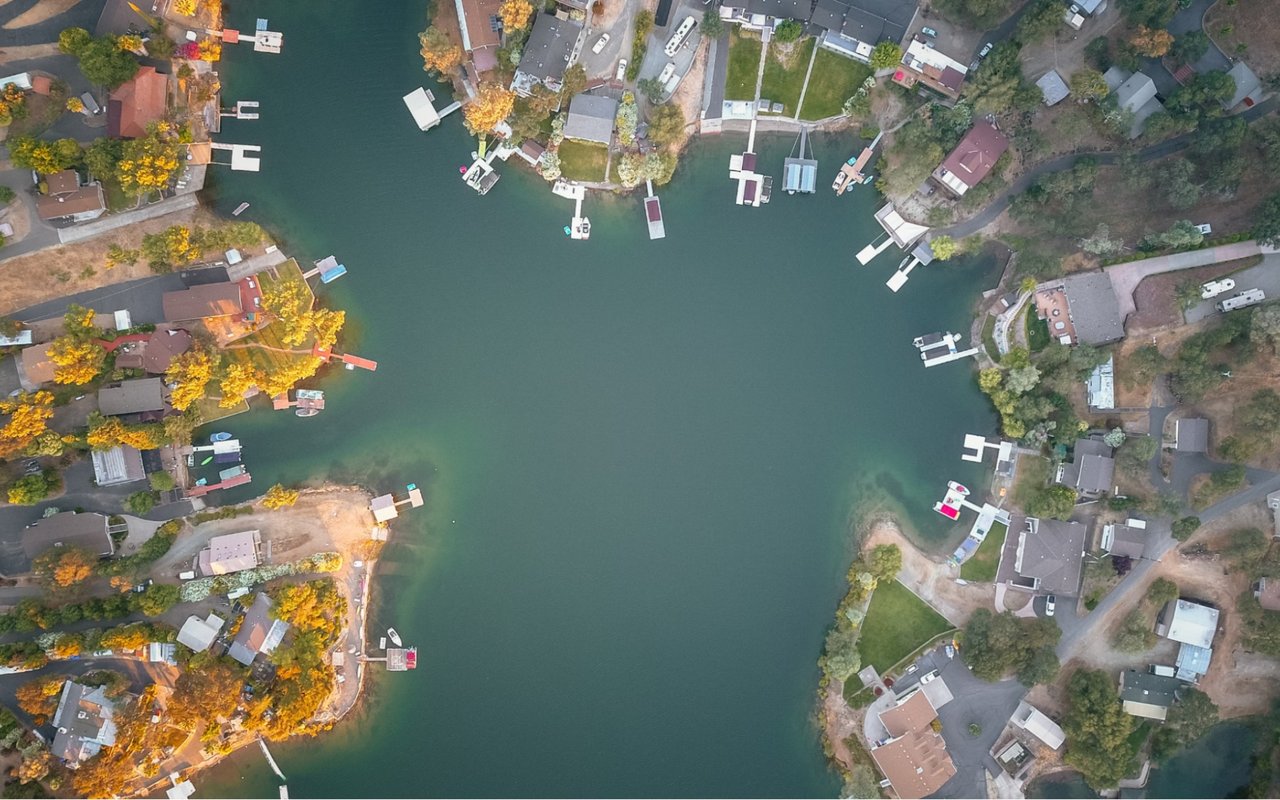
The Association described the problem in its October update. Southern naiad grew from shoreline to shoreline in shallow coves and along the edges of the lake. It trapped duckweed into mats the wind couldn't move, and because no heavy rain came to flush the lake, the mats kept growing. In September, Clemow acknowledged that the vegetation had limited lake access and swimming around docks for many members.
The Missouri Department of Conservation field guide describes southern naiad as a native submerged plant that can grow fast enough to become a nuisance and can form large mats. MDC's duckweed page says duckweed spreads quickly when nitrogen and phosphorus are plentiful, and that dense surface growth can block sunlight and lower oxygen levels. Shallow water lets naiad grow, and nutrients feed duckweed.
The $25,000 That Grew Back
In August the Association spent $25,000 clearing vegetation around docks in the hardest-hit areas, on top of its regular operating costs. By mid-September, Clemow reported in his September 15 notes that new growth had already started replacing what was removed. He wrote that experts call manual removal "largely cosmetic" and point to continued dredging and grass carp stocking as the most effective measures.
Naiad spreads in a way that defeats cutting. The Association's August 7 vegetation FAQ explains that naiad reseeds from fragments broken off by raking and boat traffic, so removal can make the problem worse. The October update adds that if the roots stay intact, the plant grows back quickly.
That's why the 2027 plan leans so heavily on what happens below the surface.
Ten Feet of Silt in the Tri-Cove Area
Dredging is the Association's main tool because it does two jobs. It removes nutrient-rich silt, and it leaves deeper water where less sunlight reaches the bottom. In the Tri-Cove area on the northwest side of the lake, crews have taken out as much as 10 feet of silt in some spots, more than historical records suggested was there. Clemow wrote that the grass may return there in 2027, but in smaller amounts.
The next areas in line depend on land. Operations crews broke ground on a 3.5-acre property south of Silt Basin #6, northeast of Gate 7. The site lets the Association empty the basin without trucking material off-site, which it estimates will save about $1 million. Once the basin is rebuilt, it will support silt removal from Sunrise Bay, Mallard Bay and the southeast shoreline.
Dredging also shows where the nutrients come from. The Association's testing during dredging has found normal phosphate levels but higher nitrogen as silt from Quantrill and Waterfall coves is consolidated into the basin. The July update said most of the excess phosphate comes from farm runoff in the area. So the lake is fighting nutrients that arrive from upstream while it digs out the ones already settled on the bottom.
Grass Carp, Stocked in Stages
The second slow tool is fish. Sterile grass carp eat submerged grasses like naiad. The Association's FAQ says the lake went from overstocked in 2016 to understocked over the past decade. The Association added 300 grass carp in July and 800 more on October 2, and more are planned for spring as part of a staggered stocking plan.
The Association's July 24 vegetation update explained why the fish are added gradually:
Understand that weeds go away in two months, grass carp stay for up to 10 years and need a food source.
Carp do much less against duckweed. MDC says grass carp are generally ineffective on duckweed because it reproduces so fast, and the Association's October update says carp will eat it but don't prefer it. For duckweed, the Association's fallback is limited herbicide applied by a professional third-party lake-management firm, used only as a last resort in limited areas. Any treated area has to close for several days during and after treatment. MDC's grass carp guidance also recommends matching stocking to plant coverage and lake conditions.
Since carp can't do much about duckweed, cutting the nutrients that feed it carries more weight, and part of that happens in yards.
The Part That Runs Through the Lawn
Clemow's October 6 notes said fertilizers and pesticides aren't the main cause of the nutrient imbalance but do add to it. Clippings, leaves and other yard waste that end up in the lake also have an effect. Mike Morlan, the N block director, got input from the manager of the Grass Pad store in Lee's Summit. The Association published that guidance in the October 6 edition, and it applies directly to fall yard work:
- Fertilizer or pesticide that lands on sidewalks, driveways or the street is the real problem. Blow it back into the grass before rain or sprinklers wash it into the storm drain and on to the lake.
- Sweep or blow lawn clippings out of the street and back onto the lawn. Ten bags of clippings equal a 50-pound bag of fertilizer.
- Mulch fallen leaves into the lawn with the mower or bag them. Never blow grass or leaves into the lake.
- Mow at 3.5 to 4 inches, since grass is the best filter before water reaches the lake.
- If you fertilize yourself, use a bag with 0 as the middle number of the three, which means zero phosphorus.
The same guidance names soap from washing cars in the driveway as another source of storm-drain runoff. The Association treats putting chemicals in the lake as a separate, firm rule. Members may not apply chemicals to the lake, anyone caught doing so loses lake privileges for the year, and only approved aquatic herbicides applied by a certified service provider are allowed.
What 2027 Looks Like at the Dock
The new machine won't arrive at the start of the season. The Association ordered an Inland Harvester ILH7-250 with a tandem trailer for $132,400, with delivery expected late next summer. It reaches depths of up to 6 feet with a real cutter bar, holds more, and can unload into a barge to cut down on travel. Until it arrives, the Association plans to get by with the current harvester and third-party help like this year's.
When the new harvester runs, it will clear a navigation path and as much of each cove's main body of water as possible. Clearing between docks is the individual owner's responsibility. The Association brought in Water Wizard of Blue Springs to help with this year's work. Water Wizard's pond weed page says it can clear weed-free lanes around docks and beaches while leaving native plants in place elsewhere. The Association's FAQ also mentions raking services from local providers, with the same warning that manual removal can spread the plant. HOA responsibilities can vary by property, so this is general information, not legal advice. Check your own obligations with the Association office.
Where the Money Goes
Ballots on the 2027 budget were set to be counted at the November 10 Annual Membership Meeting at the Church of Christ inside Gate 2. The proposed budget kept operating fees at the 2026 level and put the increases into reserves for large capital projects, including the spillway, dredging and roads. Association Vice President Mike Miller wrote in his November Patrolling the Pond column that the budget and financials are open for any member to review.
The rest of the winter calendar is mostly social. The Missouri Yacht Club lists a Christmas dinner on December 3, a tentative Children's Christmas Party on December 12 and a Commodore's New Year's Eve party on December 31. The club notes that dates can change. In spring, the Stafford Preserve moves into its next restoration phase with bee and butterfly habitat plantings.
At The Huff Group, we follow Lake Lotawana's dredging schedule, harvester timeline and Association updates because they shape what a summer on your stretch of shoreline looks like. If you want to talk through what the 2027 season could mean for your dock and your property, book an appointment with our team.