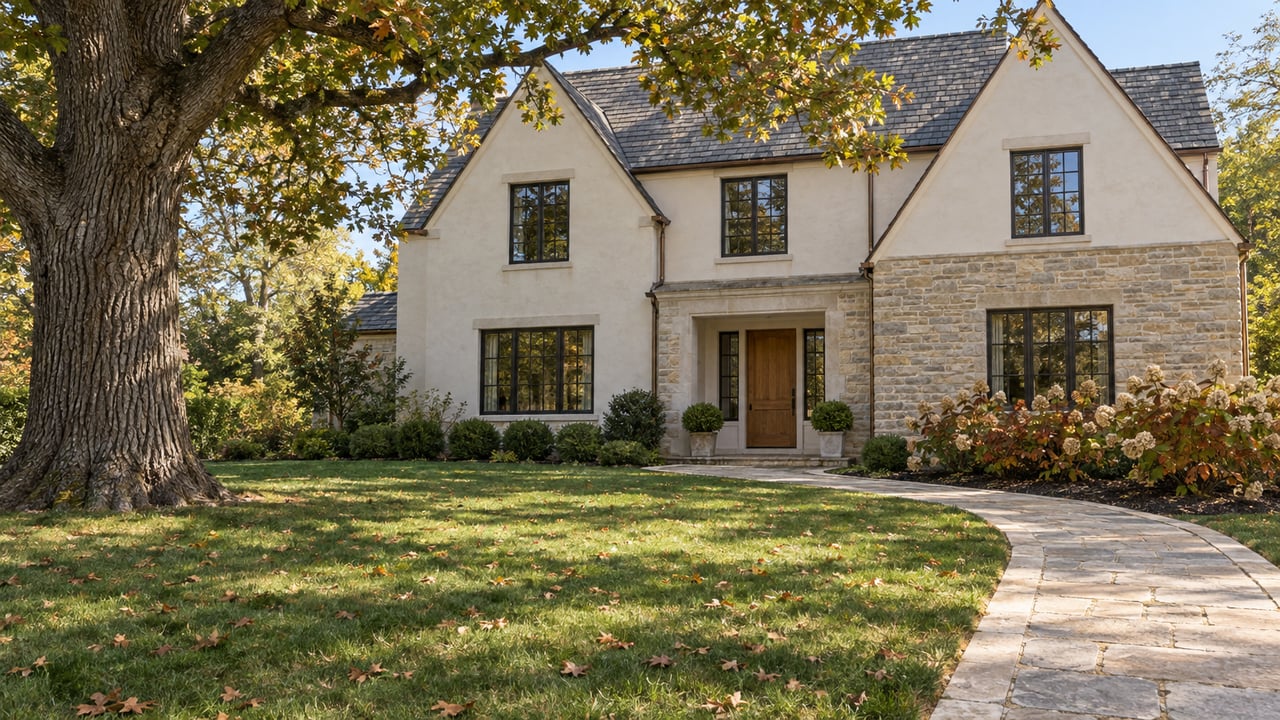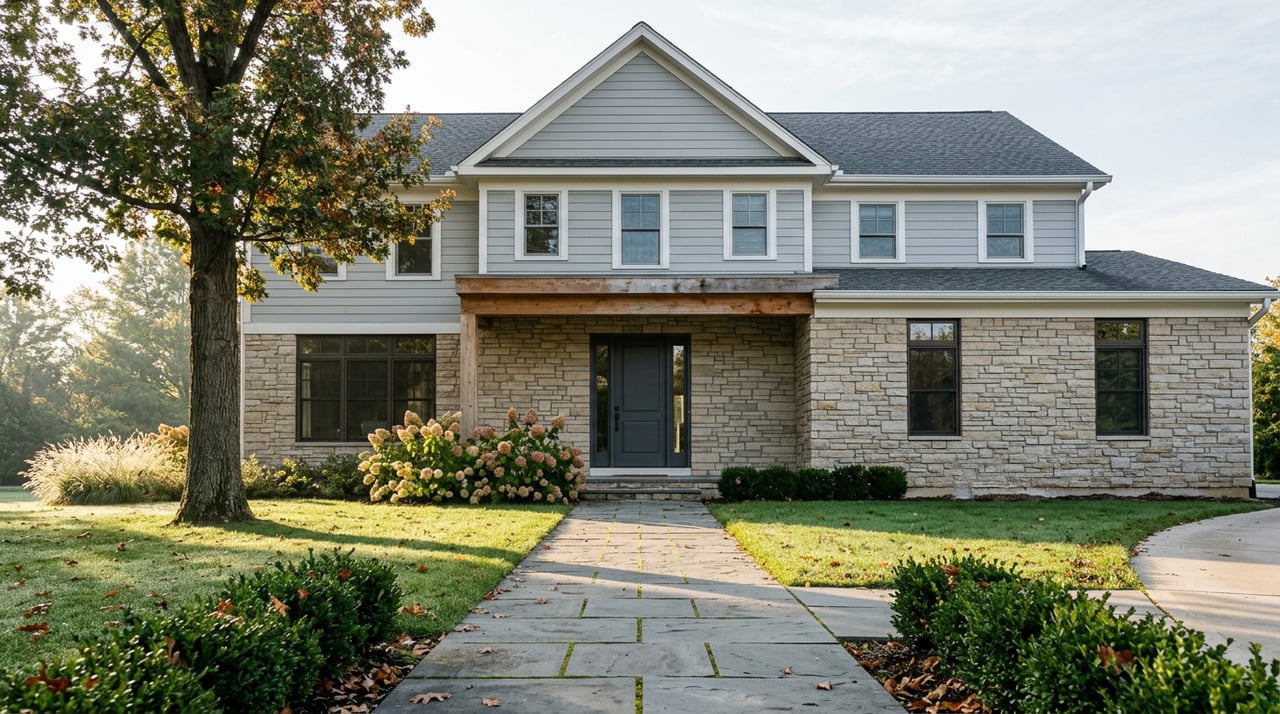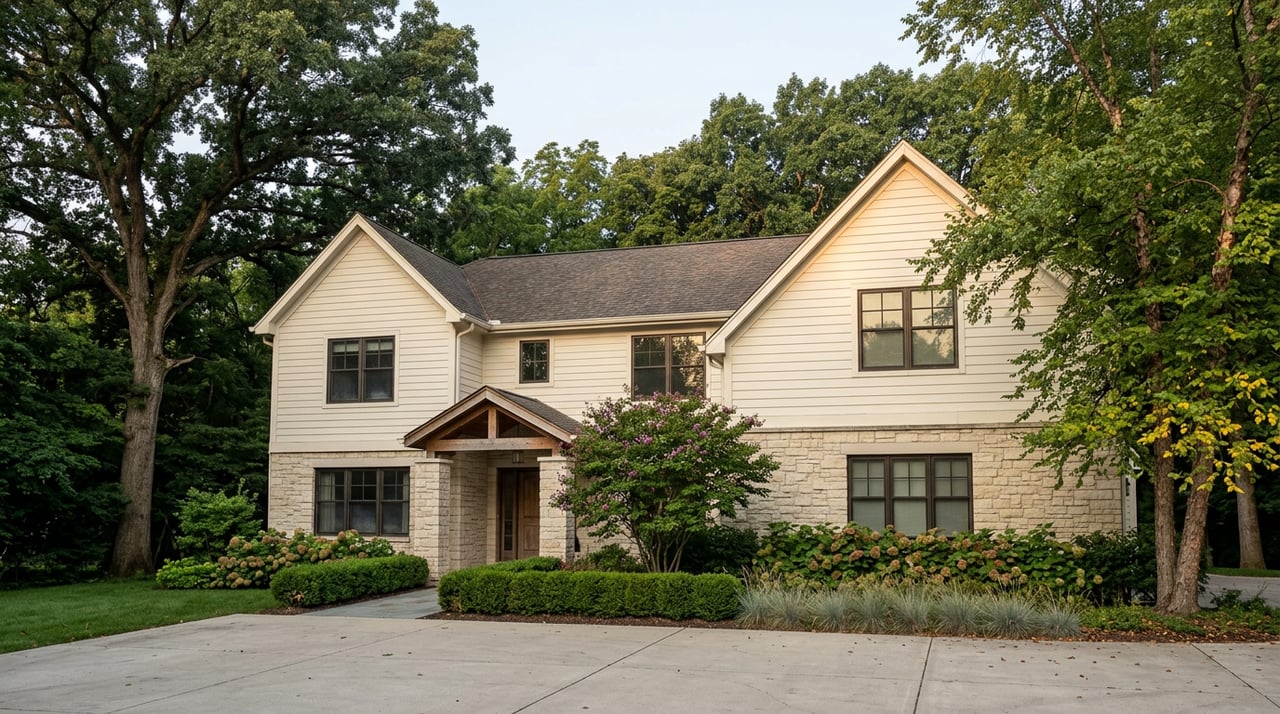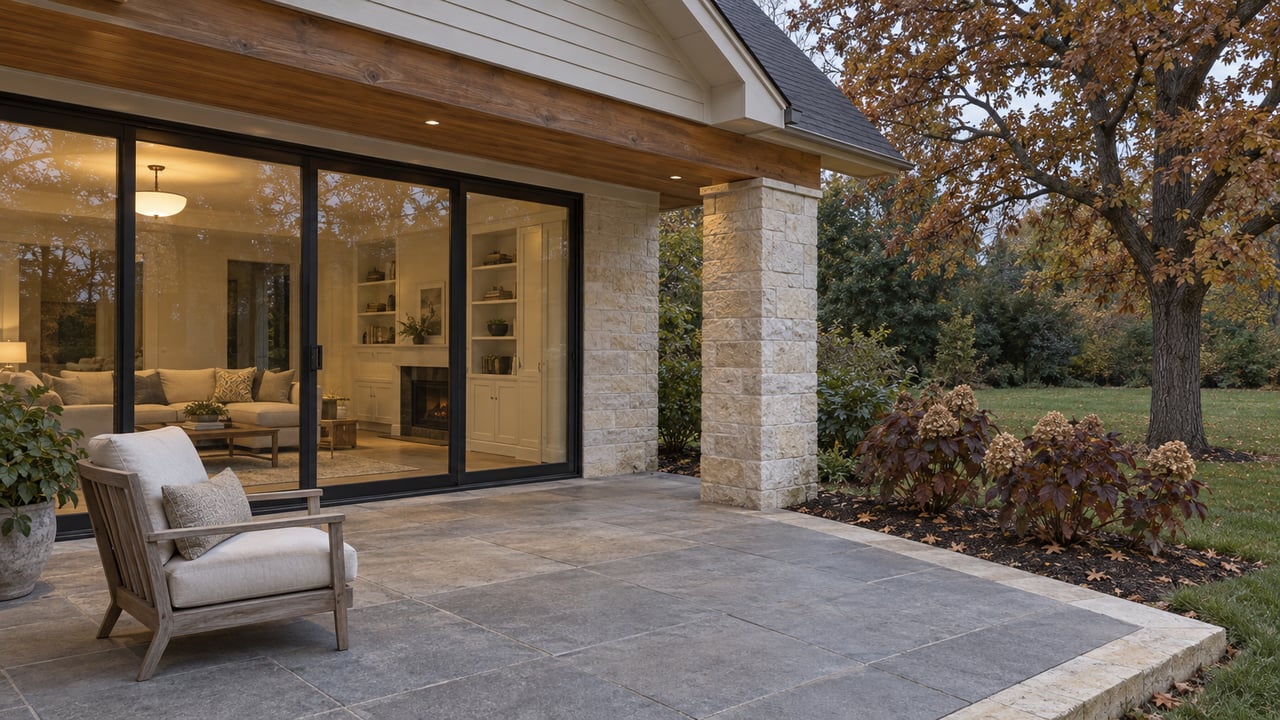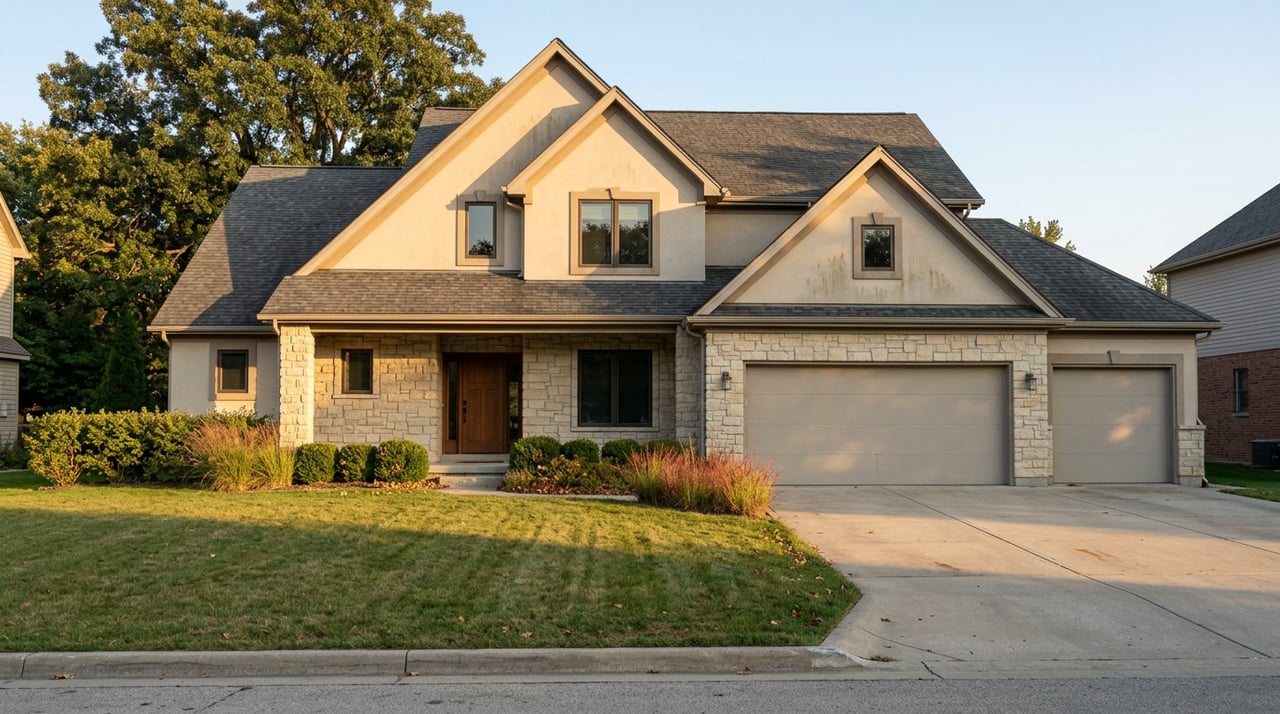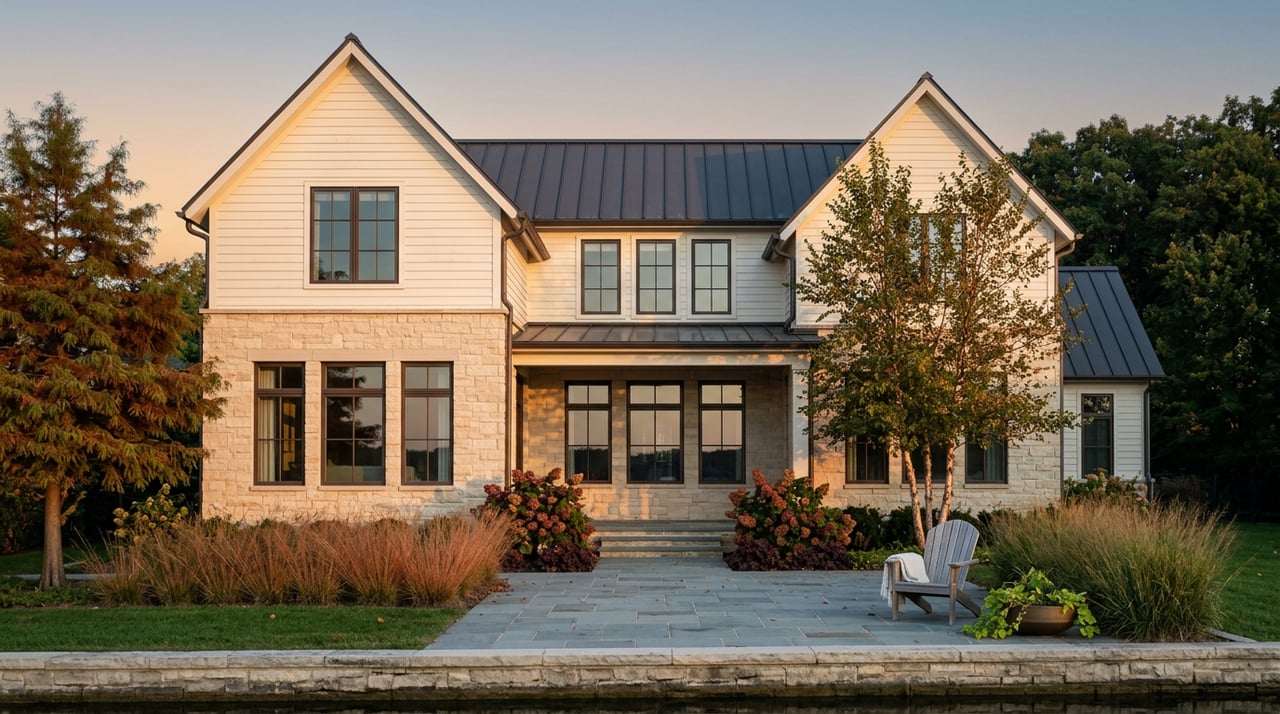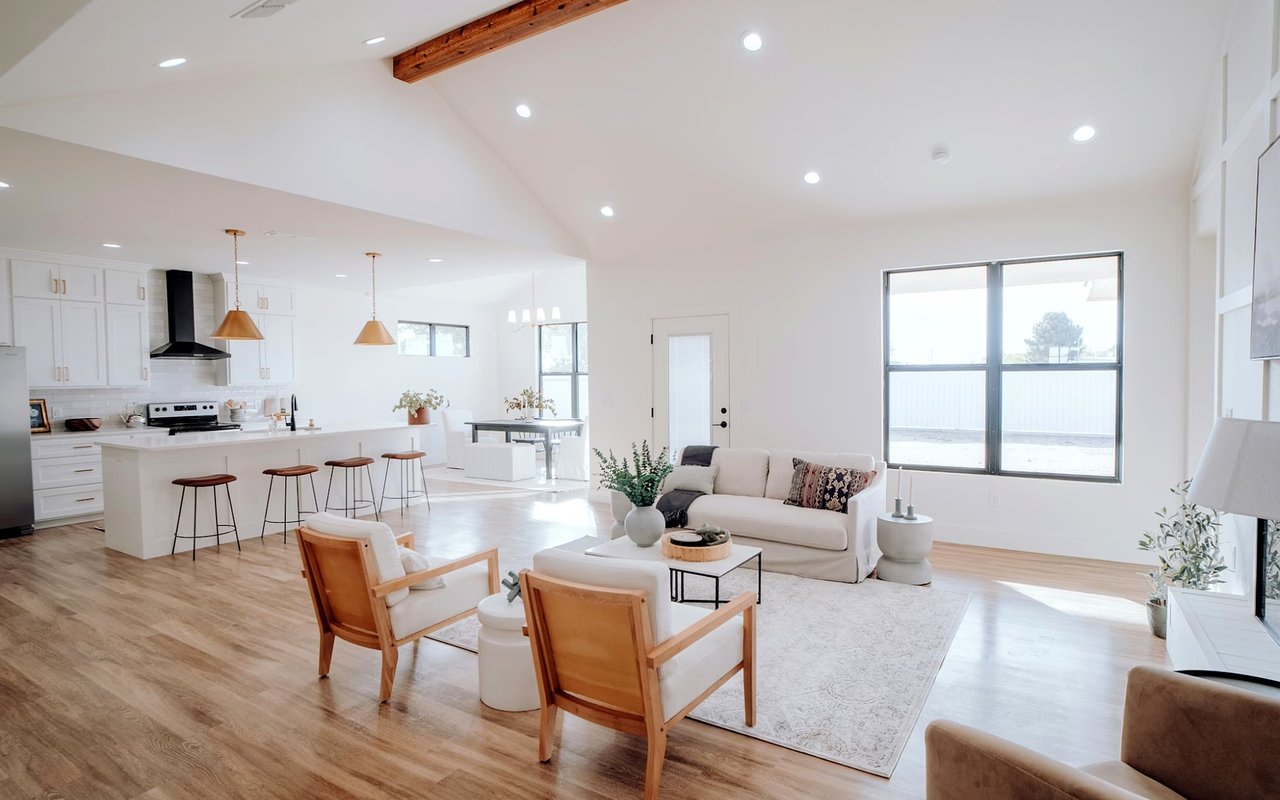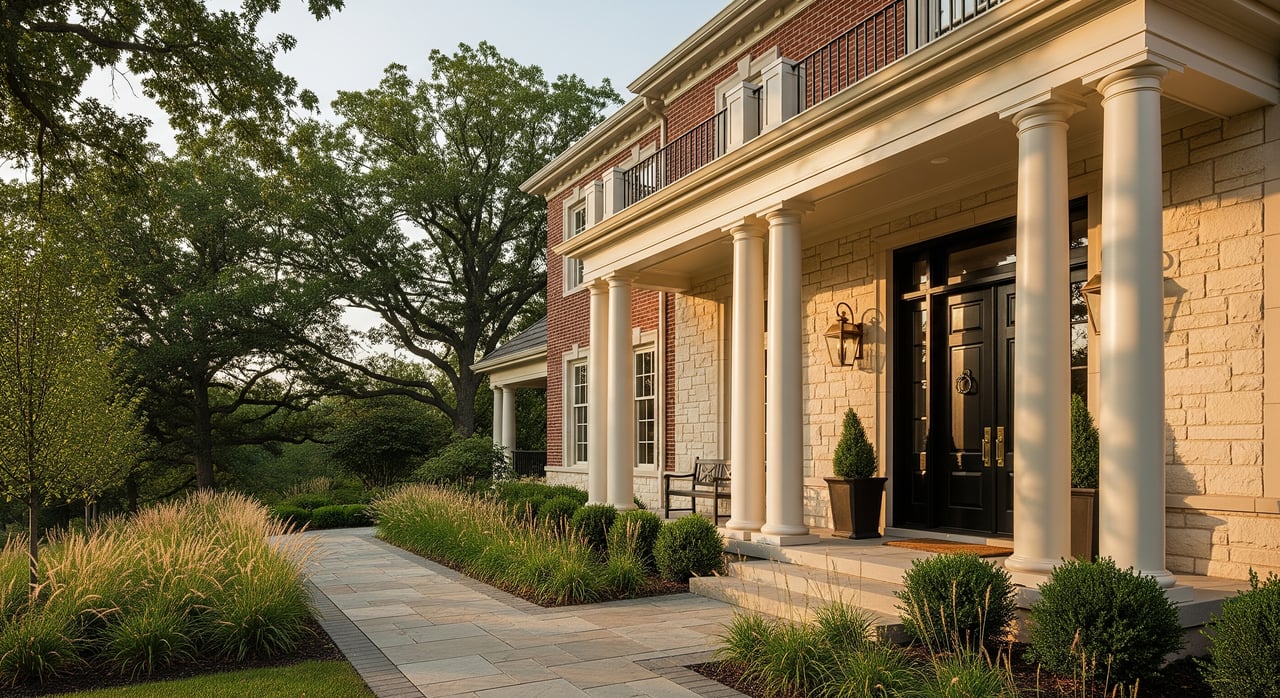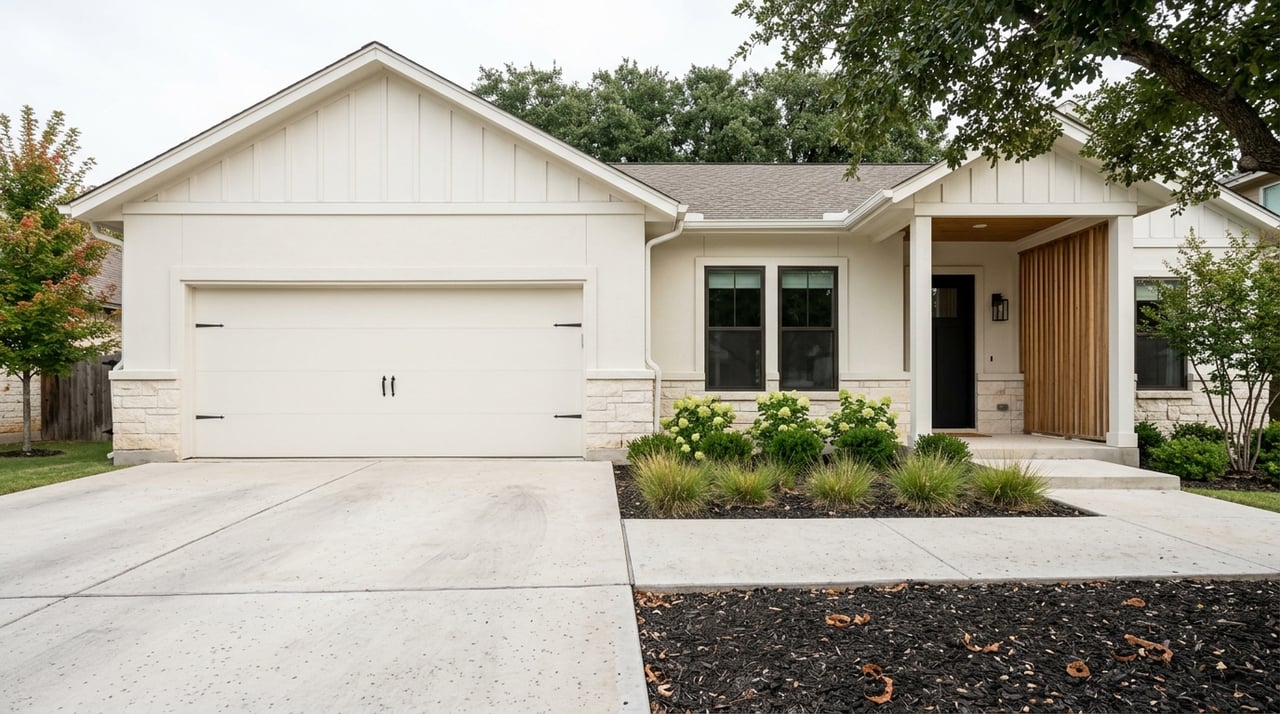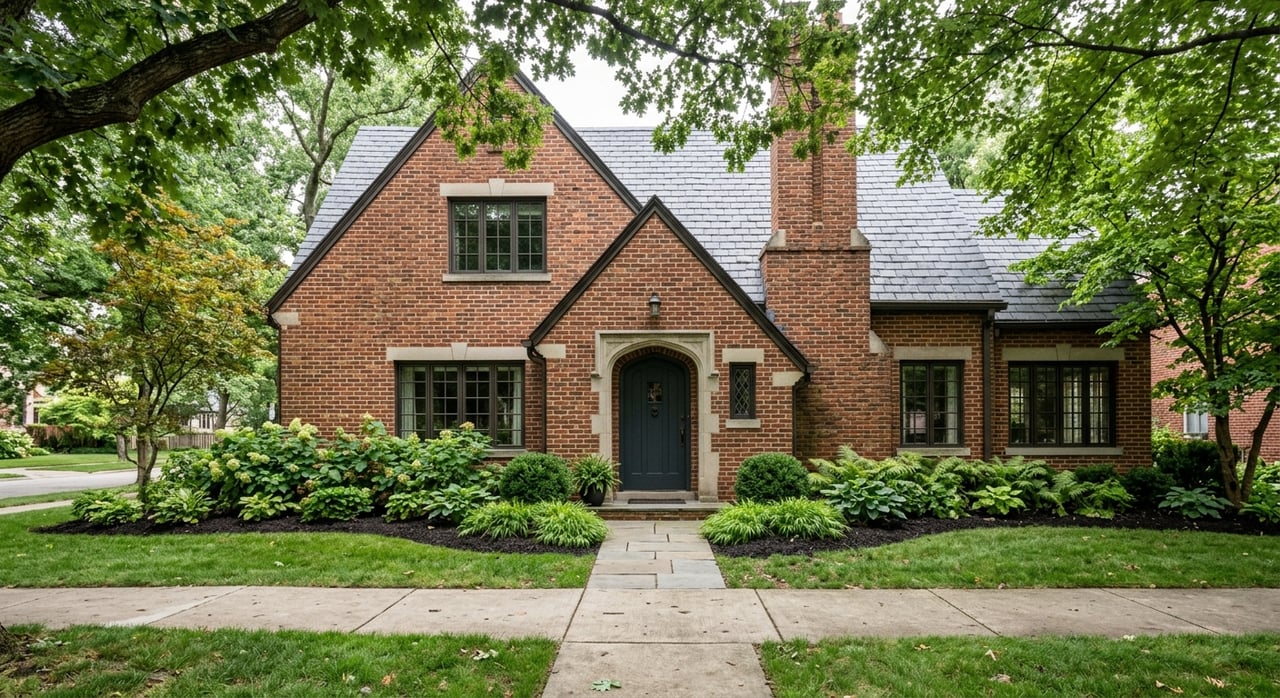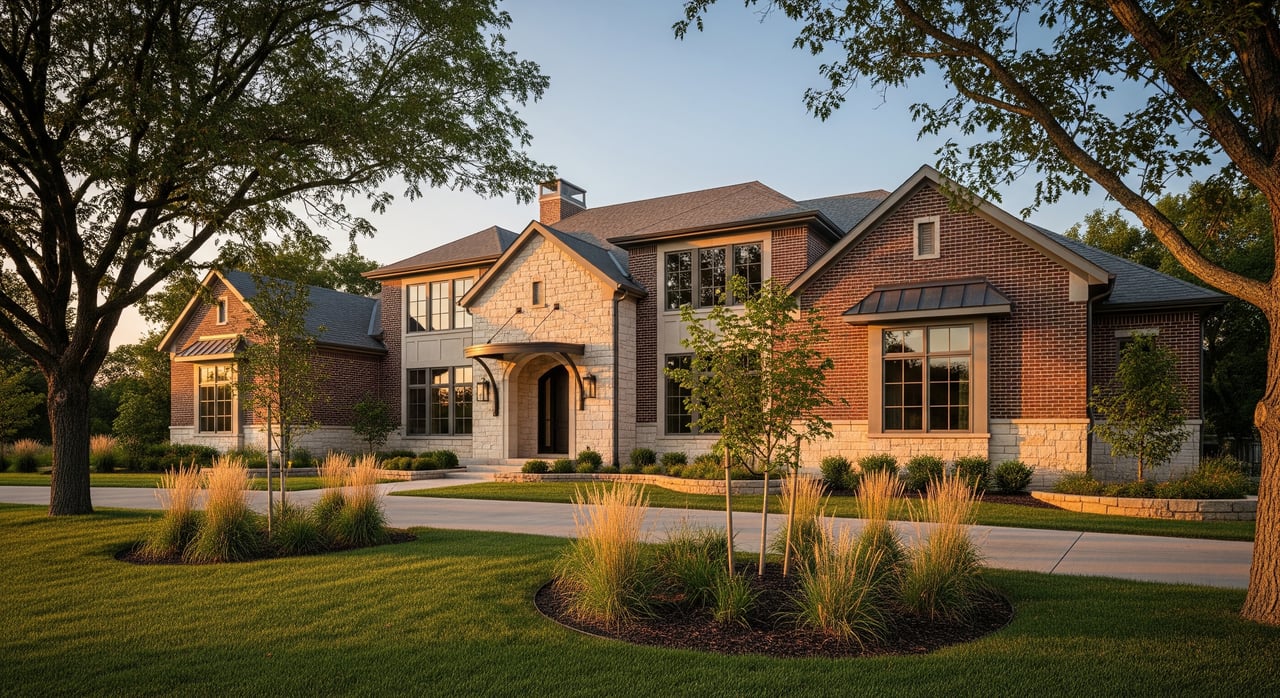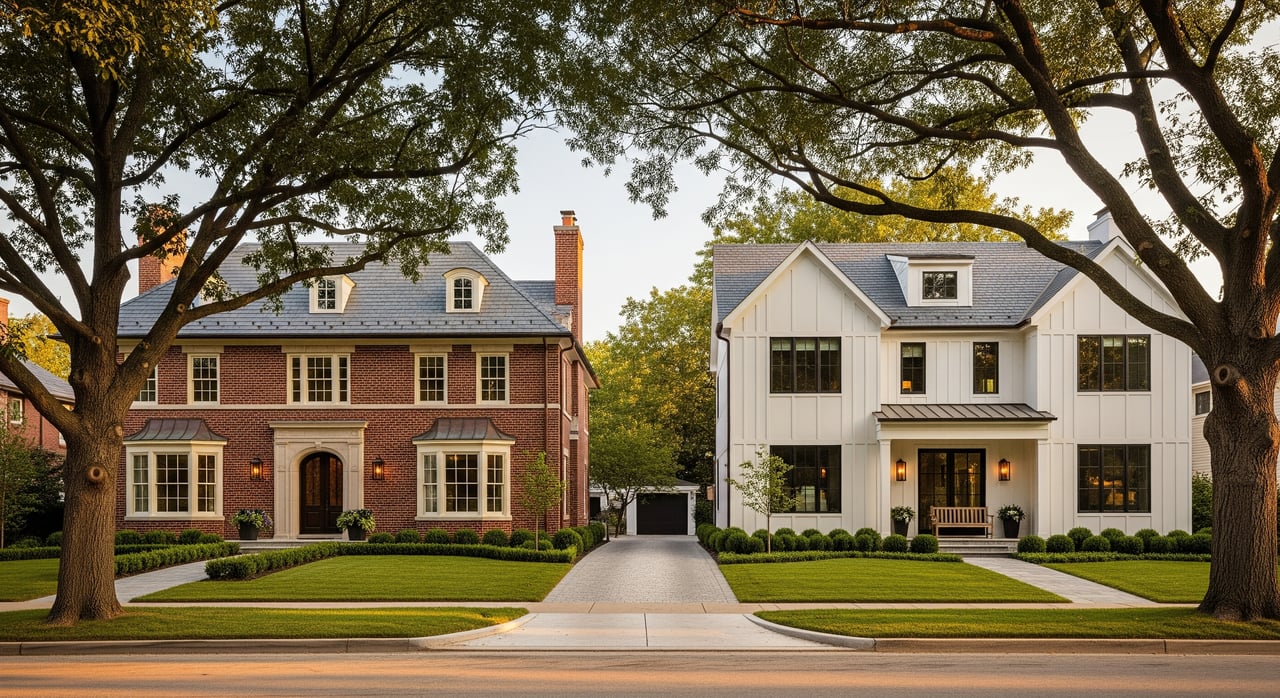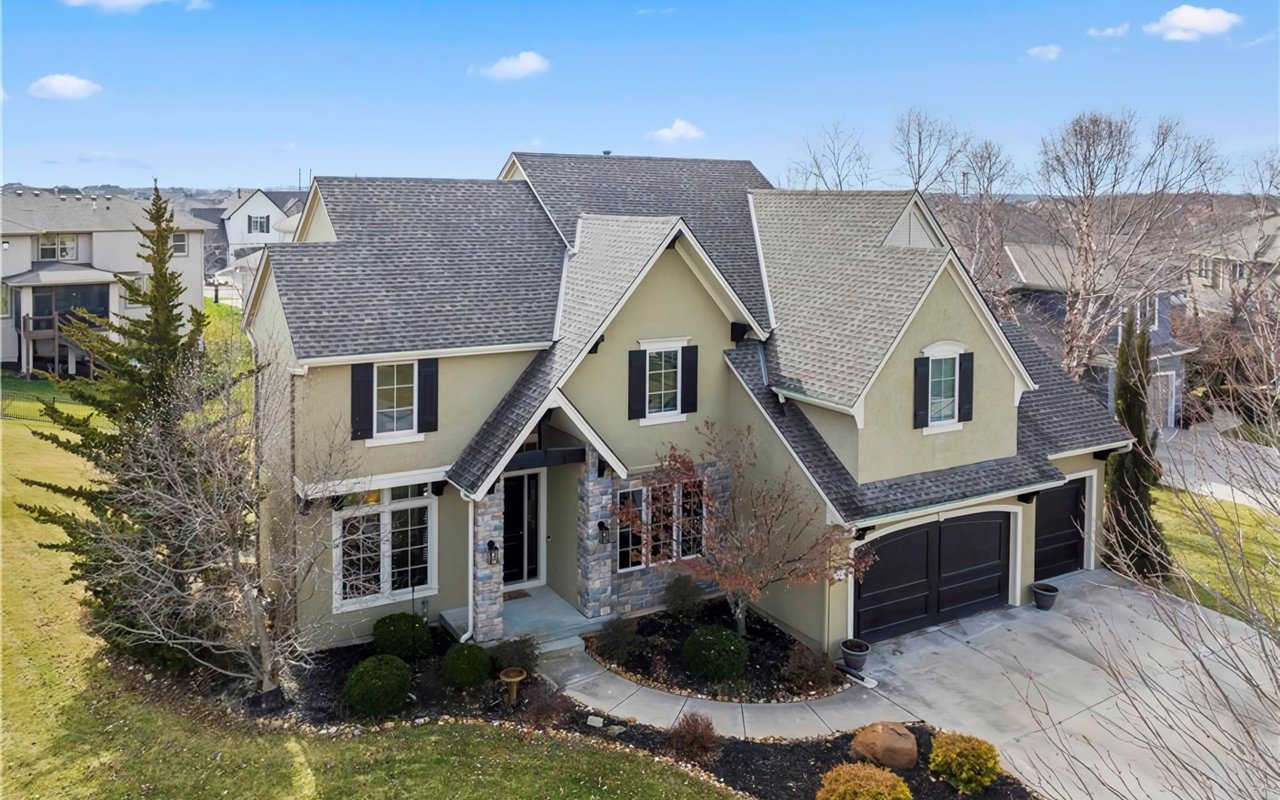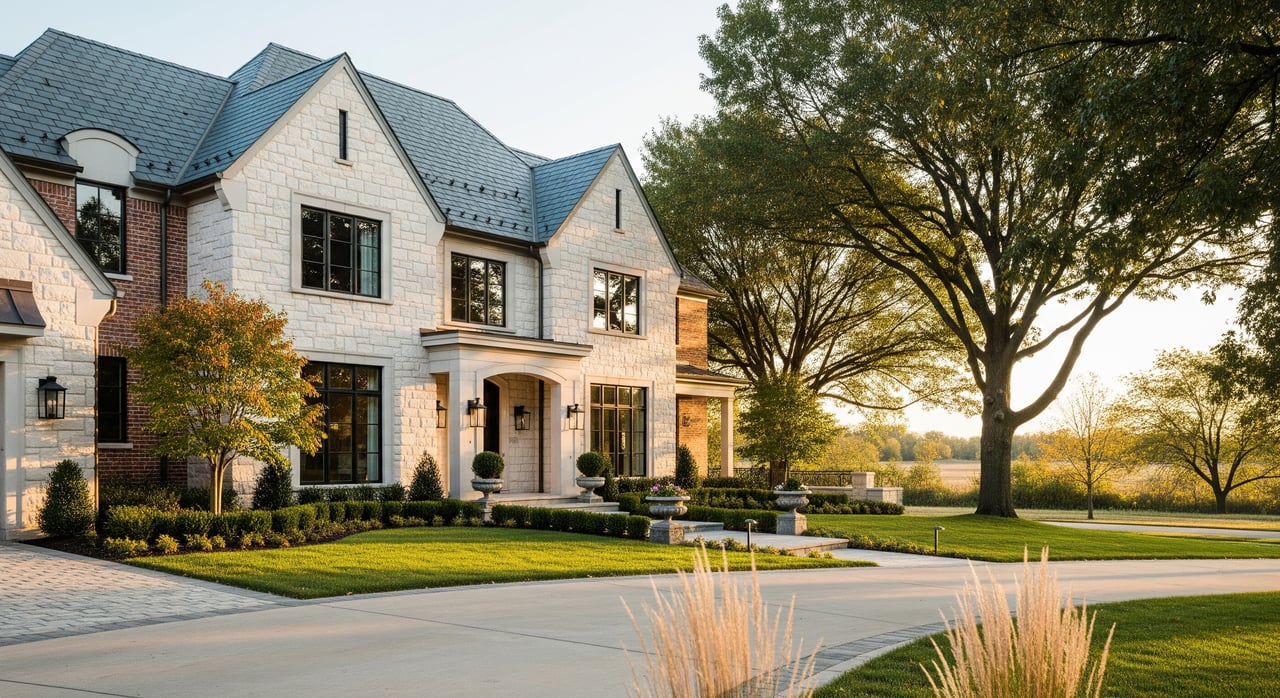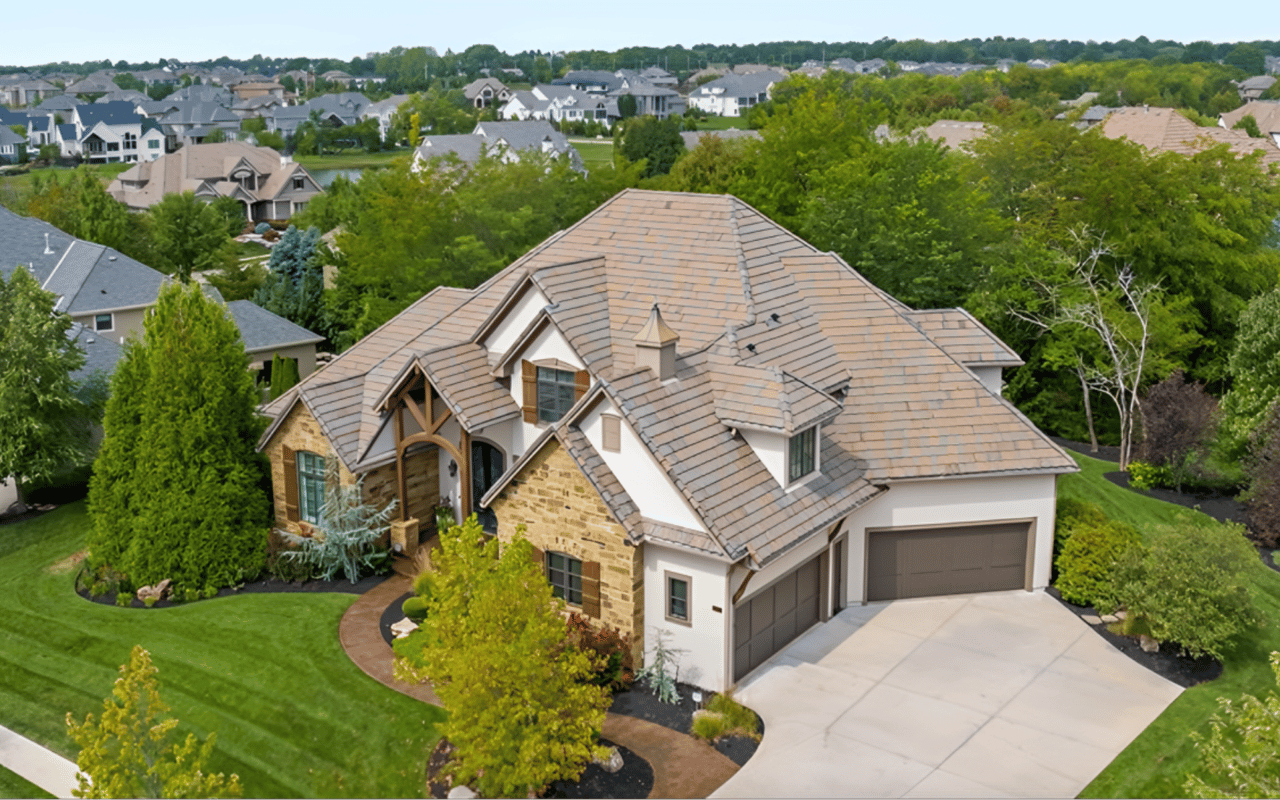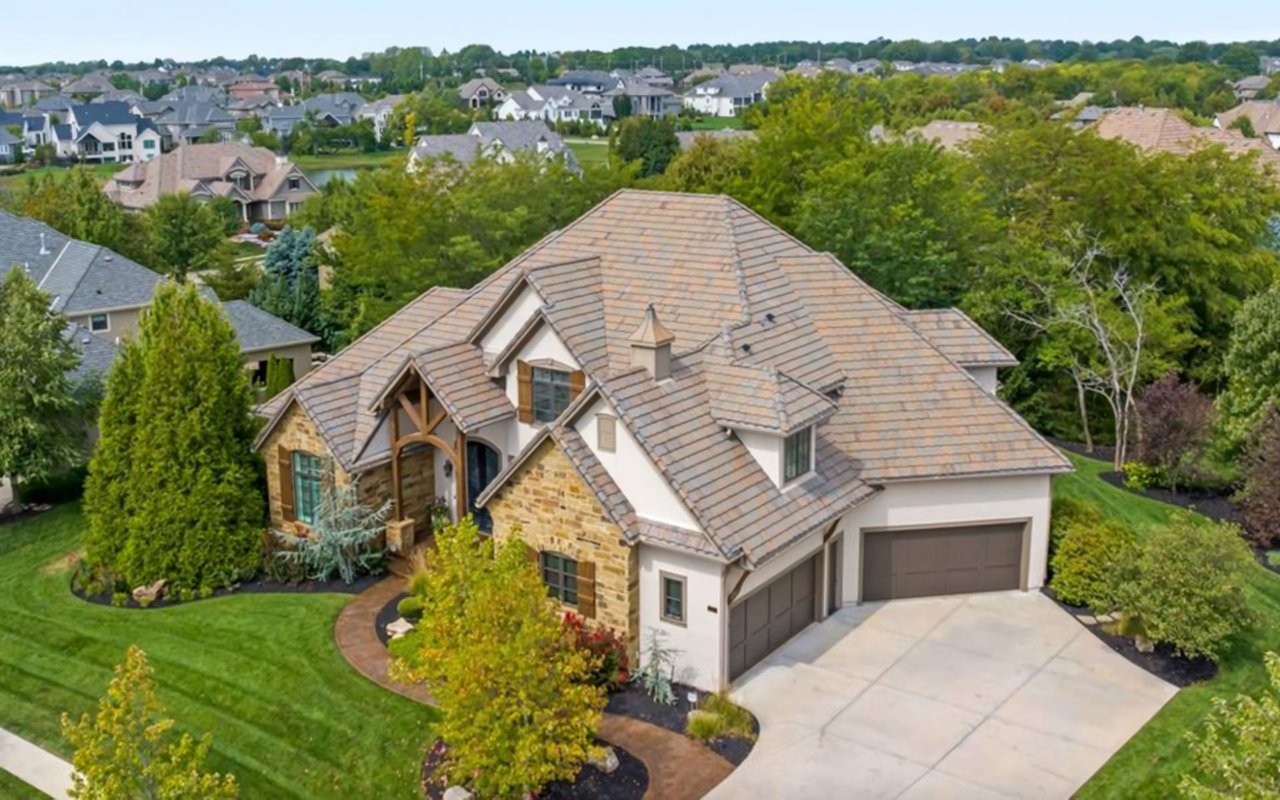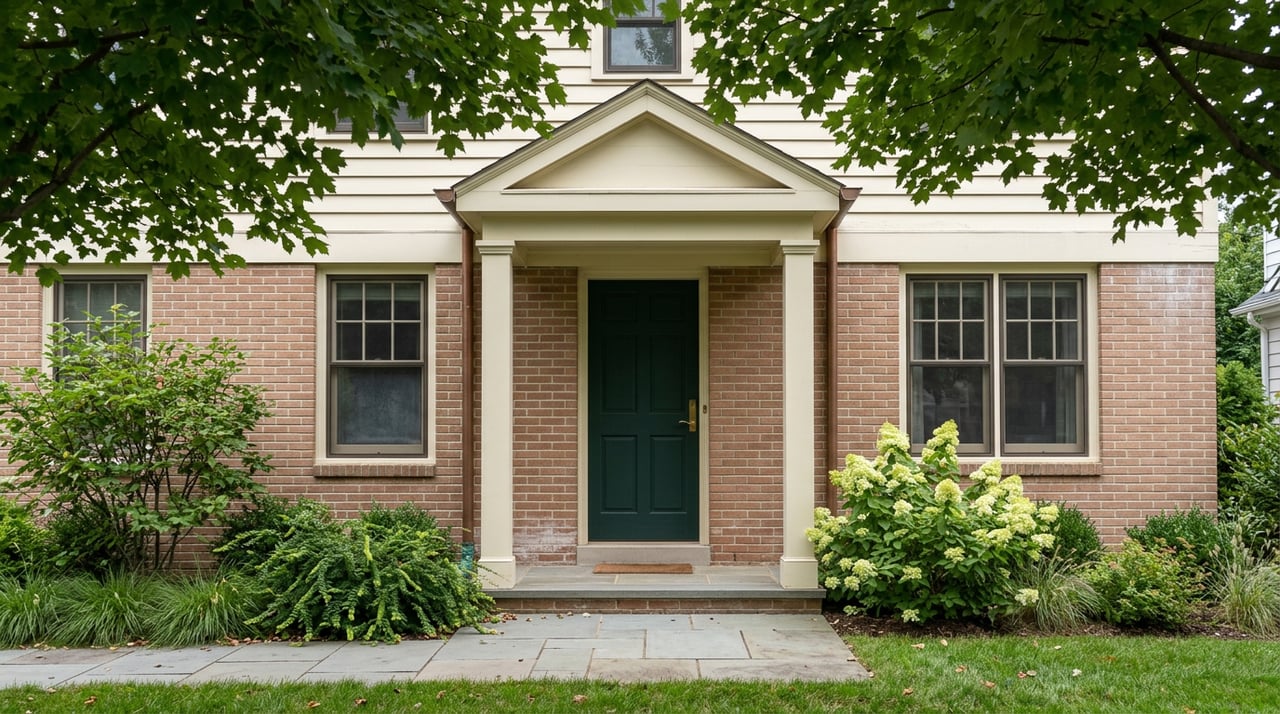
Search for homes for sale in Mission Woods, Kansas, and the portals can't even agree on what's out there. One national site showed zero active listings. Another showed exactly one, priced at $715,000. A third quoted an average home value north of $790,000 for a city that, by that same source's count, had nothing on the market to average.
That disagreement isn't a data error. It's the whole story of this place, and it explains something buyers cross-shopping Johnson County's small, high-price suburbs get wrong constantly: Mission Woods and its far more famous neighbor, Mission Hills, are not the same market wearing two similar names. They share a birthday and not much else.
Five Cities Born the Same Day
In 1949, Mission Woods incorporated on the same day as four surrounding suburbs: Fairway, Westwood, Westwood Hills, and Mission Hills. Mission Woods held its first city election that September 29, in the garage of a home on Mission Woods Road belonging to the late Nettleton Payne, and elected E.J. Rychel Jr. as its first mayor.
The land itself has a longer story. In 1860, Alexander Johnson, son of the Methodist missionary Rev. Thomas Johnson, built the area's first private home near what's now the intersection of Shawnee Mission Parkway and Mission Woods Terrace. Rev. Johnson had served the nearby Shawnee Indian Mission from 1839 until 1862 and was killed in 1865 by Southern sympathizers angered by his loyalty to the Union. By 1926, the Johnson family had sold part of its roughly 2,000-acre holding, land that eventually became part of Mission Hills.
That shared history is exactly why the names still collide in a home search today. A buyer typing "Mission" into a portal sees Mission, Mission Hills, and Mission Woods stacked together, with Westwood and Westwood Hills close behind. Two of those five, Mission Woods and Westwood Hills, even share the same 66205 zip code, so a plain zip search returns homes governed by different city halls, different tax rates, and, it turns out, completely different housing markets.
A City Built Around an Office Campus, Not a Subdivision
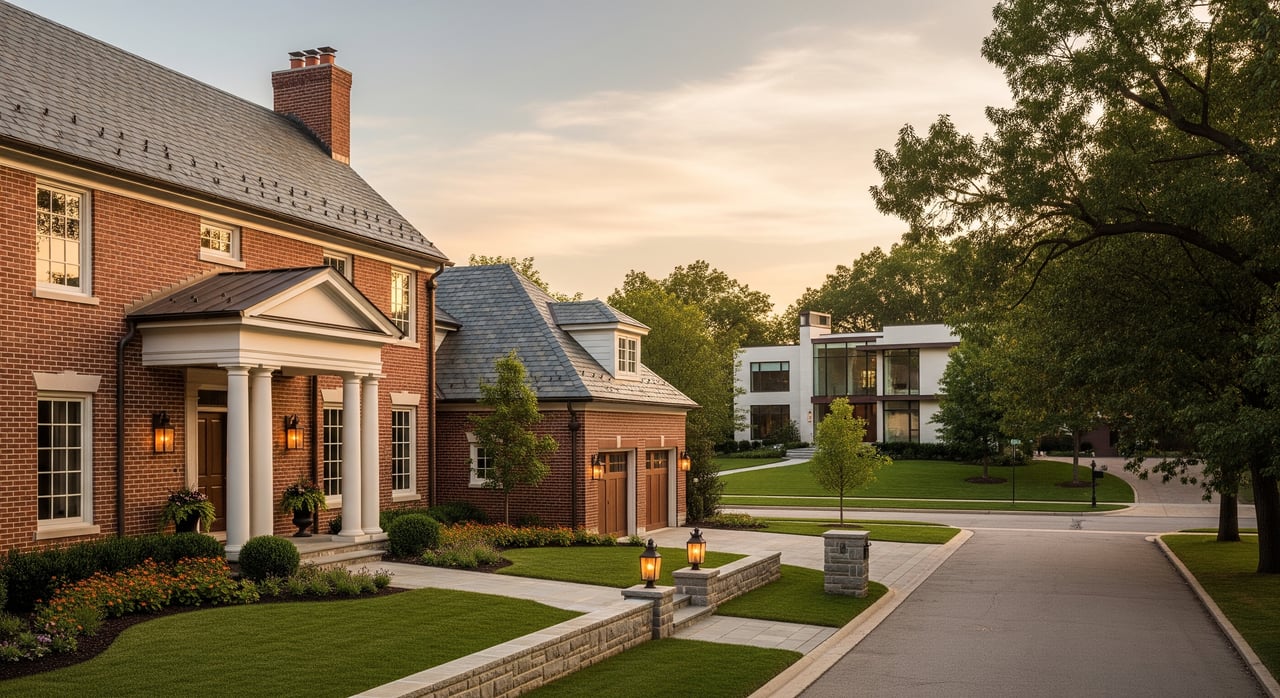
Mission Hills is a residential city of roughly 3,500 people spread across curving streets and country club frontage. Mission Woods is something else entirely: 80 homes on four tree-lined streets, built alongside a church, private-school athletic fields, and a cluster of Class-A office buildings. According to the city's own history, that mix of homes and commercial buildings grew up together rather than one arriving after the other.
The commercial anchor is what's now called the 1900 Campus, at State Line Road and Shawnee Mission Parkway. The centerpiece building started life in 1967 as the H.D. Lee Jeans headquarters, known for its precast concrete "tulip" columns, and later housed the Marley Company and then Layne Energy. Karbank Real Estate bought and restored the building in the 2000s, renaming it The 1900 Building, and added the neighboring Barney Building, a LEED Gold structure named for the firm's founder, Barney Karbank. A third building, the 1968 Building, rounded out the original campus. The 1900 Building alone sits along a stretch of parkway that carries roughly 35,000 cars a day, a volume no all-residential Johnson County city of 80 homes would ever generate on its own.
In November 2024, Karbank unveiled plans for a fourth building, a four-story mixed-use addition called the 1957 Building, with an announced completion target of early 2026. Mission Woods was also selected for the country's first rollout of Google Fiber, an odd distinction for a city with under 200 residents, but consistent with a place that has always attracted commercial and infrastructure interest out of proportion to its size.
None of this is scenery. It's the reason the housing math here doesn't behave like a normal suburb's.
What "Average Price" Actually Means in an 80-Home City
Zillow's own city comparison lists a tracked home value for each of the five cities born in 1949:
| City | Zillow-tracked home value |
|---|---|
| Mission Hills | $1,455,411 |
| Mission Woods | $793,757 |
| Westwood Hills | $583,556 |
| Fairway | $562,286 |
| Westwood | $391,937 |
A number like Mission Hills' $1.45 million means something, because a city of 3,500 people turns over enough homes in a given year to produce a real average. Mission Woods' $793,757 is built from almost no transactions at all, in a city where active listings routinely sit at zero and, when something does surface, there's often exactly one. When the annual sample is one or two closings, the "average" is really just whatever those specific houses happened to sell for. It isn't a signal about where the next house will price, because there may not be a next house for a while.
There's a second reason Mission Woods behaves differently than its all-residential neighbors, and it comes down to how Kansas taxes property. Residential property in Kansas is assessed at 11.5% of appraised value, while commercial and industrial property is assessed at 25%, more than double the residential rate. A city that includes a Class-A office campus, an event venue, and several leased commercial buildings inside its limits carries a tax base its purely residential neighbors simply don't have access to. That difference never shows up on a listing sheet, but it shapes how the city funds itself and, over decades, why its footprint has stayed so tightly drawn around those same 80 homes.
What This Means If You're Actually House Hunting
If Mission Woods is on your list, the ordinary search playbook doesn't apply here. Portal alerts for new listings can sit silent for months, not because interest is low, but because there's rarely inventory to alert on. In a city this size, most transitions happen through estate settlements, long-held family properties changing hands, or relationships that predate any listing ever reaching a website.
That makes local representation matter more here, not less. An agent who has tracked how these 80 homes have historically changed hands over the years will often hear about a coming sale before it's public, if it ever becomes public at all. Buyers refreshing a portal are waiting for a rare event. Buyers working a relationship are positioned for the more common one.
The same logic applies in reverse to anyone who owns one of these homes and is weighing a sale. Comparable sales data is thin by design, so pricing well means looking past the citywide average and toward the small number of genuinely comparable recent transactions, plus an honest read on how the 1957 Building and the rest of the 1900 Campus are shaping buyer interest in the immediate area.
Frequently Asked Questions
Is Mission Woods the same as Mission Hills? No. They're separate incorporated cities that happen to share part of a name and a founding year. Mission Hills is a residential city of roughly 3,500 people. Mission Woods has 80 homes total and includes office buildings, a church, and private-school athletic fields inside its city limits.
How many homes are actually in Mission Woods? Eighty, spread across four streets, according to the city's own history.
Why do Mission Woods and Westwood Hills share a zip code? Both use 66205, a common arrangement in this stretch of Johnson County where several small, separately governed cities sit close together. The shared zip code has no bearing on which city hall, tax rate, or school boundary applies to a given address.
If you're weighing a move into one of Johnson County's small, high-value cities and want a straight read on what's actually available, not just what a portal average implies, The Huff Group works this exact stretch of Johnson County every week. Book an appointment and we'll walk you through what's realistic in Mission Woods, Mission Hills, or wherever your search actually points.
This article is general information, not legal, tax or financial advice. Consult a qualified professional about your situation.