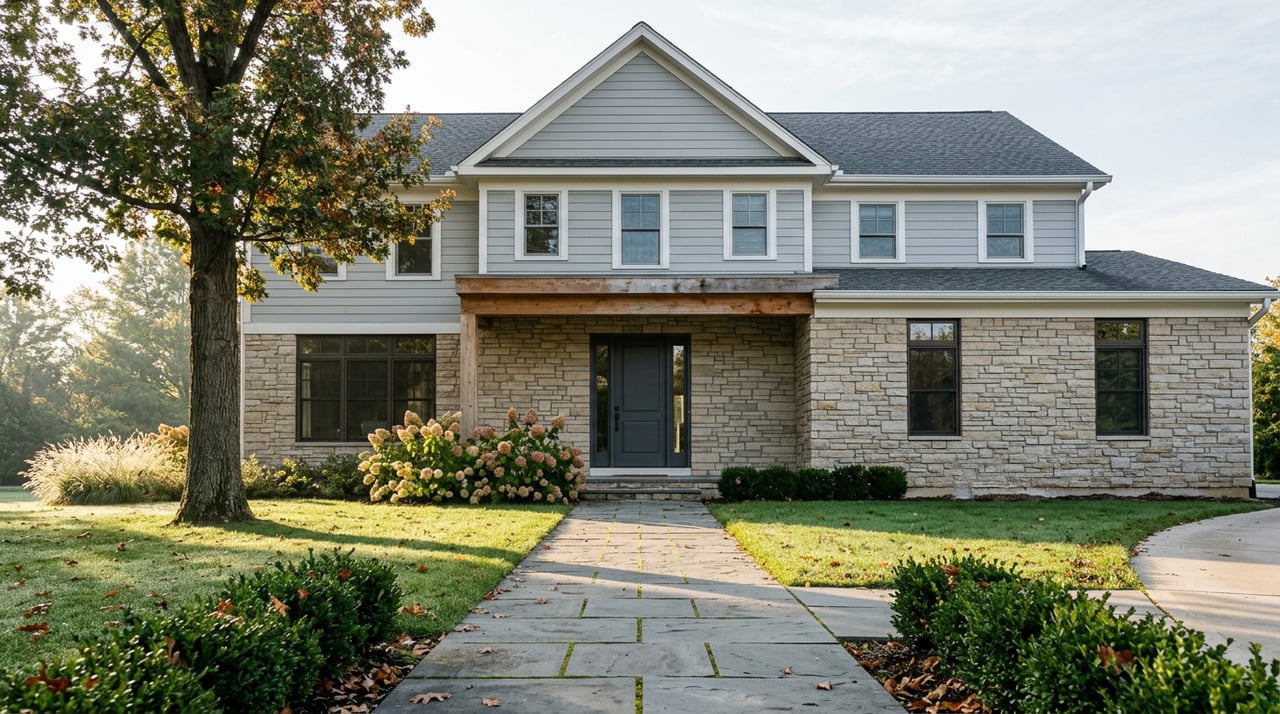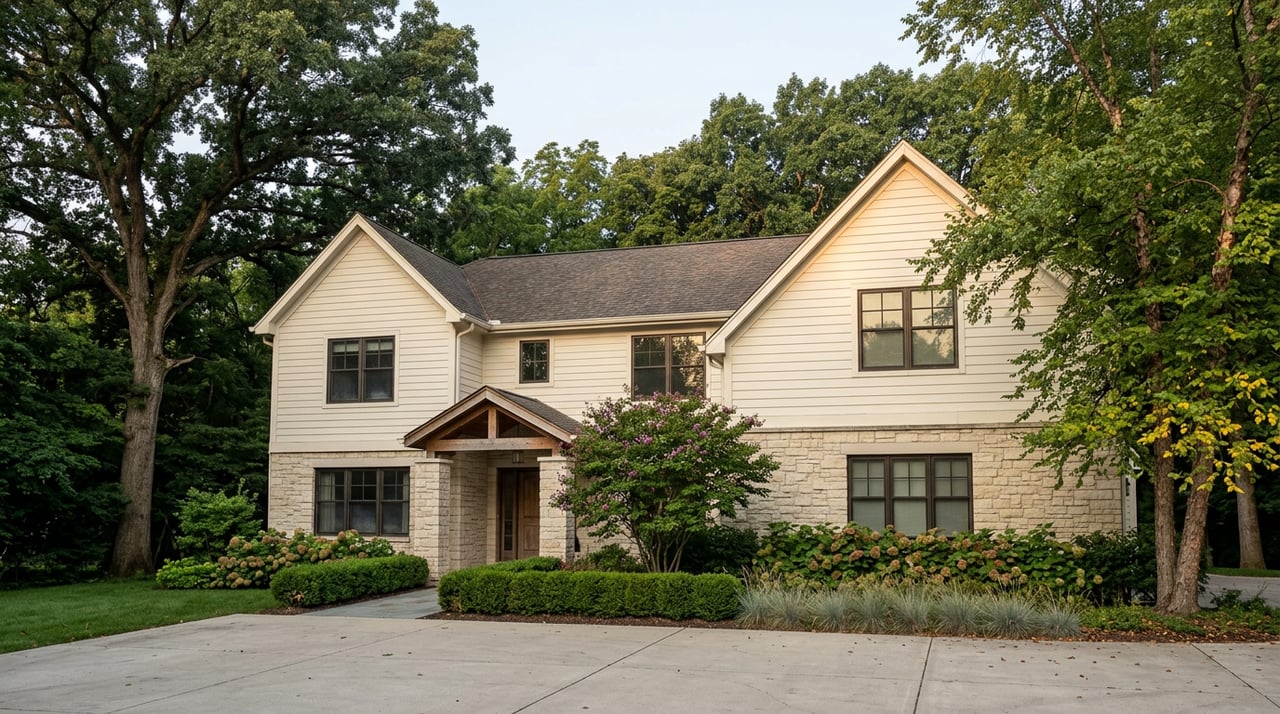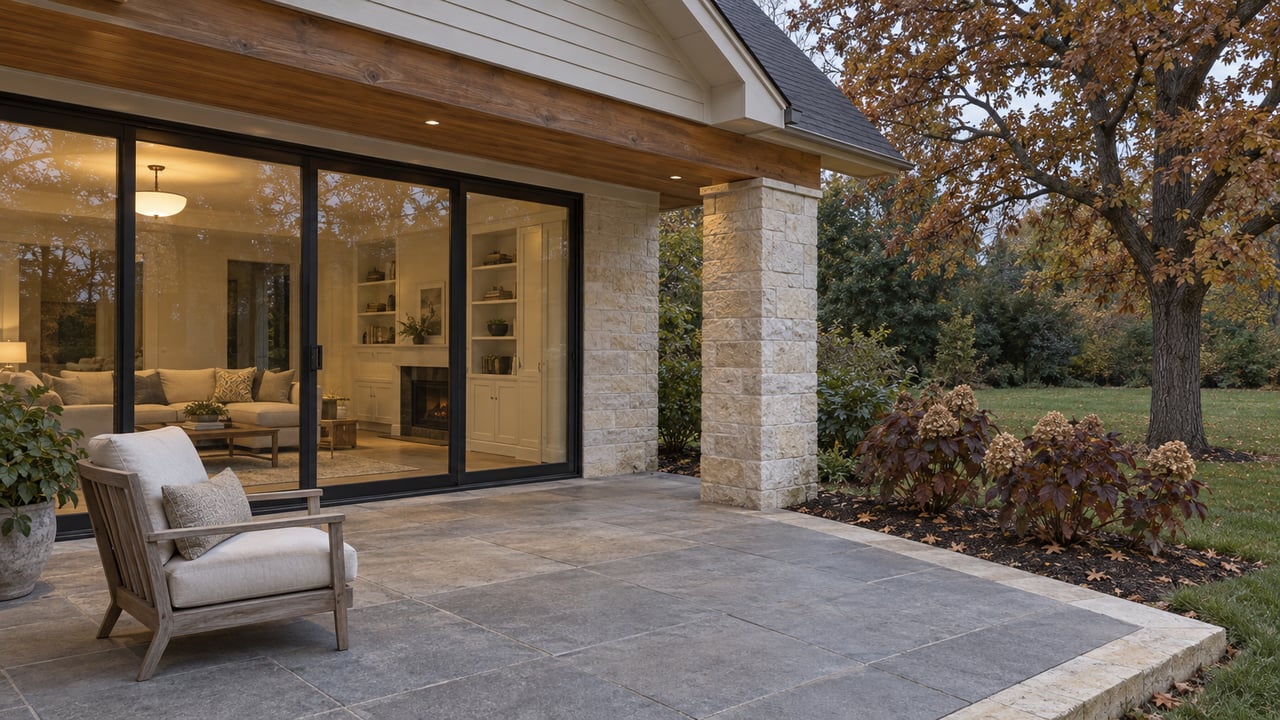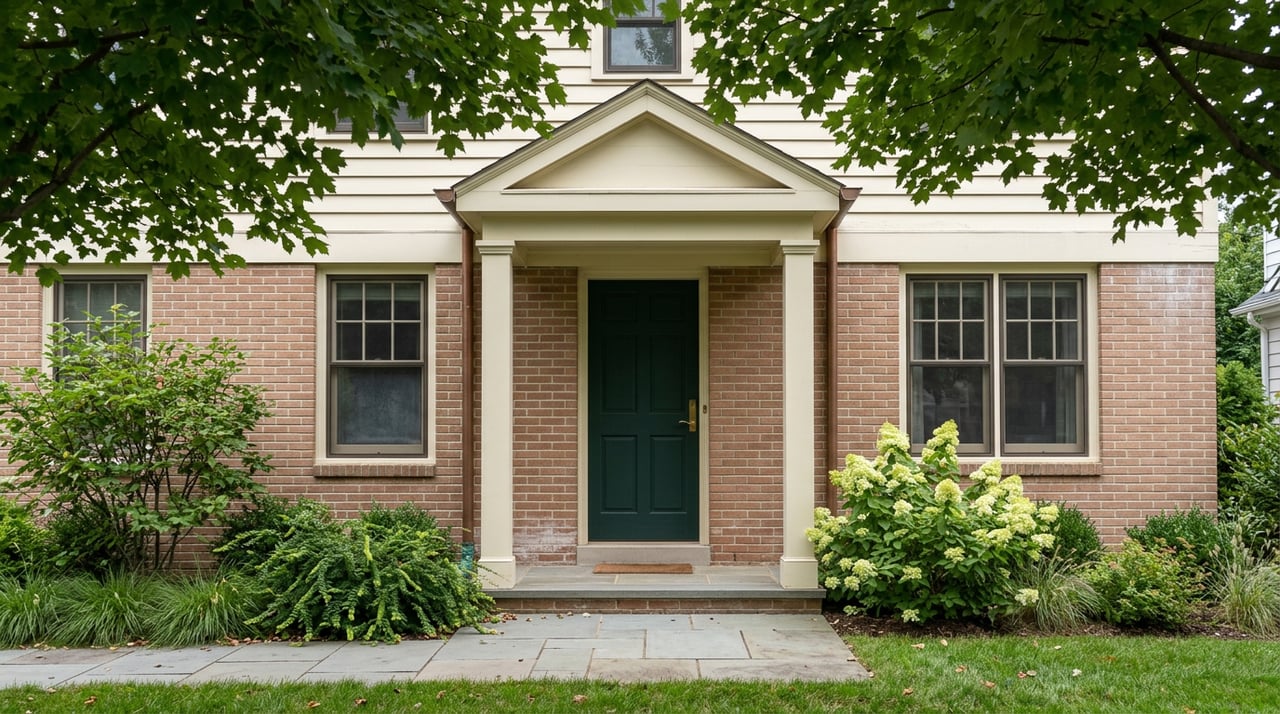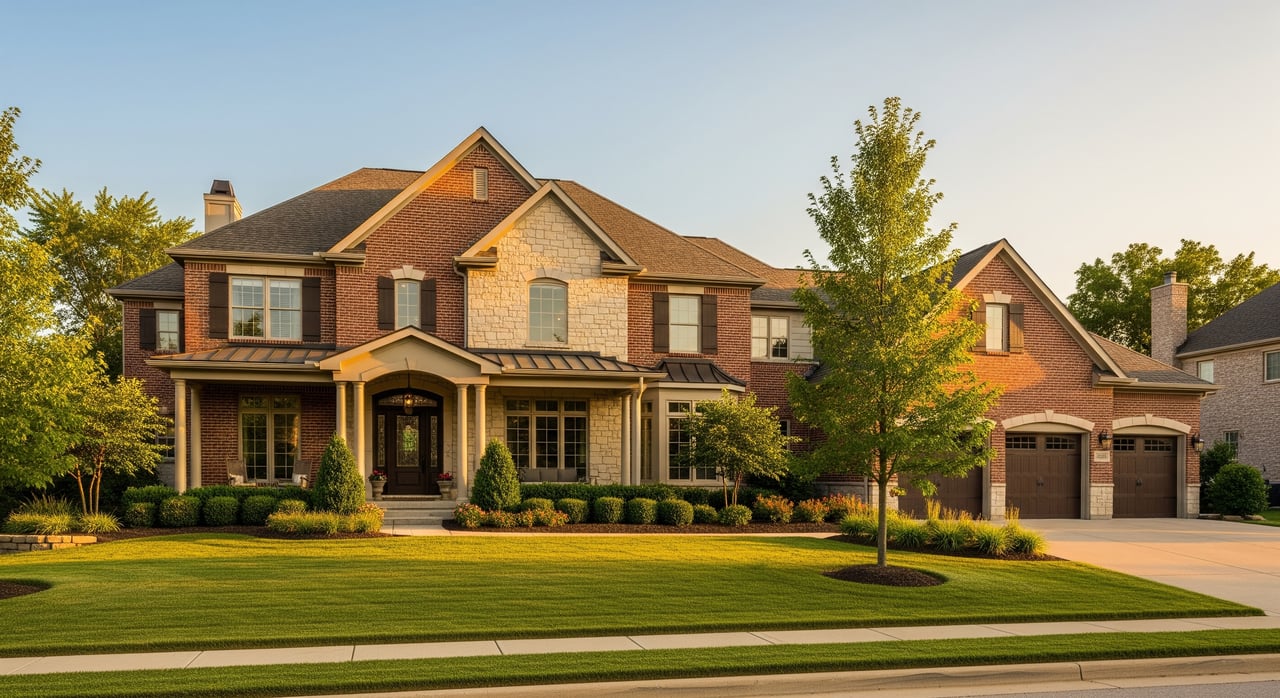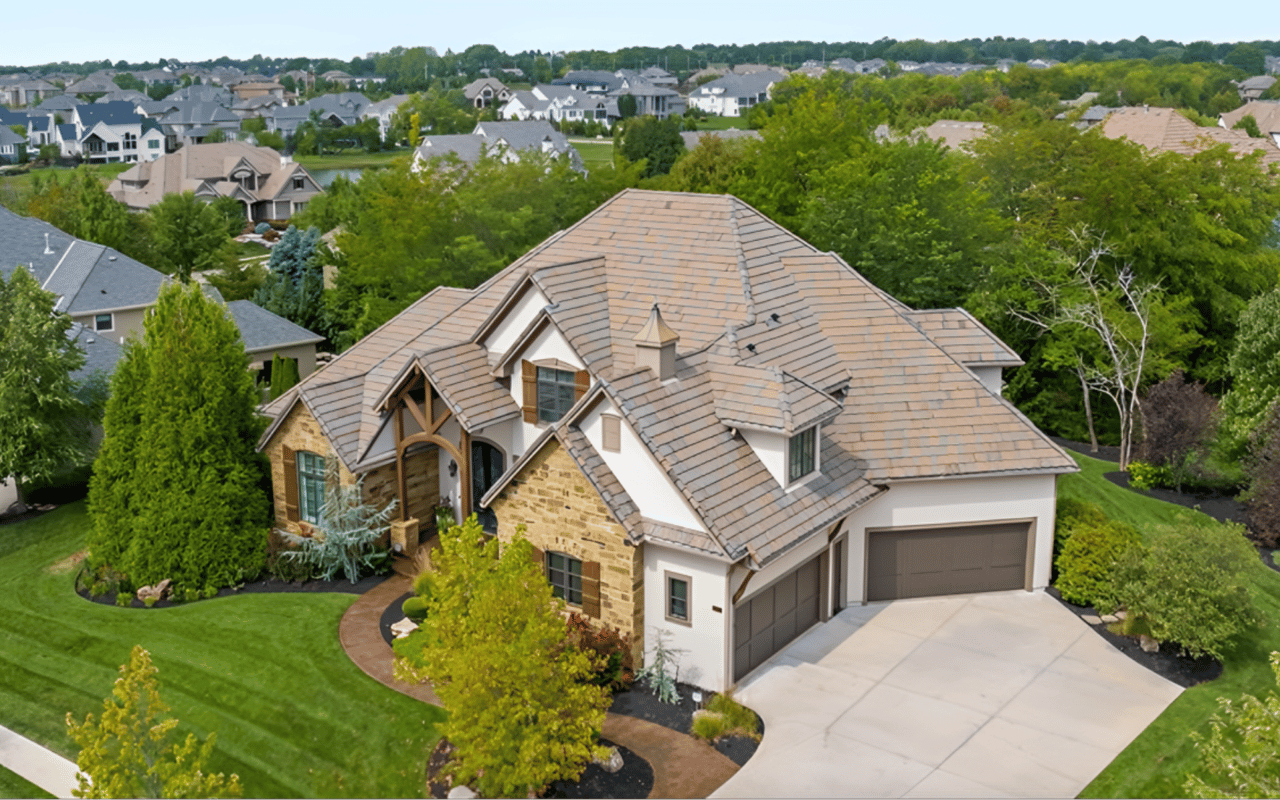
Trying to compare new construction neighborhoods in Olathe can feel simple at first, until every model home starts to blur together. You are not just choosing a floor plan. You are choosing commute patterns, future development around your lot, utility setup, and the way your daily life will work once the excitement of a brand-new home settles in. If you want to compare communities with more confidence, here is how to look past the sales office and focus on the details that matter most. Let’s dive in.
Start With Olathe’s Growth Pattern
Olathe has an active new-construction pipeline, and that matters when you are comparing neighborhoods. The city adopted the Elevate Olathe Comprehensive Plan on April 21, 2026, to guide growth over the next 15 years while preserving neighborhood character and services. That gives you a useful local framework for understanding where development is happening and what may come next.
The city’s first-quarter 2026 development report also shows solid activity across Olathe. It approved three single-family subdivisions totaling 82 lots and reported 98 new residential projects and 400 new dwelling units citywide. In other words, new-home options are not limited to one pocket of town.
That is why it helps to compare the exact subdivision and plat, not just the community name. In Olathe, plats can include lot layouts, streets, utility easements, setback lines, rights-of-way, and access controls. Those details can shape privacy, backyard use, parking, and even how future phases connect to your street.
Compare Daily Life First
Check Your Real Commute Route
A neighborhood may look perfect on paper but still feel inconvenient once you start driving it every day. Olathe identifies major trafficways such as I-35, US 169/K-7, K-10, Old 56 Highway, 151st Street, and Santa Fe/135th Street, so travel patterns can vary a lot by address.
Instead of thinking in broad terms like west Olathe or south Olathe, test the actual route you would use most often. Drive to work, regular shopping stops, activities, and other places you visit every week. A few extra turns or a busier connector road can make a bigger difference than you expect.
Verify School Attendance by Address
If school attendance areas matter to your search, verify them by exact property address. Olathe Public Schools directs families to use its district map and the Johnson County AIMS School Locator for current attendance and bus information.
That extra step matters because the district’s 2026 facility-alignment process means boundaries may continue to change. When you compare two neighborhoods, avoid assumptions based on a subdivision’s reputation or marketing materials. Use the address-specific tools to confirm what applies today.
Look at Parks and Trail Access
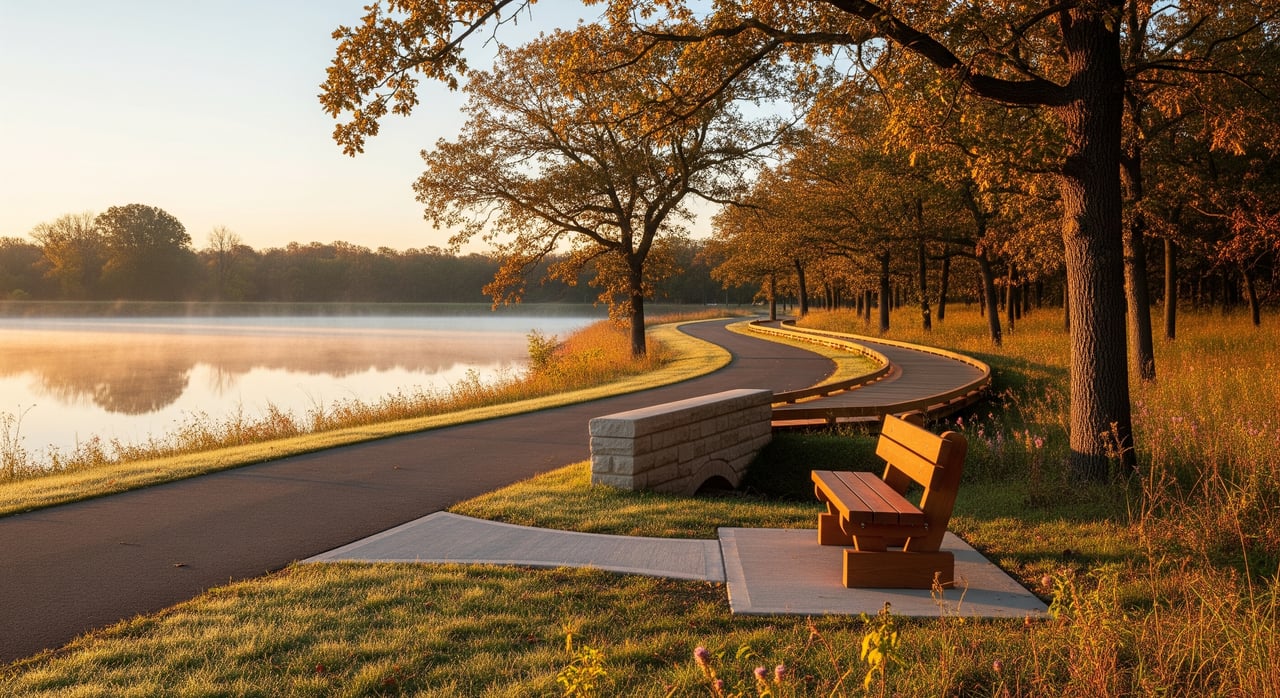
Trail access is not just a bonus feature in Olathe. The city maintains 26.5 miles of bike lanes, 26.4 miles of multi-use trails, 13.5 miles of trails within parks, and another 2.5 miles in development.
If you enjoy walking, biking, or easy park access, this can be a real comparison point between neighborhoods. A subdivision with simple sidewalk and trail connections may fit your routine better than one with a similar home price but fewer nearby options for getting outside.
Compare the Lot, Not Just the Floor Plan
Ask What Is Behind the Home
One of the biggest mistakes buyers make with new construction is focusing only on the house plan. The lot can change how the home lives day to day just as much as the square footage or finish package.
Ask what will be built behind, beside, or across from the home. A lot may back to a future phase, a street connection, or an area set aside for drainage infrastructure. Those details can affect privacy, views, noise, and future construction nearby.
Review Flood and Drainage Factors
Olathe’s Flood Zones Map identifies areas of existing and potential flood risk, and the city’s stormwater program manages drainage infrastructure and construction erosion controls. When you compare neighborhoods, it is smart to ask whether a lot is near a detention area or includes a drainage easement.
That does not automatically make a lot a poor choice. It does mean you should understand how the land functions and whether any easements could limit fencing, landscaping, or other backyard plans.
Read the Plat Carefully
A plat can tell you much more than a brochure. It may show setback lines, access controls, easements, dedications, and street layouts that affect how your lot feels over time.
This is especially helpful when two homes have similar pricing. One lot may offer better usable yard space, fewer limitations, or a calmer location within the neighborhood. Those are long-term quality-of-life differences that deserve close attention.
Compare Construction Stage and Timeline
Not every new-construction home is at the same point in the process, even if two listings look similar online. Olathe’s residential building process includes coordinated review, permitting, inspections, and approvals before completion.
That means you should ask direct questions about status. Is the home still in permit review, already under construction, or close to final inspection? The answer can affect your move timeline and how much flexibility you may have in finishes or selections.
A neighborhood’s phase also matters. If the community is early in development, you may enjoy more lot choices, but you may also live around active construction longer. In a later phase, the streetscape may feel more established, but lot and plan options may be more limited.
Compare Utility Setup and Monthly Costs
Two neighborhoods in Olathe can come with different utility providers and different fee structures. The city notes that providers for water, sewer, electric, gas, and cable or internet can be identified through Johnson County’s Location Services tool. In some areas, Olathe provides water, sewer, stormwater, and solid waste service, while WaterOne and Johnson County Wastewater may charge their own development fees.
This is why it is worth asking for the full utility picture early. Monthly service, connection fees, and startup costs can vary by address. A home that appears similarly priced upfront may carry different ongoing costs depending on provider mix.
For budgeting, Olathe’s 2026 utility benchmark for a typical resident is $135.39 per month for water, sewer, stormwater, and solid waste, though actual bills vary by usage and provider. That is a useful baseline when you compare neighborhoods and estimate your carrying costs.
Include Property Taxes in Your Comparison
New construction is exciting, but it is easy to focus so much on finishes and incentives that you overlook future tax costs. Johnson County appraises property at fair market value as of January 1, mails Notices of Appraised Value by March 1, and field-inspects open new-construction permits.
When you compare neighborhoods, include a tax discussion alongside mortgage and utility estimates. This helps you evaluate the home as a full monthly commitment, not just a purchase price. It is a simple step that can make your budget much more realistic.
Questions That Help You Compare Better
When you tour new-construction neighborhoods in Olathe, bring questions that move beyond décor and upgrade packages. A stronger comparison usually comes from public, address-specific facts.
Here are some of the best questions to ask:
- What phase is this community in, and what is planned next door or behind this lot?
- Can you show me the plat, zoning, and future land use information for this property?
- What school attendance area does the current address show in the AIMS locator?
- Which utility providers serve this lot, and are there connection or startup fees?
- What is included in the base price, and what is optional?
- What HOA dues, amenity timelines, and maintenance responsibilities apply?
- Are there nearby road, stormwater, or public improvement projects that could affect travel or drainage?
- Has the builder pulled permits yet, and what inspections remain before occupancy?
Why Local Guidance Matters
Comparing new construction in Olathe is rarely about finding the prettiest model home. It is about understanding how one neighborhood functions differently from another once you factor in roads, plats, school assignment tools, trails, drainage, utilities, taxes, and the construction timeline.
That is where local guidance can save you time and help you ask better questions. When you have a team that knows Johnson County, understands how to compare neighborhoods at the lot level, and keeps the process organized, you can make a more informed decision with less stress.
If you are exploring new construction in Olathe and want a clear, local perspective, The Huff Group can help you compare neighborhoods with confidence and build a plan that fits your move.
FAQs
What should you compare first in Olathe new construction neighborhoods?
- Start with daily-life factors like your actual commute route, trail access, school attendance by address, and what is planned around the lot.
How can you verify school attendance for a new construction home in Olathe?
- Use the exact property address with the Olathe Public Schools district map and the Johnson County AIMS School Locator to confirm current attendance and bus information.
Why does the plat matter when comparing Olathe neighborhoods?
- The plat can show easements, setback lines, access controls, lot layout, and street connections that may affect privacy, yard use, and future development nearby.
What utility costs should you ask about in Olathe new construction?
- Ask which providers serve the lot, whether connection or startup fees apply, and how monthly services may differ by address.
How do you compare timelines for new construction homes in Olathe?
- Ask whether the home is still in permit review, under construction, or nearing final inspection, and confirm which phase of the community is still being built out.
What public resources help you compare Olathe neighborhoods more accurately?
- Useful local tools include the city’s planning and development information, plat records, traffic and street resources, stormwater and flood tools, Olathe Public Schools attendance tools, and Johnson County appraisal information.